No Belly Button: An Evidence-Based Guide for Patients

The medical name for the belly button is the umbilicus; complete congenital absence is uncommon. Surgery, scar tissue, trauma, infection, and prior repair of abdominal wall conditions can alter or remove the usual navel appearance.
Key Takeaways
- The medical name for the belly button is the umbilicus; complete congenital absence is uncommon.
- Surgery, scar tissue, trauma, infection, and prior repair of abdominal wall conditions can alter or remove the usual navel appearance.
- An absent or hidden belly button alone does not usually affect digestion, fertility, or internal organ function.
- New redness, tenderness, a lump, bleeding, discharge, fever, or a change after abdominal surgery warrants medical advice.
- Reconstructive options may be available when the appearance or structure of the umbilicus causes concern.
A person may appear to have no belly button because it did not form normally before birth, was changed by surgery or injury, or has become hidden by scarring, skin folds, or body-shape changes. In many cases it is not harmful, but a newly changed, painful, swollen, or draining navel should be assessed by a qualified clinician.
What does it mean to have no belly button?
A person with no belly button may have an umbilicus that is absent, very flat, covered by scar tissue, or difficult to see. The belly button, medically called the umbilicus, is the scar left after the umbilical cord is cut and heals following birth. It does not have an essential function after birth, so the absence of a visible navel usually does not itself cause health problems.
Some people are born without a clearly formed umbilicus, a rare finding sometimes described as umbilical agenesis. More commonly, the usual appearance changes after abdominal surgery, treatment for an abdominal wall condition in infancy, an injury, or healing that produces a thick or tight scar. Weight changes, loose skin, or a deep abdominal skin fold can also make a belly button less visible.
The most useful question is whether the appearance has always been this way or has changed recently. A lifelong, symptom-free difference is often evaluated differently from a new change accompanied by pain, a bulge, skin irritation, or fluid from the area.
Why the belly button may be absent or hard to see
Rarely, the umbilicus does not develop in the typical way before birth. When this occurs alone and the child is otherwise well, it may simply be an anatomical difference. However, clinicians may examine a newborn carefully because an unusual umbilical appearance can occasionally occur alongside differences in the abdominal wall, urinary tract, or other structures.
Abdominal surgery is a more frequent explanation for an altered or missing-looking navel. Operations to repair congenital abdominal wall conditions, remove scarred tissue, treat severe infection, or address trauma may leave the umbilicus flattened, displaced, narrowed, or absent. Some cosmetic abdominal operations also change the location or shape of the navel. During an abdominoplasty, for example, surgeons generally aim to preserve or create a natural-looking umbilicus, but healing and individual anatomy influence the result.
Scar formation can pull the skin inward or make the navel blend into surrounding tissue. In other cases, the navel is still present but obscured by an overhanging skin fold, swelling, or a change in the contour of the abdomen. These possibilities are different from a true absence of the underlying umbilical scar.
Related symptoms that deserve attention

Having no visible belly button without other symptoms is generally not an emergency. However, symptoms around the area can indicate a skin problem, infection, hernia, healing concern, or another condition that needs assessment. The meaning of these symptoms depends on a person’s age, medical history, and whether they recently had surgery.
Features to note include redness, warmth, tenderness, itching, a foul smell, bleeding, pus-like fluid, clear drainage, or a persistent moist area. A firm or soft lump at or near the former navel can sometimes be due to an umbilical hernia, in which tissue pushes through a weak area of the abdominal wall. A hernia may become more noticeable with coughing, straining, standing, or lifting.
- Increasing abdominal pain or a painful bulge
- Rapid swelling, spreading redness, or fever
- Vomiting, abdominal distension, or inability to pass stool or gas
- New drainage, bleeding, or skin breakdown after surgery
- A newly altered navel appearance without an obvious explanation
These signs do not always indicate a serious problem, but they should not be ignored. Prompt clinical evaluation is particularly important for babies and young children with an unusual umbilical area, because early assessment can help identify conditions that may need treatment.
How clinicians assess an absent or altered umbilicus
A clinician will usually begin by asking when the belly button appearance was first noticed and whether there has been prior abdominal surgery, injury, infection, pregnancy, or weight change. They may also ask about pain, discharge, bowel symptoms, fever, and any history of congenital conditions. For children, details about birth and any neonatal surgery can be especially relevant.
A physical examination assesses the skin, scar pattern, abdominal wall, and presence of any lump or tenderness. The clinician may ask the person to cough or gently tighten the abdominal muscles to check for a hernia. If there are no concerning symptoms and the appearance has been stable for years, tests may not be necessary.
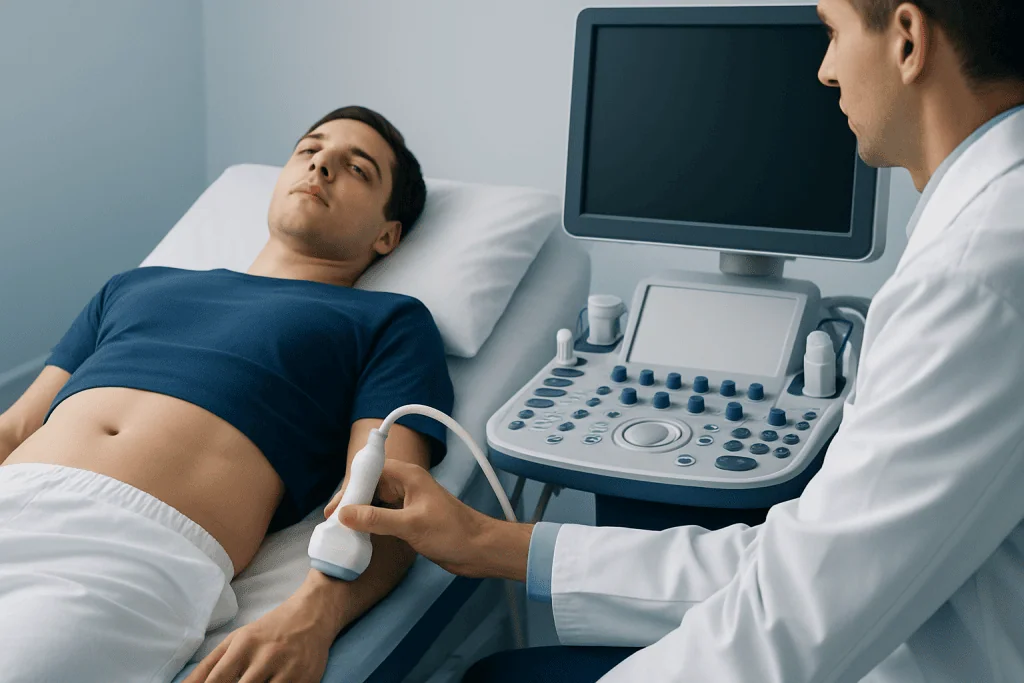
Ultrasound can be useful when a hernia, fluid collection, cyst, or soft-tissue concern is suspected. Other imaging tests are selected only when the examination and symptoms suggest a deeper abdominal issue. If reconstruction is being considered, a plastic surgeon or surgeon with experience in abdominal wall repair can discuss whether the anatomy and scar tissue are suitable for a procedure.
Treatment and reconstruction options
Treatment is based on the cause rather than on the absence of a visible belly button alone. If the area is healthy and the appearance has been stable, no medical treatment may be needed. Gentle cleansing and thorough drying can help reduce irritation in skin folds or recessed scars, but harsh scrubbing, unprescribed creams, and attempts to reopen or reshape scarred skin at home should be avoided.
If there is an infection, a clinician may recommend cleaning measures, topical treatment, oral medication, drainage, or another approach depending on the cause and severity. A symptomatic umbilical hernia may require surgical repair, particularly if it is painful, enlarging, or causing complications. Management differs between children and adults, so an individualized assessment is important.
For people who are bothered by the appearance after surgery, injury, or congenital absence, umbilical reconstruction may be considered. This procedure, sometimes called umbilicoplasty or neoumbilicoplasty, uses surgical techniques to create, revise, or improve the shape of a navel. It is usually planned after scars have matured and after any active infection, hernia, or wound-healing issue has been addressed.
Expected benefits, scar visibility, healing time, and the possibility of revision should be discussed carefully with a qualified surgeon. Reconstructive surgery is elective in many cases, and the decision should reflect the person’s goals, overall health, abdominal anatomy, and prior operations.
Everyday care and protecting the abdominal skin
For a flat, scarred, or hidden navel area, routine skin care is usually sufficient. Washing gently with mild soap and water during bathing, then patting the area dry, can help prevent trapped moisture and irritation. People with a skin fold over the area may benefit from checking it regularly for redness, rubbing, odor, or moisture, particularly in warm weather or after exercise.
After abdominal surgery, it is important to follow the surgical team’s wound-care instructions rather than relying on general advice. Activity restrictions, dressing use, showering guidance, and follow-up timing vary by procedure. Smoking and nicotine products can impair wound healing, so people preparing for or recovering from surgery should ask their healthcare team for support with stopping.
A balanced diet, adequate protein intake, regular movement when medically appropriate, and management of conditions such as diabetes can support skin and wound health. These measures cannot create a belly button that is absent, but they may help protect the surrounding skin and support recovery if treatment is required.
When to seek medical care
A routine appointment is appropriate when a person has always had no visible belly button but would like to understand the cause, has concerns about an old surgical scar, notices a persistent lump, or is considering reconstruction. Parents should arrange a pediatric review for a baby or child with an absent, unusually shaped, draining, or persistently irritated umbilical area.
Urgent medical care is needed for severe or worsening abdominal pain, a painful bulge that does not reduce, vomiting, fever with spreading redness, significant bleeding, or pus-like drainage. These symptoms can be associated with conditions such as infection or a complicated hernia and need timely assessment. Anyone who has recently had abdominal surgery should also contact their surgical team promptly about new wound separation, drainage, increasing swelling, or pain.
Acibadem International’s multidisciplinary specialists and JCI-accredited hospitals assess abdominal wall concerns, postoperative scar changes, and reconstructive needs for international patients. A clinician can help distinguish a cosmetic difference from a problem requiring medical or surgical care.
Frequently asked questions
Is it normal to have no belly button?
A person may have no obvious belly button because of a congenital difference, surgery, injury, or scar formation. If the appearance has been stable and there are no symptoms, it often does not affect health. A clinician can confirm the likely cause, especially when the difference is present from birth.
Can a belly button disappear after surgery?
Yes. Abdominal surgery can alter the position, depth, or appearance of the umbilicus, and some procedures may remove or reconstruct it. Scar healing can also flatten or obscure the navel. New changes after surgery should be discussed with the operating surgeon or another qualified clinician.
Does having no belly button cause health problems?
The absence of a visible belly button by itself usually does not interfere with digestion, movement, fertility, or organ function. Health concerns arise when there is an underlying abdominal wall condition, infection, wound problem, or hernia. Symptoms such as pain, drainage, redness, or a lump need medical assessment.
Can a belly button be reconstructed?
In many cases, yes. A surgeon may use reconstructive techniques to create or revise an umbilicus after prior surgery, trauma, or congenital absence. Suitability depends on the condition of the abdominal skin, scar tissue, abdominal wall, and a person’s overall health.
Why is my belly button no longer visible after weight gain or pregnancy?
Changes in abdominal contour, skin stretching, and skin folds can make a previously visible navel appear shallow or hidden. Pregnancy may also temporarily change the shape of the umbilicus as the abdominal wall stretches. A new painful bulge, especially after pregnancy, should be checked for a possible hernia.
When is a belly button change an emergency?
Seek urgent care for severe abdominal pain, vomiting, a tender or discolored bulge, fever with spreading redness, or significant bleeding or pus-like drainage. These symptoms may point to an infection or a hernia complication. Prompt evaluation is also important after recent abdominal surgery if the wound opens or drains.
References
- American Academy of Pediatrics
- American College of Surgeons
- MedlinePlus, U.S. National Library of Medicine
- National Health Service
- Mayo Clinic
This article is for general information only and is not a substitute for professional medical advice. Please consult a qualified doctor about your individual situation.
Explore treatments in Turkey — costs, top hospitals & a free quote
JCI-accredited · board-certified surgeons · reply within 24h
Add us as a Preferred Source to see more of our trusted health content across Google Search, AI Overviews and Discover.