Hair Follicle: A Complete Medical Overview
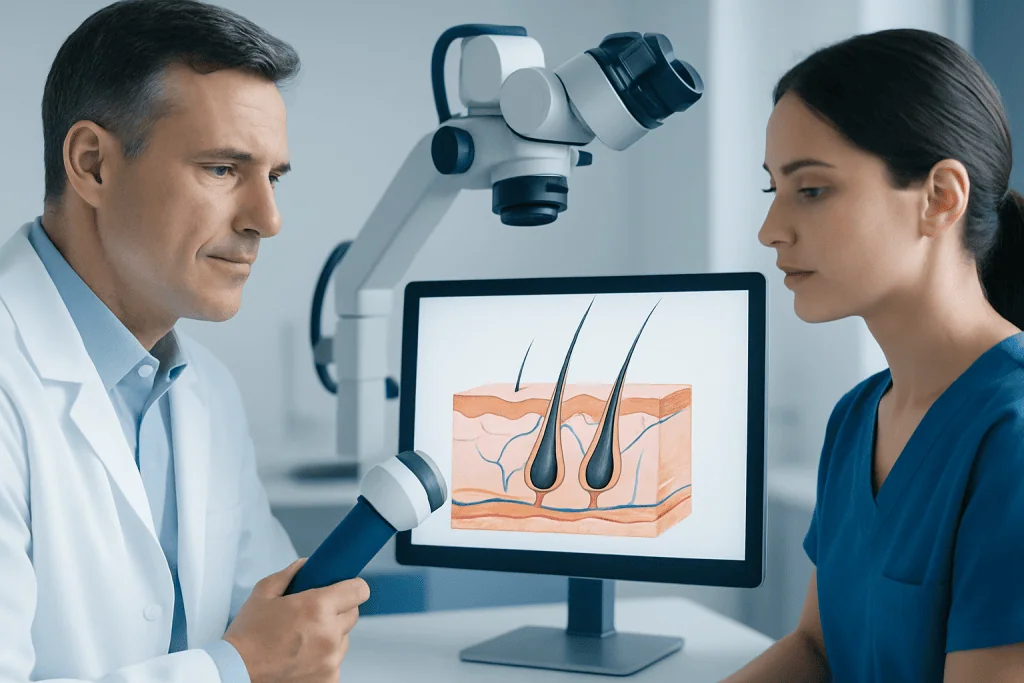
Each hair follicle is a living skin structure that produces and supports a hair shaft. Hair follicles cycle through phases of growth, transition, rest, and shedding.
Key Takeaways
- Each hair follicle is a living skin structure that produces and supports a hair shaft.
- Hair follicles cycle through phases of growth, transition, rest, and shedding.
- Inflammation, hormones, genetics, infection, autoimmune disease, and styling habits can affect follicle health.
- Common follicle-related concerns include thinning hair, folliculitis, ingrown hairs, and scarring hair loss.
- Early medical assessment is especially important if hair loss is sudden, patchy, painful, or associated with scalp scarring.
A hair follicle is a tiny but complex structure in the skin that produces hair and helps regulate the hair growth cycle. Understanding how hair follicles work can make it easier to recognize normal shedding, common scalp problems, and when medical evaluation may help.
Overview: what a hair follicle is
A hair follicle is a small tunnel-like structure in the skin that anchors each hair and produces new hair growth. It is not just a passive opening in the scalp or body surface. Instead, it is an active mini-organ made of specialized skin cells, blood supply, oil-producing glands, and signaling pathways that help control how hair grows, rests, and sheds.
Hair follicles are found almost everywhere on the body except areas such as the palms, soles, and parts of the lips. The scalp contains the highest concentration of large terminal follicles, which produce thicker, pigmented hairs. Other areas may contain finer, softer hairs called vellus hairs. The size, shape, and activity of a follicle influence hair thickness, curl pattern, and growth rate.
Because the follicle sits below the skin surface, many hair problems begin before any visible change appears on the hair shaft itself. For example, inflammation inside the follicle may lead to tenderness, pimples, or shedding. Hormonal or genetic influences may gradually shorten the growth phase, causing thinning over time. This is why a medical overview of the hair follicle focuses not only on hair appearance, but also on the biology underneath.
How the hair follicle is built and how it works
Each hair follicle has several important parts. At the base is the hair bulb, where rapidly dividing cells form the growing hair. Within the bulb sits the dermal papilla, a structure rich in blood vessels and signaling molecules that help regulate hair growth. Surrounding layers of cells shape the hair shaft and guide it upward through the skin.
Attached to the follicle is a sebaceous gland, which produces sebum, the skin’s natural oil. Sebum helps lubricate the hair and nearby skin. A small muscle called the arrector pili can make hair stand up, causing what people describe as goosebumps. Immune cells, nerves, and nearby connective tissue also interact with the follicle, showing that it is closely connected to overall skin health.
The visible hair strand is made mostly of keratin, a structural protein. Although the hair shaft itself is not living tissue, the follicle that creates it is biologically active. Healthy follicles depend on adequate blood flow, balanced hormones, normal immune regulation, and good scalp conditions. Disruption in any of these can affect growth quality, hair density, or scalp comfort.
The hair growth cycle
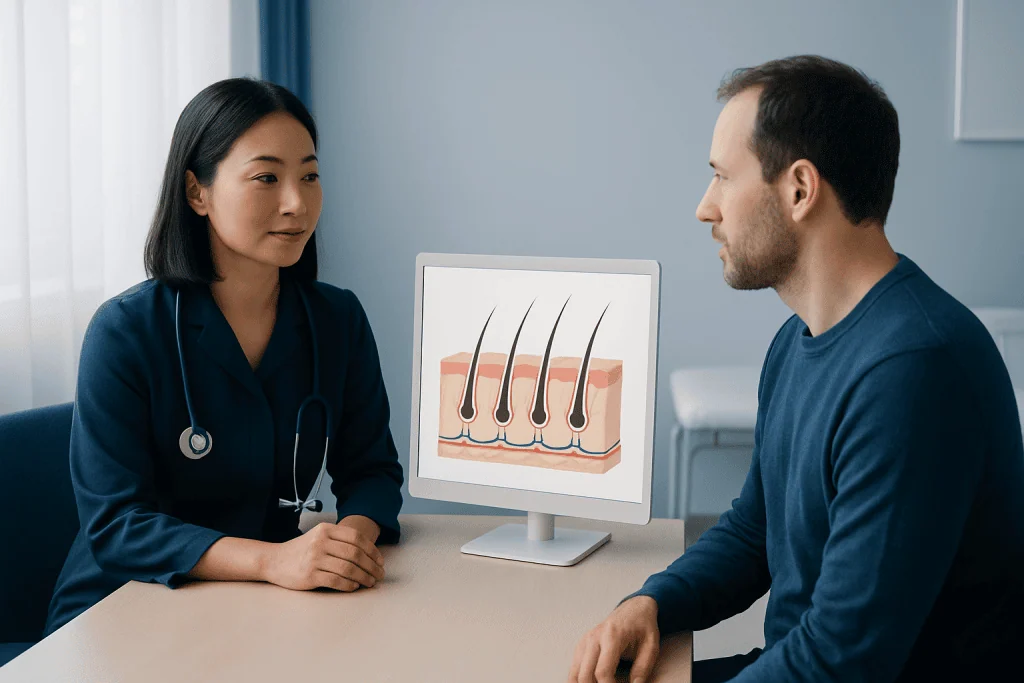
Hair follicles do not produce hair continuously at the same pace. Instead, each follicle moves through a repeating growth cycle. The first and longest phase is anagen, or active growth. On the scalp, this phase can last for years, which is why scalp hair can grow relatively long. The next phase is catagen, a short transition period when growth slows and the follicle begins to shrink.
After catagen comes telogen, the resting phase. During this period, the follicle remains inactive for a time before entering exogen, the shedding phase, when the old hair is released. A new anagen hair then begins to form in the same follicle. Because follicles cycle independently rather than all at once, healthy people normally shed some hair every day without noticeable thinning.
Problems arise when many follicles shift prematurely into the resting or shedding phase, when the growth phase becomes shorter, or when the follicle is damaged by inflammation or scarring. These changes may be seen in conditions such as stress-related shedding, hereditary thinning, or inflammatory scalp disease. Understanding the cycle helps explain why some hair changes appear suddenly while others develop gradually over months or years.
Common hair follicle problems and symptoms
Hair follicle problems can affect the scalp, beard area, face, underarms, trunk, legs, or groin. Symptoms vary depending on the cause. Some people notice increased shedding in the shower or on the pillow. Others develop itching, tenderness, red bumps, pustules, scaling, or ingrown hairs. In some cases, the main concern is gradual thinning or visible widening of the hair part.
Folliculitis is a common example of a follicle disorder. It refers to inflammation of the hair follicle and may be triggered by bacteria, yeast, friction, shaving, sweating, or occlusive skin products. It often looks like small red or pus-filled bumps around hairs and may feel itchy or sore. Recurrent or severe cases may need medical assessment to identify the underlying cause.
Hair loss disorders can also begin at the follicle level. These include hereditary pattern hair loss, sudden shedding after illness or stress, and autoimmune causes such as alopecia areata. Some conditions damage the follicle permanently and lead to scarring hair loss, while others are reversible if the trigger is addressed early. This difference is important because delayed treatment can make regrowth less likely in scarring disorders.
- Possible signs of follicle-related problems include:
- Excessive daily shedding or hair thinning
- Patchy bald areas
- Scalp pain, burning, itching, or tenderness
- Red bumps, pimples, crusting, or pustules around hairs
- Broken hairs or hairs that do not seem to grow normally
- Shiny, scar-like skin where hair no longer grows
Causes and risk factors that affect hair follicles
Many factors can influence follicle health. Genetics play a major role in pattern hair loss, where follicles become smaller over time and produce finer hairs. Hormones also matter, especially androgens, thyroid hormones, and hormonal shifts linked to pregnancy or menopause. Nutritional deficiencies, severe illness, rapid weight loss, fever, and emotional or physical stress may push follicles into a shedding phase.
Inflammation and infection are other common causes. Bacteria, fungi, and yeast can irritate follicles, while chronic skin conditions such as seborrheic dermatitis or psoriasis may affect the scalp environment. Autoimmune disorders can target the follicle directly. Repeated trauma from tight hairstyles, frequent heat styling, harsh chemical treatments, or close shaving can also inflame or weaken follicles over time.
Some medicines may contribute to shedding, and certain medical conditions can make hair changes more likely. Examples include thyroid disease, iron deficiency, polycystic ovary syndrome, and systemic illnesses. In clinical practice, doctors also consider whether body hair, eyebrows, eyelashes, or nails are affected, because this can provide clues about the underlying cause.
When hair loss seems more than expected or the scalp looks inflamed, evaluation may include related conditions such as hair loss and other disorders of the scalp and skin. Identifying the pattern helps guide treatment and can prevent unnecessary delays.
How doctors diagnose hair follicle disorders
Diagnosis starts with a careful history and scalp examination. A doctor may ask when symptoms began, whether shedding is sudden or gradual, and whether there is itching, pain, dandruff, rash, or recent illness. Questions about family history, medications, diet, hair care practices, and hormone-related symptoms can also be important.
During the exam, the scalp and hair shafts are assessed for thinning patterns, broken hairs, inflammation, scaling, scarring, and areas of patchy loss. A pull test may help estimate active shedding. Some specialists use dermoscopy or trichoscopy, a magnified view of the scalp that reveals features not visible to the naked eye. This can help distinguish inflammatory conditions from non-inflammatory hair loss.
Additional tests are sometimes needed. Blood tests may look for iron deficiency, thyroid imbalance, inflammation, or nutritional issues. If infection is suspected, a swab or fungal test may be taken. In selected cases, especially when scarring hair loss is possible, a small scalp biopsy may be recommended. This can clarify whether the follicle is temporarily inactive, miniaturized, infected, or permanently damaged.
In some situations, doctors may recommend imaging or multidisciplinary review if hair changes are part of a broader medical picture. The goal is to identify treatable causes and match therapy to the exact follicle problem rather than treating all hair loss the same way.
Treatment options and supporting follicle health
Treatment depends on the diagnosis. For folliculitis, care may include improving hygiene around the affected area, avoiding friction or close shaving, and using medicines prescribed for bacterial or fungal causes when needed. For inflammatory scalp disease, treatment may aim to reduce irritation and protect the follicle before lasting damage occurs. If a medication, nutritional deficiency, or hormone issue is contributing, addressing that trigger is often an essential part of the plan.
For non-scarring hair loss, doctors may recommend medical therapies designed to prolong the growth phase or reduce the effects of hormones on susceptible follicles. Some people benefit from office-based treatments or combined care with dermatology and endocrinology. When hair loss is stable and suitable for restoration, procedures such as hair transplant may be discussed as an option to improve density in selected patients.
Supportive scalp care also matters. Gentle cleansing, minimizing tight traction, spacing out harsh chemical treatments, and protecting the scalp from sun damage can reduce additional stress on follicles. People who shave may be advised to use careful technique and avoid repeated irritation to lower the risk of ingrown hairs and folliculitis.
If scalp symptoms are persistent or complex, specialist evaluation may help determine whether treatment should focus on infection, inflammation, hormones, nutrition, or restoration. Acibadem International’s multidisciplinary specialists in JCI-accredited hospitals diagnose and treat hair and scalp conditions for international patients, including medical assessment and, when appropriate, PRP or mesotherapy as part of a broader care plan.
Prevention, self-care, and when to seek medical care
Not every hair follicle problem can be prevented, especially when genetics or autoimmune disease are involved. However, everyday habits can support scalp health. A balanced diet, treatment of underlying medical conditions, gentle hair handling, and avoiding unnecessary heat or chemical damage may help preserve follicle function. Managing dandruff or scalp irritation early may also reduce ongoing inflammation.
Self-care should remain practical and moderate. It is usually best to avoid repeatedly switching among many products or using strong home remedies on an irritated scalp. If a person notices ongoing shedding, they may find it helpful to track when it started, whether there was a recent illness or major stress, and whether symptoms involve only the scalp or also the eyebrows, eyelashes, or beard. This information can support a more accurate medical evaluation.
Medical care is advisable if hair loss is sudden, patchy, painful, associated with redness or pus, or accompanied by scarring or shiny skin. A doctor should also assess hair changes linked with fatigue, menstrual changes, weight change, fever, or other systemic symptoms. Early evaluation is especially important when permanent follicle damage is a concern, because timely treatment may help preserve regrowth potential.
Frequently asked questions
What does a hair follicle do?
A hair follicle produces and anchors a hair within the skin. It also helps regulate the hair growth cycle and interacts with oil glands, nerves, blood supply, and immune cells in the surrounding skin.
Can a damaged hair follicle grow hair again?
It depends on the type of damage. If the follicle is temporarily affected by shedding, inflammation, hormones, or illness, regrowth is often possible. If the follicle has been destroyed by scarring, regrowth may be limited or not possible.
Why do hair follicles become inflamed?
Hair follicles can become inflamed because of bacteria, yeast, friction, shaving, ingrown hairs, sweat, or irritating products. In some people, inflammatory skin disorders or autoimmune conditions may also affect the follicle.
Is daily hair shedding normal?
Yes, some daily shedding is a normal part of the hair cycle. Concern usually rises when shedding becomes noticeably heavier, lasts for weeks, causes visible thinning, or is accompanied by scalp symptoms such as pain, itching, or redness.
Can stress affect the hair follicle?
Yes, significant physical or emotional stress can shift more follicles into a resting phase, which may lead to increased shedding a few months later. This type of shedding is often temporary, but a doctor can help rule out other causes if it continues.
When should someone see a doctor about hair follicle problems?
Medical advice is important if hair loss is sudden, patchy, painful, or linked with scalp sores, pus, or scarring. A doctor should also evaluate ongoing shedding or thinning, especially if it follows illness, comes with other symptoms, or affects confidence and daily life.
This article is for general information only and is not a substitute for professional medical advice. Please consult a qualified doctor about your individual situation.
Hair transplant in Turkey — costs, graft counts & a free assessment
JCI-accredited · board-certified surgeons · reply within 24h
Add us as a Preferred Source to see more of our trusted health content across Google Search, AI Overviews and Discover.

More from the Health Library
Skin Tag on Eyelid — Explained by Medical Evidence, Not Myths

Vesicostomy: A Complete Medical Overview

Glucose: An Evidence-Based Guide for Patients

Low Carb and: An Evidence-Based Guide for Patients

Joint Effusion: What Patients Need to Know