Hair Growth: A Complete Medical Overview

Hair grows in repeating phases: growth, transition, rest, and shedding. Changes in hair growth may be linked to genetics, stress, hormones, illness, medications, or nutritional deficiencies.
Key Takeaways
- Hair grows in repeating phases: growth, transition, rest, and shedding.
- Changes in hair growth may be linked to genetics, stress, hormones, illness, medications, or nutritional deficiencies.
- Healthy hair growth starts with a healthy scalp and overall health, not only with hair products.
- Sudden shedding, patchy hair loss, or scalp symptoms should be assessed by a doctor.
- Treatment depends on the cause and may include medical therapy, correcting deficiencies, or procedural options.
Hair growth is a normal biological process shaped by genetics, hormones, nutrition, age, and scalp health. When hair growth slows or shedding increases, a medical evaluation can help identify whether the cause is temporary, treatable, or part of a longer-term condition.
Overview: What Hair Growth Means
Hair growth is the ongoing process in which hair follicles in the scalp produce new hair fibers. In healthy conditions, most scalp hairs are actively growing at any given time, while a smaller number are resting or shedding as part of the normal cycle. Because each follicle works independently, daily shedding is expected and does not always mean a disease is present.
People often think of hair growth only in terms of speed or length, but doctors evaluate it more broadly. They look at hair density, shaft thickness, breakage, scalp condition, and the balance between new growth and shedding. This wider view helps explain why hair may seem thinner even when growth has not fully stopped.
Hair growth also reflects overall health. Hormones, iron stores, protein intake, thyroid function, inflammation, medications, and emotional or physical stress can all influence the follicle. For that reason, noticeable changes in hair growth are best understood as a symptom that may have one or several underlying causes.
How the Hair Growth Cycle Works
Each hair follicle passes through a repeating cycle. The first phase, called anagen, is the active growth phase and can last for years on the scalp. The longer this phase lasts, the longer the hair can grow. Next comes catagen, a short transitional stage in which growth slows and the follicle begins to shrink.
After that, the follicle enters telogen, or the resting phase. At the end of this stage, the hair is shed in the exogen phase, and a new hair begins to grow from the same follicle. Because follicles are in different phases at different times, the scalp usually maintains stable coverage.
Problems can happen when too many hairs shift into the resting and shedding phases at once, when follicles become miniaturized and produce finer hairs, or when inflammation damages the follicle environment. This is why hair growth concerns can present as diffuse shedding, gradual thinning, shorter hairs, widening of the hair part, or patchy loss.
Age can also influence the cycle. Over time, some people notice slower regrowth, finer strands, or reduced density because the active growth phase becomes shorter and the follicles become more sensitive to internal and external factors.
What Affects Hair Growth

Genetics play a major role in hair growth patterns. In many adults, inherited sensitivity to hormones gradually leads to thinner, shorter hairs over time. This common pattern is often called male or female pattern hair loss and may overlap with other causes of shedding. Readers looking for more detail on inherited thinning may also find hair loss helpful.
Hormonal changes are another important factor. Pregnancy, childbirth, menopause, thyroid disorders, and conditions involving androgen imbalance can all affect the hair cycle. When hormones shift, hair may shed more than usual or become visibly thinner, even if the follicles remain alive.
Nutrition matters because growing hair requires energy, protein, iron, zinc, and several vitamins and minerals. Restrictive diets, rapid weight loss, gastrointestinal disease, or chronic illness can reduce the nutrients available to the follicle. In these cases, improving hair growth usually depends on correcting the underlying issue rather than relying only on cosmetic products.
Stress on the body can also interrupt the cycle. High fever, major surgery, severe emotional stress, infection, and some medications may trigger a temporary increase in shedding a few months later. Hair care habits add another layer: frequent bleaching, heat styling, tight hairstyles, and harsh chemical treatments may weaken the hair shaft and cause breakage, which can be mistaken for poor growth.
Common Signs That Hair Growth Has Changed
Changes in hair growth are not limited to obvious bald spots. Many people first notice more hair in the shower drain, on pillows, or in hairbrushes. Others see a wider part line, reduced volume in a ponytail, slower regrowth after a haircut, or shorter, finer hairs around the crown or temples.
Doctors also ask about the scalp itself. Itching, scaling, redness, pain, bumps, or flaking can point to inflammation or infection that interferes with normal growth. In some situations, the scalp may look smooth or shiny in areas where follicles have been damaged, which can suggest a scarring process that needs prompt specialist attention.
Hair texture changes may offer clues as well. Hair that becomes more brittle, dry, or prone to breakage may reflect damage to the shaft rather than a problem with the follicle. Distinguishing breakage from true shedding is important because the causes and treatment plans are different.
- Diffuse shedding across the scalp may occur after stress, illness, or nutritional deficiency.
- Gradual thinning at the crown or temples is more typical of pattern hair loss.
- Round or patchy areas of loss can suggest autoimmune or inflammatory causes.
- Broken hairs of uneven length may point to traction, chemical damage, or grooming-related breakage.
How Doctors Evaluate Hair Growth Problems
A medical evaluation usually begins with a detailed history. The doctor may ask when the change started, whether shedding is sudden or gradual, what medications are being taken, whether there has been recent illness or weight loss, and whether there is a family history of thinning hair. Menstrual history, pregnancy history, and symptoms of thyroid or hormonal imbalance may also be relevant.
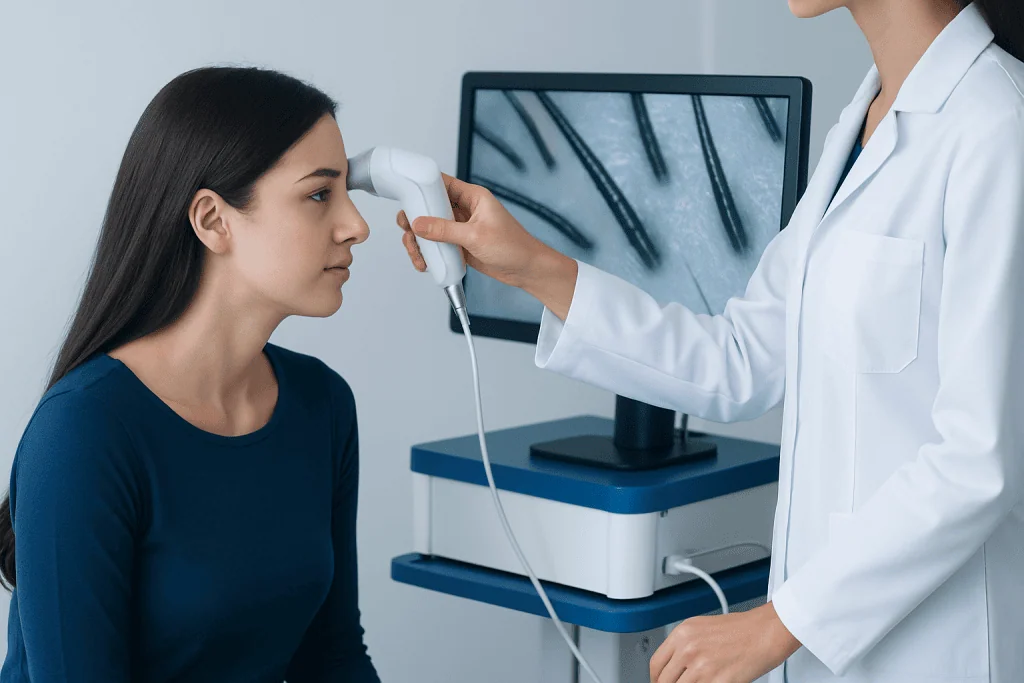
The scalp and hair are then examined closely. A dermatologist may assess hair density, shaft thickness, part width, scalp inflammation, and the pattern of loss. In some cases, simple office tests such as a gentle hair-pull test or magnified scalp examination can help identify whether active shedding or follicle miniaturization is present.
Blood tests may be recommended if a deficiency or medical condition is suspected. These may include tests related to iron status, thyroid function, vitamin levels, or hormone balance, depending on the person’s symptoms and history. If the diagnosis remains unclear, or if scarring hair loss is suspected, a scalp biopsy may sometimes be advised.
The goal of diagnosis is not only to name the problem but also to understand whether the follicles are likely to recover. This helps guide treatment timing and expectations. In some patients, hair begins to regrow once the trigger has passed; in others, ongoing treatment is needed to preserve density and support healthier growth.
Treatment Options to Support Hair Growth
Treatment depends on the cause. If shedding is related to iron deficiency, thyroid disease, poor nutrition, or a medication effect, management focuses first on correcting that issue. When inflammation or scalp disease is involved, medical treatment aims to calm the scalp so follicles can function more normally. If the pattern suggests an autoimmune cause such as alopecia areata, treatment may differ again.
For pattern-related thinning, doctors may recommend evidence-based medical therapies to slow ongoing loss and support regrowth where follicles are still active. These treatments usually take time, and results are assessed over months rather than weeks. Cosmetic routines alone are rarely enough when a medical cause is present, although gentle care can support the process.
Some patients with more advanced or stable hair loss may consider procedural options. In selected cases, hair transplant surgery can redistribute healthy follicles to areas of thinning. Because transplantation does not treat every cause of shedding, it is usually considered after a clear diagnosis and a broader treatment plan have been established.
Doctors may also discuss treatments used alongside medical care depending on the case, such as PRP treatment or supportive scalp therapies. The best plan is individualized and should be based on the diagnosis, degree of loss, scalp health, and the person’s expectations. Acibadem International’s multidisciplinary specialists and JCI-accredited hospitals diagnose and treat hair and scalp conditions for international patients.
Daily Care, Prevention, and Self-care
Not all causes of reduced hair growth can be prevented, especially when genetics are involved. Still, daily habits can protect the scalp and reduce avoidable breakage. Gentle washing, regular scalp cleansing, and choosing products appropriate for the scalp type can help maintain a healthy follicle environment.
Limiting physical and chemical stress on the hair is also important. Tight braids, frequent heat styling, bleaching, relaxers, and harsh brushing can damage the shaft and contribute to breakage. A person who is trying to improve hair growth should focus not only on stimulating follicles but also on preserving the hair that has already grown.
General health measures support the hair cycle as well. A balanced diet with adequate protein and iron, sufficient sleep, stress management, and treatment of medical conditions all contribute to better growth conditions. Supplements should not be started automatically, because taking nutrients that are not needed may be unhelpful or sometimes harmful.
Self-care steps can support, but should not replace, medical evaluation when hair changes are significant. Over-the-counter products may improve appearance or scalp comfort, yet they cannot diagnose whether the real issue is hormonal, nutritional, inflammatory, autoimmune, or hereditary.
When to Seek Medical Care
Medical advice is appropriate when hair growth changes are sudden, persistent, or distressing. A person should arrange an evaluation if there is rapid shedding, patchy loss, visible thinning, a widening part, or regrowth that seems noticeably slower than before. Early assessment is especially important if the scalp is painful, itchy, red, scaly, or scarred.
Care should also be sought when hair changes occur together with fatigue, unexpected weight change, menstrual irregularities, acne, increased facial hair, or other symptoms that may suggest a hormonal or systemic cause. Children with hair loss should be assessed by a clinician, because the causes and treatment approach may differ from those in adults.
Some forms of hair loss are temporary and reversible, while others benefit from early treatment to protect remaining follicles. A qualified doctor, often a dermatologist, can help distinguish normal shedding from a treatable disorder and advise when options such as dermatology care or procedural treatment are appropriate.
Frequently asked questions
How fast does hair usually grow?
Hair growth speed varies from person to person and is influenced by genetics, age, hormones, and overall health. Scalp hair generally grows gradually over time rather than rapidly, so meaningful changes are usually judged over several months.
Is daily hair shedding normal?
Yes, some daily shedding is part of the normal hair cycle. Concern usually arises when shedding increases noticeably, lasts for weeks, or is accompanied by visible thinning, patchy loss, or scalp symptoms.
Can stress affect hair growth?
Yes, physical or emotional stress can shift more hairs into the resting phase, leading to increased shedding later. This type of change is often temporary, but it can take time for the cycle to normalize and for density to improve.
Do vitamins always improve hair growth?
Not necessarily. Vitamins and minerals help only when a true deficiency or increased need is present, so taking supplements without medical advice may not address the real cause. A doctor can help decide whether testing is needed.
What is the difference between hair shedding and hair breakage?
Shedding means the hair comes out from the follicle as part of the growth cycle or because of a medical trigger. Breakage happens when the hair shaft snaps, often due to heat, chemicals, friction, or weakness in the strand itself.
Can hair grow back after thinning or hair loss?
In many cases, yes, especially when the cause is temporary or treatable and the follicles remain healthy. Regrowth depends on the diagnosis, how long the problem has been present, and whether there is permanent damage to the follicles.
References
- American Academy of Dermatology
- National Institutes of Health
- Mayo Clinic
- British Association of Dermatologists
- Cleveland Clinic
This article is for general information only and is not a substitute for professional medical advice. Please consult a qualified doctor about your individual situation.
Hair transplant in Turkey — costs, graft counts & a free assessment
JCI-accredited · board-certified surgeons · reply within 24h
Add us as a Preferred Source to see more of our trusted health content across Google Search, AI Overviews and Discover.
Check your numbers in seconds
BMI, calories, due date, blood pressure and 30+ more clinical calculators — free, instant, doctor-reviewed ranges.

More from the Health Library

Arching: An Evidence-Based Guide for Patients

Emergency Dentist: An Evidence-Based Guide for Patients

Lithotomy: An Evidence-Based Guide for Patients

Keppra: An Evidence-Based Guide for Patients

Emotional Neglect: An Evidence-Based Guide for Patients