Hair Transplant After 1 Week: Timeline, What’s Normal, and Care Tips
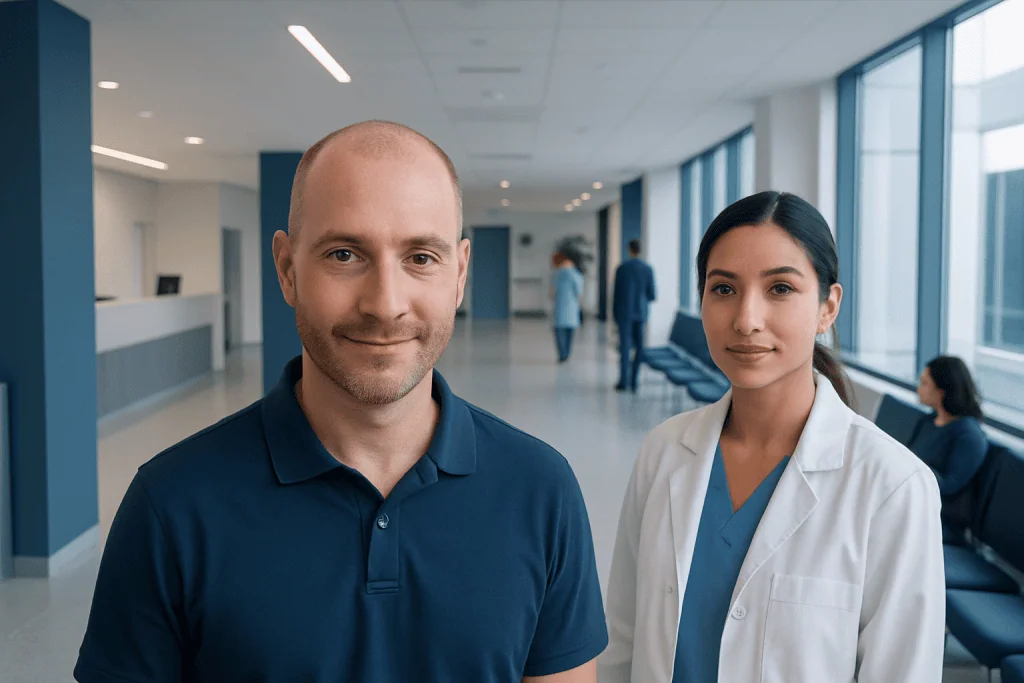
At one week, transplanted grafts are usually becoming more secure, but the scalp is still healing. Mild redness, scabbing, itching, and temporary swelling or numbness can be expected in many patients.
Key Takeaways
- At one week, transplanted grafts are usually becoming more secure, but the scalp is still healing.
- Mild redness, scabbing, itching, and temporary swelling or numbness can be expected in many patients.
- Scratching, rubbing, smoking, heavy exercise, and unapproved products may slow healing or irritate the scalp.
- Shock shedding of transplanted hairs often happens later and does not mean the procedure failed.
- Increasing pain, spreading redness, pus, fever, or a bad smell should be checked by a doctor promptly.
Hair transplant after 1 week is usually a stage of early healing, not a sign of the final result. Mild redness, small scabs, tightness, itching, and a tender scalp can be normal, while careful washing and following the surgeon’s instructions help protect the grafts.
Overview: Hair Transplant After 1 Week
Hair transplant after 1 week usually looks and feels like early recovery rather than a finished cosmetic result. At this point, many people notice small scabs around the grafts, mild redness in the recipient area, some tightness or itching, and sensitivity in both the donor and transplanted areas. These changes are commonly part of normal healing.
By the end of the first week, the newly implanted grafts are generally more secure than they were in the first few days, but the scalp still needs gentle care. The visible appearance can be uneven or patchy, and this is expected. The final outcome develops gradually over several months, not in the first week.
Understanding what is typical at this stage can help reduce unnecessary worry. It also helps patients recognize which symptoms are routine and which deserve medical advice. People considering the procedure more broadly may find it helpful to read about hair transplant and related recovery expectations.
What Is Normal at One Week?
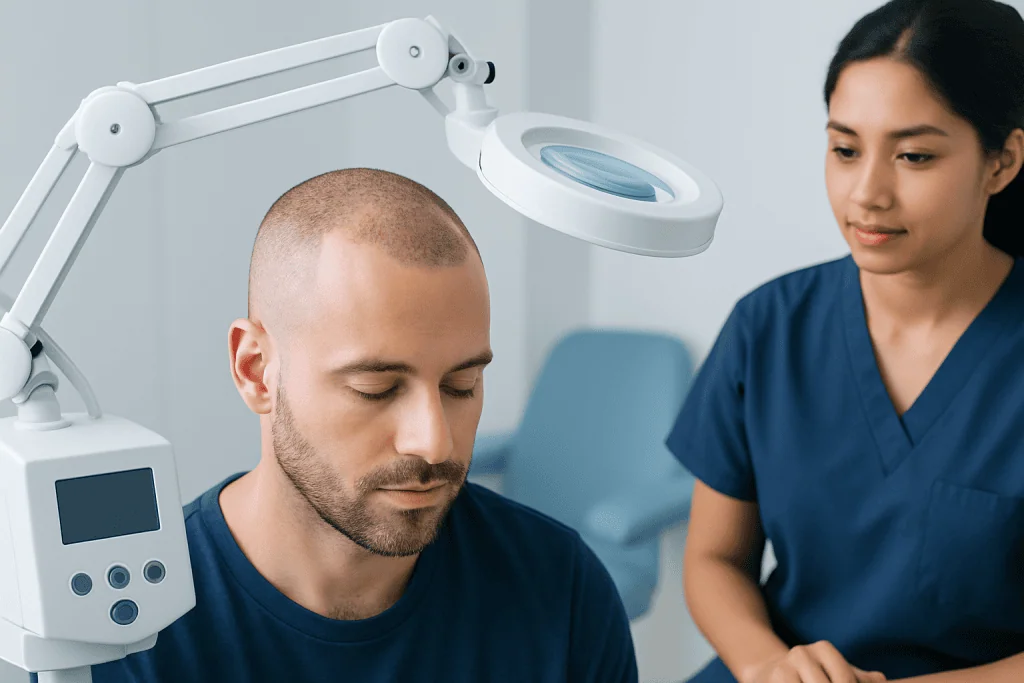
At one week, a range of mild symptoms can be normal. The scalp may still look pink or red, especially in people with fair or sensitive skin. Tiny crusts or scabs often remain around the implanted hairs, and some patients feel itching as the skin heals. Mild tenderness, numbness, or a tight sensation in the donor area can also continue for several days.
Swelling is often most noticeable earlier in recovery, but a small amount may still be present in some people at day seven. The donor area may feel sore when touched, particularly after follicular unit extraction or strip harvesting. Small differences in healing speed are common and can depend on skin type, procedure type, and how closely aftercare instructions are followed.
Common findings after one week may include:
- Small scabs or crusting around grafts
- Mild redness or pinkness of the scalp
- Itching without severe rash
- Light tenderness or tightness
- Temporary numbness in parts of the scalp
- An uneven cosmetic appearance
These early signs do not predict the final density or long-term hair growth. In many patients, the transplanted hairs may later shed before new growth begins, which is a routine part of the recovery timeline rather than a failure of the grafts.
What Is Usually Not Normal?
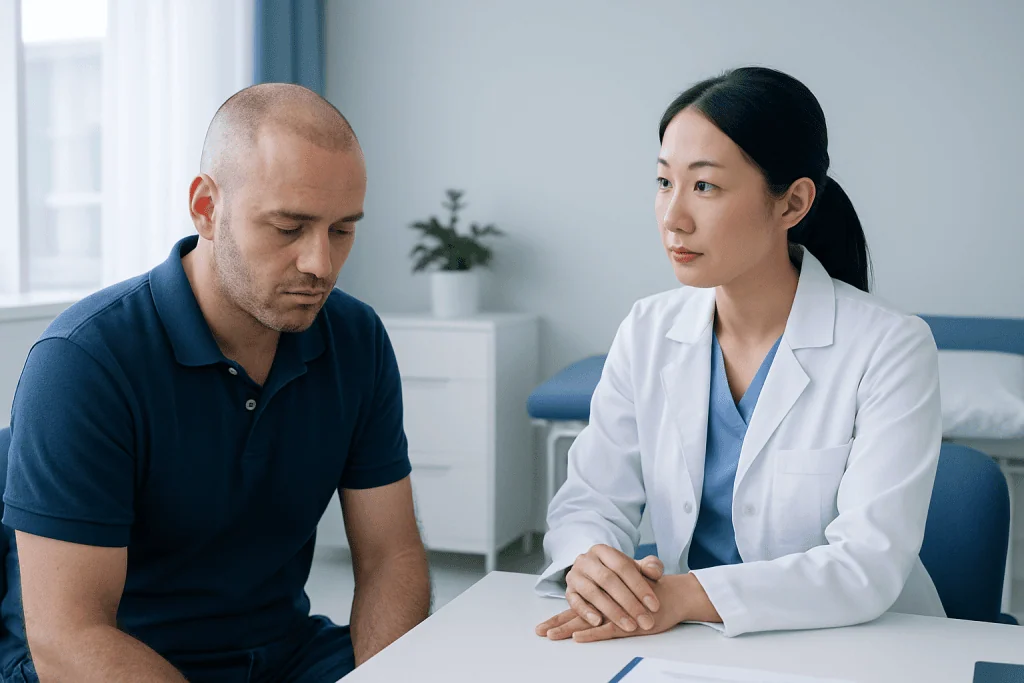
Although some discomfort is expected, worsening symptoms should not be ignored. Increasing pain rather than gradual improvement may suggest irritation, infection, or another complication. Spreading redness, marked warmth, swelling that gets worse after initially improving, or discharge from the scalp should be discussed with the treating team.
Pus, a strong unpleasant odor, fever, or chills are not typical features of simple healing. Significant bleeding after the early postoperative period is also unusual. If a patient accidentally scratches, rubs, or bumps the grafted area and notices heavy bleeding or obvious graft loss, medical advice is appropriate.
Some scalp conditions can also affect healing and comfort. For example, pre-existing dandruff, irritation, or inflammatory scalp disease may make recovery feel more uncomfortable. People with ongoing scalp symptoms may also wish to understand related conditions such as seborrheic dermatitis or alopecia, since diagnosis and treatment can influence long-term scalp health.
Why the Scalp Looks Different at This Stage
The appearance of the scalp after one week reflects the body’s normal wound-healing response. Each graft is placed into a tiny site in the recipient area, and the donor area also needs time to recover. Redness occurs because blood flow increases to support repair, while scabs form as a protective layer over the tiny wounds.
Itching can happen as the skin barrier rebuilds, and temporary numbness may occur because small nerve endings were disturbed during the procedure. The hair shafts that are visible at one week are not a guarantee that the same hairs will continue growing without interruption. In fact, many transplanted hairs enter a resting phase and shed before producing new permanent growth later.
This delayed growth pattern is often called shock shedding. It can be concerning if a person expects immediate improvement, but it is a common part of the process. Patients who want a broader view of how healing develops over time may benefit from learning about the hair transplant recovery process from consultation through regrowth.
Care Tips After 1 Week
At one week, aftercare still matters. Patients should continue following their surgeon’s washing instructions, even if the scalp already looks better. Gentle cleansing helps soften and remove scabs over time without disturbing the grafts. Water should usually be lukewarm rather than hot, and rubbing with the fingertips or nails should be avoided unless specifically advised by the medical team.
Most patients are told to protect the scalp from friction, direct sun exposure, and harsh hair products during early healing. Tight hats, vigorous towel drying, hair dye, styling sprays, and strong shampoos may irritate the scalp. Sleeping with the head slightly elevated may still be recommended for some patients if swelling is lingering.
Helpful self-care habits often include:
- Wash exactly as instructed by the surgeon or transplant team
- Do not pick or scratch scabs
- Avoid smoking if possible, since it may affect healing
- Limit alcohol if the care team has recommended it
- Postpone intense exercise until cleared
- Protect the scalp from sun exposure
- Use only approved lotions, shampoos, or sprays
People who develop persistent scalp irritation after procedures may occasionally need assessment by a dermatologist. In selected cases, supportive care from specialists in dermatology can help address inflammation, itching, or skin sensitivity during recovery.
What Happens Next in the Recovery Timeline?
After the first week, the scalp usually continues to settle over the next several weeks. Scabs gradually come off, redness fades, and tenderness improves. However, the cosmetic appearance may temporarily seem less encouraging before it gets better. This is because transplanted hairs often shed during the first month or two, even when the follicles remain healthy under the skin.
New growth typically begins later, often over several months rather than weeks. Early new hairs may look fine, soft, or uneven at first. Density and texture can continue to mature for many months as the follicles cycle through normal growth phases. This slow pace is expected and is one reason doctors emphasize patience during the recovery period.
Follow-up appointments are useful because they let the surgeon assess healing, answer questions, and identify any treatable issues early. Some patients may also be advised about medical management for ongoing hair loss in non-transplanted areas. This can be relevant when the underlying pattern is related to androgenetic alopecia, which may continue to progress over time.
When to Seek Medical Care
A short period of mild discomfort is common, but patients should contact a qualified doctor if symptoms are getting worse instead of better. Prompt advice is especially important if there is increasing redness, pronounced swelling, severe pain, pus, bleeding, fever, or a foul smell from the scalp. These are not typical features of routine healing and may need assessment.
Medical review is also sensible if a patient is unsure whether washing has been done correctly, if many grafts appear to have been dislodged, or if itching becomes severe enough to interfere with sleep or daily activities. Ongoing concerns are best addressed by the original transplant team when possible, since they know the details of the procedure and aftercare plan.
For patients seeking specialist evaluation, Acibadem International’s multidisciplinary specialists and JCI-accredited hospitals diagnose and treat hair and scalp conditions for international patients. If symptoms are persistent or the recovery course seems unusual, an in-person assessment can help determine whether healing is on track or whether additional care is needed.
Frequently asked questions
Is it normal to still have scabs after a hair transplant at one week?
Yes, small scabs can still be present at one week in many patients. They usually loosen gradually with gentle washing and should not be picked off by hand.
Can the grafts fall out after one week?
By one week, grafts are usually more secure than they were in the first few days. However, the visible hair shafts may later shed as part of normal recovery, which is different from losing the follicle itself.
Why does the scalp still look red after one week?
Redness is a common part of skin healing because blood flow increases in the treated area. It often improves gradually, though it may last longer in some people depending on skin type and sensitivity.
Is itching after one week a bad sign?
Mild itching is often a normal sign of healing. Severe itching, rash, or symptoms that are getting worse should be discussed with a doctor, especially if new products were used on the scalp.
Can someone exercise one week after a hair transplant?
Return to exercise depends on the surgeon’s instructions and the type of activity. Light activity may be allowed in some cases, but strenuous exercise, heavy sweating, and friction to the scalp are often limited for longer.
When do transplanted hairs start to grow after shedding?
New growth usually begins months after the procedure, not immediately after the first week. Early shedding is common, and fuller results typically take much longer to become visible.
References
- American Academy of Dermatology
- International Society of Hair Restoration Surgery
- National Health Service
- Mayo Clinic
- British Association of Dermatologists
This article is for general information only and is not a substitute for professional medical advice. Please consult a qualified doctor about your individual situation.
Hair transplant in Turkey — costs, graft counts & a free assessment
JCI-accredited · board-certified surgeons · reply within 24h
Add us as a Preferred Source to see more of our trusted health content across Google Search, AI Overviews and Discover.

More from the Health Library



Related Specialists
Dt. Salev Zeyrek
Oral & Dental Health
Canberk Altan
Physical Medicine & Rehabilitation
Dr. Ayşe İrem İskenderoğlu
Aesthetic Plastic & Reconstructive Surgery
Gülçin Selen Akgün
Physical Medicine & Rehabilitation