Hair Transplant After 2 Months: Timeline, What’s Normal, and Care Tips
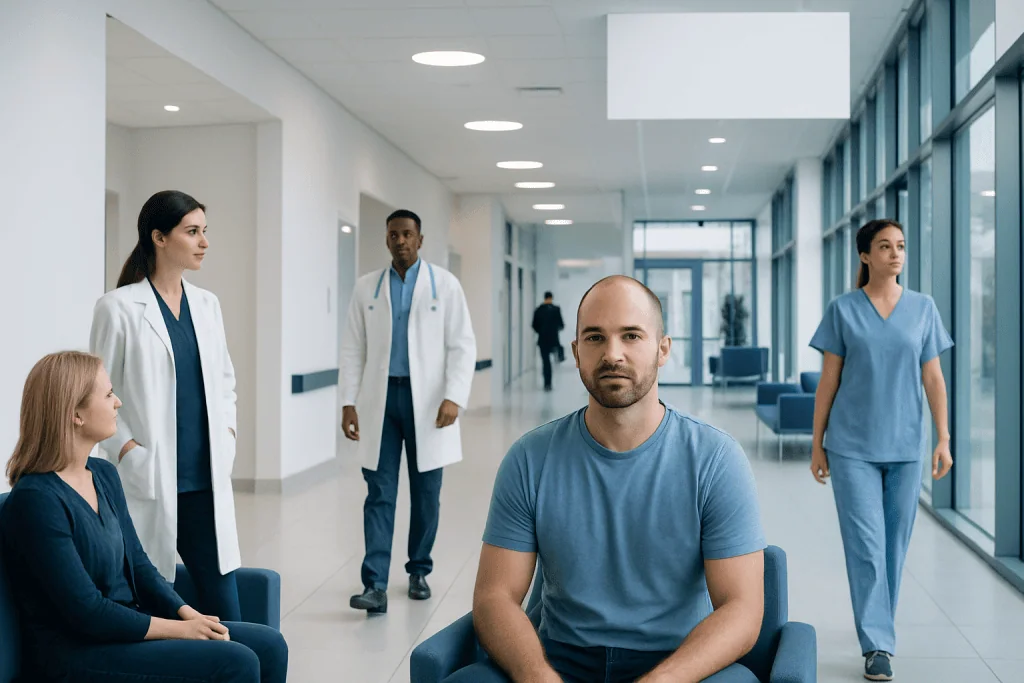
At 2 months, many people have little visible improvement yet, and that can still be normal. Shock loss and shedding of transplanted hairs often occur before steady regrowth begins.
Key Takeaways
- At 2 months, many people have little visible improvement yet, and that can still be normal.
- Shock loss and shedding of transplanted hairs often occur before steady regrowth begins.
- Mild redness, uneven density, and small new hairs can all be part of normal healing.
- Hair growth after transplantation is gradual, with clearer cosmetic change usually taking several more months.
- Persistent pain, spreading redness, discharge, or fever should be assessed by a doctor.
Hair transplant after 2 months is usually a transition phase: most visible shedding has already happened, the scalp is settling, and early new growth may just be starting. Results are still very early at this point, so patience and gentle scalp care remain important.
Overview: what hair transplant after 2 months usually looks like
Hair transplant after 2 months is most often an in-between stage rather than the point when final results are visible. In many patients, the newly transplanted hairs have already shed, the donor and recipient areas look more settled, and the follicles are entering a resting phase before new growth begins. This can make the scalp look similar to how it did before surgery, which is often expected.
By this stage, the scalp is usually much calmer than in the first few weeks. Scabs should be gone, tenderness should be improving, and routine hair washing is generally easier. Some people notice tiny new hairs starting to appear, while others do not see any obvious change yet. Both patterns can be normal depending on the person, the transplant method, and the healing response.
It is also common to feel uncertain at this point, because visible progress is often subtle. A hair transplant follows a slow biological timeline. The follicles need time to recover and re-enter a growth cycle, so the 2-month mark is better understood as early healing and follicle recovery rather than a stage for judging the final cosmetic outcome. People looking for a broader view of the procedure may find it helpful to read about hair transplant treatment.
What is normal at 2 months
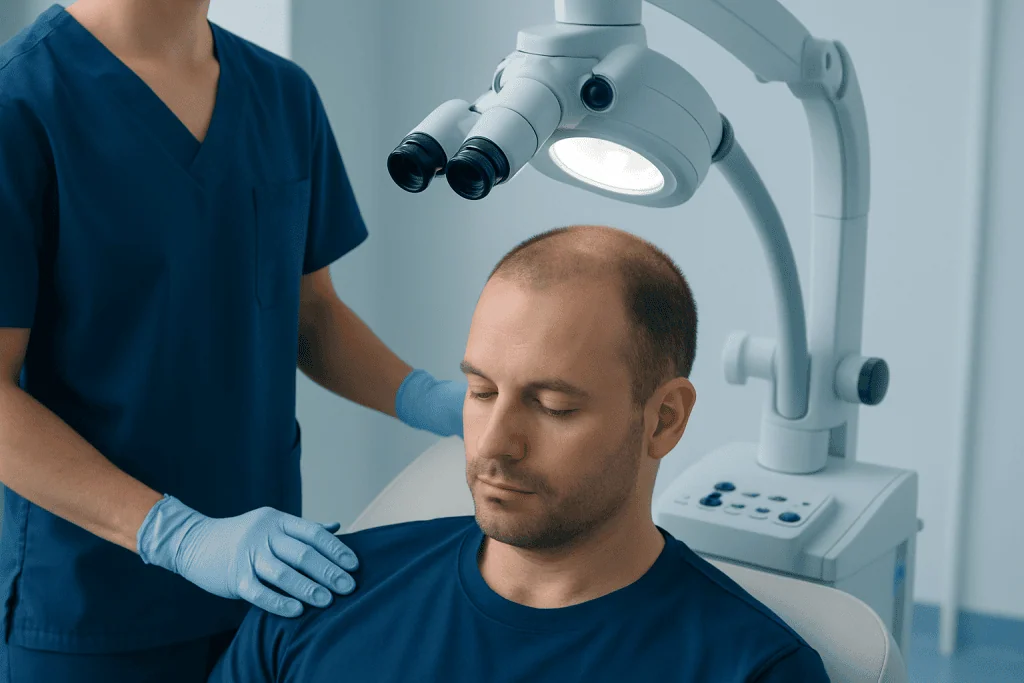
Several changes are considered normal around 2 months after a hair transplant. The most common is limited visible density. Even though the grafts were implanted weeks earlier, the hairs themselves often fall out before new growth begins. This does not usually mean the transplant has failed. In most cases, the follicles remain in place under the skin and continue healing.
Patients may also notice some mild color difference between the treated scalp and nearby skin, especially if the area was recently shaved or naturally sensitive. Slight pinkness can persist longer in some skin types. The donor area, whether from follicular unit extraction or another technique, may still feel a little numb or sensitive, though it should gradually improve.
Other normal features can include:
- Fine, short new hairs beginning to emerge
- Temporary thinning of nearby native hair, sometimes called shock loss
- A texture change in early regrowth, such as hair appearing thin, soft, or irregular at first
- Mild itching or dryness without signs of infection
Because transplanted hair grows in cycles, early regrowth is often uneven. One section may start filling in before another, and the hairline may still look sparse. This stage requires patience, because the process is gradual rather than sudden.
Why shedding and slow growth happen
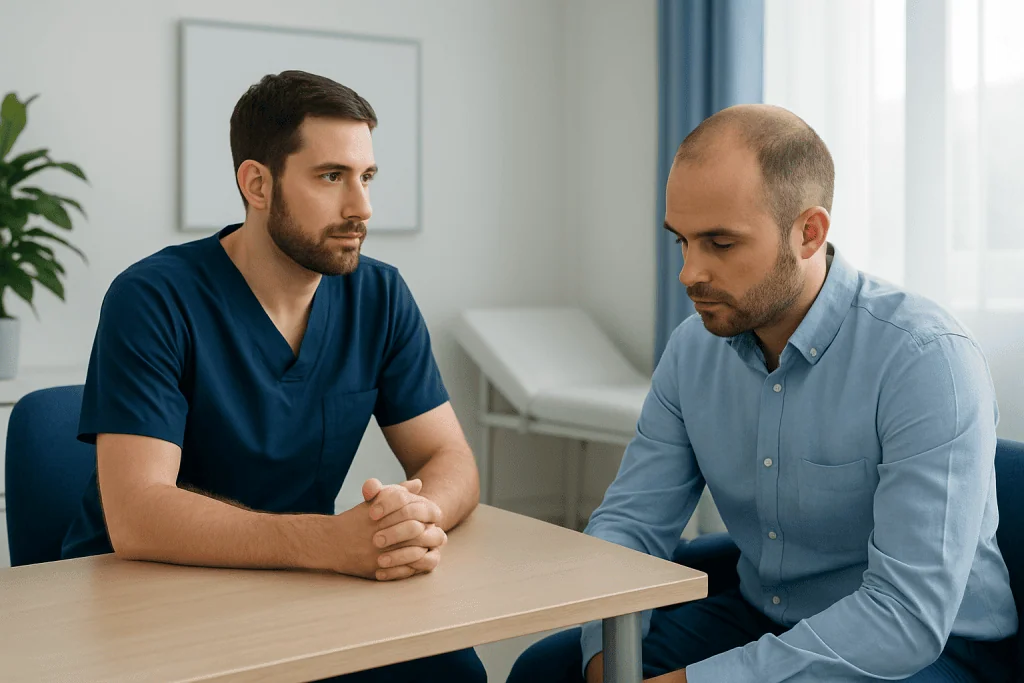
The recovery pattern after a hair transplant reflects how hair follicles behave biologically. During the procedure, follicles are moved from a donor area to a recipient area. Even when the grafts are healthy and successfully implanted, the visible hair shafts often shed after surgery as the follicles respond to the physical stress of transplantation. This temporary shedding is a usual part of the cycle.
After shedding, the follicles generally enter a resting phase before producing new hairs. This is why the second month can feel uneventful. Under the skin, the follicles are still establishing blood supply and recovering, but above the skin there may be little obvious growth. This delay is expected and does not automatically signal a problem.
Some patients also experience shock loss in the surrounding native hair. This means pre-existing hairs near the transplant area may temporarily shed because of the surgical stress or inflammation. Shock loss can be unsettling, but it is often temporary. In people who have progressive pattern hair loss, the difference between normal shedding and ongoing hair loss should be assessed by a qualified specialist during follow-up.
How the scalp and donor area should feel
At 2 months, the scalp should generally feel much more comfortable than it did in the early recovery period. Most people can return to normal hair washing, gentle styling, and ordinary daily activities. A mild sense of tightness, tingling, or altered sensation may still be present, especially in the donor area, but these symptoms usually lessen over time.
The donor zone often looks more healed than the recipient area by this stage, though this can vary. Small extraction sites are typically no longer obvious at close range unless the hair is cut very short. If a strip method was used, the scar line may still be maturing. Scar remodeling continues for months, so the appearance at 2 months is still early.
The scalp should not have increasing pain, warmth, or swelling. There should also not be active bleeding, foul-smelling discharge, or rapidly worsening redness. Mild dryness can happen, but thick crusting this late in recovery is not typical. If symptoms seem to be getting worse instead of better, a medical review is appropriate.
Care tips at the 2-month stage
After 2 months, aftercare usually focuses on protecting the healing scalp and supporting long-term hair health rather than managing immediate post-procedure wounds. Gentle cleansing remains important. Patients should use hair products that do not irritate the scalp and avoid harsh scratching, aggressive exfoliation, or tightly pulling the hair. If the scalp feels dry or sensitive, a doctor may recommend suitable moisturizing or medicated products.
Sun protection is also important. A recently treated scalp can remain sensitive, and excessive sun exposure may worsen irritation or prolong redness. Wearing a loose hat or seeking shade can help when outdoors. Heat-based styling tools, chemical treatments, or very close shaving may still need to be reintroduced gradually, depending on the surgeon’s advice and the condition of the scalp.
General healthy habits support recovery too. These include adequate sleep, a balanced diet, and avoidance of smoking if possible, since smoking can affect circulation and healing. Some patients are also advised to continue medical treatment for underlying pattern baldness, such as therapies commonly used in male pattern baldness or other forms of thinning. Any medication or topical treatment should be used only as directed by the treating doctor.
When clinically appropriate, ongoing treatment plans may include supportive options discussed during follow-up, such as PRP treatment or medical management for scalp and hair conditions. These decisions depend on the original diagnosis, the quality of donor hair, and the patient’s long-term hair loss pattern.
When to seek medical care
Most changes at 2 months are part of normal recovery, but some symptoms should prompt medical advice. A patient should contact a doctor if there is increasing rather than improving pain, redness that spreads, significant swelling, pus, a bad odor from the scalp, or fever. These may suggest infection or another complication that needs assessment.
Medical review is also important if there are persistent open areas, heavy crusting, sudden patchy loss in the donor area, or severe itching with rash. In some cases, these symptoms may relate to irritation, inflammation, folliculitis, or another scalp condition that needs treatment. A clinician may examine whether the issue involves healing, a skin problem, or the natural progression of underlying hair disorders.
If growth expectations are causing concern, follow-up visits can be helpful even when there are no warning signs. The doctor can assess graft survival, the donor site, and whether the timeline is still within the expected range. For patients who need evaluation or treatment planning, Acibadem International’s multidisciplinary specialists in JCI-accredited hospitals provide care for international patients, including assessment of scalp health and options such as hair restoration procedures.
What to expect over the next few months
After the 2-month mark, many patients move into the earliest visible regrowth phase. Small, fine hairs may begin to appear first, often unevenly. This early growth is usually not a sign of the final hair thickness or texture. The hair often becomes stronger, denser, and more coordinated in direction over time.
Noticeable cosmetic improvement commonly develops gradually over the following months rather than all at once. One reason expectations can be difficult at this stage is that online images often focus on later outcomes, while the early months are quieter and less dramatic. The body needs time to move follicles from resting to active growth, and each person progresses at a slightly different pace.
Long-term planning matters because a transplant does not stop future native hair loss. Some individuals may later need medical therapy, monitoring, or additional procedures depending on age, family history, donor supply, and the pattern of thinning. Understanding this broader hair transplant recovery timeline can make the 2-month stage easier to interpret in context.
The most helpful approach is steady follow-up, realistic expectations, and consistent scalp care. At 2 months, the main goal is not to judge the final result, but to confirm that healing is on track and to support healthy regrowth in the months ahead.
Frequently asked questions
Is it normal to see very little hair growth 2 months after a hair transplant?
Yes. At 2 months, many people still see little obvious new growth because the follicles are often in a resting phase after early shedding. Visible improvement usually develops gradually over the following months.
Why does the transplanted hair seem to fall out before growing again?
This shedding is a common part of the hair growth cycle after transplantation. The visible hair shafts may fall out, but the follicles usually remain under the skin and later produce new hairs.
Can the scalp still look pink or uneven after 2 months?
Mild residual pinkness or uneven tone can still be normal, especially in sensitive skin or fair skin types. It should generally improve over time rather than become more intense or inflamed.
Is itching normal 2 months after a hair transplant?
Mild itching can happen as the scalp continues to heal. However, severe itching, rash, pus, or increasing redness should be checked by a doctor to rule out irritation or infection.
Can native hair around the transplant area look thinner at this stage?
Yes. Temporary shock loss can affect nearby existing hairs after surgery, making the area look thinner before regrowth begins. In many cases, this improves with time, but a specialist should review ongoing thinning.
When should someone worry about recovery after 2 months?
Medical advice is important if there is increasing pain, spreading redness, swelling, discharge, fever, or open areas that do not heal. These are not typical signs of routine recovery and deserve prompt assessment.
References
- American Academy of Dermatology
- British Association of Dermatologists
- International Society of Hair Restoration Surgery
- National Health Service
- Mayo Clinic
This article is for general information only and is not a substitute for professional medical advice. Please consult a qualified doctor about your individual situation.
Hair transplant in Turkey — costs, graft counts & a free assessment
JCI-accredited · board-certified surgeons · reply within 24h
Add us as a Preferred Source to see more of our trusted health content across Google Search, AI Overviews and Discover.

More from the Health Library



Related Specialists
Dr. Erkan Adnan Kelebek
Coronary Intensive Care Unit
Asst. Prof. Dr. Kemal Ünal
Gastrointestinal Oncology Unit Clinical Service
Dr. Yelda Başbuğ
Pulmonology
Prof. Dr. Öner Gülcan
Cardiovascular Surgery