Hair Transplant After 2 Weeks: Timeline, What’s Normal, and Care Tips
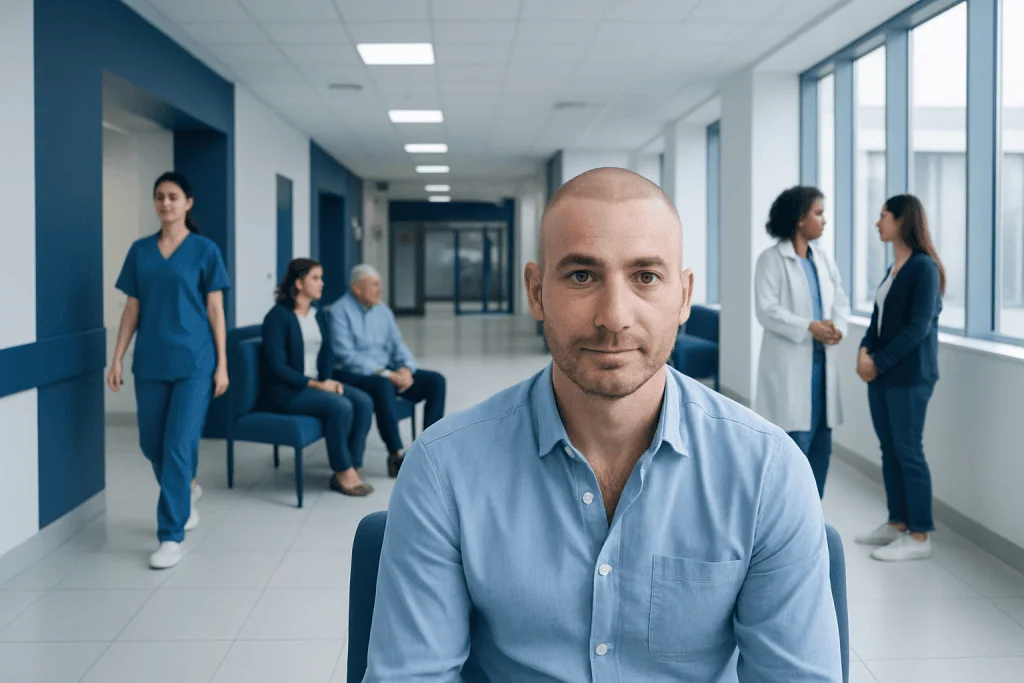
At two weeks, transplanted grafts are typically anchored in place and routine gentle washing is usually possible. Temporary shedding of transplanted hairs after this point is common and does not mean the procedure failed.
Key Takeaways
- At two weeks, transplanted grafts are typically anchored in place and routine gentle washing is usually possible.
- Temporary shedding of transplanted hairs after this point is common and does not mean the procedure failed.
- Mild redness, numbness, itching, or a slightly uneven look can be part of normal healing.
- Patients should still protect the scalp from trauma, sun exposure, and harsh hair products.
- Severe pain, foul-smelling discharge, significant bleeding, or fever are not typical and need medical advice.
Hair transplant after 2 weeks is usually a transition phase: the grafts are generally secure, scabs are mostly gone, and temporary shedding of transplanted hairs may begin. Mild redness, itching, or uneven early growth can still be normal, but worsening pain, spreading swelling, pus, or fever should be checked by a doctor.
Overview: What hair transplant after 2 weeks usually looks like
Hair transplant after 2 weeks is often a reassuring stage in recovery. For many patients, the scalp looks calmer than it did in the first several days, most crusting has resolved, and the transplanted grafts are usually settled into the skin. Although the area may not look fully “healed,” this point generally marks the shift from immediate wound healing to early follicle recovery.
It is also important to know that appearance and growth are not the same thing. At two weeks, the follicles are still resting beneath the skin even if some visible hairs remain. Some patients expect obvious new growth by this time, but that is usually too early. The scalp may still look pink, slightly dry, or patchy, and these changes often improve gradually.
Many people notice that the transplanted hairs begin to loosen or shed soon after this stage. This can feel discouraging, but it is commonly part of the normal cycle. The follicle stays in place under the scalp and may begin producing new hair over the following months. Patients considering long-term expectations may also find it helpful to read about hair transplant treatment, the broader causes of hair loss, and the expected hair transplant recovery timeline.
What is normal at 2 weeks
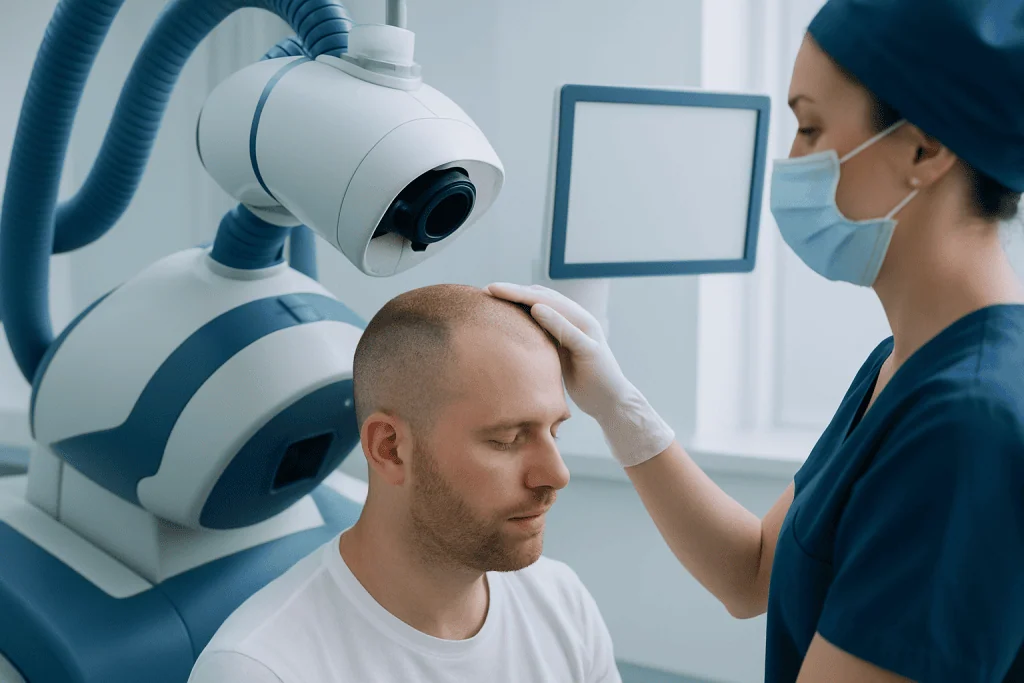
By the two-week mark, several changes can still fall within the normal healing range. Mild redness in the recipient area, light itching, temporary numbness, and a sensation of tightness are common for some patients. The donor area may also remain mildly tender or feel different to the touch, especially after follicular unit extraction or other harvesting techniques.
Scabs are usually gone or nearly gone by this stage, especially if post-procedure washing instructions have been followed. A few small flakes of dry skin may remain. The transplanted area can look uneven because some hairs stay in place while others start to shed. This temporary irregular look does not predict the final result.
Patients may also notice small pimples or bumps later in the healing process as new hairs prepare to emerge, though these are more common after the second week. Texture changes in the scalp, including dryness or sensitivity, can continue for a while. As long as symptoms are slowly improving and there are no signs of infection or active bleeding, these findings are often part of normal recovery.
- Mild pinkness or redness
- Light itching or dryness
- Some numbness or altered sensation
- Early shedding of transplanted hairs
- A patchy or uneven cosmetic appearance
What shedding means after a hair transplant

One of the most common concerns about hair transplant after 2 weeks is sudden shedding. In many cases, this is expected. The visible hair shaft may fall out while the transplanted follicle remains alive underneath the skin. This process is often called shock shedding or post-transplant shedding and is part of the normal hair cycle for many patients.
The reason shedding can be confusing is that the scalp may briefly look less full than it did immediately after the procedure. This does not usually mean the grafts were lost. The roots are generally protected beneath the skin by this stage, and new growth often begins gradually over the next few months. Final density and texture take much longer to assess than two weeks.
Shedding may affect both transplanted hair and some nearby existing hairs. This temporary change can be more noticeable in people who already have ongoing thinning, such as patterned male pattern baldness. A qualified specialist can explain whether the observed shedding fits the expected timeline and whether additional long-term planning is needed.
Care tips for the scalp after 2 weeks
After two weeks, scalp care usually becomes easier, but it still needs a gentle approach. Most patients can continue regular washing with a mild shampoo, using fingertips rather than nails and avoiding forceful rubbing. Very hot water, harsh styling products, and aggressive brushing should still be avoided unless the treating doctor advises otherwise.
Sun protection remains especially important. A healing scalp can be more sensitive to ultraviolet exposure, and sunburn may worsen redness or discomfort. Patients should avoid prolonged direct sun and follow their surgeon’s advice about when hats or other covering are safe to use. Swimming pools, seawater, saunas, and steam rooms may still be restricted in some cases depending on healing progress.
Physical activity can often be increased gradually, but contact sports, activities with risk of scalp impact, and anything that causes repeated friction on the treated areas should still be approached carefully. If the care plan includes medications, lotions, or supportive therapies, they should be used exactly as directed. Some patients may later discuss options such as PRP for hair support or evaluation for related scalp concerns, but any additional treatment should be personalized.
- Wash gently with approved products
- Avoid scratching or picking the scalp
- Protect the scalp from direct sun
- Be cautious with hats, helmets, and exercise
- Follow the surgeon’s aftercare plan closely
What can slow healing or affect results
Healing after a hair transplant is influenced by more than the procedure itself. Smoking, poor adherence to aftercare instructions, repeated touching or scratching of the scalp, and early return to high-friction activities may all interfere with recovery. In some patients, delayed healing is linked to chronic conditions such as diabetes, inflammatory skin disease, or circulation-related issues.
Scalp inflammation can also affect comfort and appearance. Pre-existing dandruff, seborrheic dermatitis, or other skin conditions may become more noticeable during recovery because the scalp is sensitive and routine hair care has temporarily changed. If flaking, itching, or redness persists, a clinician may need to rule out conditions such as seborrheic dermatitis rather than assuming all symptoms are due to the transplant alone.
Technique, donor hair quality, and the pattern of underlying hair loss also shape the final outcome. Two weeks is too early to judge density, direction, or long-term survival of grafts. Patients who remain concerned should document progress with photos in similar lighting and discuss changes at their scheduled follow-up rather than relying on day-to-day visual impressions.
When to seek medical care
Although some discomfort and visible healing changes are expected, certain symptoms are not typical at two weeks and should prompt medical advice. Worsening pain instead of gradual improvement, increasing swelling, spreading redness, warmth, pus, or a bad odor from the scalp may suggest infection or another complication. Fever or feeling generally unwell should also be assessed promptly.
Ongoing bleeding, sudden opening of the treated skin, or clear signs of trauma to the graft area should be reviewed as well. Patients should not try to remove suspected infected crusts or apply unapproved creams at home. If there is uncertainty, it is safer to contact the treating team for guidance than to guess.
Medical review is also useful when symptoms are not severe but remain persistent, such as prolonged intense itching, delayed scab clearance, new rash, or significant anxiety about the appearance of the donor or recipient area. A clinician can determine whether healing is within the expected range and whether any targeted treatment is needed.
Follow-up, longer-term expectations, and support
The two-week point is only an early checkpoint in a much longer process. Most visible cosmetic improvement happens over several months, not days. During follow-up visits, the surgeon or dermatologist may assess graft survival, donor area healing, scalp health, and the pattern of any ongoing native hair loss. This helps set realistic expectations and identify whether supportive treatment may help preserve surrounding hair.
Patients should continue taking progress photos monthly rather than checking the scalp constantly. Daily observation can make normal fluctuations seem more dramatic. A structured follow-up plan is usually more helpful than trying to judge success too early. Where appropriate, doctors may discuss additional strategies, including medical hair-loss management or future restorative planning if thinning continues.
For international patients who need specialist evaluation, Acibadem International’s multidisciplinary teams in JCI-accredited hospitals diagnose and treat hair and scalp conditions, including assessment for hair restoration procedures and related dermatologic care. The most important step is to seek advice from a qualified clinician who can interpret healing in the context of the individual procedure and scalp condition.
Frequently asked questions
Are hair grafts secure after 2 weeks?
In most cases, yes. By around two weeks, transplanted grafts are generally anchored in the scalp, but the area should still be treated gently and according to the surgeon’s instructions.
Is it normal for transplanted hair to fall out after 2 weeks?
Yes, temporary shedding is common after a hair transplant. The visible hairs may fall out while the follicles remain under the skin and later begin growing new hair.
Why does my scalp still look red after 2 weeks?
Mild redness can still be normal at this stage, especially in people with sensitive or lighter skin tones. It should gradually improve rather than become more intense or spread.
Can someone exercise normally 2 weeks after a hair transplant?
Many patients can gradually return to more routine activity around this time, but the exact timing depends on the procedure and healing progress. Contact sports, friction, heavy sweating, and any activity that could injure the scalp should be discussed with the treating doctor.
Can the scalp be washed normally after 2 weeks?
Gentle washing is usually possible by this point, often with mild shampoo and light fingertip pressure. Harsh scrubbing, scratching, or strong styling products should still be avoided unless the doctor says otherwise.
What signs after 2 weeks are not normal?
Severe or worsening pain, increasing swelling, pus, foul odor, active bleeding, or fever are not typical recovery signs. These symptoms should be assessed by a qualified medical professional promptly.
References
- American Academy of Dermatology
- International Society of Hair Restoration Surgery
- National Health Service
- British Association of Dermatologists
This article is for general information only and is not a substitute for professional medical advice. Please consult a qualified doctor about your individual situation.
Hair transplant in Turkey — costs, graft counts & a free assessment
JCI-accredited · board-certified surgeons · reply within 24h
Add us as a Preferred Source to see more of our trusted health content across Google Search, AI Overviews and Discover.