

Hair Transplant After 3 Days: Timeline, What’s Normal, and Care Tips
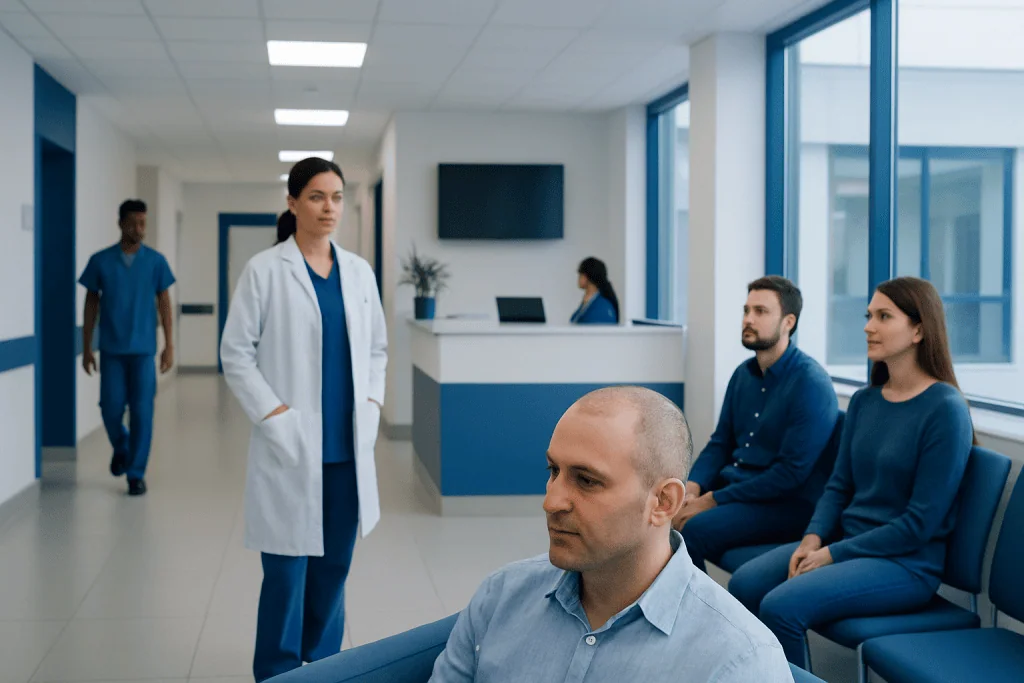
At day 3, mild swelling, redness, tightness, itching, and small scabs are often expected. The transplanted grafts are still healing, so rubbing, scratching, and heavy activity should be avoided.
Key Takeaways
- At day 3, mild swelling, redness, tightness, itching, and small scabs are often expected.
- The transplanted grafts are still healing, so rubbing, scratching, and heavy activity should be avoided.
- Gentle washing exactly as instructed by the surgical team helps protect grafts and keep the scalp clean.
- Severe pain, spreading redness, pus, fever, or bleeding should be assessed by a doctor.
- Visible shedding later on can be part of the normal hair transplant recovery process.
Hair transplant after 3 days is usually a period of early healing, when mild redness, swelling, scabbing, and tenderness can still be normal. Most people do not need to worry if the grafts look crusted or the scalp feels sensitive, but careful aftercare remains important.
Overview: What Is Normal 3 Days After a Hair Transplant?
Hair transplant after 3 days is usually an early healing stage, not the final cosmetic result. At this point, many people notice mild swelling of the forehead, redness in the donor or recipient areas, small scabs around each graft, and a tender or tight feeling on the scalp. These changes are commonly part of normal recovery.
The main goal on day 3 is to protect the newly placed grafts while allowing the skin to heal. The transplanted follicles are still settling into the scalp, so even routine actions such as washing, sleeping, or putting on clothing over the head should be done with care. Appearance can look more dramatic than it feels, which often causes unnecessary worry.
People often expect the area to look smooth quickly, but healing after a transplant is gradual. Tiny crusts, patchy redness, and a slightly uneven look are typical in the first several days. For a broader look at the procedure itself, readers may find hair transplant treatment helpful, and for the wider healing process, hair transplant recovery timeline can give useful context.
Common Symptoms on Day 3
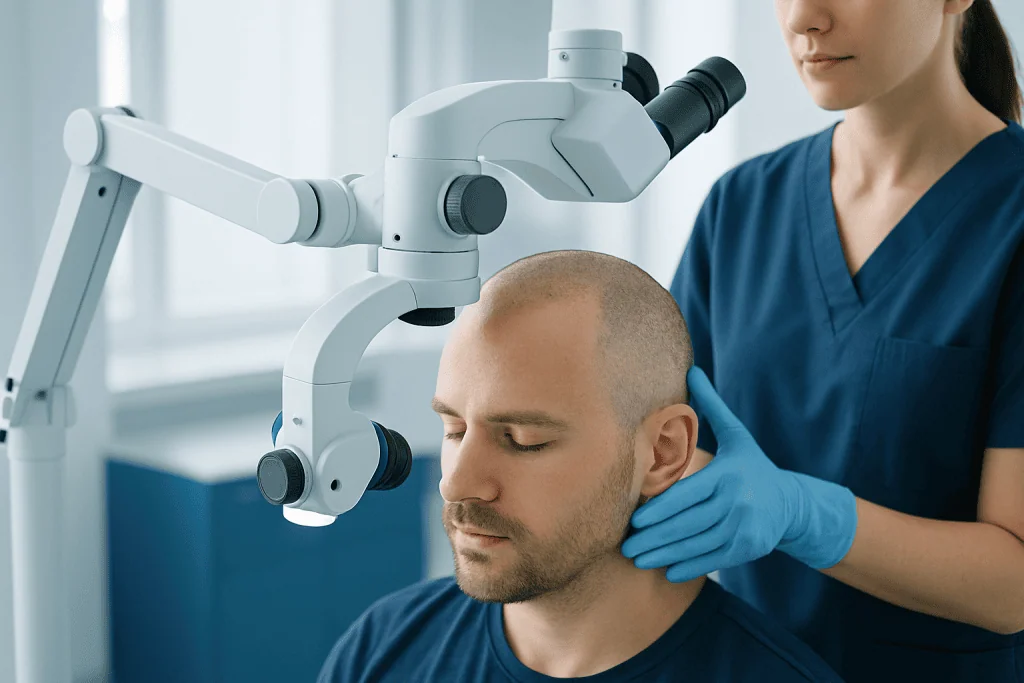
Several symptoms can be normal three days after the procedure. The scalp may feel sore, itchy, numb, or unusually sensitive. Some people notice mild forehead swelling that seems to move downward due to gravity, especially in the morning. Small pinpoint scabs around each graft are also common and usually mean the skin is sealing itself.
Redness can appear in both the recipient area, where follicles were placed, and the donor area, where follicles were taken. The degree of redness varies depending on skin type, shaving, technique used, and individual healing. Some people heal with only faint pinkness, while others remain visibly red for longer without it meaning anything is wrong.
Normal day-3 findings may include:
- Small crusts or scabs around grafts
- Mild swelling of the forehead or scalp
- Tightness, tenderness, or mild discomfort
- Itching as the skin begins to heal
- Temporary numbness in donor or recipient areas
- Light spotting on a pillow or during washing
What matters most is the overall pattern. Symptoms that stay mild or slowly improve are usually reassuring. Symptoms that become steadily more painful, more swollen, or more inflamed deserve medical advice.
Why the Scalp Looks This Way at Day 3
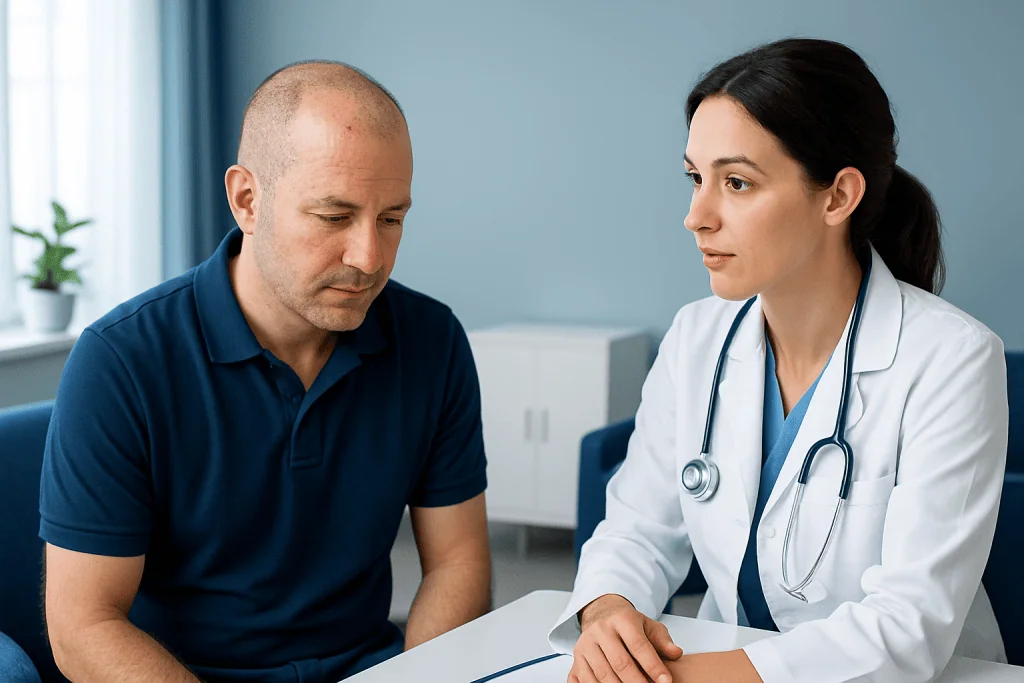
A hair transplant creates many tiny controlled wounds in the scalp, both where grafts are removed and where they are inserted. The body responds with inflammation, clotting, and skin repair. This healing response explains the redness, crusting, and sensitivity seen in the first days after surgery.
Scabs form because small amounts of blood and tissue fluid dry around each graft. These crusts are usually protective and should not be picked off. Swelling happens because fluid shifts into the surrounding tissues after the procedure. It may be more visible on the forehead than the scalp itself, which can look surprising but is often expected.
The appearance also depends on the transplant method and the number of grafts placed. Some patients who are comparing their progress with others may worry that they are behind, but healing speed varies. Differences in skin type, scalp oiliness, tendency to swell, smoking, sun exposure, and adherence to aftercare can all affect what day 3 looks like.
Care Tips for Hair Transplant After 3 Days
Day-3 aftercare focuses on cleanliness, protection, and avoiding trauma to the grafts. Washing should be done only as advised by the treating team. In many cases, this means using a gentle technique with lukewarm water and a mild product, avoiding direct pressure from the shower, and patting rather than rubbing the scalp. If the surgeon has provided a specific washing schedule, that schedule should take priority.
Sleeping with the head elevated may still help reduce swelling. It is also sensible to avoid hats unless the medical team has said they are safe to use. Clothing that pulls tightly over the head can accidentally brush the grafts, so button-front or zip-front garments are often easier in the first days.
Useful day-3 self-care habits include:
- Follow the prescribed washing method exactly
- Do not scratch, pick, or massage the grafts unless instructed
- Avoid smoking and alcohol if the doctor recommends it
- Stay out of direct sun and avoid heat exposure
- Postpone strenuous exercise, heavy lifting, and swimming
- Take only the medications approved by the surgical team
People who have questions about expected healing milestones may also want to review hair transplant graft counts and Norwood stages, which can help place the procedure and its goals in a broader hair restoration plan.
What to Avoid So the Grafts Stay Secure
Although the grafts are becoming more stable by day 3, they are not ready for rough handling. The most common avoidable problems at this stage come from friction, pressure, sweating, and unapproved products. Vigorous washing, scratching because of itching, or trying to remove scabs too early can disturb the healing skin.
It is generally best to avoid gym workouts, running, bending repeatedly, saunas, steam rooms, and swimming pools until a doctor says they are safe. Excess sweating can irritate the scalp, and pool or sea water may expose the healing skin to substances that are not ideal during early recovery. Hair fibers, sprays, gels, dye, or camouflage products should also wait until the scalp has healed sufficiently.
Travelers and busy professionals sometimes feel tempted to return to a full routine immediately. However, a few extra days of caution can help reduce irritation and support better healing. If any instruction from a general source conflicts with the surgeon’s own advice, the surgeon’s aftercare plan should come first.
When to Seek Medical Care
Most day-3 symptoms are mild and manageable, but some changes should not be ignored. A doctor should be contacted if pain becomes severe, swelling is rapidly worsening, bleeding does not stop with gentle pressure, or the scalp develops pus, a foul smell, or spreading warmth and redness. Fever or feeling generally unwell may also suggest that medical assessment is needed.
It is also sensible to ask for advice if there is concern that multiple grafts were accidentally dislodged, if there is an allergic reaction to medicines or dressings, or if numbness is getting worse rather than improving. While minor spotting and sensitivity can be expected, progressive inflammation is different from normal healing.
Prompt communication with the treating team is the safest approach because they know the exact method used and the aftercare plan given. Near the end of recovery planning, some international patients choose centers such as Acibadem International, where multidisciplinary specialists in JCI-accredited hospitals diagnose and treat hair loss and perform restorative procedures with structured follow-up.
What Happens Next in the Recovery Timeline
Three days after the procedure is still very early. Over the next one to two weeks, scabs usually loosen and fall away gradually with appropriate washing. Redness and tenderness often improve, though the pace varies from person to person. The scalp generally begins to look less inflamed before it begins to look fuller.
Later, many transplanted hairs shed before new growth starts. This phase can be unsettling, but it is often part of the normal cycle after transplantation. New growth typically takes time, and visible improvement usually develops over months rather than days. Day 3 is therefore better understood as a healing checkpoint than as a sign of the final result.
For the best outcome, follow the aftercare instructions closely, attend all recommended reviews, and ask questions if anything feels unclear. Patience is an important part of the process, because the scalp may heal quickly while the cosmetic result continues to evolve slowly.
Frequently asked questions
Is it normal to have scabs 3 days after a hair transplant?
Yes, small scabs around the grafts are commonly seen at day 3. They usually form as part of normal skin healing and should not be picked off.
Can grafts fall out after 3 days?
The grafts are more secure than they were immediately after surgery, but they can still be disturbed by rubbing, scratching, or trauma. That is why careful washing and avoiding friction remain important.
Why is my forehead swollen but not the transplant area?
Fluid can move downward from the scalp into the forehead because of gravity. This can look concerning, but mild swelling in this area is often expected in the first days after a hair transplant.
Should I wash my hair on day 3 after a hair transplant?
Many patients are told to start or continue gentle washing around this time, but the exact timing and method depend on the surgeon's instructions. The safest approach is to follow the aftercare plan given by the treating team.
Is redness after 3 days a sign of infection?
Not usually. Mild redness is common after a hair transplant, especially in the recipient area, but redness that is spreading, very painful, hot, or associated with pus or fever should be checked by a doctor.
Can I exercise 3 days after a hair transplant?
Heavy exercise is often postponed in the early recovery period because sweating, friction, and increased blood flow may irritate the scalp. A doctor can advise when light activity and full exercise are safe again.
Will the transplanted hair look better right after the scabs come off?
The scalp may look cleaner once scabs clear, but this is not the final result. Transplanted hairs often shed before new growth begins, and fuller cosmetic improvement usually takes several months.
References
- American Academy of Dermatology
- International Society of Hair Restoration Surgery
- National Health Service
- Mayo Clinic
- American Society of Plastic Surgeons
This article is for general information only and is not a substitute for professional medical advice. Please consult a qualified doctor about your individual situation.
Hair transplant in Turkey — costs, graft counts & a free assessment
JCI-accredited · board-certified surgeons · reply within 24h
Add us as a Preferred Source to see more of our trusted health content across Google Search, AI Overviews and Discover.

More from the Health Library



Related Specialists
Prof. Dr. Orhan Baransu
Dermatology
Dr. Hüseyin Hüsni Gönençer
Anesthesiology
Dr. Erkan Adnan Kelebek
Coronary Intensive Care Unit
Dr. Adnan Abbasoğlu
Orthopedic Surgery & Traumatology