Hair Transplant Recovery: Timeline, Shedding Phase, and Aftercare Tips

Hair transplant recovery happens in stages, from scalp healing in the first days to visible regrowth over months. Temporary shedding of transplanted hairs is common and usually does not mean the procedure failed.
Key Takeaways
- Hair transplant recovery happens in stages, from scalp healing in the first days to visible regrowth over months.
- Temporary shedding of transplanted hairs is common and usually does not mean the procedure failed.
- Gentle washing, scalp protection, and avoiding trauma to the grafts are important in the early recovery period.
- Full results usually take time, often becoming clearer between 9 and 12 months or longer.
- A doctor should review severe pain, spreading redness, drainage, fever, or sudden swelling.
Hair transplant recovery follows a predictable pattern that includes early healing, temporary shedding, and gradual new hair growth over several months. Knowing what to expect and following aftercare instructions can help support healing and improve comfort during recovery.
Overview of Hair Transplant Recovery
Hair transplant recovery is the healing period after transplanted hair follicles are placed into thinning or balding areas of the scalp. The process varies from person to person, but most people move through a similar pattern: mild scalp tenderness and scabbing in the first days, temporary shedding in the first weeks, and gradual new growth over the following months.
It is helpful to remember that the appearance of the scalp shortly after the procedure is not the final result. Redness, small crusts, and uneven early growth can be part of normal healing. Because transplanted follicles need time to settle, rest, and restart their growth cycle, patience is an important part of recovery.
Hair transplantation may be performed using different techniques, such as follicular unit extraction or follicular unit transplantation. Although aftercare details can differ slightly depending on the method used and the size of the session, the overall recovery timeline is broadly similar. People considering the procedure often benefit from learning about hair transplant treatment in advance so they know what to expect afterward.
Typical Recovery Timeline: From the First Day to One Year
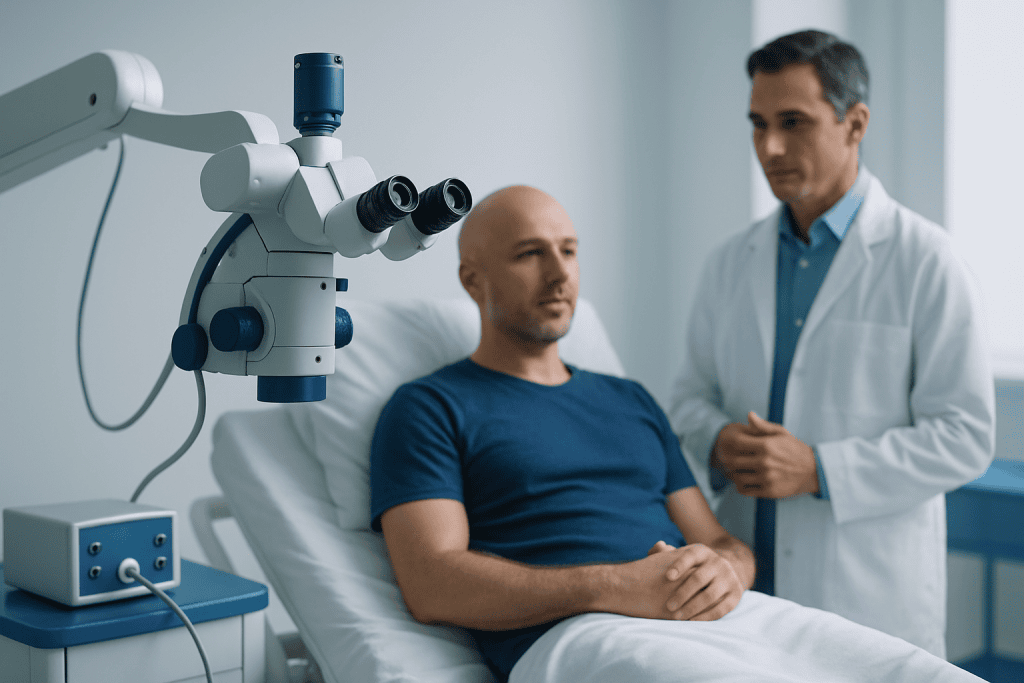
During the first 24 to 72 hours, the scalp may feel tender, tight, or mildly swollen. Tiny scabs usually form around the transplanted grafts, and the donor area may also feel sore. Most people are advised to sleep with the head elevated for several nights and to avoid rubbing, scratching, or putting pressure on the scalp.
In the first 7 to 14 days, crusts generally begin to loosen and fall away. Many people can gradually return to desk work and light daily activities within a few days, depending on their doctor’s advice. However, strenuous exercise, heavy sweating, swimming, and direct sun exposure are usually limited during this early stage to protect the grafts and reduce irritation.
Between 2 and 8 weeks, the transplanted hairs often enter a resting phase and shed. This can be surprising, but it is usually expected. New growth often begins around months 3 to 4, then slowly becomes thicker and more noticeable over months 6 to 9. Final or near-final results are often assessed around 9 to 12 months, and for some people, especially when the crown is treated, improvement may continue beyond that point.
The Shedding Phase: Why It Happens
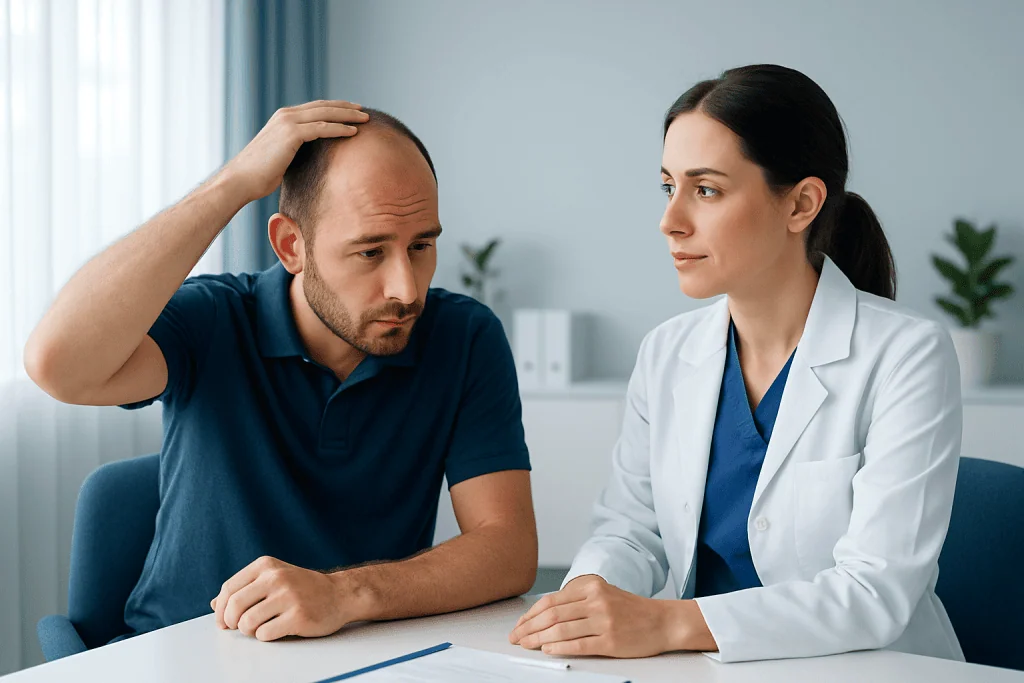
The shedding phase is one of the most common concerns after a hair transplant. In this stage, many of the transplanted hair shafts fall out, even though the follicles remain in the scalp. This happens because the procedure can temporarily shift the follicles into a resting stage of the normal hair cycle. The hair shaft sheds, but the root is still present and can produce new hair later.
This phase usually starts within the first few weeks after the procedure. It can make the treated area look similar to how it did before surgery, or occasionally a little thinner for a time. This can feel discouraging, but in most cases it is a normal part of recovery rather than a sign that the grafts were lost.
Some people may also notice temporary shedding of nearby non-transplanted hairs, sometimes called shock loss. This is more likely in areas where existing hairs were already fragile. In many cases these hairs regrow, but the pattern can vary. A follow-up review with the treating doctor can help clarify whether healing is proceeding as expected and whether conditions such as hair loss are still affecting the surrounding scalp.
Aftercare Tips to Support Healing
Good aftercare helps protect the grafts and supports scalp healing. The most important step is to follow the surgeon’s own instructions closely, because washing methods, sprays, dressings, and activity restrictions may differ depending on the technique used and the characteristics of the scalp.
In general, patients are advised to be gentle with the scalp for the first days. This often includes using only approved shampoo products, avoiding hot water, letting water run softly rather than using strong pressure, and patting rather than rubbing the area dry. Picking at scabs should be avoided, as this can disturb healing skin and potentially damage grafts.
- Sleep with the head slightly elevated if advised.
- Avoid touching, scratching, or rubbing the transplanted area.
- Protect the scalp from direct sun until healing is further along.
- Postpone intense exercise, saunas, steam rooms, and swimming until cleared by the doctor.
- Use prescribed or recommended medicines exactly as directed.
- Avoid smoking and limit alcohol if the doctor advises, as these may affect healing.
Some patients may also receive supportive medical treatment for ongoing hair thinning. Depending on the individual’s needs, the treating team may discuss options that work alongside dermatology care to support scalp health and long-term planning.
What Is Normal During Recovery and What May Be a Warning Sign
Several symptoms are often normal after a hair transplant. These can include mild soreness, temporary numbness, itching, slight swelling of the forehead or scalp, redness, and small crusts around grafts. The donor area may feel tight or tender for a period of time. Mild variation in the speed of healing is common and does not always indicate a problem.
Itching can occur as the scalp heals, but scratching should be avoided. If symptoms are bothersome, the care team may recommend safe ways to improve comfort. Over time, redness and crusting should gradually settle, and the scalp should look less irritated.
Certain signs deserve prompt medical advice. These include severe or worsening pain, marked swelling, pus or foul-smelling drainage, spreading redness, fever, or bleeding that does not settle. A doctor should also assess grafts that seem to have been accidentally dislodged, or any ongoing concerns about unusual scalp changes. Sometimes scalp conditions such as alopecia areata or skin inflammation may also affect recovery and need separate evaluation.
Factors That Can Affect Results and Recovery
Hair transplant recovery and final growth can be influenced by many factors. These include the person’s age, general health, the quality of the donor hair, the pattern and cause of hair loss, scalp condition, and whether the person follows aftercare instructions closely. The size of the procedure and the technique used may also affect how quickly the scalp feels normal again.
Ongoing natural hair thinning can continue even after a successful transplant, because the procedure does not stop the underlying process of pattern hair loss. For this reason, doctors sometimes discuss medical maintenance or long-term planning to help preserve surrounding non-transplanted hair. This can be especially important when treating younger adults or those with progressive thinning.
Realistic expectations matter. A transplant redistributes existing hair rather than creating new follicles. Density, hair texture, color contrast, and the characteristics of the recipient area all influence the cosmetic result. In selected cases, additional procedures or supportive options such as PRP treatment may be discussed by the treating doctor as part of a broader hair restoration plan.
When to Contact a Doctor and Follow-Up Care
Regular follow-up visits are an important part of hair transplant recovery. These appointments allow the doctor to check healing, answer questions about washing or activity, and assess whether the shedding and regrowth pattern is on track. Photographs taken over time can be useful because day-to-day changes are often subtle.
A doctor should be contacted if the patient has symptoms of infection, significant swelling, worsening redness, fever, severe itching with rash, or concerns about poor healing. Medical advice is also useful when shedding feels excessive, growth seems delayed, or the patient is uncertain whether a symptom is expected.
For people traveling for treatment, planning ahead for recovery support and follow-up is especially helpful. Near the end of the care journey, some patients choose centers such as Acibadem International, where multidisciplinary specialists in JCI-accredited hospitals diagnose and treat hair and scalp concerns for international patients. Clear communication with the treating team helps patients recover with confidence and understand the timeline of results.
Frequently asked questions
How long does hair transplant recovery take?
Early healing usually takes about 1 to 2 weeks, when scabs, redness, and tenderness gradually improve. Visible cosmetic improvement takes much longer, because new growth often starts after several months and fuller results may take 9 to 12 months or more.
Is shedding after a hair transplant normal?
Yes. Temporary shedding of transplanted hairs is a common part of the recovery process. The hair shafts may fall out, but the follicles usually remain in place and can begin producing new hair later.
When can normal hair washing start after a hair transplant?
This depends on the surgeon's instructions, but gentle washing is often started early with a specific technique. The key is to avoid rubbing, scratching, or strong water pressure until the grafts are secure and the scalp has healed further.
When can exercise be resumed after a hair transplant?
Light activity may be allowed fairly soon, but strenuous exercise is usually delayed for a period recommended by the treating doctor. Heavy sweating, bending, swimming, and contact activities may increase irritation or disturb healing in the early stage.
What should be avoided during hair transplant recovery?
Patients are commonly advised to avoid scratching the scalp, picking scabs, direct sun exposure, smoking if advised, alcohol in the immediate period if advised, and intense exercise until cleared. Wearing tight headwear or anything that rubs the grafts may also need to be avoided at first.
When should someone worry after a hair transplant?
Medical advice is important if there is severe pain, fever, spreading redness, pus, a bad odor, major swelling, or bleeding that continues. Any symptom that feels worse instead of better over time should also be reviewed by a qualified doctor.
References
- American Academy of Dermatology
- International Society of Hair Restoration Surgery
- British Association of Dermatologists
- Mayo Clinic
- National Health Service
This article is for general information only and is not a substitute for professional medical advice. Please consult a qualified doctor about your individual situation.
Hair transplant in Turkey — costs, graft counts & a free assessment
JCI-accredited · board-certified surgeons · reply within 24h
Add us as a Preferred Source to see more of our trusted health content across Google Search, AI Overviews and Discover.