Hairline Fracture: An Evidence-Based Guide for Patients
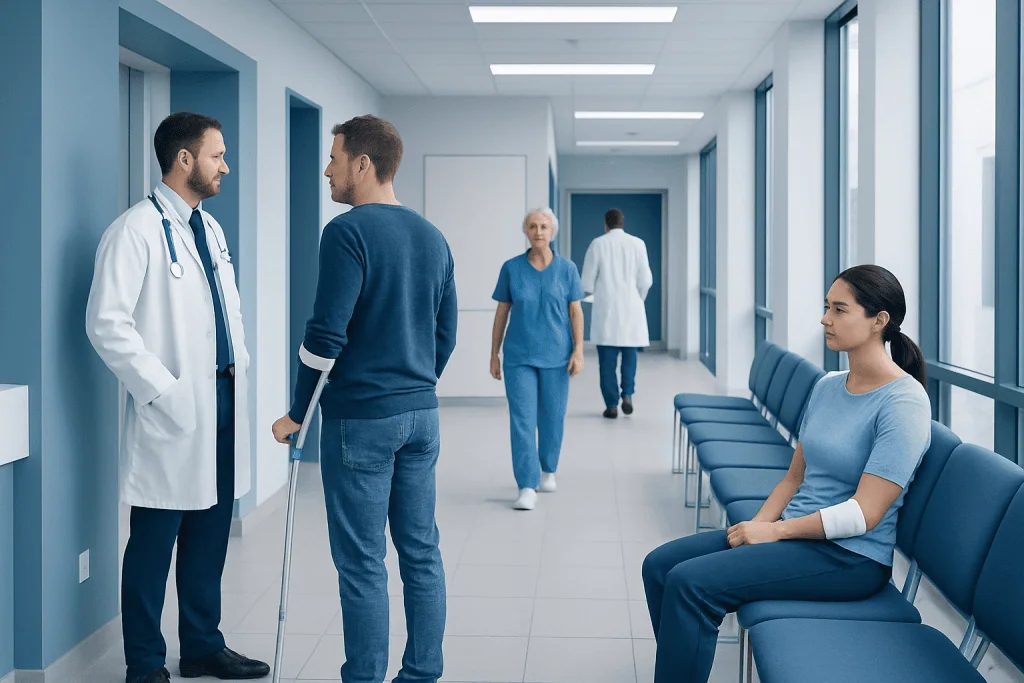
A hairline fracture is a tiny crack in a bone, commonly linked to repetitive stress or low-impact injury. Pain that worsens with activity and improves with rest is a common early clue.
Key Takeaways
- A hairline fracture is a tiny crack in a bone, commonly linked to repetitive stress or low-impact injury.
- Pain that worsens with activity and improves with rest is a common early clue.
- X-rays may not always show a hairline fracture right away, so repeat imaging or MRI may be needed.
- Treatment usually involves rest, activity changes, supportive footwear or bracing, and gradual return to normal activity.
- Ignoring symptoms can delay healing and increase the chance of a complete fracture.
A hairline fracture is a small crack in a bone, often caused by overuse or a minor injury. It may be easy to miss at first, but proper diagnosis and treatment help the bone heal fully and lower the risk of a more serious break.
Overview
A hairline fracture is a very small crack in a bone. It is often used to describe a stress fracture or a minor crack that does not fully break the bone into separate pieces. These injuries are common in the feet, ankles, shins, hips, and other weight-bearing bones, but they can happen in many parts of the body.
In practical terms, a hairline fracture usually causes localized pain, tenderness, and discomfort during movement or weight-bearing. Symptoms may start gradually, especially when the crack is related to repeated stress rather than one sudden accident. Because the bone may still look normal and the person may still be able to walk or use the area, it is easy to mistake the problem for a simple strain or bruise.
Most hairline fractures heal well when they are recognized early and protected appropriately. Treatment often focuses on reducing stress on the bone so it can repair itself. Although many cases are not emergencies, medical assessment is important because untreated cracks can worsen over time.
Symptoms of a Hairline Fracture
The symptoms of a hairline fracture can vary depending on which bone is affected and what caused it. One common pattern is pain that becomes worse with activity and eases with rest. In athletes and active adults, this may begin as a mild ache that gradually becomes more persistent.
Many people also notice point tenderness over a specific spot on the bone. Pressing directly on that area may cause sharp discomfort. There may be mild swelling, bruising, or warmth, though these signs are not always present. In some cases, the area feels weak or unstable during walking, running, jumping, or lifting.
Common symptoms include:
- Pain in one specific area of bone
- Pain that increases with movement or weight-bearing
- Tenderness when touching the area
- Mild swelling
- Reduced ability to exercise, walk normally, or use the affected limb
If the fracture is in the foot or lower leg, a person may limp or avoid putting full weight on the area. If it is in the hand, wrist, or arm, gripping and lifting may become painful. Symptoms do not always appear immediately after injury, which is one reason a hairline fracture can be overlooked.
Causes and Risk Factors
A hairline fracture can happen in two main ways. The first is from repetitive stress, such as frequent running, jumping, marching, or other repeated impact. Over time, the bone is exposed to more force than it can repair between activities. The second is from a minor trauma or twist that creates a small crack without causing a major displacement.
Several factors can increase risk. A sudden increase in training intensity, new footwear, hard training surfaces, or poor movement mechanics may contribute to stress-related fractures. Low bone density, poor nutrition, vitamin D deficiency, hormonal factors, and certain medical conditions can also weaken bone and make small cracks more likely.
Higher-risk groups may include:
- Runners, dancers, and military recruits
- People starting a new exercise program too quickly
- Older adults with fragile bones
- People with osteoporosis or other bone-health conditions
- Individuals with previous fractures or biomechanical problems
Not every bone pain after exercise is a fracture, but persistent, focal pain deserves attention. In some patients, an underlying bone condition such as osteoporosis may need to be considered, especially if the injury seems disproportionate to the activity or trauma involved.
How a Hairline Fracture Is Diagnosed
Diagnosis starts with a medical history and physical examination. A doctor will ask when the pain began, whether it followed an injury or developed gradually, what activities make it worse, and whether there have been previous fractures or bone-health concerns. On examination, they often look for swelling, tenderness at one exact point, and pain with movement or weight-bearing.
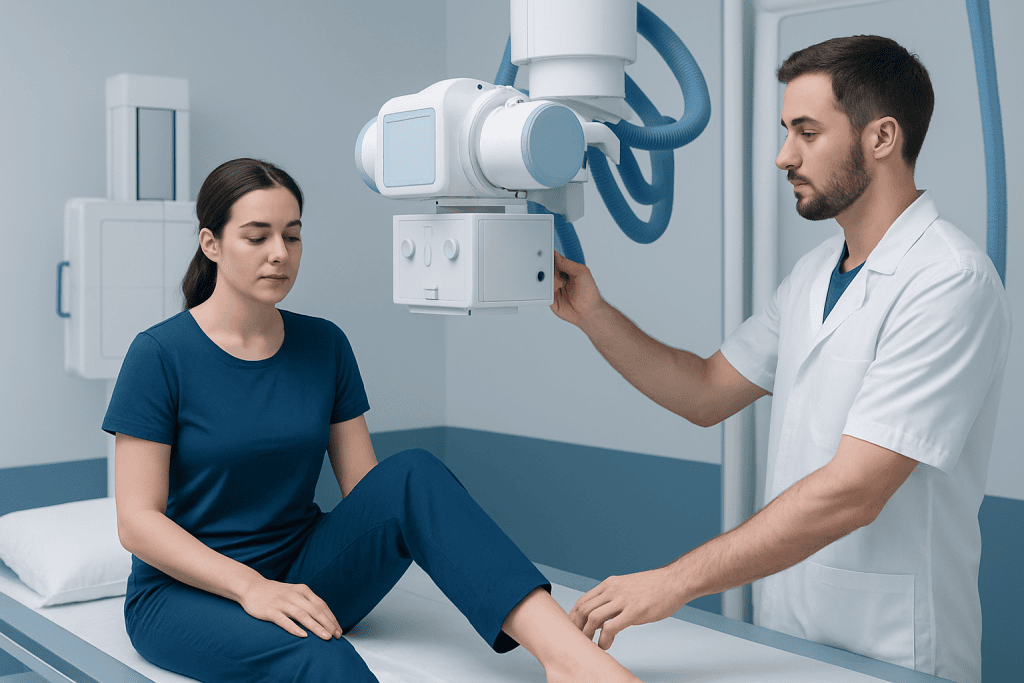
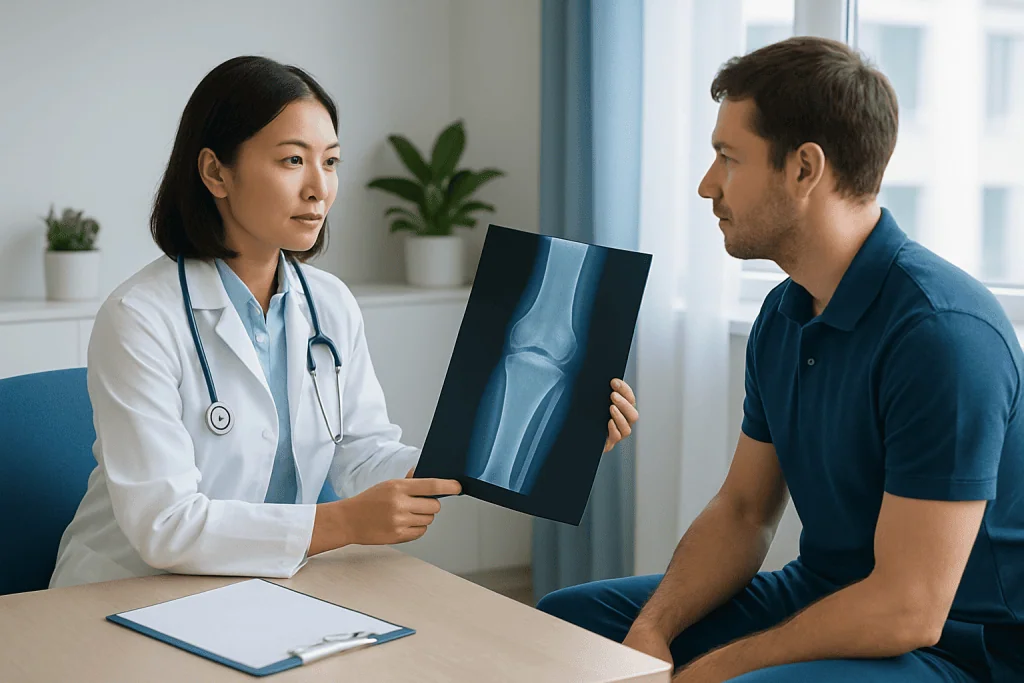
Imaging is commonly used to confirm the diagnosis. Standard X-rays are often the first test, but a hairline fracture may not always be visible immediately, especially early in the injury. If symptoms strongly suggest a fracture and the X-ray is normal, a doctor may recommend repeat X-rays later or more sensitive imaging such as MRI to detect bone stress and small cracks. In some situations, a CT scan may help define the injury more clearly.
The goal of diagnosis is not only to identify the crack but also to understand its location and severity. Some stress fractures are considered low risk and usually heal well with conservative care, while others are in areas where blood supply is limited or where continued stress may lead to complications. In those cases, closer follow-up is especially important.
Treatment Options and Healing Time
Treatment depends on the bone involved, the size and location of the crack, and the person’s age, activity level, and overall health. Many hairline fractures heal with conservative treatment. This usually means reducing or stopping the activity that caused pain, protecting the area, and allowing time for the bone to recover. A doctor may recommend rest, ice, elevation, supportive shoes, taping, a splint, or a walking boot.
Pain relief may be part of care, but medicines should be used only as advised by a clinician. Weight-bearing may need to be limited for some fractures, especially in the foot, ankle, shin, or hip. For certain injuries, physical therapy can help restore strength, balance, flexibility, and safe movement patterns during recovery. If the fracture is more complex or occurs in a high-risk location, referral for orthopedic evaluation may be appropriate.
Healing time varies. Some hairline fractures improve within several weeks, while others take longer, particularly if diagnosis is delayed or the bone continues to be stressed. Returning to sport or full activity too soon can slow healing and increase the chance of a complete break. A gradual return guided by symptoms and medical advice is usually safest.
In a small number of cases, surgery may be considered if the fracture is unstable, does not heal as expected, or affects a high-risk bone. Most patients, however, recover well without an operation when the injury is identified early and managed carefully.
Prevention and Self-Care
Preventing a hairline fracture often means protecting bone health and avoiding sudden overload. Training or exercise increases should be gradual rather than abrupt. Shoes should fit well and match the activity, and worn-out footwear should be replaced when needed. Rest days matter because bone repairs itself between periods of stress.
Good nutrition also supports healthy bones. Adequate calcium, vitamin D, protein, and overall energy intake are important, particularly for people who exercise regularly. If a person has repeated stress injuries, menstrual irregularities, unexplained weight loss, or other possible signs of low bone strength, a medical review can help identify contributing factors.
Helpful self-care strategies include:
- Stopping the activity that triggers bone pain
- Using ice for short periods to ease discomfort and swelling
- Elevating the area if swelling is present
- Following advice on braces, boots, or crutches if prescribed
- Returning to activity gradually after symptoms improve
People with recurrent fractures or suspected low bone density may benefit from further bone-health assessment. In some cases, doctors may investigate related concerns such as reduced bone strength or recommend specialist care. Near the end of recovery, some patients may also benefit from supervised physical therapy and rehabilitation to improve mechanics and reduce reinjury risk.
When to Seek Medical Care
Medical attention is recommended if bone pain is localized, keeps returning, or does not improve after a few days of rest. It is also wise to seek care if the pain makes walking difficult, interrupts sleep, or limits normal daily activities. Early assessment may shorten recovery by identifying the injury before it progresses.
Urgent medical care is needed if there is severe swelling, obvious deformity, inability to bear weight, numbness, color change, or intense pain after a fall or direct injury. These signs can suggest a more significant fracture or another urgent problem that needs prompt evaluation.
Patients who have repeated fractures, known bone-thinning conditions, or risk factors for poor healing should not ignore symptoms. At Acibadem International, multidisciplinary specialists in JCI-accredited hospitals evaluate bone injuries for international patients and plan treatment based on the fracture site, activity level, and overall bone health.
Frequently asked questions
Is a hairline fracture the same as a stress fracture?
The terms are often used similarly, especially when describing a tiny crack in the bone. In many cases, a hairline fracture is a stress-related crack caused by repeated force, although some small cracks can also follow minor trauma.
Can a person walk with a hairline fracture?
Sometimes yes, especially if the crack is small and the bone is still stable. However, walking on it can worsen pain and may delay healing, so medical advice is important before continuing normal activity.
How long does a hairline fracture take to heal?
Healing time depends on the bone involved, the cause, and whether the area is protected properly. Many heal over several weeks, but some take longer, especially in weight-bearing bones or if activity continues too soon.
Will a hairline fracture show up on an X-ray?
Not always at first. Early hairline fractures can be difficult to see on standard X-rays, which is why a doctor may repeat imaging later or order MRI if symptoms strongly suggest a fracture.
What should be avoided with a hairline fracture?
Activities that trigger pain, especially running, jumping, or heavy impact, should usually be avoided until a clinician advises a safe return. Ignoring pain and pushing through exercise can make the crack worse.
Do all hairline fractures need a cast or surgery?
No. Many heal with rest, supportive footwear, a brace, or a walking boot rather than a full cast. Surgery is usually reserved for fractures that are unstable, high risk, or not healing as expected.
References
- American Academy of Orthopaedic Surgeons
- National Institute of Arthritis and Musculoskeletal and Skin Diseases
- Mayo Clinic
- MedlinePlus
- National Health Service
This article is for general information only and is not a substitute for professional medical advice. Please consult a qualified doctor about your individual situation.
Hair transplant in Turkey — costs, graft counts & a free assessment
JCI-accredited · board-certified surgeons · reply within 24h
Add us as a Preferred Source to see more of our trusted health content across Google Search, AI Overviews and Discover.

More from the Health Library

Bedbug: An Evidence-Based Guide for Patients

Fingernail Fungus Pictures — Explained by Medical Evidence, Not Myths

Ferber Method — Explained by Medical Evidence, Not Myths
Welts — Explained by Medical Evidence, Not Myths
Naomi Judd Cause of Death: A Complete Medical Overview
Over the Counter Hydrocortisone Cream for Eczema: An Evidence-Based Guide for Patients
Physical Medicine & Rehabilitation Specialists at Acibadem

Prof. Dr. Ahmet Alanay
Orthopedic Surgery & Traumatology
Ahmet Turan
Physical Medicine & Rehabilitation
Fzt. Ahsen Ercan
Physical Medicine & Rehabilitation
Fzt. Ali Furkan Gürler
Physical Medicine & Rehabilitation