Hand and Foot Disease and Pregnancy: A Complete Clinical Guide for Patients

Hand, foot, and mouth disease in pregnancy is most often a mild viral illness caused by enteroviruses such as coxsackievirus. Typical symptoms include fever, sore throat, mouth sores, and a rash or blisters on the hands and feet.
Key Takeaways
- Hand, foot, and mouth disease in pregnancy is most often a mild viral illness caused by enteroviruses such as coxsackievirus.
- Typical symptoms include fever, sore throat, mouth sores, and a rash or blisters on the hands and feet.
- Treatment is supportive, with rest, fluids, and pregnancy-safe symptom relief as advised by a doctor.
- Pregnant patients should seek medical care sooner if they have high fever, dehydration, severe pain, reduced fetal movement, or an uncertain diagnosis.
- Good hand hygiene and avoiding close contact with infected people can help reduce the chance of catching or spreading the infection.
Hand, foot, and mouth disease during pregnancy is usually mild and supportive care is often enough, but pregnancy can make questions about fever, hydration, and fetal risk more important. Most pregnant patients recover without complications, though medical advice is recommended to confirm the diagnosis and guide symptom relief.
Overview: What hand, foot, and mouth disease means in pregnancy
Hand, foot, and mouth disease is a common viral infection that can affect adults as well as children. In pregnancy, it is usually mild and self-limited, meaning it improves on its own with supportive care. The main concerns are staying well hydrated, controlling fever safely, and making sure the symptoms are truly due to hand, foot, and mouth disease rather than another illness that may need different treatment.
This infection is most often caused by enteroviruses, especially coxsackievirus. It spreads through close contact with respiratory droplets, saliva, fluid from blisters, and stool. Because many parents and caregivers are exposed through young children, pregnant patients may encounter it at home, in daycare settings, or during community outbreaks.
Most pregnancies are not harmed by a routine case of hand, foot, and mouth disease. However, symptoms can overlap with other infections that may matter more in pregnancy, including influenza, chickenpox, herpes infections, allergic rashes, and some bacterial illnesses. For that reason, a clinical assessment can be helpful, especially if the rash is unusual, fever is significant, or the patient feels unwell.
Symptoms and how the illness may feel during pregnancy
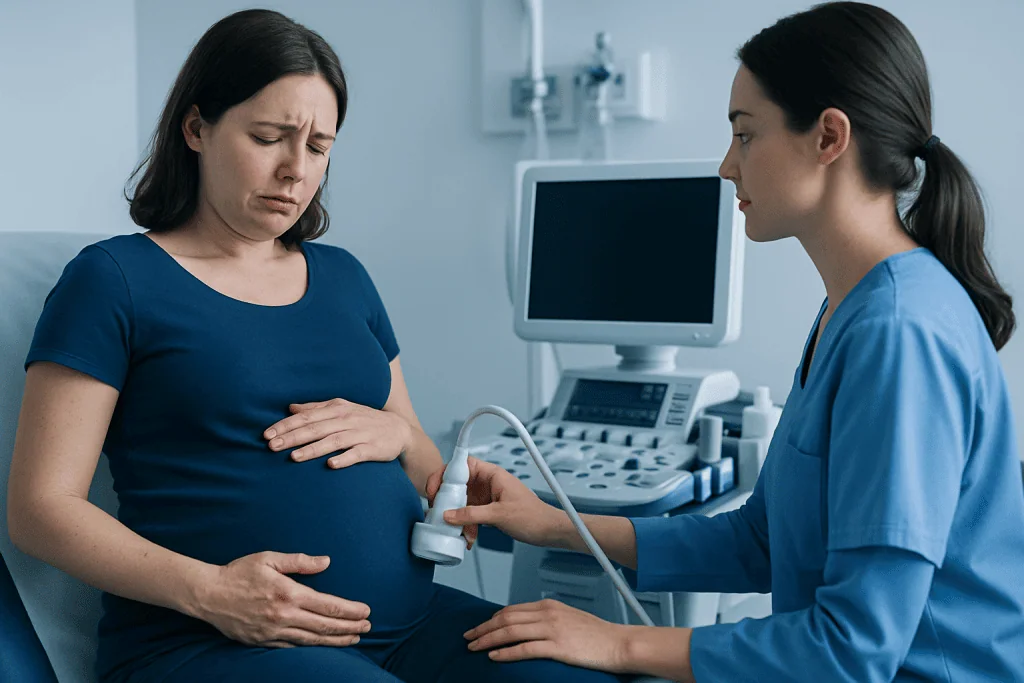
Symptoms often begin with a mild fever, sore throat, tiredness, reduced appetite, or a general feeling of being unwell. Within a short time, painful mouth sores may appear, followed by a rash on the palms of the hands, soles of the feet, or other areas such as the buttocks, legs, or around the mouth. In adults, the rash may be faint, while mouth pain and fatigue can be more noticeable.
During pregnancy, the illness does not necessarily behave differently, but common pregnancy needs can make symptoms feel more disruptive. Mouth sores may make it harder to eat and drink, increasing the risk of dehydration. Fever can also be more concerning in pregnancy, especially early in gestation, so timely symptom control and communication with a healthcare professional are important.
Typical symptoms may include:
- Low-grade or moderate fever
- Sore throat
- Painful mouth ulcers or blisters
- Rash or small blisters on the hands and feet
- Fatigue or body aches
- Reduced appetite or discomfort with swallowing
Not every patient develops all signs. Some adults have very mild disease or only a sore throat and rash. Others may have stronger symptoms, especially if they become dehydrated or have difficulty eating because of mouth pain.
Causes, spread, and pregnancy-related concerns

Hand, foot, and mouth disease is caused by a group of viruses called enteroviruses. These viruses spread easily in households and settings where children are in close contact. A person may be most contagious during the first week of illness, but the virus can remain in stool for weeks after symptoms improve, which is why careful hygiene remains important even during recovery.
Pregnancy itself does not appear to make most cases more severe, but it can change the practical approach to care. Fever, dehydration, and uncertainty about which medicines are safe become more relevant. In late pregnancy, clinicians may also think about whether a mother is ill close to delivery, because some infections around the time of birth can occasionally affect a newborn.
Current evidence suggests that serious pregnancy complications from routine hand, foot, and mouth disease are uncommon. Still, if a patient develops a new rash while pregnant, doctors may consider other infections that can resemble HFMD and may carry different fetal risks. A careful examination helps separate HFMD from conditions such as chickenpox, herpes virus infections, contact dermatitis, or other viral exanthems.
Risk of exposure is higher for pregnant people who:
- Have young children at home
- Work in childcare, schools, or healthcare settings
- Have close household contact with someone who is infected
- Share utensils, towels, or personal items during an active illness
How doctors diagnose it and what else they may consider
Diagnosis is usually clinical, based on symptoms, the appearance of mouth sores and rash, and recent exposure history. A doctor will ask when the illness began, whether there has been fever, whether eating and drinking are still possible, and whether there has been contact with children or other sick family members. In many straightforward cases, no special test is needed.
Pregnancy adds an important layer to the evaluation because some rashes need to be ruled out more carefully. If the appearance is not typical, or if symptoms are severe, a doctor may consider laboratory tests or consultation with specialists. The goal is not to overcomplicate care, but to make sure another infection is not being missed.
Depending on the situation, clinicians may assess for dehydration, monitor temperature, and review fetal well-being if the pregnancy is advanced and the patient is concerned about movement patterns. If the rash is atypical or widespread, they may also consider dermatology or infectious disease input. In some cases, supportive evaluations such as diagnostic imaging may be relevant for broader pregnancy care, though imaging is not used to diagnose HFMD itself.
Medical evaluation is especially helpful when a patient has severe mouth pain, cannot keep fluids down, has a persistent high fever, or is unsure whether the rash is actually hand, foot, and mouth disease. Early assessment can provide reassurance and prevent avoidable complications such as dehydration.
Treatment options that are generally used in pregnancy
There is no specific antiviral treatment routinely used for hand, foot, and mouth disease. Care is supportive and focuses on helping the body recover while relieving discomfort. For most pregnant patients, this means rest, frequent fluids, and pregnancy-safe medicines for fever or pain as recommended by their doctor.
Managing fever matters in pregnancy, so patients should ask their healthcare professional which fever-reducing medicine is appropriate for them. Mouth sores can be the most troublesome symptom because they make swallowing difficult. Cool liquids, soft foods, and avoiding spicy, salty, or acidic foods may reduce irritation. If pain is significant, a clinician may suggest symptom relief strategies that fit the pregnancy stage and the patient’s medical history.
Supportive treatment may include:
- Drinking water, oral rehydration fluids, soups, or other tolerated liquids
- Eating soft foods such as yogurt, mashed foods, or smoothies that are not irritating
- Resting and reducing strenuous activity while fever or fatigue lasts
- Using doctor-approved medicines for pain or fever
- Monitoring urine output, dizziness, and signs of dehydration
If swallowing becomes very painful or dehydration develops, hospital-based care may occasionally be needed for assessment and fluid support. In settings where the diagnosis is uncertain or symptoms are more complex, a multidisciplinary team may evaluate whether additional care is necessary. When relevant to the broader pregnancy situation, specialists in obstetrics and gynecology and infectious diseases may be involved.
Self-care, prevention, and reducing spread at home
Because hand, foot, and mouth disease is contagious, practical prevention steps are important, especially in households with children. Frequent handwashing with soap and water is one of the most effective ways to reduce spread. This is particularly important after changing diapers, helping a child in the bathroom, wiping noses, or touching used tissues.
Pregnant patients can also lower risk by avoiding sharing cups, cutlery, towels, and toothbrushes with someone who is sick. Cleaning commonly touched surfaces such as doorknobs, toys, bathroom fixtures, and phones may help. If a child in the home is infected, it is sensible to limit direct contact with saliva and blister fluid as much as possible while still providing care safely.
Self-care during recovery should focus on hydration, nutrition, and rest. Even if appetite is low, taking small sips often and eating bland soft foods can support recovery. If symptoms are unusual or prolonged, a doctor may reassess to make sure another cause is not present, especially if a condition such as herpes simplex is also being considered.
Near the end of care, some patients may wish to discuss follow-up with their obstetric team for reassurance. Acibadem International’s multidisciplinary specialists at JCI-accredited hospitals evaluate and treat pregnancy-related infections and symptom concerns for international patients when further assessment is needed.
When to seek medical care
Pregnant patients should contact a doctor promptly if they think they may have hand, foot, and mouth disease. Even though most cases are mild, pregnancy makes it wise to confirm the diagnosis and discuss safe symptom relief. Clinical advice is especially important if the patient is in early pregnancy, close to delivery, or has an existing health condition.
Medical care should be sought sooner if any warning signs appear. These include trouble drinking enough fluids, signs of dehydration, severe or persistent fever, worsening weakness, confusion, shortness of breath, or a rash that is extensive, very painful, or not typical for HFMD. Reduced fetal movement, contractions, or any pregnancy-specific concern should also be reported without delay.
Reasons to seek urgent medical advice include:
- High fever or fever that does not improve
- Inability to eat or drink because of mouth pain
- Dark urine, dizziness, or very low urine output
- A severe headache, neck stiffness, or marked sleepiness
- Rash that looks unusual, widespread, or infected
- Reduced fetal movements or other obstetric concerns
A doctor can determine whether the illness is straightforward HFMD or whether another diagnosis should be considered. Timely care can also help prevent dehydration and provide reassurance about both maternal and fetal well-being.
Frequently asked questions
Is hand, foot, and mouth disease dangerous during pregnancy?
In most cases, no. Hand, foot, and mouth disease is usually mild in pregnancy and gets better with rest, fluids, and supportive care. A doctor should still assess symptoms because fever, dehydration, and other look-alike infections can matter more during pregnancy.
Can hand, foot, and mouth disease harm the baby?
Most pregnant patients recover without harm to the baby. Serious fetal problems from routine HFMD are considered uncommon. The main goals are to control fever safely, maintain hydration, and make sure the diagnosis is correct.
What are the first symptoms of HFMD in pregnancy?
Common early symptoms include fever, sore throat, tiredness, and reduced appetite. Painful mouth sores and a rash on the hands and feet often follow. Some adults have mild symptoms, so the illness may first seem like a simple viral sore throat.
How is hand, foot, and mouth disease treated while pregnant?
Treatment is supportive rather than curative. Doctors usually recommend rest, fluids, soft foods, and pregnancy-safe medicines for pain or fever if needed. Patients should avoid self-medicating without checking that a medicine is appropriate in pregnancy.
When should a pregnant patient with HFMD call a doctor?
A doctor should be contacted if there is high fever, trouble drinking, signs of dehydration, severe pain, reduced fetal movement, or an unusual rash. Medical advice is also wise if symptoms occur close to delivery or if the patient is unsure the illness is really HFMD.
How long is hand, foot, and mouth disease contagious?
People are often most contagious during the first week of illness. However, the virus can remain in stool for weeks after symptoms improve. Good hand hygiene and careful cleaning can help reduce spread at home.
References
- Centers for Disease Control and Prevention
- American College of Obstetricians and Gynecologists
- World Health Organization
- National Health Service
- March of Dimes
This article is for general information only and is not a substitute for professional medical advice. Please consult a qualified doctor about your individual situation.
Explore treatments in Turkey — costs, top hospitals & a free quote
JCI-accredited · board-certified surgeons · reply within 24h
Add us as a Preferred Source to see more of our trusted health content across Google Search, AI Overviews and Discover.

More from the Health Library



Related Specialists

Prof. Dr. Ömer Faruk Taşer
Orthopedic Surgery & Traumatology
Prof. Dr. A. Çağrı Büke
Infectious Diseases & Clinical Microbiology
Dr. Evşen Çetin
Pediatrics
Dilara Çitoğlu
Physical Medicine & Rehabilitation