Hashimoto Disease: Diagnosis, Outlook, and Modern Treatment Approaches

Hashimoto disease is an autoimmune thyroid disorder that often causes hypothyroidism; diagnosis and treatment can help control symptoms and protect long-term…
Key Takeaways
- Hashimoto disease is a common cause of hypothyroidism.
- Symptoms may develop slowly and can be easy to overlook at first.
- Diagnosis usually combines symptoms, thyroid blood tests, and antibody testing.
- Treatment often involves thyroid hormone replacement and ongoing follow-up.
- Most people do well long term when thyroid hormone levels are kept in a healthy range.
Hashimoto disease is an autoimmune condition in which the immune system gradually attacks the thyroid gland, often leading to an underactive thyroid. With proper diagnosis, regular monitoring, and individualized treatment, most people can manage symptoms well and maintain a good quality of life.
Overview: What Hashimoto Disease Means
Hashimoto disease is an autoimmune thyroid disorder. In this condition, the body’s immune system mistakenly targets the thyroid gland, a small butterfly-shaped gland in the front of the neck. Over time, this inflammation can damage thyroid tissue and reduce the gland’s ability to make enough thyroid hormone.
Because thyroid hormones help regulate energy use, temperature control, heart rate, digestion, and many other body functions, low hormone levels can affect the whole body. This is why Hashimoto disease often becomes noticeable through broad, non-specific symptoms such as fatigue, feeling cold, weight changes, constipation, or brain fog.
Hashimoto disease does not always cause symptoms right away. Some people are diagnosed after routine blood work shows changes in thyroid-stimulating hormone (TSH) or thyroid hormone levels. Others may have thyroid antibodies for years before clear hypothyroidism develops.
Although the condition is usually lifelong, its outlook is generally very good. Most people improve with appropriate thyroid hormone replacement, regular follow-up, and attention to overall health. In many cases, treatment is straightforward once the diagnosis is confirmed.
Symptoms and How They May Change Over Time
Symptoms of Hashimoto disease usually develop gradually. Early on, a person may feel generally tired or notice subtle changes that are easy to attribute to stress, aging, or a busy lifestyle. As thyroid hormone production falls, symptoms of hypothyroidism often become more apparent.
Common symptoms can include persistent fatigue, increased sensitivity to cold, dry skin, constipation, hair thinning, muscle aches, slowed thinking, low mood, heavier menstrual periods, and unexplained weight gain. Some people also notice a feeling of fullness in the neck if the thyroid becomes enlarged, a condition known as a goiter.
Symptoms vary from person to person, and not everyone has the same pattern. In some cases, Hashimoto disease can briefly cause a release of stored thyroid hormone from the inflamed gland, leading to temporary symptoms of an overactive thyroid before hypothyroidism develops. This can make the condition seem confusing in its early stages.
- Fatigue and low energy
- Feeling unusually cold
- Constipation
- Dry skin and brittle hair
- Weight gain or difficulty losing weight
- Memory problems or poor concentration
- Depressed mood
- Neck swelling from an enlarged thyroid
Causes and Risk Factors

The exact reason Hashimoto disease develops is not fully understood, but it is known to involve an immune system response against thyroid proteins. Genetic tendency appears to play an important role. People with a family history of autoimmune thyroid disease or other autoimmune disorders may be more likely to develop it.
Hashimoto disease is more common in women, but it can affect anyone, including men and children. It is also associated with other autoimmune conditions, such as type 1 diabetes, celiac disease, rheumatoid arthritis, and vitiligo. Having one autoimmune disorder may increase the likelihood of another.
Environmental factors may also contribute in susceptible individuals. These can include differences in iodine intake, past radiation exposure involving the neck, and possibly certain infections or immune triggers, though not all suspected factors are clearly established. Pregnancy and the postpartum period can also bring thyroid issues to medical attention.
Hashimoto disease is sometimes discussed alongside related thyroid problems such as thyroiditis and hypothyroidism. While these terms are connected, they are not identical: Hashimoto disease is a specific autoimmune cause of thyroid inflammation and is one of the leading causes of long-term hypothyroidism.
How Hashimoto Disease Is Diagnosed
Diagnosis starts with a medical history and physical examination. A doctor will ask about symptoms, family history, menstrual changes, other autoimmune conditions, medicines, and any neck swelling or discomfort. On examination, the thyroid may feel normal, enlarged, or slightly firm and irregular.
Blood tests are central to diagnosis. TSH is usually the first test because it reflects how strongly the body is signaling the thyroid to make hormone. Free thyroxine (free T4) helps show whether the thyroid is producing enough hormone. Thyroid antibody tests, especially thyroid peroxidase antibodies, can support the diagnosis of Hashimoto disease.
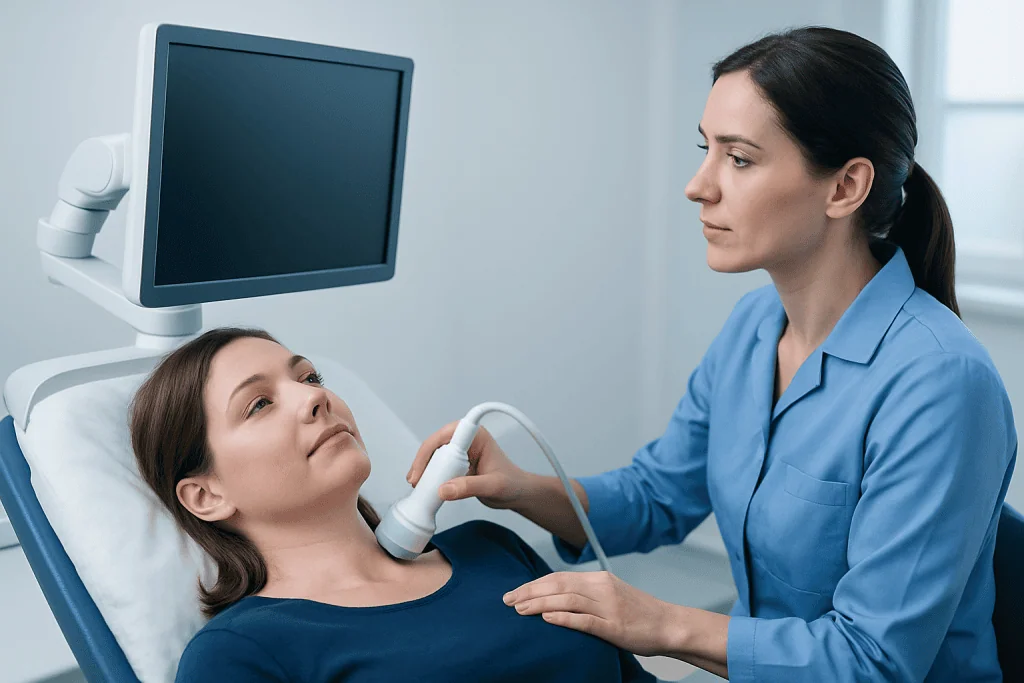
Imaging is not always necessary, but a thyroid ultrasound may be helpful if there is a goiter, an uneven gland, a thyroid nodule, or uncertainty about the diagnosis. Ultrasound can show features of chronic inflammation and can also help evaluate other structural thyroid concerns. When needed, doctors may use thyroid ultrasound as part of a more complete assessment.
Diagnosis is not based on one result alone. Doctors interpret laboratory findings together with symptoms and physical findings. In some people, thyroid antibodies are present even before hormone levels become abnormal, so follow-up testing over time may be important.
Modern Treatment Approaches and Long-Term Outlook
The main treatment for Hashimoto disease with hypothyroidism is thyroid hormone replacement, most commonly levothyroxine. This medicine replaces the hormone that the thyroid can no longer make in sufficient amounts. The goal is to restore normal hormone levels, improve symptoms, and protect long-term health.
Treatment is individualized. Factors such as age, symptom severity, pregnancy status, heart health, and blood test results help guide the starting dose and follow-up plan. After treatment begins, repeat blood tests are used to adjust therapy until TSH and thyroid hormone levels are in an appropriate range. Many people feel better gradually over several weeks.
Not everyone with positive thyroid antibodies needs medication immediately. If thyroid hormone levels are still normal and symptoms are minimal, a doctor may recommend monitoring instead of starting treatment right away. During pregnancy or when planning pregnancy, thyroid function is followed especially closely because thyroid hormones are important for maternal health and fetal development.
The long-term outlook is usually excellent when Hashimoto disease is recognized and treated properly. Ongoing care may involve endocrinology evaluation and, in selected cases, thyroid surgery if there is a large goiter, compressive symptoms, or concerning nodules. Surgery is not a routine treatment for Hashimoto disease itself, but it can be appropriate in specific situations.
Daily Management, Monitoring, and Self-Care
Successful management of Hashimoto disease usually depends on consistency. Taking thyroid medication exactly as prescribed and having blood tests at the intervals recommended by a doctor help keep hormone levels stable. It is also useful to mention any new medicines, supplements, or major diet changes, since these can sometimes affect absorption or test interpretation.
Self-care does not replace medical treatment, but it can support overall well-being. A balanced eating pattern, regular physical activity, good sleep, and stress management can help with energy, mood, and metabolic health. There is no single special diet proven to cure Hashimoto disease, so restrictive plans should be approached cautiously unless a doctor identifies another condition such as celiac disease.
People with Hashimoto disease may benefit from periodic review of cholesterol levels, menstrual health, fertility goals, and other autoimmune symptoms, depending on their individual situation. If symptoms continue even after thyroid levels normalize, a doctor may look for other causes such as anemia, sleep disorders, vitamin deficiencies, or mental health concerns.
For international patients who need coordinated evaluation, Acibadem International’s multidisciplinary specialists in JCI-accredited hospitals diagnose and treat thyroid conditions with individualized planning and follow-up.
When to Seek Medical Care
Medical review is a good idea if there are ongoing symptoms that could suggest low thyroid hormone levels, especially fatigue, feeling cold, constipation, hair thinning, dry skin, slowed thinking, or unexplained weight change. These symptoms are common and can have many causes, so proper evaluation matters.
A doctor should also be consulted if there is swelling in the front of the neck, difficulty swallowing, a feeling of pressure in the throat, or a newly noticed lump. These symptoms do not always mean a serious problem, but they should be assessed to rule out goiter, nodules, or other thyroid conditions.
More urgent medical attention is needed for severe symptoms such as marked confusion, extreme drowsiness, fainting, chest pain, or significant shortness of breath. People who are pregnant, planning pregnancy, or recently gave birth should seek timely thyroid evaluation if symptoms appear, since thyroid health can affect both parent and baby.
Frequently asked questions
Is Hashimoto disease the same as hypothyroidism?
Not exactly. Hashimoto disease is an autoimmune condition that damages the thyroid, while hypothyroidism means the thyroid is underactive. Hashimoto disease is one of the most common causes of hypothyroidism.
Can Hashimoto disease be cured?
There is no cure that removes the autoimmune tendency itself. However, the condition is usually very manageable with monitoring and thyroid hormone replacement when needed. Most people can live well with stable treatment.
Do all people with Hashimoto disease need medication?
No. Some people have thyroid antibodies but still have normal thyroid hormone levels and may not need immediate treatment. In those cases, a doctor may recommend regular blood tests and symptom follow-up.
How long does it take to feel better after starting treatment?
Many people begin to notice improvement within several weeks, but full symptom relief can take longer. Recovery is often gradual because hormone levels need time to stabilize and medicine doses may need adjustment.
Can Hashimoto disease affect pregnancy?
Yes, thyroid health is important during pregnancy and when trying to conceive. Careful monitoring and treatment can support a healthy pregnancy, so anyone who is pregnant or planning pregnancy should discuss thyroid testing with a doctor.
Should people with Hashimoto disease follow a special diet?
There is no single diet proven to treat Hashimoto disease. A balanced diet is generally recommended, and some people may need specific advice if they also have conditions such as celiac disease or nutrient deficiencies. It is best to discuss major diet changes or supplements with a qualified clinician.
This article is for general information only and is not a substitute for professional medical advice. Please consult a qualified doctor about your individual situation.
Persistent digestive symptoms? Get evaluated in Turkey
JCI-accredited · board-certified surgeons · reply within 24h
Add us as a Preferred Source to see more of our trusted health content across Google Search, AI Overviews and Discover.
Check your numbers in seconds
BMI, calories, due date, blood pressure and 30+ more clinical calculators — free, instant, doctor-reviewed ranges.

More from the Health Library

Endometrial Hyperplasia: Symptoms, Causes, and Treatment Options

Pulsed Dye Laser: How It Works, Results and What to Expect

Osteoradionecrosis Treatment: How It Works, Results and What to Expect

Macrocytic Anaemia Treatment: How It Works, Results and What to Expect

PDA Surgery: Procedure, Recovery and Results