Head and Neck Cancer Screening: How It Works, Results and What to Expect

There is no single routine screening test recommended for all adults at average risk of head and neck cancer. A clinician may examine the mouth, throat, nose, voice box and neck, with imaging or biopsy used only when indicated.
Key Takeaways
- There is no single routine screening test recommended for all adults at average risk of head and neck cancer.
- A clinician may examine the mouth, throat, nose, voice box and neck, with imaging or biopsy used only when indicated.
- Persistent symptoms such as a neck lump, hoarseness, mouth sore or trouble swallowing should be assessed promptly.
- Tobacco use, alcohol use, human papillomavirus (HPV) and previous head and neck cancer can increase risk.
- Many screening examinations are brief and comfortable; a biopsy may be needed to confirm or rule out cancer.
- Earlier diagnosis can allow more treatment options and may improve outcomes.
Head and neck cancer screening is usually a focused medical assessment rather than a routine test for everyone. It involves reviewing symptoms and risks, examining the mouth, throat and neck, and arranging targeted tests when an abnormal area needs further evaluation.
Overview: What Head and Neck Cancer Screening Involves
Head and neck cancer screening is an evaluation used to look for possible cancers affecting the mouth, throat, voice box, nasal cavity, salivary glands or nearby lymph nodes in the neck. For most people, it begins with a clinical examination by a doctor or dentist, rather than with a blood test or scan. The aim is to identify concerning changes early and decide whether more testing is needed.
There is currently no single population-wide screening test proven to benefit every adult without symptoms. Instead, screening is most relevant during regular dental or medical examinations, for people with important risk factors, and for anyone who develops a persistent symptom. A screening visit does not diagnose cancer by itself; diagnosis requires examination of tissue, usually with a biopsy, when an abnormality is found.
Head and neck cancers include several related conditions. They may begin in the lining of the mouth and throat, including cancers linked with HPV, or in less common areas such as the nasal passages and salivary glands. Understanding the purpose and limits of screening can help people seek timely, appropriate care without unnecessary worry.
Who May Benefit From Head and Neck Cancer Screening?
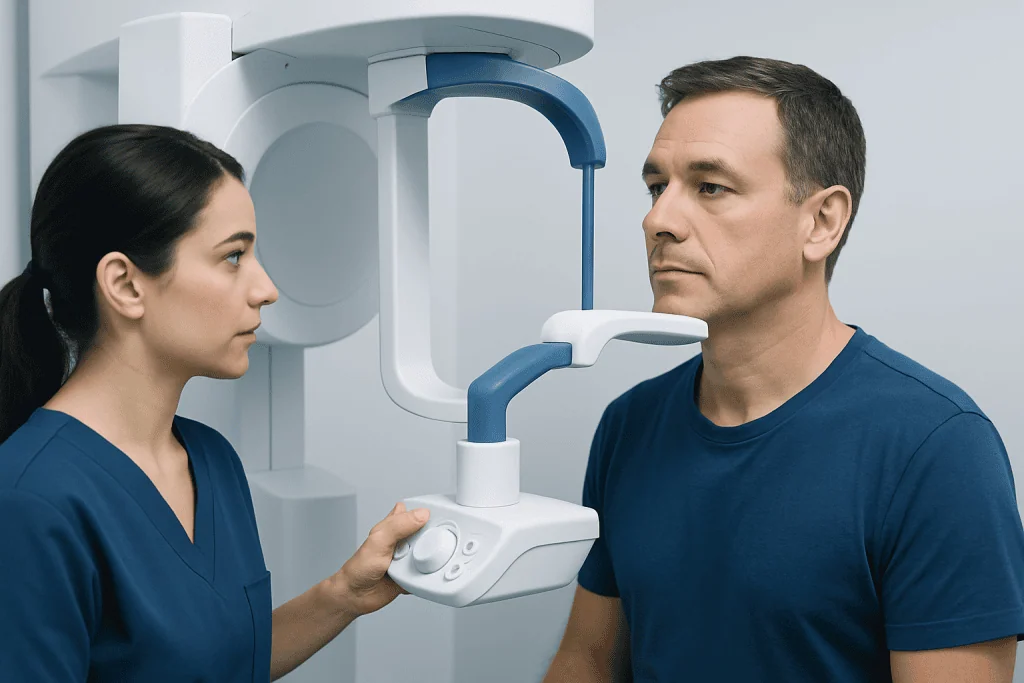
Adults with no symptoms may have an oral and neck examination as part of routine dental care or a general health visit. A clinician may recommend closer assessment for people with a history of tobacco use, including cigarettes, cigars, pipes, smokeless tobacco or betel quid. Heavy alcohol use, especially alongside tobacco exposure, also raises risk.
Some cancers of the tonsils and base of the tongue are associated with certain types of human papillomavirus. HPV-related disease can occur in people without traditional tobacco or alcohol risk factors. A prior head and neck cancer, previous radiation to the head or neck, occupational exposures, and a weakened immune system may also lead a clinician to recommend regular follow-up.
Screening is particularly important when symptoms are present. A symptom does not mean that cancer is likely; infections, reflux, dental problems and benign growths can cause similar concerns. However, symptoms that persist beyond two to three weeks, recur, or gradually worsen should be checked by a qualified clinician.
- People with a persistent mouth sore, red or white patch, or unexplained bleeding
- People with a new or persistent neck lump
- People with ongoing hoarseness, swallowing difficulty or one-sided throat pain
- People previously treated for head and neck cancer who need surveillance
How Head and Neck Cancer Screening Works Step by Step

A screening or assessment appointment usually starts with a discussion of symptoms, medical history, tobacco and alcohol exposure, HPV-related history where relevant, medications and previous cancer treatment. The clinician may also ask about changes in voice, swallowing, breathing, hearing, weight or dental health. This conversation helps determine which structures require closer examination.
During the physical examination, the clinician looks inside the lips, cheeks, gums, tongue, floor and roof of the mouth, and back of the throat. They may use a light, mirror and tongue depressor. The neck and jaw are gently felt for enlarged lymph nodes, swelling or tenderness. Depending on symptoms, the ears, nose and skin of the face and scalp may also be examined.
If a deeper view of the nose, throat or voice box is needed, an ear, nose and throat specialist may perform flexible nasendoscopy. A thin, flexible camera is passed gently through a nostril after a numbing spray may be offered. The procedure generally takes only a few minutes and allows the clinician to view areas not easily seen through the mouth.
An abnormal examination does not automatically indicate cancer. The next step may be observation, dental treatment, repeat examination, imaging such as ultrasound, CT, MRI or PET-CT, or referral for a biopsy. A biopsy removes cells or a small tissue sample for laboratory analysis and is the only way to confirm most head and neck cancers.
Results, Benefits, Risks and Recovery Timeline
Results from a visual and physical examination are often discussed at the same visit. If the examination is normal but symptoms continue, the clinician may still recommend follow-up or specialist assessment. Imaging reports can take several days, while biopsy results commonly require additional laboratory processing. The treating team explains what the findings mean and whether further tests are necessary.
The main benefit of evaluation is that it can identify suspicious changes before they cause more extensive symptoms. Early-stage cancers may be easier to treat and may offer more opportunities to preserve speech, swallowing and appearance. Screening can also identify non-cancerous conditions that still need care, such as infections, inflammatory conditions or dental disease.
Routine mouth and neck examinations do not usually cause pain and require no recovery time. Flexible nasendoscopy can feel temporarily uncomfortable, may trigger watery eyes or a brief urge to cough, and generally allows a person to return to normal activities immediately. Local numbing medicine can leave the throat feeling unusual for a short time, so the clinician may advise waiting until normal sensation returns before eating or drinking.
Biopsy risks depend on the site and technique but can include temporary soreness, bleeding, swelling or infection. These complications are uncommon when biopsies are performed by experienced professionals, and instructions are provided for aftercare. Imaging involving contrast or radiation is used only when its expected diagnostic value outweighs potential risks.
What Is the Most Common Location of Head and Neck Cancer?
Head and neck cancer can arise in several sites, so the most common location differs by country, risk factors and the definition used. Globally, cancers of the oral cavity, including the lips, tongue, gums and floor of the mouth, are common forms of head and neck cancer. Cancer of the larynx, or voice box, is also an important type.
In many countries, HPV-related cancers of the oropharynx are increasingly recognized. The oropharynx includes the tonsils and the base of the tongue, areas located farther back in the throat. These tumors may first present as a painless neck lump rather than an obvious sore in the mouth.
Because early changes can occur in areas that are difficult to see without specialist equipment, a normal self-examination cannot replace a professional assessment. Persistent symptoms or a neck mass should be evaluated even when the mouth appears normal.
What Are the First Signs of Head and Neck Cancer?
Early signs can vary according to where the cancer begins. Possible symptoms include a mouth ulcer that does not heal, a red or white patch in the mouth, a lump in the neck, unexplained hoarseness, persistent sore throat, pain or difficulty when swallowing, numbness in the mouth or face, or unexplained loose teeth. Some people notice one-sided ear pain without an ear infection.
These symptoms are common and are often caused by non-cancerous conditions. The important feature is persistence: a symptom lasting more than two to three weeks, getting worse, or occurring with a neck lump, weight loss or breathing difficulty needs medical review. A clinician can determine whether examination, imaging or a biopsy is appropriate.
People should avoid trying to diagnose the cause on their own or delaying assessment because a symptom is painless. Many early head and neck cancers do not cause severe pain. Prompt evaluation supports accurate diagnosis and, if treatment is needed, informed planning with the appropriate specialists.
How Painful Is Cervical Cancer Screening?
Cervical cancer screening is different from head and neck cancer screening. It is included here because the terms can sometimes be confused: cervical screening examines the cervix, which is located at the lower part of the uterus, while head and neck screening examines areas such as the mouth, throat and neck.
During cervical screening, a clinician uses a speculum to gently open the vagina and collects cells or an HPV sample from the cervix. Many people experience pressure or temporary discomfort, but it should not usually be sharply painful. Anxiety, pelvic muscle tension, vaginal dryness and some medical conditions can make the examination less comfortable.
A person should tell the clinician if they have pain, previous difficult examinations, a history of trauma or concerns about the procedure. The examination can be paused, adjustments can be made, and the clinician can explain each step. Head and neck cancer screening, by comparison, usually involves a visual mouth examination and gentle neck palpation.
How Curable Is Head and Neck Cancer?
Whether head and neck cancer can be cured depends on the cancer type, its location, stage, HPV status in some throat cancers, overall health and response to treatment. Many early-stage cancers can be treated with curative intent. Even when disease is more advanced, treatment may still aim to cure the cancer or provide long-term control.
Treatment planning is individualized and may include surgery, radiation therapy, chemotherapy, targeted therapy or immunotherapy. Preserving functions such as speaking, swallowing, breathing and nutrition is an important part of care. Rehabilitation services, dental support, nutrition care and speech and swallowing therapy may be included before, during and after treatment.
A biopsy and staging assessment are needed before prognosis can be discussed meaningfully. People should ask their oncology team about the goal of treatment, expected benefits, possible side effects and supportive care. For an overview of related disease information, see head and neck cancer.
When to Seek Medical Care
Medical care should be sought promptly for a new neck lump, coughing up blood, trouble breathing, severe difficulty swallowing, or symptoms that are rapidly progressing. These concerns need timely assessment, particularly in people with tobacco exposure, significant alcohol use or a previous cancer diagnosis.
A dentist, primary care clinician or ear, nose and throat specialist can assess persistent mouth or throat symptoms. If cancer is suspected, referral may involve head and neck surgeons, medical oncologists, radiation oncologists, radiologists, pathologists, dentists, nutrition specialists and speech and swallowing therapists. This coordinated approach helps ensure that testing and treatment decisions reflect the person’s individual needs.
Risk can be reduced by avoiding tobacco, limiting alcohol, receiving recommended HPV vaccination, protecting the lips from excessive sun exposure and attending regular dental check-ups. Acibadem International’s multidisciplinary specialists and JCI-accredited hospitals diagnose and treat head and neck conditions for international patients, including through head and neck cancer treatment planning when appropriate.
Frequently asked questions
Is there a routine screening test for head and neck cancer?
There is no single routine screening test recommended for all adults at average risk. A professional examination of the mouth, throat and neck during dental or medical visits can identify abnormalities that may need further testing.
How long does a head and neck cancer screening examination take?
A basic mouth and neck examination often takes only a few minutes as part of a broader appointment. If flexible nasendoscopy or additional imaging is needed, the visit may take longer depending on the tests arranged.
Can a dentist detect head and neck cancer?
Dentists can identify suspicious changes in the lips, mouth, tongue and nearby tissues during routine examinations. They may refer a person to a doctor or oral and maxillofacial specialist for further assessment or biopsy if needed.
Does a neck lump always mean head and neck cancer?
No. Neck lumps can result from infection, inflammation, thyroid conditions and other non-cancerous causes. However, a new lump that persists for more than two to three weeks, enlarges or occurs with throat symptoms should be assessed by a clinician.
What happens if a screening examination finds an abnormal area?
The clinician may recommend a repeat examination, specialist referral, imaging or a biopsy depending on the finding. A biopsy is usually needed to determine whether an abnormal area is cancerous, pre-cancerous or benign.
Can HPV vaccination help prevent head and neck cancer?
HPV vaccination protects against HPV types that can cause several cancers, including many cancers of the oropharynx. It does not prevent all head and neck cancers, so persistent symptoms should still be medically assessed.
References
- World Health Organization
- National Cancer Institute
- American Cancer Society
- Centers for Disease Control and Prevention
- National Health Service
This article is for general information only and is not a substitute for professional medical advice. Please consult a qualified doctor about your individual situation.
Neck Cancer in Turkey — costs, top hospitals & a free quote
JCI-accredited · board-certified surgeons · reply within 24h
Add us as a Preferred Source to see more of our trusted health content across Google Search, AI Overviews and Discover.

More from the Health Library



Related Specialists

Dr. Sevgi Selen
Gynecology & Obstetrics
Prof. Dr. Necmettin Pamir
Neurosurgery
Dr. Azad Bairamovi
Inpatient Clinic Physicians Clinical Service
Dr. Damla Sivaz
Dermatology