Headache and Chills Explained: Common Triggers and Red Flags

Headache and chills often occur together during fever or an infection, but chills can occur before a fever is measured. Respiratory viruses, gastrointestinal infections, urinary infections, dehydration, and heat exposure are possible causes.
Key Takeaways
- Headache and chills often occur together during fever or an infection, but chills can occur before a fever is measured.
- Respiratory viruses, gastrointestinal infections, urinary infections, dehydration, and heat exposure are possible causes.
- Rest, fluids, temperature monitoring, and appropriate over-the-counter pain relief may help mild symptoms when safe for the individual.
- A sudden severe headache, stiff neck, confusion, rash, breathing difficulty, or weakness requires urgent medical assessment.
- Persistent, worsening, or recurrent symptoms should be discussed with a qualified healthcare professional.
Headache and chills commonly occur when the body is responding to an infection, especially a viral respiratory illness such as influenza or COVID-19. They can also result from dehydration, heat-related illness, medication effects, or less commonly a serious infection, so the pattern of symptoms and any warning signs matter.
Overview: What Does Headache and Chills Mean?
Headache and chills often happen together when the immune system is responding to an infection. Chills are a sensation of feeling cold, sometimes with shivering or teeth chattering, even when the room is warm. They commonly occur as body temperature rises during a fever, although a person may have chills before a thermometer shows a high temperature.
In many cases, the cause is a short-lived viral illness. A headache may develop because of fever, inflammation, reduced fluid intake, poor sleep, sinus congestion, or muscle tension. However, headache and chills are symptoms rather than a diagnosis. Looking at when they began, how severe they are, and whether other symptoms are present helps identify when home care is reasonable and when medical advice is needed.
A mild headache with chills, congestion, sore throat, cough, tiredness, or body aches is often consistent with a respiratory infection. A headache that is sudden, unusually severe, or accompanied by neurological symptoms is different and should not be assumed to be caused by a routine illness.
How Fever, Chills, and Headache Are Connected
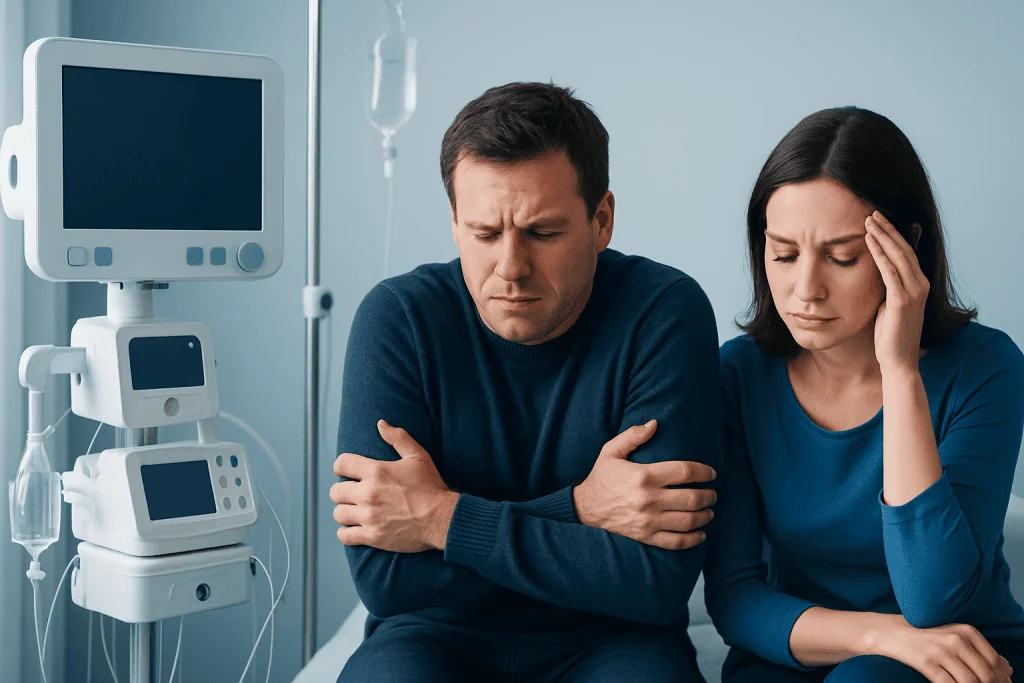
Fever is a controlled rise in body temperature that can occur when the immune system releases chemical signals in response to infection or inflammation. These signals adjust the body’s internal temperature set point. Until the body reaches that higher set point, a person may feel cold and shiver; this is why chills can occur even while a fever is developing.
Headache during a fever may be related to inflammatory signals, changes in blood vessels, sweating, poor sleep, or dehydration. Nasal and sinus inflammation can add pressure around the forehead, cheeks, or eyes. Repeated coughing, reduced appetite, and not drinking enough can also make an existing headache worse.
Not every episode of chills means that a person has a fever, and not every headache with chills is infectious. Anxiety, exposure to cold, low blood sugar, certain medicines, and some hormonal or metabolic conditions can produce a chilled feeling. Measuring temperature and noting associated symptoms can provide useful information for a clinician.
Common Causes and Patterns

Viral infections are among the most frequent reasons for headache and chills. Influenza, COVID-19, common cold viruses, and other respiratory viruses may also cause fatigue, sore throat, runny or blocked nose, cough, muscle aches, and fever. Some people have mild symptoms, while others feel significantly unwell for several days. Testing may be appropriate when it could affect treatment decisions, infection-control precautions, or contact with people at higher risk of severe illness.
Other infections can also cause these symptoms. Gastrointestinal infections may bring nausea, vomiting, diarrhea, or abdominal cramping. Urinary tract or kidney infections may cause burning during urination, frequent urination, lower abdominal discomfort, or pain in the side or back. Skin, dental, or other localized infections can occasionally lead to feverish symptoms as well.
Non-infectious triggers are possible. Dehydration, especially after exercise, alcohol use, vomiting, diarrhea, or time in hot conditions, can cause headache, weakness, and chills. Heat exhaustion can also lead to headache, sweating, dizziness, nausea, and feeling unwell. Migraine can cause a severe headache with nausea and sensitivity to light or sound; some people feel cold or shaky during an attack, but fever is not typical and should prompt consideration of another cause.
- Recent travel, insect or tick exposure, or contact with someone who is ill may be relevant.
- New medicines, missed meals, alcohol withdrawal, or substance use can contribute to chills or headache.
- People with weakened immune systems may develop fewer typical symptoms and should seek advice earlier if they feel unwell.
Symptoms That Help Clarify the Cause
The full symptom pattern is more informative than headache and chills alone. A gradual headache with cough, sore throat, body aches, and tiredness often points toward a respiratory infection. Facial pressure and thick nasal drainage may occur with viral congestion or sinus inflammation, although most early sinus symptoms do not require antibiotics.
Symptoms involving the stomach or urinary system may direct attention elsewhere. Diarrhea, vomiting, and abdominal pain can suggest a gastrointestinal infection or food-related illness. Pain or burning with urination, cloudy urine, flank pain, or a fever may indicate a urinary infection, which needs clinical assessment, particularly when symptoms are severe or there is back pain and fever.
Clinicians also pay close attention to features that are not expected with an uncomplicated viral illness. These include neck stiffness, a new rash that does not fade when pressed, confusion, fainting, seizures, marked drowsiness, weakness on one side, difficulty speaking, or significant shortness of breath. These symptoms can indicate a more serious condition and require prompt evaluation.
Diagnosis and Medical Assessment
A healthcare professional will usually ask about the timing of symptoms, measured temperatures, recent illnesses and travel, medicines, medical conditions, and exposure to sick contacts. They may ask whether the headache is new, whether it came on suddenly, where it is located, and whether light, movement, coughing, or lying down changes it.
An examination may include temperature, pulse, blood pressure, oxygen level, hydration status, and assessment of the throat, lungs, abdomen, skin, and nervous system. Depending on the findings, testing may include viral testing, blood tests, urine testing, or imaging. These tests are not needed for every person with a mild, short-lived illness; they are selected based on symptoms and individual risk factors.
People should share relevant information clearly, including pregnancy, immune-suppressing treatment, chronic kidney or liver disease, recent surgery, and severe allergies. A detailed account of symptoms can help distinguish a common infection from conditions that need specific treatment, such as bacterial infections or neurological causes of severe headache.
Comfort Measures and Safe Self-Care
For mild symptoms without warning signs, supportive care is often helpful. Rest, regular fluids, and light meals as tolerated can support recovery. Water, soups, oral rehydration drinks, and other non-alcoholic fluids may be useful, particularly if sweating, vomiting, or diarrhea is present. Urine that is very dark or infrequent may suggest that fluid intake needs attention.
A cool, comfortable room and light clothing may help if a person has fever, while a blanket can be used during active chills. Avoid overheating with many layers or very hot baths, as this can increase discomfort. People should check their temperature periodically rather than relying only on how hot or cold they feel.
Over-the-counter pain or fever medicines may reduce headache, fever, and body aches for some adults and children when used according to the product label and a clinician’s advice. The safest option depends on age, pregnancy status, allergies, and conditions affecting the stomach, kidneys, liver, or blood clotting. Aspirin should not be given to children or teenagers with a viral illness unless specifically advised by a clinician. Antibiotics do not treat viral infections and should only be used when prescribed for a confirmed or strongly suspected bacterial infection.
When to Seek Medical Care
Urgent medical care is needed for a sudden, severe headache that reaches maximum intensity quickly, or for headache and chills with confusion, fainting, seizure, stiff neck, a new widespread rash, weakness, numbness, trouble speaking, vision changes, chest pain, severe breathing difficulty, or blue or gray lips. These symptoms may signal a serious infection, neurological emergency, or another condition requiring immediate assessment.
Same-day medical advice is appropriate for persistent high fever, worsening headache, repeated vomiting, signs of dehydration, severe abdominal or flank pain, painful urination with fever, or symptoms that are not improving as expected. Infants, older adults, pregnant people, and people with immune suppression or significant long-term medical conditions should seek guidance sooner when feverish symptoms occur.
A person should also arrange medical review if headaches and chills keep returning without a clear explanation, occur after travel or a known tick bite, or begin after a new medication. Acibadem International’s multidisciplinary specialists and JCI-accredited hospitals can assess infectious, neurological, and general medical causes for international patients when specialist evaluation is needed.
Frequently asked questions
Can a headache and chills happen without a fever?
Yes. Chills can occur before a fever develops or when body temperature is normal. Dehydration, exposure to cold, anxiety, low blood sugar, medication effects, and migraine-related symptoms may also contribute. If symptoms are severe, persistent, or unexplained, a clinician can help identify the cause.
Are headache and chills a sign of influenza or COVID-19?
They can be. Both influenza and COVID-19 may cause headache, chills, fever, fatigue, body aches, cough, sore throat, or nasal symptoms, but symptoms overlap with many other illnesses. Testing may be useful when recommended locally or when it could affect treatment and infection precautions.
What should a person drink when they have chills and a headache?
Water, broth, oral rehydration solutions, and non-alcoholic drinks are generally appropriate choices. Small, frequent sips may be easier if nausea is present. Medical advice is important if the person cannot keep fluids down, urinates very little, feels faint, or has signs of significant dehydration.
When is a headache with chills an emergency?
It is an emergency when the headache is abrupt and extremely severe or occurs with confusion, neck stiffness, seizure, weakness, speech difficulty, a concerning rash, severe breathing trouble, or loss of consciousness. Emergency services or urgent medical care should be sought rather than waiting for symptoms to pass.
Can sinus problems cause chills and headache?
Nasal congestion and sinus inflammation can cause facial pressure and headache, especially during a viral cold. Chills may occur if the underlying infection causes fever. Severe facial swelling, eye symptoms, persistent fever, or symptoms that worsen after initially improving should be assessed by a healthcare professional.
How long should headache and chills last?
With many uncomplicated viral illnesses, symptoms begin to improve over several days, although tiredness can last longer. The duration varies with the cause and the person’s general health. A healthcare professional should assess symptoms that worsen, fail to improve, or recur frequently.
References
- Centers for Disease Control and Prevention
- National Institute of Neurological Disorders and Stroke
- NHS
- Mayo Clinic
- World Health Organization
This article is for general information only and is not a substitute for professional medical advice. Please consult a qualified doctor about your individual situation.
Explore treatments in Turkey — costs, top hospitals & a free quote
JCI-accredited · board-certified surgeons · reply within 24h
Add us as a Preferred Source to see more of our trusted health content across Google Search, AI Overviews and Discover.