Headache Medicine in Pregnancy: What May Be Safe and When to Call Your Doctor

Acetaminophen is often considered a first-line option for headache relief in pregnancy, but it should still be used only as advised by a clinician. Some medicines, including many NSAIDs and certain migraine drugs, may not be safe during pregnancy or may only be used in selected situations.
Key Takeaways
- Acetaminophen is often considered a first-line option for headache relief in pregnancy, but it should still be used only as advised by a clinician.
- Some medicines, including many NSAIDs and certain migraine drugs, may not be safe during pregnancy or may only be used in selected situations.
- Hydration, sleep, regular meals, stress management, and avoiding triggers can help reduce headaches during pregnancy.
- A sudden, severe, persistent, or unusual headache in pregnancy may signal a more serious condition and should be evaluated promptly.
- Treatment decisions depend on the type of headache, the stage of pregnancy, personal medical history, and any other symptoms.
Headache medicine in pregnancy requires extra care because some common pain relievers may not be safe at certain stages of pregnancy. Many headaches can be managed with safer options and lifestyle steps, but severe or unusual symptoms should be assessed promptly by a doctor.
Overview
Headaches are common during pregnancy. Hormonal changes, fatigue, dehydration, stress, poor sleep, and shifts in daily routine can all contribute. For many people, headaches are tension-type headaches or migraines that may already have been present before pregnancy.
Choosing headache medicine in pregnancy is different from choosing it at other times. Some medicines that are commonly used outside pregnancy may affect the developing baby, especially during certain weeks or trimesters. Because of this, it is important to balance symptom relief with safety and to avoid self-medicating with over-the-counter or prescription drugs without guidance.
In general, acetaminophen is often the medicine most clinicians consider first for occasional headache relief in pregnancy. Even so, it is best used at the lowest effective amount for the shortest time needed, and only after checking with a healthcare professional, especially if headaches are frequent or severe.
Not every headache during pregnancy is harmless. While many are related to benign causes, a new, severe, or unusual headache can sometimes be linked to problems such as high blood pressure, preeclampsia, infection, or a neurological condition. That is why the pattern of symptoms matters just as much as the choice of medicine.
Common Types of Headaches and Symptoms
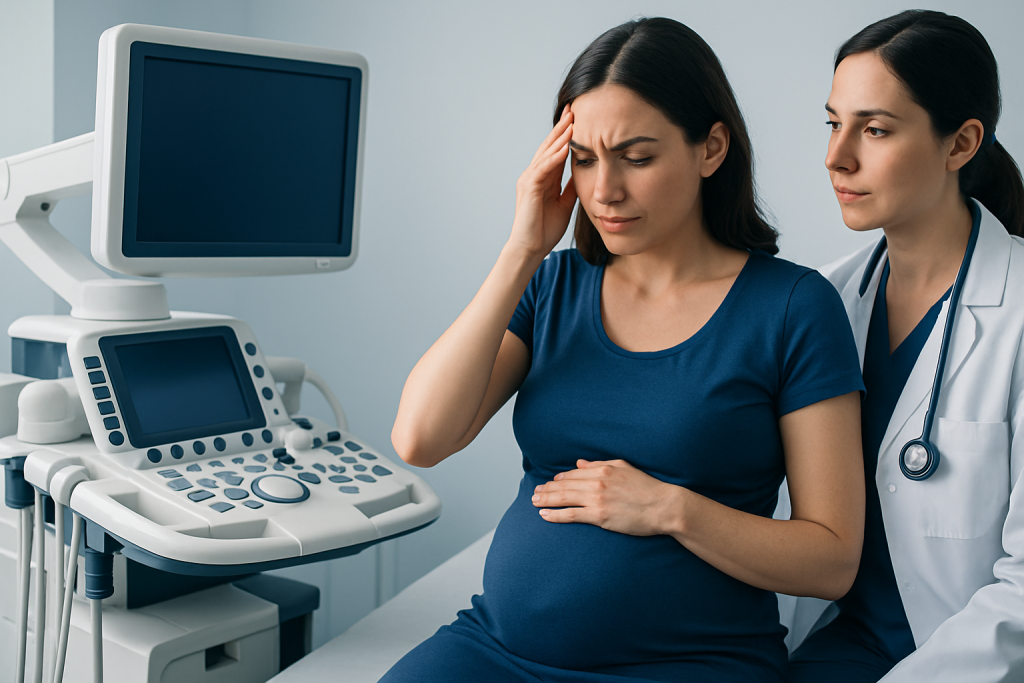
The most common headache types in pregnancy are tension headaches and migraines. Tension headaches often feel like a dull, steady pressure or tight band around the head. They may be linked to stress, muscle tension, skipped meals, lack of sleep, or long periods of screen use.
Migraine can cause moderate to severe throbbing pain, often on one side of the head, and may come with nausea, vomiting, and sensitivity to light or sound. Some people notice that migraine improves during pregnancy, especially after the first trimester, while others may continue to have attacks. Anyone with a history of migraine should discuss an updated treatment plan early in pregnancy.
Some symptoms suggest that a headache may need urgent medical attention rather than routine home care. These include a sudden “worst headache,” headache with vision changes, confusion, weakness, trouble speaking, fainting, fever, neck stiffness, or pain that does not improve with rest or approved treatment.
Headache can also occur with sinus symptoms, viral illness, or elevated blood pressure. During pregnancy, a headache that appears after mid-pregnancy together with swelling, abdominal pain, or changes in vision should never be ignored, because it can be a warning sign of a pregnancy-related complication.
What May Be Safe and What May Be Avoided

For many pregnant patients, acetaminophen may be considered the preferred medicine for occasional headache relief, but it should still be discussed with an obstetrician, family doctor, or neurologist. The exact advice may differ depending on medical history, liver disease, other medicines, and how often headaches happen.
Nonsteroidal anti-inflammatory drugs, or NSAIDs, such as ibuprofen and naproxen, are more complicated in pregnancy. These medicines may sometimes be considered in limited situations earlier in pregnancy under medical direction, but they are generally avoided later in pregnancy because they can pose risks to the baby and affect pregnancy-related circulation and fluid balance. Aspirin is also not routinely used for headache relief unless a doctor specifically recommends it for another reason.
Prescription migraine medicines need individual review. Some migraine-specific drugs, including certain triptans, may be appropriate for selected patients after careful discussion, while others may not be suitable. Ergot-containing medicines are generally avoided in pregnancy. If stronger treatment is needed, a clinician may discuss options such as anti-nausea medicines or supervised therapies for severe attacks. In some cases, care from a specialist in neurology can help tailor a safe plan.
Combination pain relievers that contain caffeine, multiple active ingredients, or decongestants should not be assumed safe just because they are sold over the counter. Reading labels matters, but reading labels is not enough. The safest approach is to ask a qualified clinician or pharmacist before taking any medicine, herbal product, or supplement for headache during pregnancy.
Causes and Risk Factors for Headache in Pregnancy
Pregnancy can increase headache risk in several ways. Hormonal changes affect blood vessels and pain pathways. Nausea and vomiting can lead to dehydration. Food aversions or morning sickness may cause low blood sugar from missed meals, and poor sleep is common throughout pregnancy.
Stress, anxiety, neck strain, and changes in caffeine use can also trigger headaches. Some people stop caffeine suddenly when they learn they are pregnant, and that abrupt change may lead to withdrawal headaches. It may help to discuss safe daily caffeine limits with a healthcare professional rather than making assumptions.
Headaches may also be related to pre-existing conditions such as migraine, high blood pressure, sinus disease, or anemia. Less commonly, pregnancy-related complications such as preeclampsia can cause headache, especially after 20 weeks of pregnancy. This type of headache may be accompanied by visual symptoms, swelling, or elevated blood pressure.
Rarely, a severe headache may point to a more urgent neurological problem, such as bleeding, stroke, clotting problems, or infection. These causes are uncommon, but they are important because prompt diagnosis can protect both the mother and baby. New symptoms or a major change from a person’s usual headache pattern should be evaluated promptly.
How Doctors Diagnose Headache During Pregnancy
Diagnosis begins with a detailed history. A doctor will usually ask when the headaches started, how they feel, how long they last, what triggers them, what other symptoms are present, and what medicines have already been taken. Blood pressure, hydration, and general health are also important parts of the assessment.
In many cases, the pattern suggests a primary headache such as tension headache or migraine. If so, treatment may focus on symptom relief and prevention. But if the headache is new, severe, persistent, or associated with neurological symptoms, the doctor may look for secondary causes that need urgent treatment.
Tests depend on the situation. They may include blood pressure measurement, urine testing for protein, blood tests, or imaging if warning signs are present. Imaging is not needed for every headache, but it can be important when doctors need to rule out serious causes. When necessary, specialists in diagnostics and imaging can help choose appropriate tests during pregnancy.
Depending on the symptoms, care may involve an obstetrician, neurologist, emergency physician, or maternal-fetal medicine specialist. If the headache raises concern for a brain or nerve-related condition, evaluation through neurosurgery or advanced neurological assessment may be considered in selected cases.
Treatment Options and Self-Care
Treatment depends on the type of headache and whether there are any red-flag symptoms. For mild headaches, non-drug measures often help. These include resting in a dark, quiet room, drinking fluids, eating a light meal or snack, using a cool compress on the forehead, and doing gentle stretching or relaxation exercises.
If medicine is needed, a clinician may recommend acetaminophen as an option for occasional use. People who have frequent headaches, severe migraine, or nausea may need a more individualized plan. Some patients benefit from a written treatment strategy that explains what to do at the start of a headache, what medicines may be used, and when to seek urgent care.
Preventive treatment is more complex during pregnancy. Doctors usually focus first on trigger management, sleep hygiene, regular meals, and stress reduction. If headaches are disabling or happen often, a specialist may discuss the safest available preventive options based on trimester, medical history, and previous response to treatment. Anyone with recurrent headache should avoid starting or stopping prescription medicines without medical advice.
Near the end of the care pathway, some patients may benefit from coordinated evaluation across obstetrics, neurology, and imaging. Acibadem International’s multidisciplinary specialists and JCI-accredited hospitals diagnose and treat this condition for international patients when specialist assessment is needed.
Prevention and Practical Daily Habits
Simple daily habits can lower the chance of headaches during pregnancy. Drinking enough water, eating regular balanced meals, and maintaining a consistent sleep schedule are often helpful. Long gaps without food can trigger headaches, so small, frequent meals may be easier for people dealing with nausea.
It can also help to identify personal triggers. Common triggers include strong odors, missed caffeine, bright lights, stress, certain foods, and poor posture. Keeping a headache diary may reveal patterns, including the time of day headaches occur, what was eaten, how much sleep was obtained, and which symptoms came first.
Gentle physical activity, if approved by the pregnancy care team, may reduce stress and improve sleep. Relaxation techniques such as paced breathing, meditation, prenatal yoga, and warm showers can also help some people. Avoiding medication overuse is important, because frequent use of pain relievers can sometimes worsen headaches over time.
Before taking any over-the-counter product, it is wise to ask a doctor or pharmacist whether it is suitable during pregnancy. This includes cold remedies, sinus medicines, supplements, and herbal products, since many contain ingredients that may not be appropriate.
When to Call a Doctor
A doctor should be contacted promptly for a headache that is new, unusually severe, or different from previous headaches. This is especially important if the headache begins suddenly, wakes someone from sleep, or does not improve with rest and approved treatment.
Urgent assessment is needed if headache occurs with vision changes, high blood pressure, swelling of the face or hands, severe nausea and vomiting, confusion, weakness, numbness, trouble speaking, chest pain, shortness of breath, fever, or neck stiffness. These symptoms can point to conditions that need rapid treatment.
Headaches after 20 weeks of pregnancy deserve special attention if they are persistent or accompanied by visual changes or upper abdominal pain, because they may be related to preeclampsia. People should not wait to see if these symptoms pass on their own.
Even when symptoms seem mild, frequent headaches are worth discussing at a routine prenatal visit. A healthcare professional can help confirm the cause, review medicines, and create a safer plan for relief during the rest of the pregnancy and after delivery.
Frequently asked questions
Can acetaminophen be used for headache during pregnancy?
Acetaminophen is often considered a first-choice medicine for occasional headache relief during pregnancy. However, it should still be used only as directed by a healthcare professional, especially if headaches are frequent, severe, or accompanied by other symptoms.
Is ibuprofen safe for headaches in pregnancy?
Ibuprofen and other NSAIDs are not automatically considered safe in pregnancy. They may sometimes be used only in selected situations under medical advice, and they are generally avoided later in pregnancy because of potential risks to the baby.
What can help a pregnancy headache without medicine?
Many people feel better with hydration, rest, a snack or light meal, a cool compress, and time in a quiet, dark room. Regular sleep, gentle stress management, and avoiding known triggers can also reduce how often headaches happen.
When is a headache in pregnancy an emergency?
A headache needs urgent medical attention if it is sudden and severe, very different from usual, or occurs with vision changes, weakness, confusion, fainting, fever, or high blood pressure. Persistent headache after 20 weeks of pregnancy should also be assessed, especially if swelling or abdominal pain is present.
Can migraine continue during pregnancy?
Yes, migraine can continue during pregnancy, although some people notice improvement after the first trimester. Because treatment choices change in pregnancy, anyone with migraine should review their plan with a doctor rather than relying on their usual medicines.
Should over-the-counter combination headache medicines be avoided?
Many combination products contain ingredients such as caffeine, NSAIDs, aspirin, or decongestants that may not be appropriate during pregnancy. It is safest to check every product with a doctor or pharmacist before taking it.
References
- American College of Obstetricians and Gynecologists
- National Institute of Neurological Disorders and Stroke
- National Health Service
- Mayo Clinic
- World Health Organization
This article is for general information only and is not a substitute for professional medical advice. Please consult a qualified doctor about your individual situation.
Headache Medicine in Turkey — costs, top hospitals & a free quote
JCI-accredited · board-certified surgeons · reply within 24h
Add us as a Preferred Source to see more of our trusted health content across Google Search, AI Overviews and Discover.
Check your numbers in seconds
BMI, calories, due date, blood pressure and 30+ more clinical calculators — free, instant, doctor-reviewed ranges.

Neurology
Diagnosis and treatment of disorders of the brain, spinal cord, nerves and muscles.
51 specialists in this unit