

Headache Medicine in Pregnancy: What May Be Safer and What to Avoid

Acetaminophen is often considered a first-choice option for occasional headaches in pregnancy when used as directed by a doctor. Some medicines that are commonly used outside pregnancy, including many NSAIDs, may need to be avoided or used only during certain stages.
Key Takeaways
- Acetaminophen is often considered a first-choice option for occasional headaches in pregnancy when used as directed by a doctor.
- Some medicines that are commonly used outside pregnancy, including many NSAIDs, may need to be avoided or used only during certain stages.
- Migraine-specific treatments, combination pain relievers, and herbal products are not automatically safe in pregnancy.
- Frequent, severe, or unusual headaches during pregnancy should be medically evaluated rather than repeatedly self-treated.
- Non-medicine measures such as hydration, sleep, regular meals, and trigger management can also help reduce headaches.
Headache treatment during pregnancy needs extra care because some medicines are considered lower risk while others may affect the developing baby or the pregnancy itself. The safest choice depends on the type of headache, the stage of pregnancy, and the person’s overall health, so medical guidance is important.
Overview
Headaches are common during pregnancy. Hormonal changes, fatigue, nausea, stress, dehydration, poor sleep, and changes in caffeine intake can all play a role. For many people, headaches are mild and short-lived, but some experience migraines or more persistent symptoms that interfere with daily life.
Choosing headache medicine in pregnancy is not always straightforward. A medicine that is commonly used before pregnancy may not be the best option once pregnant, and timing matters because some medicines carry different risks in the first, second, or third trimester. This is why doctors usually recommend using the lowest effective dose for the shortest necessary time and avoiding unnecessary medicines.
In general, acetaminophen is often considered one of the safer first-line choices for occasional headache relief in pregnancy, when taken according to medical advice. By contrast, some anti-inflammatory pain relievers, certain migraine medicines, and products that combine several ingredients may need to be limited or avoided. Because every pregnancy is different, treatment should ideally be individualized.
It is also important to remember that not every headache in pregnancy is a routine headache. A new, severe, or unusual headache can sometimes signal a condition that needs prompt care. Rather than self-treating repeatedly, it is safer to speak with an obstetrician, family doctor, or neurologist if headaches are frequent, worsening, or associated with other symptoms.
What May Be Safer
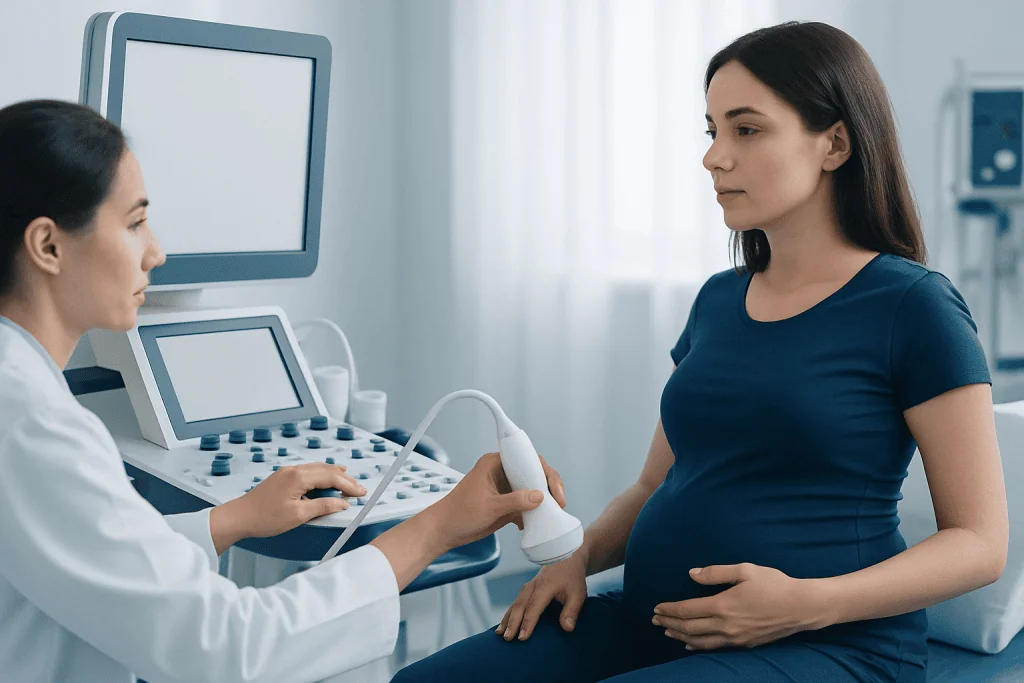
For many pregnant patients, acetaminophen is commonly recommended as a first-choice medicine for occasional headache relief. It does not reduce inflammation in the same way as NSAIDs, but it can help ease mild to moderate pain and fever. Even with medicines considered lower risk, people should still follow professional advice and avoid taking more than recommended.
Some patients with migraine may also need treatment for nausea, vomiting, or severe symptoms that prevent eating or drinking. In those cases, a doctor may recommend a pregnancy-appropriate anti-nausea medicine or other supportive treatment. This decision depends on symptom severity, medical history, and how far along the pregnancy is.
When headaches are frequent, prevention can matter as much as pain relief. Some non-drug strategies can reduce the need for medicine and are often encouraged first or alongside medication:
- Drinking enough fluids throughout the day
- Eating regular meals to avoid low blood sugar
- Keeping a consistent sleep schedule
- Reducing known headache triggers, such as skipped meals or bright light
- Using rest, a dark quiet room, or a cool compress
- Limiting stress where possible and using relaxation techniques
If headaches are recurrent or migraine-like, a doctor may review whether they fit a pattern such as migraine. That evaluation can help guide safer treatment choices during pregnancy and after delivery, especially for patients who have relied on prescription migraine medicines in the past.
What to Avoid or Use With Caution

Many nonsteroidal anti-inflammatory drugs, or NSAIDs, such as ibuprofen and naproxen, need caution in pregnancy. These medicines are sometimes avoided entirely unless a doctor specifically advises their use. In particular, they are generally avoided later in pregnancy because they may affect fetal circulation, amniotic fluid, or labor-related factors.
Aspirin is another medicine that should not be taken casually for headaches during pregnancy unless a clinician has advised it for a specific medical reason. Low-dose aspirin may be prescribed in some pregnancies for certain risk factors, but that is different from self-treating headache with standard pain-relief doses.
Some migraine-specific medicines, including certain triptans or ergot-derived medicines, may not be appropriate during pregnancy or may only be considered in selected situations after a careful discussion of benefits and risks. Combination pain relievers that contain caffeine, codeine, or other added ingredients also need caution because the extra components may not be ideal in pregnancy. Herbal supplements and “natural” remedies should not be assumed safe either, since safety data may be limited.
Repeated use of pain medicines can also create problems. Overuse may lead to rebound headaches, mask an underlying condition, or expose the pregnancy to unnecessary medication. If headaches are happening often enough that medicine is needed repeatedly, the better next step is medical review, not simply changing from one over-the-counter option to another.
Causes and Risk Factors for Headaches in Pregnancy
Many headaches during pregnancy are primary headaches, meaning the headache itself is the main problem. Tension-type headaches and migraines are common examples. Pregnancy can improve migraines in some people, especially later in pregnancy, but in others migraines continue or become more difficult to predict.
Common contributors include hormonal shifts, dehydration, nausea with poor oral intake, fatigue, stress, caffeine withdrawal, sinus congestion, and muscle tension in the neck and shoulders. Low blood sugar from skipping meals can also trigger headaches, especially in early pregnancy when nausea is more common.
Secondary headaches happen because of another medical condition. In pregnancy, doctors take these seriously because headaches may sometimes be linked to high blood pressure, preeclampsia, infection, anemia, or less common neurological conditions. A headache that is new, suddenly severe, or very different from past headaches deserves medical attention.
Patients who already live with frequent headaches, chronic migraine, or medication overuse headaches may need a treatment review before or during pregnancy. A specialist may help sort out patterns and discuss safer ways to manage symptoms, including non-drug approaches and, when needed, carefully selected medications used under supervision.
How Doctors Evaluate Headaches in Pregnancy
Diagnosis begins with a careful history. Doctors usually ask when the headaches started, how often they happen, what they feel like, whether there are visual symptoms or nausea, and what makes them better or worse. They also ask about blood pressure, swelling, fever, injury, past migraine history, and all medicines or supplements being taken.
A physical examination may include blood pressure measurement, a neurological exam, and assessment for signs of dehydration, infection, or sinus problems. In many cases, this is enough to identify a likely tension headache or migraine and guide treatment. The aim is to relieve symptoms while also making sure there is no warning sign of a more serious condition.
If red flags are present, further testing may be needed. Depending on the situation, this could include blood tests, urine testing, or imaging chosen with pregnancy safety in mind. Imaging is not needed for every headache, but it may be important if symptoms are severe, sudden, progressive, or accompanied by neurological changes.
People with established migraine may benefit from discussing a care plan before symptoms flare. For those with frequent or disabling attacks, a doctor may talk through options for specialist neurological evaluation and pregnancy-compatible symptom control, especially if the usual pre-pregnancy medicines are no longer appropriate.
Treatment Options During Pregnancy
Treatment depends on the headache type and severity. For mild, occasional headaches, rest, hydration, a snack, and acetaminophen may be enough. For migraine, additional supportive care such as lying in a dark room, sleep, and nausea treatment may help. A doctor may tailor treatment differently for someone with occasional headaches than for someone with severe recurring migraine.
Severe migraine can sometimes require urgent treatment if vomiting leads to dehydration or if the pain is disabling. Hospital-based care may include fluids, anti-nausea treatment, and monitoring, with medication choices adjusted to pregnancy. The main goal is to stabilize the patient safely rather than leave prolonged pain untreated.
Preventive treatment is more complex in pregnancy. Some medicines used to prevent migraine outside pregnancy are not suitable while pregnant, while others may be considered only in selected cases. Doctors weigh how often the headaches happen, how disabling they are, and whether non-drug measures have been enough before recommending preventive therapy.
In multidisciplinary settings, patients with persistent or complex symptoms may benefit from coordinated care between obstetrics and neurology. At Acibadem International, multidisciplinary specialists in JCI-accredited hospitals diagnose and treat headache disorders for international patients, helping tailor pregnancy-safe management plans when headaches become difficult to control.
Self-care and Prevention
Healthy daily habits can make a real difference in preventing headaches during pregnancy. Regular meals, steady hydration, and adequate sleep are among the most effective basics. Many pregnant people notice that headaches become more likely when they are overtired, dehydrated, or unable to eat due to nausea.
Keeping a headache diary may help identify triggers and patterns. Useful details include the time of day, foods eaten, sleep quality, stress level, and whether there were visual symptoms or nausea. This can also help a doctor decide whether the headaches are most consistent with migraine, tension headache, or another cause.
Reducing caffeine suddenly can trigger headaches, so any changes in caffeine use should be discussed with a clinician. Posture, screen breaks, gentle stretching, and relaxation exercises may also help, especially when neck tension contributes. Some patients find that prenatal massage or physical therapy guidance is useful, but these should be arranged through pregnancy-aware professionals.
If headaches remain frequent despite good self-care, the next step should be medical review rather than repeated self-medication. Ongoing symptoms may need a broader assessment to rule out secondary causes and to build a safer plan for both pregnancy and the postpartum period.
When to See a Doctor Urgently
Most headaches in pregnancy are not emergencies, but some symptoms should prompt urgent medical care. A sudden, severe headache; a headache unlike any previous one; or a headache that is rapidly worsening should be assessed promptly. The same is true for headache with confusion, weakness, fainting, seizures, chest pain, or shortness of breath.
Medical review is also important if a headache comes with high blood pressure, swelling, visual changes such as flashing lights or blurred vision, severe nausea and vomiting, fever, stiff neck, or reduced fetal movement later in pregnancy. These symptoms do not always mean a serious problem, but they need proper evaluation.
Persistent headaches that do not improve with rest or a doctor-approved medicine should also be discussed. Frequent need for pain relief may suggest migraine, medication overuse, or a secondary cause that has not yet been identified. Early assessment can often prevent complications and reduce unnecessary exposure to less suitable medicines.
After delivery, headache patterns can change again because of sleep disruption, hormonal shifts, and feeding demands. Any new or severe postpartum headache also deserves medical advice, especially if it is accompanied by high blood pressure or neurological symptoms.
Frequently asked questions
What headache medicine is usually considered safer in pregnancy?
Acetaminophen is commonly considered one of the safer first-choice options for occasional headache relief during pregnancy when used as directed by a doctor. Even so, pregnant patients should avoid taking any medicine more often or in higher amounts than advised.
Can ibuprofen be taken for headaches during pregnancy?
Ibuprofen and other NSAIDs often need caution in pregnancy and may be avoided, especially later in pregnancy. Because timing matters and individual circumstances differ, it is best not to use ibuprofen unless a clinician specifically says it is appropriate.
Are migraine medicines safe while pregnant?
Not all migraine medicines are considered safe in pregnancy. Some may be avoided, while others may be considered only in selected cases after a doctor weighs the benefits and possible risks based on the trimester and the severity of symptoms.
Should a pregnant person avoid combination headache products?
Yes, caution is wise with combination products because they may contain caffeine, aspirin, codeine, or other ingredients that are not ideal in pregnancy. Reading labels carefully and checking with a doctor or pharmacist is important before taking them.
When is a headache during pregnancy a warning sign?
A sudden severe headache, a headache with blurred vision, weakness, confusion, high blood pressure, or swelling should be assessed urgently. A headache that is new, unusual, or not improving with rest and doctor-approved treatment also deserves medical attention.
Can headaches in pregnancy be managed without medicine?
Often, yes. Hydration, regular meals, enough sleep, stress reduction, rest in a dark quiet room, and avoiding known triggers can all help reduce headaches and may lessen the need for medication.
References
- American College of Obstetricians and Gynecologists
- National Institute for Health and Care Excellence
- American Headache Society
- Centers for Disease Control and Prevention
- World Health Organization
This article is for general information only and is not a substitute for professional medical advice. Please consult a qualified doctor about your individual situation.
Headache Medicine in Turkey — costs, top hospitals & a free quote
JCI-accredited · board-certified surgeons · reply within 24h
Add us as a Preferred Source to see more of our trusted health content across Google Search, AI Overviews and Discover.

Neurology
Diagnosis and treatment of disorders of the brain, spinal cord, nerves and muscles.
51 specialists in this unitMore from the Health Library



Related Specialists

Prof. Dr. Gültekin Karakuş
Cardiology
Assoc. Prof. Dr. Lütfiye Uygur
Gynecology & Obstetrics
Dr. Ayten Güner Akbıyık
Thoracic Surgery
Dr. İsmail Beşiroviç
Inpatient Clinic Physicians Clinical Service