Headache on Left Side of Head: Common Causes, Related Conditions, and When to See a Doctor

One-sided head pain is often caused by migraine, tension-related pain, sinus inflammation, or neck and jaw problems. The exact location matters, but doctors also consider timing, triggers, associated symptoms, and medical history.
Key Takeaways
- One-sided head pain is often caused by migraine, tension-related pain, sinus inflammation, or neck and jaw problems.
- The exact location matters, but doctors also consider timing, triggers, associated symptoms, and medical history.
- Red-flag symptoms include a sudden explosive headache, neurologic changes, fever, or headache after head injury.
- Treatment depends on the cause and may include hydration, rest, trigger management, and prescription or nonprescription medicines.
- Frequent headaches or regular painkiller use can lead to worsening patterns and deserve medical review.
A headache on left side of head is commonly linked to migraine, tension-type headache, neck strain, sinus disease, or medication overuse. While many one-sided headaches are not dangerous, a sudden severe headache or one with weakness, confusion, fever, or vision changes should be assessed promptly.
Overview: what a headache on the left side of the head can mean
A headache on left side of head can happen for many reasons. In many people, it is caused by a primary headache disorder such as migraine or tension-type headache, meaning the headache itself is the main condition rather than a sign of another illness. In others, pain may come from nearby structures such as the sinuses, jaw, neck muscles, teeth, or nerves.
Headaches do not always stay in one place, but one-sided pain can offer clues. Migraine often affects one side, though it can switch sides between attacks. Cluster headache and some nerve-related headaches may also be strongly one-sided. At the same time, a left-sided headache does not automatically point to a serious brain problem.
Doctors usually look beyond location alone. They ask when the pain started, whether it came on suddenly or gradually, how severe it is, what it feels like, what symptoms occur with it, and whether there are triggers such as stress, poor sleep, skipped meals, or hormonal changes. This fuller picture is more useful than side alone.
Common symptoms and how the pain may feel
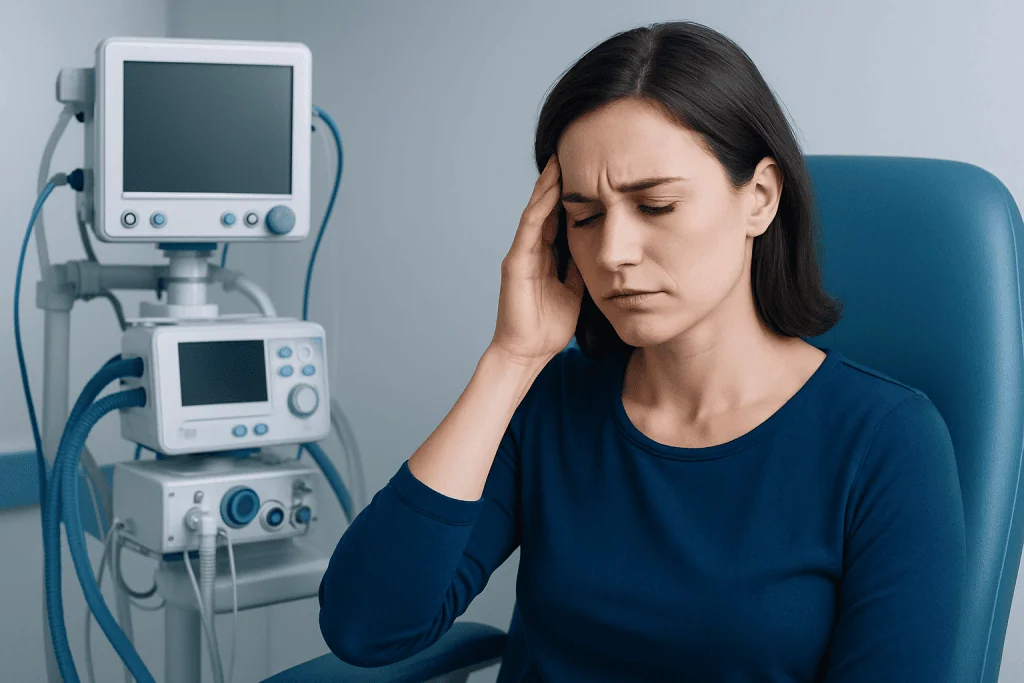
Left-sided headache pain may feel throbbing, pulsing, tight, dull, sharp, burning, or stabbing. Some headaches are mild and annoying, while others interfere with work, sleep, or daily tasks. The pain may stay around the temple, eye, forehead, scalp, or back of the head, or it may spread into the neck and face.
Associated symptoms often help narrow the cause. Migraine may come with nausea, vomiting, sensitivity to light, sensitivity to sound, or visual symptoms. Tension-type headache more often causes pressure or tightness, sometimes with tenderness in the scalp, neck, or shoulders. Sinus-related pain may be accompanied by nasal congestion, facial pressure, or thick nasal discharge.
Some one-sided headaches have more distinctive features. Cluster headache can cause severe pain around one eye with tearing, a drooping eyelid, a runny nose, or restlessness. Nerve irritation can cause brief shooting pain. Problems involving the jaw joint or neck may make pain worse with chewing, posture changes, or turning the head.
- Throbbing or pulsating pain may suggest migraine.
- Band-like pressure may fit tension-type headache.
- Pain around one eye with tearing may suggest cluster headache.
- Facial pressure and congestion may point to sinus disease.
- Scalp tenderness or jaw discomfort can suggest muscle, joint, or vessel-related causes.
Common causes of left-sided headache

Migraine is one of the most common reasons for a headache on one side of the head. A migraine attack may last hours to days and can be disabling. Some people have aura before or during migraine, which may include flashing lights, zigzag lines, tingling, or speech difficulty. Helpful background information is available in migraine resources when symptoms are recurrent or follow a familiar pattern.
Tension-type headache is another frequent cause. Although it is often described as pressure on both sides of the head, some people feel it more on one side. Stress, fatigue, prolonged screen use, eye strain, poor posture, and neck muscle tension can all contribute. Jaw clenching and teeth grinding may also refer pain to the temple or side of the head.
Sinus inflammation can create pain in the forehead, cheek, around the eyes, or one side of the head, especially if congestion is mostly on one side. However, many headaches people call “sinus headaches” are actually migraines. Dental infections, temporomandibular joint disorders, and neck problems can also radiate pain upward.
Less common but important causes include cluster headache, medication-overuse headache, high blood pressure in some situations, infections, inflammation of blood vessels, and rarely bleeding, stroke, or a mass lesion. A severe, abrupt headache with neurologic symptoms should never be dismissed. For evaluation of unexplained or persistent symptoms, doctors may use a neurological examination and, when needed, brain MRI to look for structural causes.
Triggers and risk factors that can make headaches more likely
Headache triggers are not the same as causes, but they can make attacks more likely in people who are prone to them. Common triggers include stress, poor sleep, skipped meals, dehydration, alcohol, certain foods, strong odors, bright lights, and long periods of screen exposure. Hormonal changes around menstruation can also play a role, especially in migraine.
Medication use matters too. Frequent use of pain-relieving medicines, even over-the-counter products, can sometimes lead to medication-overuse headache. In this pattern, headaches become more frequent and the medicines work less well over time. Caffeine can be similar: too much may trigger headaches in some people, while sudden caffeine withdrawal can trigger headaches in others.
Other risk factors include a personal or family history of migraine, anxiety, depression, sleep disorders, neck strain, and untreated vision problems. Smoking is strongly associated with cluster headache. Older age at first onset, cancer, pregnancy, immune suppression, and recent infection can influence how urgently a headache should be evaluated because they broaden the list of possible underlying causes.
How doctors diagnose the cause
Diagnosis starts with a detailed history and physical examination. A doctor will ask about the pattern of the pain, whether headaches are new or long-standing, what symptoms occur before or during the attack, how often they happen, and what medicines are used. They may also ask about trauma, blood pressure, sleep, stress, menstrual history, and any past conditions such as sinus disease or migraine.
A neurological examination helps check strength, sensation, coordination, speech, reflexes, and vision. In many people with a typical history of migraine or tension-type headache and a normal examination, no scan is needed. Imaging becomes more likely when the headache is new, unusual, progressively worsening, or accompanied by red flags such as seizures, confusion, weakness, or sudden onset.
Depending on symptoms, tests may include blood work, sinus evaluation, eye examination, or imaging such as CT or MRI. When doctors want a close look at blood vessels, specialized tests such as MR angiography may be considered in selected cases. If a person has acute neurologic symptoms, the care team may also assess for conditions including stroke as part of urgent evaluation.
Treatment options and day-to-day relief
Treatment depends on the cause. For migraine, doctors may recommend medicines that treat attacks early, along with preventive therapy if headaches are frequent or disabling. Tension-type headache may improve with hydration, regular meals, sleep optimization, posture correction, stress reduction, and suitable pain relief used as directed. Neck and jaw-related pain may respond to physical therapy, stretching, heat, or dental assessment.
If sinus disease is contributing, treatment focuses on the underlying nasal or sinus problem rather than headache medicine alone. Cluster headache often needs a specific treatment plan because the pain can be intense and recurrent. Persistent or unusual cases may need assessment by a neurologist or other specialist, and some patients benefit from neurological rehabilitation strategies when posture, neck function, or recovery after a neurologic illness plays a role.
Home measures can be useful during a typical benign headache episode. Resting in a quiet, dark room, drinking water, eating if a meal was missed, and using a cool compress may help. A headache diary can also be very helpful. Recording the time, symptoms, possible triggers, menstrual cycle, sleep, foods, and medicines often reveals patterns that guide treatment.
It is important to avoid overusing pain medicines. Taking them too often can worsen headaches over time. Anyone needing frequent treatment, missing work or school, or noticing changing headache patterns should seek medical advice to review the diagnosis and a safer long-term plan.
Prevention and self-care
Prevention often starts with regular habits. Adequate sleep, consistent meals, good hydration, routine physical activity, and stress management can reduce headache frequency in many people. For those who spend long hours at a desk, improving ergonomics and taking breaks to stretch the neck and shoulders may make a noticeable difference.
Identifying personal triggers is also useful. Not every person has the same triggers, and avoiding every possible trigger is not realistic. Instead, it is better to look for repeat patterns over time. For example, headaches that often follow poor sleep, dehydration, or skipped meals may improve when these issues are addressed consistently.
Some people benefit from relaxation techniques, mindfulness, breathing exercises, or physical therapy. If headaches are frequent, a doctor may discuss preventive medicines or treatment for related issues such as sleep apnea, anxiety, temporomandibular joint dysfunction, or chronic sinus disease. Near the end of the care pathway, international patients may also seek coordinated evaluation at centers such as Acibadem International, where multidisciplinary specialists in JCI-accredited hospitals diagnose and treat headache-related conditions.
When to seek medical care
Most left-sided headaches are not emergencies, but certain features need prompt medical attention. A person should seek urgent care for a sudden, severe “worst headache,” a headache that begins after head injury, or a headache with weakness, numbness, trouble speaking, confusion, fainting, seizure, or major vision loss. Fever, stiff neck, rash, or severe headache during pregnancy also deserve urgent assessment.
Medical review is also important when headaches are new after age 50, are becoming more frequent or severe, wake someone from sleep, occur with cancer or immune suppression, or do not fit a person’s usual pattern. Persistent pain around one eye, scalp tenderness, or jaw pain with chewing may need timely evaluation as well.
For non-urgent cases, seeing a doctor is sensible when headaches are happening often, interfering with daily life, or leading to regular use of pain medicines. A clear diagnosis can reduce worry and help guide the right treatment, whether the cause is migraine, tension, sinus disease, or another condition.
Frequently asked questions
Is a headache on the left side of the head always a migraine?
No. Migraine is a common cause of one-sided head pain, but left-sided headaches can also come from tension-type headache, sinus disease, neck strain, jaw joint problems, cluster headache, or medication overuse. The pattern of symptoms matters more than location alone.
Can stress cause a headache only on one side?
Yes, it can. Stress often contributes to tension in the neck, scalp, and jaw muscles, and some people feel this more on one side. Stress can also trigger migraine, which frequently causes one-sided pain.
When is a one-sided headache an emergency?
A one-sided headache needs urgent assessment if it starts suddenly and severely, follows a head injury, or comes with weakness, numbness, confusion, seizure, fainting, fever, stiff neck, or major vision changes. These features can suggest a serious underlying problem and should not be ignored.
Why do I get a headache behind my left eye?
Pain behind one eye can happen with migraine, cluster headache, sinus inflammation, eye strain, or less commonly an eye problem such as increased eye pressure. If the pain is severe, recurrent, or associated with redness, vision changes, or nausea, medical review is important.
Can sleeping position cause a headache on the left side?
Yes. An awkward sleeping position can strain the neck and shoulder muscles or aggravate jaw clenching, which may lead to one-sided pain. If this happens often, pillow support, sleep posture, and evaluation for teeth grinding or neck issues may help.
Should imaging be done for every left-sided headache?
Not always. Many people with a typical history of migraine or tension-type headache and a normal neurological examination do not need imaging. Scans are more likely to be recommended when the headache is new, unusual, worsening, or associated with red-flag symptoms.
References
- World Health Organization
- National Institute of Neurological Disorders and Stroke
- American Headache Society
- National Institute for Health and Care Excellence
- Mayo Clinic
This article is for general information only and is not a substitute for professional medical advice. Please consult a qualified doctor about your individual situation.
Explore treatments in Turkey — costs, top hospitals & a free quote
JCI-accredited · board-certified surgeons · reply within 24h
Add us as a Preferred Source to see more of our trusted health content across Google Search, AI Overviews and Discover.
Check your numbers in seconds
BMI, calories, due date, blood pressure and 30+ more clinical calculators — free, instant, doctor-reviewed ranges.

More from the Health Library



Related Specialists

Dr. Aysel Özkaynak
Gynecology & Obstetrics
Prof. Dr. Arzu Tatlipinar
Otorhinolaryngology
Dr. Cihan Göktaş
Inpatient Clinic Physicians Clinical Service
Assoc. Prof. Dr. Müjdat Kara
Endocrinology