Headache Relief Without Medicine: Practical Ways to Ease Pain Naturally

Many mild headaches improve with hydration, sleep, a calm environment, and gentle self-care. Tracking triggers such as stress, missed meals, dehydration, and poor posture can help prevent future headaches.
Key Takeaways
- Many mild headaches improve with hydration, sleep, a calm environment, and gentle self-care.
- Tracking triggers such as stress, missed meals, dehydration, and poor posture can help prevent future headaches.
- Cold or warm compresses, relaxation techniques, and neck stretching may ease tension or migraine-related discomfort.
- Frequent, severe, or unusual headaches should be assessed by a qualified doctor.
- Emergency symptoms such as sudden severe pain, weakness, confusion, or fever with neck stiffness need urgent medical attention.
Headache relief without medicine is possible for many mild, short-lived headaches through practical steps such as hydration, rest, stress management, and reducing common triggers. The right approach depends on the type of headache, how often it happens, and whether any warning signs suggest the need for medical care.
Overview: Can Headaches Improve Without Medicine?
Headaches are very common, and many people look for ways to feel better without taking medication right away. For mild headaches, practical measures such as drinking water, resting, eating a light meal, reducing screen exposure, and relaxing in a quiet space can sometimes bring noticeable relief. These approaches are especially helpful when a headache is linked to everyday factors such as stress, fatigue, dehydration, muscle tension, or skipping meals.
Natural or non-drug methods do not replace medical care when a headache is severe, frequent, or unusual. They are best viewed as supportive tools that may reduce discomfort, lower trigger exposure, and help a person feel more in control. Some methods work better for tension-type headaches, while others may help some people with migraine symptoms.
It also helps to remember that “headache” is not just one condition. Tension-type headache, migraine, sinus-related discomfort, eye strain, and headaches associated with illness can feel different and may need different strategies. If symptoms keep returning or interfere with daily life, a medical evaluation can help identify the cause and guide proper treatment.
Common Types of Headache and Their Symptoms
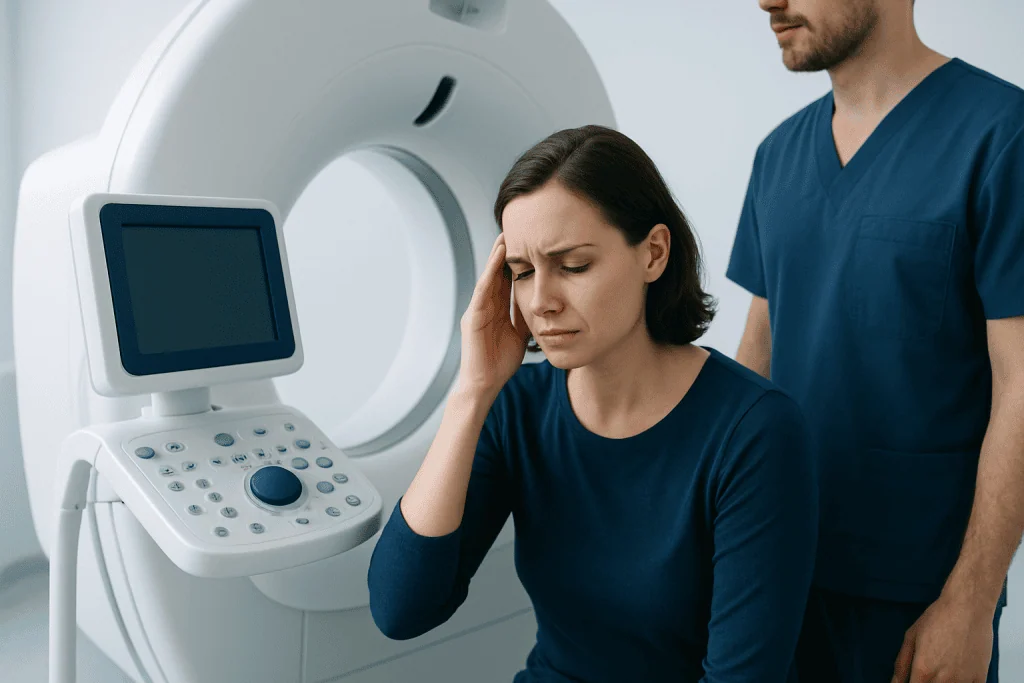
Tension-type headaches often cause a dull, steady ache or a feeling of pressure around the forehead or the back of the head and neck. Many people describe it as a tight band around the head. These headaches may be related to stress, prolonged sitting, poor posture, jaw clenching, or muscle tightness in the neck and shoulders.
Migraine is different from an ordinary headache. It may cause throbbing or pulsing pain, often on one side of the head, and can come with nausea, vomiting, or sensitivity to light, sound, or smells. Some people also experience visual symptoms or other warning signs before the headache begins. People with repeated migraines may benefit from learning more about migraine and its triggers.
Other headaches may feel as though they come from the sinuses, the eyes, or the neck. Headaches linked to eyestrain may appear after long periods of screen time or close work. Neck-related headaches can begin in the upper neck and spread upward. Because symptoms can overlap, it is not always easy to tell the exact cause without a careful history and, sometimes, medical assessment.
- Pressure or tightness often suggests tension-type headache.
- Throbbing pain with light sensitivity may suggest migraine.
- Pain after prolonged screen use may be linked to digital eye strain or posture.
- Headache with fever, weakness, confusion, or sudden severe onset needs urgent review.
Common Triggers and Risk Factors

Many headaches are influenced by daily habits and environmental factors. Dehydration is a common trigger, especially in warm weather, after exercise, or when fluid intake is low. Skipping meals can also lead to headache, as blood sugar changes may contribute to weakness, irritability, and head pain in some people.
Stress is another frequent factor. Emotional strain may increase muscle tension in the shoulders, face, and scalp, which can worsen discomfort. Poor sleep, irregular sleep schedules, excess caffeine, caffeine withdrawal, alcohol, and long hours in front of digital screens may all play a role. Strong odors, bright lights, loud noise, and hormonal changes may be important triggers for some people, especially those prone to migraine.
Posture matters too. Sitting with the head pushed forward, holding the shoulders tightly, or working at an uncomfortable desk can strain the neck and upper back. People who grind their teeth, clench the jaw, or have chronic neck pain may notice more frequent headaches. A headache diary can be very useful for identifying patterns over time.
Practical Ways to Relieve a Headache Naturally
One of the simplest first steps is to pause and assess basic needs: hydration, food, rest, and environment. Drinking water slowly, especially if fluid intake has been low, may help. If a meal was missed, a light snack can be useful. Resting in a dark, quiet room may reduce stimulation and allow symptoms to settle, particularly for people who are sensitive to light or noise.
Temperature-based comfort measures may also help. A cold pack or cool cloth placed on the forehead can be soothing for some headaches, including migraine. A warm compress over tight neck or shoulder muscles may help with tension-type headache. Gentle neck stretches, shoulder rolls, and brief movement breaks can reduce muscle strain, but movements should stay comfortable and never force the neck into pain.
Relaxation techniques are often effective because stress and muscle tension commonly interact. Slow breathing, mindfulness, guided relaxation, or a short break from work can reduce the body’s stress response. Some people feel better after a warm shower, a brief nap, or quiet time away from screens. If symptoms are linked to prolonged digital use, lowering screen brightness, improving posture, and following regular eye breaks can be helpful.
- Drink water and avoid becoming overheated.
- Eat regular meals and avoid long fasting periods unless medically advised.
- Rest in a calm, dark, quiet room.
- Try a cold compress on the head or a warm compress on tight neck muscles.
- Practice slow breathing or relaxation for 5 to 10 minutes.
- Reduce screen exposure and improve ergonomic posture.
Prevention and Self-Care Habits
Prevention is often the most effective long-term strategy. A regular sleep schedule can make a real difference, as both too little sleep and irregular sleep patterns may trigger headaches. Drinking enough fluids through the day, eating balanced meals on time, and limiting excess alcohol are also sensible preventive steps. People who consume caffeine may find it helpful to keep intake consistent rather than cycling between very high and very low amounts.
Stress management is another important part of prevention. Gentle exercise, stretching, walking, yoga, and relaxation routines may reduce the frequency of tension-related headaches for some people. Good workstation setup can also help: the screen at a comfortable height, feet supported, shoulders relaxed, and regular standing or stretching breaks during long sitting periods.
Keeping a headache diary can reveal personal patterns. Useful details include when the headache started, where the pain was located, what the person ate or drank, sleep quality, menstrual timing if relevant, recent stress, and any activities that improved or worsened the pain. If headaches are recurring, this information can help a doctor assess whether the pattern fits migraine, tension-type headache, or another cause.
When Medical Evaluation Is Important
While many headaches are not dangerous, some situations should not be managed at home alone. Medical review is important if headaches are frequent, getting worse, disrupting normal activities, or starting for the first time later in life. A person should also seek care if usual self-care steps no longer help or if the pattern has clearly changed.
Urgent assessment is needed for warning signs such as a sudden, very severe headache; headache after a head injury; weakness or numbness; difficulty speaking; confusion; fainting; seizure; fever with neck stiffness; or headache with vision loss. These symptoms can point to a more serious problem and should be assessed promptly.
A doctor may evaluate headache by reviewing symptoms, triggers, medical history, and the pattern over time. In some cases, referral to a specialist is appropriate, especially if migraine is suspected or if symptoms are complex. People with chronic or difficult-to-control headaches may benefit from evaluation in a dedicated headache clinic or headache care pathway where underlying causes and management options can be reviewed carefully.
Diagnosis and Treatment Beyond Home Remedies
Diagnosis begins with a detailed conversation about the headache. Doctors usually ask about location, severity, timing, triggers, associated symptoms, sleep, caffeine, stress, and family history. A physical and neurological examination may follow. Imaging tests are not needed for every headache, but they may be recommended if warning signs, unusual symptoms, or examination findings suggest a need for further investigation.
Treatment depends on the cause. Some people need guidance on lifestyle changes and trigger management, while others may benefit from structured care for migraine or chronic headaches. In selected cases, care may involve neurology assessment, pain management support, physical therapy for neck-related contributors, or imaging to rule out other conditions. If symptoms suggest a more complex issue, doctors may advise neurology evaluation or MRI scanning as part of diagnosis.
Near the end of the care pathway, it can be reassuring to know that multidisciplinary specialists can help when headaches are persistent or difficult to classify. Acibadem International’s JCI-accredited hospitals provide diagnosis and treatment for international patients, with access to coordinated specialties when needed. The goal is to identify the cause accurately and build a safe, individualized plan rather than relying on repeated self-treatment alone.
Frequently asked questions
What is the fastest natural way to relieve a headache?
The best first steps are often simple: drink water, rest in a quiet and dark room, and reduce screen exposure. A cold compress on the forehead or a warm compress on tight neck muscles may also help, depending on the type of headache.
Can dehydration really cause headaches?
Yes. Low fluid intake can contribute to headache in many people, especially in hot weather, after exercise, or during illness. Drinking water steadily through the day may help prevent this trigger.
Are natural methods helpful for migraine too?
They can help some people, especially when used early and combined with trigger control. Resting in a dark room, limiting noise, staying hydrated, and using a cold pack may reduce discomfort, but recurrent migraine still deserves medical assessment.
When should someone worry about a headache?
A headache needs urgent medical attention if it starts suddenly and severely, follows a head injury, or comes with weakness, confusion, seizure, fever with neck stiffness, or vision loss. Frequent or worsening headaches should also be evaluated by a doctor.
Can stress cause daily headaches?
Stress can contribute to repeated headaches, especially tension-type headaches. It may increase muscle tightness, disturb sleep, and make a person more sensitive to pain, so relaxation and routine stress management can be useful.
Is caffeine good or bad for headaches?
It depends on the person and the pattern of use. For some people, consistent small amounts may not cause problems, but excess caffeine or sudden withdrawal can trigger headaches, so regular and moderate habits are generally more helpful.
References
- World Health Organization
- National Institute of Neurological Disorders and Stroke
- American Migraine Foundation
- National Health Service
- International Headache Society
This article is for general information only and is not a substitute for professional medical advice. Please consult a qualified doctor about your individual situation.
Explore treatments in Turkey — costs, top hospitals & a free quote
JCI-accredited · board-certified surgeons · reply within 24h
Add us as a Preferred Source to see more of our trusted health content across Google Search, AI Overviews and Discover.