Headaches After Age 50: When New Pain Needs a Neurology Evaluation

A new headache after age 50 is more likely to need medical evaluation than headaches that began earlier in life. Many causes are not dangerous, but some headaches can signal conditions such as temporal arteritis, stroke, bleeding, infection, or medication-related problems.
Key Takeaways
- A new headache after age 50 is more likely to need medical evaluation than headaches that began earlier in life.
- Many causes are not dangerous, but some headaches can signal conditions such as temporal arteritis, stroke, bleeding, infection, or medication-related problems.
- Warning signs include sudden severe pain, vision changes, confusion, weakness, fever, jaw pain with chewing, and headaches that steadily worsen.
- Diagnosis may involve a neurological exam, blood tests, imaging, and review of medications and medical history.
- Treatment depends on the cause and may include lifestyle changes, medication adjustment, headache-specific therapies, or urgent treatment for underlying disease.
Headaches after age 50 are often related to manageable conditions, but a headache that is new, changing, or unusually severe deserves prompt medical attention. Careful evaluation helps identify common triggers, rule out more serious causes, and guide the right treatment.
Overview
Headaches can occur at any age, but a headache that first appears after age 50 is approached differently from one that began earlier in life. In younger adults, repeated headaches are often due to primary headache disorders such as migraine or tension-type headache. In older adults, headaches may still be caused by these common conditions, but doctors are more careful about looking for an underlying medical reason.
This does not mean that every new headache is an emergency. Many are linked to dehydration, poor sleep, neck strain, medication side effects, high blood pressure readings during stress, sinus symptoms, or changes in vision. Still, because the chance of a secondary cause rises with age, a new, persistent, or changing headache deserves professional evaluation rather than self-diagnosis alone.
A neurology evaluation may be especially helpful when the pattern is unusual, when over-the-counter remedies are no longer working, or when the headache comes with other symptoms. The goal is to identify the cause, relieve pain, and make sure a more serious condition is not being missed.
Symptoms and warning signs to notice
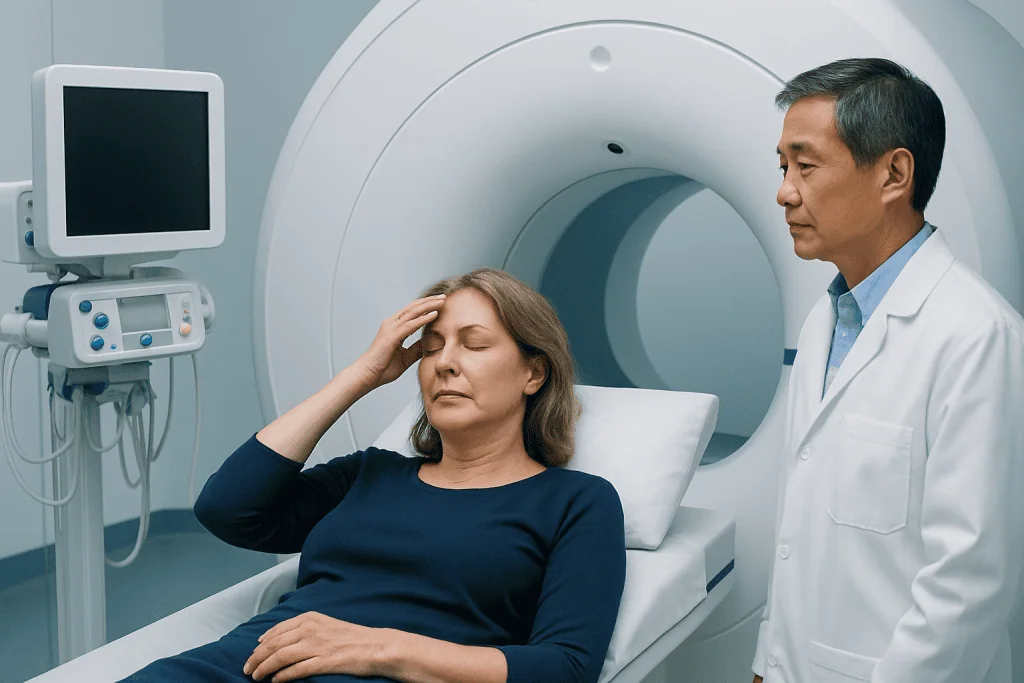
Headaches after age 50 can feel different from person to person. Some people describe a dull pressure across the forehead or scalp, while others feel throbbing on one side, pain behind the eyes, or aching in the neck and back of the head. The headache may come and go, worsen over days to weeks, or start suddenly.
Associated symptoms can offer important clues. Nausea, light sensitivity, sound sensitivity, scalp tenderness, watery eyes, nasal congestion, dizziness, or neck stiffness may point toward particular headache types. It is also helpful to notice whether the pain begins at a certain time of day, after coughing or exertion, after missing meals, or after starting a new medicine.
Certain features should prompt urgent medical attention because they may indicate a serious cause:
- A sudden, explosive, or “worst headache” of life
- New headache with weakness, numbness, trouble speaking, confusion, or fainting
- Headache with fever, stiff neck, or severe illness
- Headache after a fall or head injury
- New headache with vision loss, double vision, or eye pain
- Headache with jaw pain while chewing or tenderness over the temples
- A headache that steadily worsens or wakes the person from sleep
Even when symptoms seem mild, a headache that is entirely new in later life should not be ignored, especially if it persists for more than a short time or clearly differs from past headaches.
Causes and risk factors

There are two broad groups of headache causes: primary headaches, which are headache disorders themselves, and secondary headaches, which happen because of another condition. Primary headaches such as migraine can continue into older age, and some people experience tension-type headaches related to stress, sleep changes, posture, or muscle tension. However, in adults over 50, doctors pay close attention to secondary causes because they become more common.
Important secondary causes include inflammation of the blood vessels called giant cell arteritis, also known as temporal arteritis. This condition can cause new headache, scalp tenderness, jaw pain with chewing, fatigue, and visual symptoms, and it requires urgent treatment to help protect vision. Other possible causes include uncontrolled blood pressure, sinus or dental disease, glaucoma, sleep apnea, infection, bleeding around the brain, stroke, brain tumors, and side effects from medicines such as nitrates, some blood pressure drugs, or frequent pain reliever use.
Medication-overuse headache is another possibility, especially when painkillers are taken often for repeated headaches. In addition, older adults are more likely to have several health conditions at once, which can complicate the picture. Factors that may increase concern include a history of cancer, immune suppression, recent infection, use of blood thinners, significant weight loss, and neurological symptoms.
Age-related changes can also contribute indirectly. Poor sleep, dehydration, reduced appetite, uncorrected vision problems, cervical spine arthritis, and stress can all trigger head pain. A detailed history helps separate these common contributors from more urgent causes.
How doctors diagnose new headaches after age 50
Diagnosis begins with a careful medical history and neurological examination. The doctor will ask when the headache started, how it feels, where it is located, how long it lasts, what makes it better or worse, and whether there are symptoms such as visual changes, jaw pain, weakness, fever, or nausea. A full medication review is essential, including over-the-counter pain relievers, supplements, and recent treatment changes.
The physical examination may include blood pressure measurement, assessment of vision and eye movements, strength and sensation testing, reflexes, balance, and examination of the scalp, temples, neck, and jaw. If giant cell arteritis is suspected, blood tests for inflammation are commonly ordered. In some cases, doctors may also request tests to look for infection, metabolic problems, or medication-related issues.
Brain imaging is often considered for a first or unusual headache in an older adult, especially when warning signs are present. Depending on the situation, this may include MRI or CT imaging to look for bleeding, stroke, mass lesions, or other structural causes. Some people also need eye examination, sinus or dental assessment, sleep evaluation, or vascular imaging if the doctor suspects a circulation problem such as stroke.
The purpose of testing is not to alarm, but to be thorough. Once serious causes have been excluded, the care team can focus more confidently on symptom control and long-term prevention.
Treatment options
Treatment depends entirely on the cause. If the headache is due to dehydration, poor sleep, muscle tension, medication side effects, or visual strain, correcting the trigger may bring significant relief. If high blood pressure, infection, glaucoma, or another underlying condition is found, treatment is directed at that problem. When giant cell arteritis is suspected, doctors usually start treatment promptly because delays can increase the risk of vision complications.
For primary headache disorders such as migraine or tension-type headache, treatment may include pain-relieving medicines, anti-nausea medication, preventive therapies, and non-drug measures. In older adults, medication choices are made carefully to reduce side effects and avoid interactions with treatments already being used for heart disease, diabetes, sleep problems, or blood thinning. Frequent use of painkillers is usually discouraged because it can make headaches harder to control over time.
Some people benefit from specialist-guided care in neurology when the diagnosis is uncertain or headaches are persistent. If pain is linked to neck problems, posture, or muscle tension, physical therapy, stretching, and ergonomic changes may be useful. Stress management, regular meals, hydration, and a consistent sleep schedule often support medical treatment and reduce recurrence.
For international patients who need further assessment, Acibadem International’s multidisciplinary specialists and JCI-accredited hospitals diagnose and treat headache disorders and related neurological conditions with individualized evaluation plans.
Prevention and self-care
Not every headache can be prevented, but simple daily habits may reduce frequency and severity. Drinking enough fluids, eating regular meals, limiting excess alcohol, and maintaining consistent sleep are all helpful. Some people notice a pattern related to certain foods, skipped meals, eye strain, or prolonged time in one position, and a headache diary can make these triggers easier to identify.
Good self-care also includes reviewing medications with a doctor or pharmacist, especially if new headaches began after a prescription change. Reading glasses or updated vision correction may help when eye strain is contributing. Gentle exercise, regular stretching, and attention to neck posture can be useful for headaches related to muscle tension or cervical arthritis.
Over-the-counter pain relievers should be used thoughtfully. Taking them too often can lead to rebound or medication-overuse headache. It is generally safer to seek medical advice when headaches are frequent, escalating, or different from usual rather than increasing self-treatment.
Self-care is supportive, but it should not replace evaluation for a first headache after age 50. Early assessment is often the best way to gain reassurance and receive treatment that matches the real cause.
When to see a doctor
A doctor should evaluate any new headache that begins after age 50, even if the pain seems manageable. This is particularly important when the headache is worsening, recurring frequently, or unlike any previous headache. A neurology consultation can help clarify whether the pain is due to a primary headache disorder or a secondary medical condition that needs more targeted treatment.
Urgent care is needed for sudden severe headache, headache with neurological symptoms, or headache accompanied by fever, stiff neck, fainting, or vision loss. People taking blood thinners or those who recently had a head injury should be especially cautious. New headache with scalp tenderness and jaw pain while chewing should also be treated promptly because of concern for temporal arteritis.
It is reasonable to prepare for the appointment by noting when the headache started, how often it happens, what it feels like, what medications have been taken, and any associated symptoms. This information can make the evaluation more efficient and more accurate.
Most headaches after age 50 do not turn out to be the worst-case scenario. Still, prompt evaluation is the safest path when a headache is new, changing, or unexplained.
Frequently asked questions
Is a new headache after age 50 always serious?
No. Many headaches in older adults are caused by treatable issues such as dehydration, tension, medication side effects, poor sleep, or vision problems. However, because new headaches after age 50 are more likely to have an underlying medical cause, they should be evaluated by a doctor.
Why do doctors worry more about headaches that start later in life?
The risk of secondary headache causes increases with age. This means the headache may be linked to another condition, such as temporal arteritis, stroke, bleeding, infection, glaucoma, or a medication effect, rather than a long-standing primary headache disorder alone.
What symptoms mean urgent care is needed?
Seek urgent medical attention for a sudden severe headache, headache with weakness or trouble speaking, confusion, fainting, fever, stiff neck, or vision changes. Headache after a head injury or headache with jaw pain and scalp tenderness should also be assessed promptly.
Will a person always need a brain scan?
Not always, but imaging is more commonly recommended for a first or unusual headache in an older adult, especially if red flags are present. The decision depends on the person’s symptoms, exam findings, medical history, and the doctor’s level of concern.
Can migraine begin after age 50?
It can, but it is less common for migraine to start for the first time later in life. Because of that, doctors often look carefully for other causes before concluding that a new headache is migraine.
Can blood pressure cause headaches after age 50?
Very high blood pressure can be associated with headache, but mild or moderate elevations do not reliably explain most recurring headaches. Blood pressure should still be checked, especially when headaches are new, severe, or accompanied by other symptoms.
References
- National Institute of Neurological Disorders and Stroke
- American Headache Society
- National Institute on Aging
- Mayo Clinic
- Cleveland Clinic
This article is for general information only and is not a substitute for professional medical advice. Please consult a qualified doctor about your individual situation.
Explore treatments in Turkey — costs, top hospitals & a free quote
JCI-accredited · board-certified surgeons · reply within 24h
Add us as a Preferred Source to see more of our trusted health content across Google Search, AI Overviews and Discover.
Check your numbers in seconds
BMI, calories, due date, blood pressure and 30+ more clinical calculators — free, instant, doctor-reviewed ranges.