Healthy Aging: Strength, Nutrition, Sleep, and Preventive Screening

Healthy aging is supported by consistent habits rather than quick fixes, including movement, balanced nutrition, good sleep, and regular medical care. Strength training helps preserve muscle, balance, bone health, and daily function as people age.
Key Takeaways
- Healthy aging is supported by consistent habits rather than quick fixes, including movement, balanced nutrition, good sleep, and regular medical care.
- Strength training helps preserve muscle, balance, bone health, and daily function as people age.
- Preventive screening and vaccinations can identify risks early and reduce complications from common conditions.
- Sleep quality, stress management, social connection, and mental health are central parts of aging well.
- A personalized plan with a qualified doctor is important because health needs, medications, risks, and screening schedules vary from person to person.
Healthy aging is not about avoiding every health change, but about maintaining strength, independence, connection, and quality of life for as long as possible. Regular movement, nourishing food, restorative sleep, mental wellbeing, and preventive screening all work together to support long-term health.
Overview
Healthy aging refers to the process of maintaining physical, mental, and social wellbeing over time. It does not mean that a person will never develop a medical condition or need treatment. Instead, it focuses on preserving function, reducing avoidable risks, and supporting the ability to enjoy daily life, relationships, work, hobbies, and independence.
Aging affects every system in the body, including muscles, bones, metabolism, heart and blood vessels, brain, immune system, vision, hearing, and sleep patterns. Many of these changes are gradual, and lifestyle choices can influence how strongly they affect daily life. Regular physical activity, good nutrition, adequate sleep, preventive care, and meaningful social connection are among the most important foundations.
There is no single healthy aging plan that fits everyone. A person in their 40s with a family history of heart disease may need a different prevention plan than a person in their 70s managing arthritis, diabetes, or osteoporosis. The best approach is individualized, realistic, and regularly reviewed with healthcare professionals.
Strength, Balance, and Daily Movement
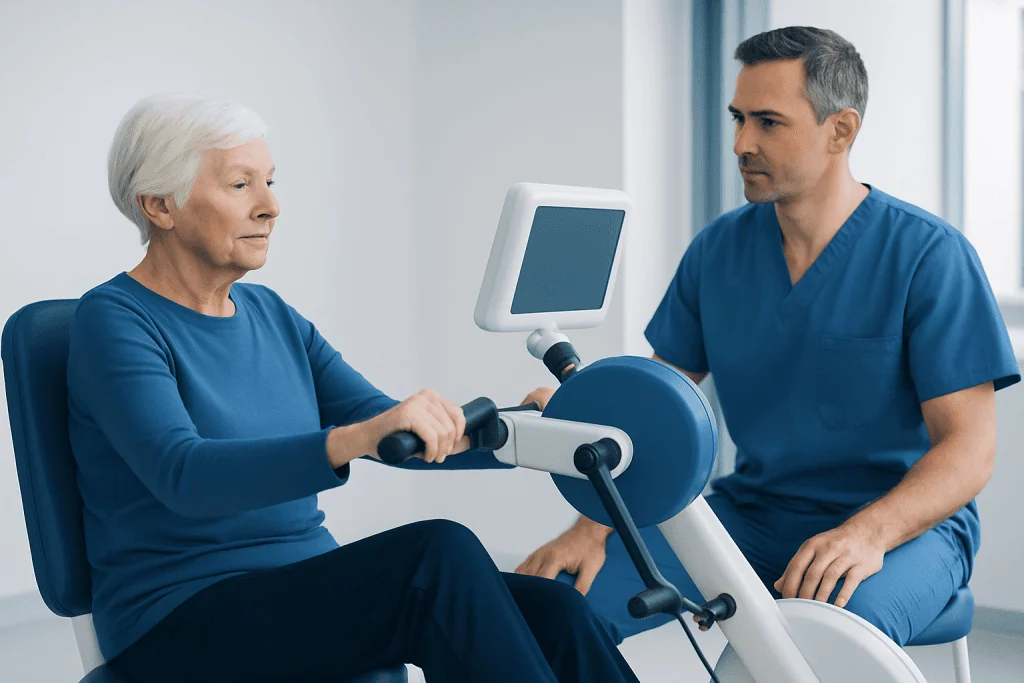
Muscle mass and strength tend to decline with age, especially when a person is inactive. This process can affect balance, walking speed, posture, bone strength, and the ability to perform everyday tasks such as climbing stairs, carrying groceries, or rising from a chair. Strength training is one of the most effective ways to slow this decline and support independence.
Healthy adults are generally encouraged to include muscle-strengthening activities that involve the major muscle groups on two or more days per week, along with regular aerobic activity such as brisk walking, cycling, swimming, or dancing. Balance and flexibility exercises, such as tai chi, yoga, heel-to-toe walking, or guided physiotherapy routines, may help reduce fall risk and improve confidence with movement.
Safe strength training does not have to be complicated. It can include resistance bands, light weights, body-weight exercises, or supervised gym programs. People with heart disease, joint problems, dizziness, frailty, recent surgery, or long periods of inactivity should ask a doctor or physiotherapist how to start safely.
- Begin gradually and increase effort over time.
- Focus on good technique rather than heavy resistance.
- Include legs, hips, back, chest, shoulders, arms, and core muscles.
- Stop and seek advice if exercise causes chest pain, fainting, unusual shortness of breath, or sudden joint swelling.
Nutrition for Healthy Aging

Nutrition needs can change with age because of shifts in appetite, digestion, muscle mass, dental health, medications, and chronic conditions. A healthy eating pattern for aging adults usually emphasizes vegetables, fruits, whole grains, legumes, nuts, seeds, fish or other lean proteins, healthy fats, and adequate fluids. The goal is not restrictive dieting, but steady nourishment that supports energy, muscle, immunity, and brain health.
Protein becomes especially important for maintaining muscle and supporting recovery from illness or injury. Many older adults benefit from spreading protein across the day rather than eating most of it at one meal. Good sources may include eggs, dairy products, fish, poultry, beans, lentils, tofu, and other protein-rich foods, depending on personal preferences and medical needs.
Calcium, vitamin D, vitamin B12, iron, fiber, and omega-3 fatty acids are also relevant to healthy aging, although supplement needs vary. Supplements should not replace a balanced diet and should be discussed with a healthcare professional, particularly for people taking blood thinners, diabetes medicines, thyroid medicines, or multiple prescriptions.
Hydration deserves attention because the sense of thirst may become less reliable with age. Water, soups, fruits, vegetables, and unsweetened beverages can contribute to fluid intake. People with heart failure, kidney disease, or certain liver conditions should follow their doctor’s specific fluid and salt guidance.
Sleep, Stress, and Mental Wellbeing
Sleep patterns often change over time. Some people find they wake earlier, sleep more lightly, or have more nighttime awakenings. However, ongoing poor sleep is not something to simply accept as normal aging. Sleep problems can affect mood, memory, blood pressure, immune function, pain sensitivity, appetite, and fall risk.
Good sleep habits include keeping a regular sleep and wake schedule, getting morning daylight, limiting late caffeine and alcohol, creating a quiet and comfortable sleep environment, and avoiding heavy meals close to bedtime. Regular daytime activity can also improve sleep quality. If loud snoring, choking during sleep, restless legs, frequent nighttime urination, anxiety, depression, or medication side effects are present, medical evaluation may be helpful.
Mental wellbeing is another core part of healthy aging. Retirement, caregiving, bereavement, health changes, and social isolation can all affect emotional health. Staying connected with family, friends, community groups, volunteering, learning activities, faith communities, or support groups can help protect mental and cognitive wellbeing.
Persistent sadness, loss of interest, excessive worry, confusion, memory changes that interfere with daily life, or thoughts of self-harm should always be taken seriously. These symptoms are treatable, and a qualified healthcare professional can help identify whether they are related to depression, anxiety, medication effects, sleep disorders, thyroid disease, vitamin deficiencies, dementia, or other causes.
Preventive Screening and Vaccinations
Preventive screening aims to detect health risks or early disease before symptoms become serious. Screening recommendations depend on age, sex, personal history, family history, lifestyle factors, and previous test results. A primary care doctor can help decide which tests are appropriate and how often they are needed.
Common preventive checks may include blood pressure measurement, cholesterol testing, blood glucose or diabetes screening, body weight and waist assessment, kidney and liver function tests when indicated, dental and eye examinations, hearing evaluation, and medication review. Depending on age and risk, cancer screening may include tests for breast, cervical, colorectal, prostate, lung, or skin cancer. Bone density testing may be recommended for people at risk of osteoporosis.
Vaccinations remain important throughout adulthood because immune protection can decrease over time and some infections cause more complications with age. Recommended vaccines may include seasonal influenza, COVID-19 boosters when advised, pneumococcal vaccines, shingles vaccine, tetanus-diphtheria-pertussis boosters, and travel-related vaccines. The right schedule depends on local guidance and personal medical history.
- Keep a written or digital record of screening tests, results, and vaccines.
- Review all prescription medicines, over-the-counter medicines, and supplements at least once a year.
- Ask whether family history changes the recommended screening schedule.
- Discuss fall risk, vision, hearing, mood, memory, and bladder symptoms, even if they seem minor.
Prevention and Self-care in Everyday Life
Healthy aging is built from repeatable daily choices. Small changes, practiced consistently, can have meaningful benefits over time. For example, walking after meals, adding protein to breakfast, improving bedroom darkness, scheduling preventive visits, or doing balance exercises while holding a counter may be more sustainable than making several major changes at once.
Injury prevention is an important part of self-care. Falls are more likely when vision is poor, footwear is unsafe, medications cause dizziness, muscles are weak, or the home has hazards such as loose rugs and poor lighting. A fall prevention plan may include vision checks, strength and balance training, medication review, safe footwear, grab bars in bathrooms, and adequate lighting at night.
Brain health is supported by many of the same habits that protect the heart: regular activity, blood pressure control, not smoking, balanced nutrition, good sleep, and social connection. Mentally engaging activities such as reading, music, language learning, puzzles, crafts, or continuing education can also support cognitive resilience, especially when combined with social interaction.
Self-care also includes knowing personal health numbers and goals. Blood pressure, blood sugar, cholesterol, weight trends, sleep quality, mood, activity level, and medication lists all provide useful information. People do not need to manage these alone; healthcare teams can help interpret results and adjust plans safely.
When to See a Doctor
Regular check-ups are useful even when a person feels well, because many conditions such as high blood pressure, high cholesterol, type 2 diabetes, osteoporosis, kidney disease, and some cancers may not cause early symptoms. A doctor can personalize screening, vaccination, nutrition, exercise, and medication plans based on the person’s health profile.
Medical advice should be sought promptly for new chest pain, fainting, sudden weakness or numbness, unexplained shortness of breath, sudden vision or speech changes, repeated falls, unintentional weight loss, blood in the stool or urine, severe or persistent pain, rapidly worsening memory, or major changes in mood or behavior. These symptoms do not always mean something serious, but they deserve timely assessment.
People should also consult a healthcare professional before starting a demanding exercise program, making major dietary changes, or using supplements if they have chronic disease, take regular medications, or have had recent surgery. A safe plan is especially important for those with heart conditions, diabetes, kidney disease, osteoporosis, joint disease, cancer history, or neurological conditions.
For international patients seeking coordinated care, Acibadem International offers multidisciplinary specialists and JCI-accredited hospitals that can evaluate age-related health concerns, preventive screening needs, and treatment options. Any care plan should be based on an individual medical assessment and shared decision-making with qualified clinicians.
Frequently asked questions
What does healthy aging mean?
Healthy aging means supporting physical, mental, and social wellbeing as the body changes over time. It is not about preventing every illness, but about maintaining function, independence, and quality of life. Preventive care, movement, nutrition, sleep, and social connection all play important roles.
Is it too late to start strength training after age 60 or 70?
For many people, it is not too late to benefit from strength training. Starting gradually can improve muscle strength, balance, mobility, and confidence with daily activities. People with chronic illness, pain, dizziness, or a long period of inactivity should ask a doctor or physiotherapist for safe guidance.
Which screenings are most important for older adults?
Important screenings often include blood pressure, cholesterol, diabetes risk, vision, hearing, dental health, medication review, cancer screening, and bone density assessment when appropriate. The exact schedule depends on age, sex, family history, previous results, and medical conditions. A primary care doctor can personalize the plan.
How much sleep do older adults need?
Most adults need enough sleep to feel rested and function well during the day, commonly around seven to nine hours, although individual needs vary. Frequent waking, loud snoring, daytime sleepiness, or insomnia should not be dismissed as normal aging. A healthcare professional can check for treatable causes such as sleep apnea, pain, medication effects, anxiety, or bladder problems.
Do older adults need more protein?
Protein is important for maintaining muscle, supporting healing, and preserving strength with age. Many older adults benefit from including protein-rich foods at each meal, but needs vary depending on kidney function, medical conditions, and activity level. A doctor or dietitian can provide individualized advice.
Can lifestyle habits really reduce the risk of age-related disease?
Lifestyle habits cannot remove all health risks, but they can influence many important factors such as blood pressure, blood sugar, strength, balance, sleep, mood, and cardiovascular health. Consistent habits are usually more effective than short-term changes. Combining healthy routines with preventive screening gives the best chance of detecting and managing problems early.
References
- World Health Organization
- Centers for Disease Control and Prevention
- National Institute on Aging
- American College of Sports Medicine
- U.S. Preventive Services Task Force
This article is for general information only and is not a substitute for professional medical advice. Please consult a qualified doctor about your individual situation.
Medical weight-loss options in Turkey — costs & eligibility
JCI-accredited · board-certified surgeons · reply within 24h
Add us as a Preferred Source to see more of our trusted health content across Google Search, AI Overviews and Discover.
Check your numbers in seconds
BMI, calories, due date, blood pressure and 30+ more clinical calculators — free, instant, doctor-reviewed ranges.