Heart Failure Treatment Options: Medicines, Devices, and When Surgery Is Considered

Heart failure can often be managed with a personalized treatment plan rather than one single treatment. Medicines are a main part of treatment and may help the heart pump better, lower fluid buildup, and reduce strain on the heart.
Key Takeaways
- Heart failure can often be managed with a personalized treatment plan rather than one single treatment.
- Medicines are a main part of treatment and may help the heart pump better, lower fluid buildup, and reduce strain on the heart.
- Some people benefit from implanted devices such as pacemakers, defibrillators, or advanced therapies.
- Surgery or catheter-based procedures may be considered when an underlying heart problem can be corrected.
- Regular follow-up, daily self-care, and early attention to worsening symptoms are important.
Heart failure treatment options are designed to reduce symptoms, improve quality of life, and help the heart work more effectively. Care often includes a combination of medicines, lifestyle changes, monitoring, devices, and in some cases procedures or surgery.
Overview of Heart Failure Treatment
Heart failure does not mean that the heart has stopped working. It means the heart is not pumping blood as effectively as it should, or it cannot fill properly between beats. Treatment focuses on easing symptoms, improving daily function, slowing disease progression, and lowering the risk of hospital admissions and complications.
Heart failure treatment options depend on the type and cause of heart failure, the severity of symptoms, age, other medical conditions, and test results. Some people have heart failure with reduced pumping function, while others have preserved pumping function but a stiff heart muscle. Because these patterns differ, treatment is usually personalized.
Most care plans combine several approaches. These often include medicines, nutrition and lifestyle changes, managing related conditions such as high blood pressure or diabetes, and regular follow-up. In more advanced cases, doctors may recommend implantable devices, catheter-based procedures, or surgery.
Symptoms Treatment Aims to Improve
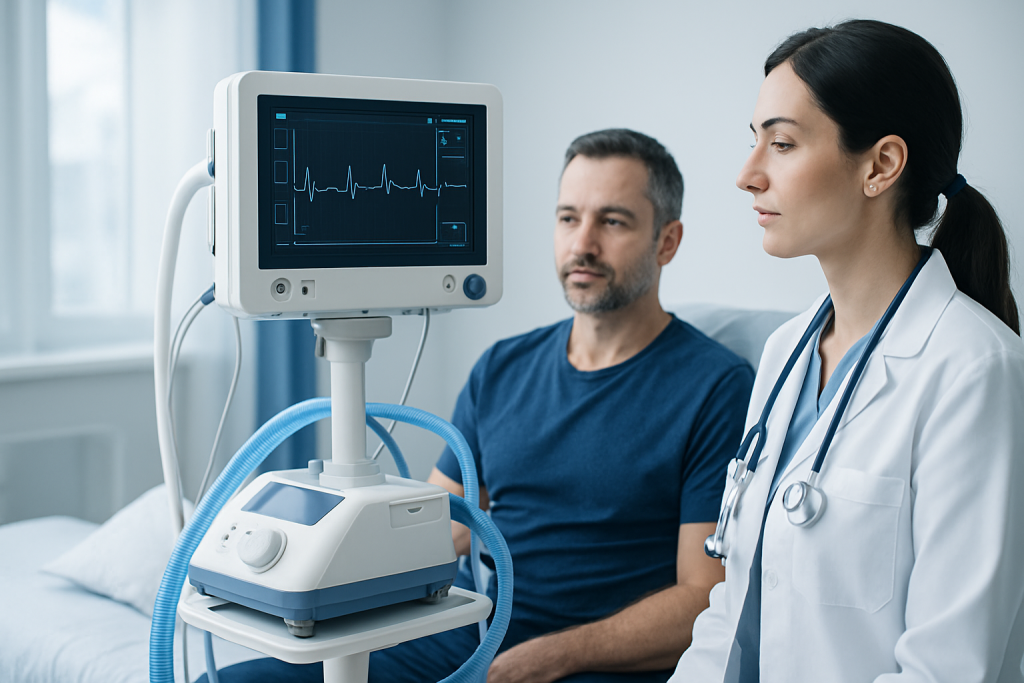
The symptoms of heart failure can develop gradually or appear suddenly. Common symptoms include shortness of breath, tiredness, swelling in the legs or ankles, rapid weight gain from fluid retention, reduced exercise tolerance, and trouble lying flat because of breathing discomfort. Some people also notice coughing, a feeling of fullness in the abdomen, or frequent nighttime urination.
Treatment aims to reduce these symptoms and help a person stay active and comfortable. For example, removing excess fluid can improve breathing and swelling, while lowering blood pressure and easing the heart’s workload can help the heart function more efficiently.
Doctors also look beyond symptom relief. A good treatment plan aims to protect the heart over time, reduce the chance of sudden worsening, and support independence in daily life. Tracking symptoms closely helps the care team adjust treatment before problems become more serious.
Medicines Used for Heart Failure

Medicines are a cornerstone of treatment for many people with heart failure. Different medications work in different ways: some relax blood vessels, some help the body remove extra salt and water, and some reduce the effect of stress hormones that can strain the heart over time. It is common for a doctor to prescribe more than one medicine because each one targets a different part of the condition.
Common medicine groups may include diuretics to reduce fluid buildup, ACE inhibitors or ARBs, angiotensin receptor-neprilysin inhibitor therapy, beta blockers, mineralocorticoid receptor antagonists, and SGLT2 inhibitors. In selected cases, additional medicines may be used to control heart rate, support rhythm, improve blood flow, or address specific causes of heart failure. Doctors usually start carefully and adjust doses gradually while monitoring blood pressure, kidney function, electrolytes, and symptoms.
Taking medicines exactly as prescribed is very important. A person should not stop a heart medicine suddenly unless a doctor advises it. If side effects occur, the safest step is to speak with the care team, because another dose, combination, or medicine may work better.
- Medicines may improve symptoms and exercise tolerance.
- They can help reduce fluid retention and breathlessness.
- Some medicines help protect the heart and improve long-term outcomes.
- Regular blood tests and check-ups are often needed.
Devices and Advanced Therapies
Some people with heart failure benefit from implanted heart devices. These are usually considered when symptoms continue despite medicine, or when tests show a specific rhythm or electrical problem. A cardiologist may recommend a pacemaker, an implantable cardioverter-defibrillator, or cardiac resynchronization therapy, depending on the heart’s pumping function and electrical pattern.
Cardiac resynchronization therapy can help the right and left sides of the heart beat in a more coordinated way in selected patients. This may improve symptoms, exercise capacity, and heart function. An implantable cardioverter-defibrillator is used in certain people at increased risk of dangerous heart rhythms, helping protect against sudden cardiac death.
For advanced heart failure, more intensive support may be needed. In carefully selected cases, doctors may discuss mechanical circulatory support such as heart pump therapy or referral for heart transplant evaluation. These treatments are usually considered when standard medicines and devices are no longer enough and a specialist team determines that the potential benefits outweigh the risks.
When Procedures or Surgery Are Considered
Surgery is not needed for everyone with heart failure, but it can be important when there is an underlying structural heart problem that can be treated. For example, if heart failure is related to blocked coronary arteries, restoring blood flow may help some patients. If a diseased heart valve is contributing to symptoms, repairing or replacing the valve may improve heart function and reduce strain on the heart.
Depending on the cause, doctors may consider catheter-based or open surgical approaches. These can include coronary artery bypass surgery for severe coronary artery disease, or a valve procedure when significant leakage or narrowing is present. The decision depends on imaging results, overall health, frailty, symptoms, and the expected benefit for daily life and long-term heart health.
In advanced cases where the heart is severely weakened, surgery may involve mechanical support or transplantation rather than repair of an underlying problem. These decisions are made by a multidisciplinary team that may include cardiologists, heart failure specialists, cardiac surgeons, imaging experts, and rehabilitation professionals. The goal is to choose the safest and most effective option for the individual person.
Lifestyle Changes, Monitoring, and Self-Care
Self-care is an essential part of heart failure treatment. Even the most effective medicines work best when combined with daily habits that reduce strain on the heart. Doctors often advise limiting excess salt, following guidance about fluid intake when needed, staying physically active within safe limits, taking medicines regularly, and avoiding smoking. Alcohol intake may also need to be reduced or avoided, depending on the cause of heart failure and the treatment plan.
Monitoring at home can help detect early warning signs. Many patients are asked to weigh themselves daily and watch for sudden weight gain, increasing swelling, worsening breathlessness, or unusual fatigue. Keeping a written or digital record of symptoms, blood pressure, and heart rate can make follow-up visits more useful.
Managing related conditions is equally important. High blood pressure, coronary artery disease, arrhythmias, diabetes, obesity, kidney disease, and sleep apnea can all affect heart failure control. Cardiac rehabilitation may also help some people improve stamina, confidence, and understanding of their condition in a supervised setting.
- Take prescribed medicines consistently.
- Attend regular follow-up visits and recommended tests.
- Ask the care team about safe exercise and diet goals.
- Seek support for smoking cessation and long-term lifestyle change.
Diagnosis, Follow-Up, and When to See a Doctor
Before choosing the best treatment, doctors need to confirm the diagnosis and identify the cause. Assessment may include a physical examination, blood tests, chest imaging, electrocardiogram, and an echocardiogram to show how well the heart pumps and whether valves are affected. Some people may also need stress testing, coronary imaging, cardiac MRI, or rhythm monitoring.
Follow-up is ongoing because heart failure can change over time. Treatment may need adjustment after changes in symptoms, blood pressure, kidney function, heart rhythm, or imaging findings. Regular appointments also give patients and families a chance to ask questions and learn how to respond to warning signs.
Medical advice should be sought promptly if there is worsening shortness of breath, chest pain, fainting, rapid weight gain, severe swelling, confusion, or new palpitations. Emergency care is important for severe breathing difficulty, blue lips, collapse, or signs of a heart attack. For international patients who need evaluation or treatment, Acibadem International’s multidisciplinary specialists in JCI-accredited hospitals diagnose and treat heart failure using modern medical, interventional, and surgical approaches.
Heart failure may develop alongside other cardiovascular problems such as coronary artery disease or heart valve disease, so identifying and treating the underlying condition is a key part of care.
Frequently asked questions
Can heart failure be treated successfully?
Yes. While heart failure is often a long-term condition, many people feel better and live more actively with the right combination of treatment and self-care. The best results usually come from regular follow-up, taking medicines as prescribed, and treating the underlying cause when possible.
What is the first-line treatment for heart failure?
For many patients, treatment starts with lifestyle changes and medicines that reduce fluid buildup, lower strain on the heart, and protect heart function over time. The exact medicine plan depends on the type of heart failure, symptoms, and other health conditions. A doctor chooses the safest combination based on individual needs.
When is a device needed for heart failure?
A device may be considered when symptoms persist despite medicines or when the heart has a rhythm or electrical problem that can be improved with pacing or protected with a defibrillator. Tests such as an electrocardiogram and echocardiogram help determine whether a device is likely to help. Not everyone with heart failure needs one.
Does everyone with heart failure need surgery?
No. Many people are treated effectively with medicines, monitoring, and lifestyle measures alone. Surgery or catheter-based procedures are usually considered when a specific problem, such as blocked arteries, severe valve disease, or advanced heart failure, may improve with intervention.
Can lifestyle changes really make a difference?
Yes. Limiting salt, staying active within medical guidance, avoiding smoking, and monitoring symptoms can make treatment more effective and may help reduce flare-ups. Lifestyle changes are not a replacement for medical treatment, but they are an important part of a complete care plan.
What symptoms should prompt urgent medical attention?
Urgent medical advice is needed for worsening shortness of breath, rapid swelling, sudden weight gain, chest pain, fainting, or a racing or irregular heartbeat. Emergency care is especially important for severe breathing difficulty, collapse, or possible signs of a heart attack. It is safest to contact a healthcare professional without delay if symptoms change quickly.
References
- American Heart Association
- European Society of Cardiology
- National Heart, Lung, and Blood Institute
- Heart Failure Society of America
This article is for general information only and is not a substitute for professional medical advice. Please consult a qualified doctor about your individual situation.
Heart Failure in Turkey — costs, top hospitals & a free quote
JCI-accredited · board-certified surgeons · reply within 24h
Add us as a Preferred Source to see more of our trusted health content across Google Search, AI Overviews and Discover.
Check your numbers in seconds
BMI, calories, due date, blood pressure and 30+ more clinical calculators — free, instant, doctor-reviewed ranges.