Heart Palpitations After Eating: What Patients Need to Know

Heart palpitations after eating are common and are often triggered by large meals, caffeine, alcohol, sugar, or spicy foods. Some episodes are related to digestive factors such as reflux, swallowing air, or pressure from a full stomach.
Key Takeaways
- Heart palpitations after eating are common and are often triggered by large meals, caffeine, alcohol, sugar, or spicy foods.
- Some episodes are related to digestive factors such as reflux, swallowing air, or pressure from a full stomach.
- Palpitations can also occur with underlying conditions such as arrhythmias, thyroid problems, anemia, or anxiety.
- Keeping a symptom and food diary can help identify patterns and support diagnosis.
- Urgent medical care is needed if palpitations occur with chest pain, fainting, severe shortness of breath, or prolonged rapid heartbeat.
Heart palpitations after eating are usually a sensation of a fast, pounding, fluttering, or skipped heartbeat that happens during or soon after a meal. In many cases they relate to food choices, meal size, stimulants, reflux, or blood sugar changes, but persistent or severe symptoms should be assessed by a doctor.
Overview: Why heart palpitations can happen after eating
Heart palpitations after eating mean a person becomes aware of the heartbeat during or shortly after a meal. The heartbeat may feel fast, forceful, fluttering, or irregular. Although the sensation can be unsettling, it is often caused by a temporary and manageable trigger rather than a dangerous heart problem.
Meals affect more than digestion. Eating changes blood flow, hormone release, blood sugar levels, and activity in the nervous system. Certain foods or drinks can stimulate the heart directly, while a very full stomach can create pressure in the chest or worsen reflux, which some people experience as palpitations.
At the same time, palpitations should not be dismissed if they happen often, are new, or come with other symptoms. Sometimes the timing with meals is only a clue, and the real cause may be an underlying rhythm disturbance, medication effect, or another medical condition that needs attention.
How heart palpitations after eating may feel
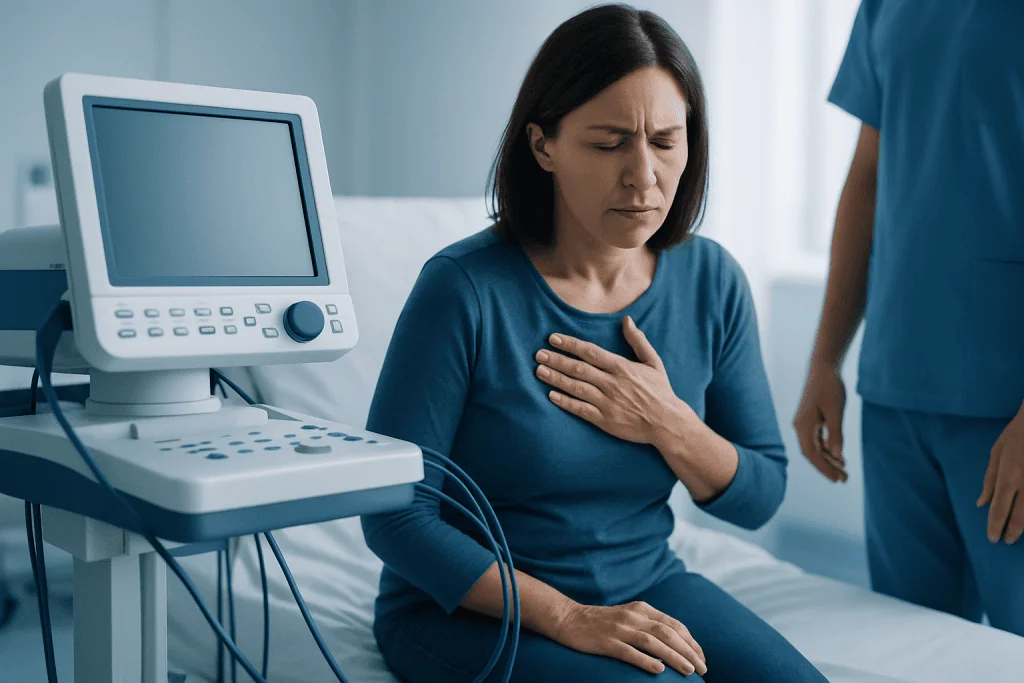
People describe palpitations in different ways. Some feel a racing heart, others notice pounding in the chest, throat, or neck. Some feel a brief flip-flop, flutter, or a sense that the heart skipped a beat. The sensation may last only a few seconds, or it may continue for several minutes.
The timing can also vary. Palpitations may begin while eating, shortly after finishing, or within an hour or two of a meal. Some people notice them more often after restaurant meals, desserts, alcohol, energy drinks, or eating quickly.
Other symptoms can offer useful clues. A person may also have bloating, burping, heartburn, shakiness, sweating, lightheadedness, or anxiety. When symptoms are recurrent, noting exactly what was eaten, how much was eaten, and how the body felt before and after the episode can be very helpful.
- Fast or pounding heartbeat
- Fluttering or skipped beats
- Chest awareness after large meals
- Heartburn, belching, or bloating at the same time
- Lightheadedness or feeling briefly unsteady
Common triggers and possible causes

One of the most common reasons for heart palpitations after eating is a trigger in the meal itself. Caffeine, chocolate, alcohol, very sugary foods, and some spicy foods may stimulate the heart or make a person more aware of normal heartbeats. Large meals can also increase the work of digestion and shift blood flow in ways that contribute to symptoms.
Digestive factors are another important cause. Acid reflux can create chest discomfort and a sensation that overlaps with palpitations. A very full stomach, gas, or swallowing air while eating quickly may also increase pressure in the upper abdomen and chest. In some people, these sensations can trigger extra beats or heighten awareness of the heartbeat. If symptoms often occur with burning chest discomfort or sour taste, reflux may be part of the picture, and a doctor may evaluate for reflux.
Blood sugar changes can play a role as well. A meal high in refined carbohydrates may cause a rapid rise and later drop in blood sugar, which can be accompanied by shakiness, sweating, and a racing heartbeat. People with diabetes or prediabetes may be more likely to notice these effects.
Less commonly, meal-related palpitations reflect an underlying condition that simply becomes more noticeable after eating. Examples include anxiety, dehydration, anemia, thyroid disease, stimulant medications, and true heart rhythm disorders such as arrhythmia. Sleep deprivation and stress can lower the threshold for palpitations too.
Who may be more likely to notice palpitations after meals
Palpitations after meals can happen to anyone, but some factors make them more likely. People who regularly consume coffee, tea, energy drinks, nicotine, or alcohol may be more sensitive to meal-related triggers. The same is true for those who eat large portions, eat quickly, or skip meals and then eat heavily later in the day.
Digestive conditions can increase susceptibility. Gastroesophageal reflux, bloating, food intolerances, and a tendency toward indigestion may all overlap with chest sensations that are perceived as palpitations. Weight changes, pregnancy, and lying down soon after meals can also worsen reflux-related symptoms.
People with known heart disease, thyroid disorders, diabetes, panic symptoms, or a history of irregular heartbeat should be especially attentive to new or changing episodes. In these situations, symptoms may still be benign, but a more structured evaluation is often appropriate to confirm the cause and guide management.
How doctors evaluate the problem
Diagnosis begins with a careful history. A doctor usually asks when the palpitations happen, how long they last, what they feel like, and whether they occur with chest pain, fainting, shortness of breath, reflux, or dizziness. Details about caffeine intake, alcohol, medications, supplements, stress, and sleep are also important.
A physical exam and an electrocardiogram may be the first tests. If symptoms are intermittent, the doctor may recommend portable heart rhythm monitoring to capture the heartbeat during an episode. Depending on the overall picture, blood tests may be used to look for anemia, thyroid problems, electrolyte imbalance, or glucose issues.
When digestive causes seem likely, evaluation may also focus on reflux or related conditions. If there is concern about a structural or persistent rhythm issue, more specialized assessment may be suggested, including electrocardiography (EKG), longer rhythm monitoring, or echocardiography to assess heart structure and function.
A symptom diary is often one of the most practical diagnostic tools. Recording foods, beverages, portion size, symptoms, activity, and stress level can reveal patterns that are not obvious day to day. This can help distinguish occasional trigger-related episodes from palpitations that need further cardiac investigation.
Treatment and management options
Treatment depends on the cause. If the palpitations are linked to diet or lifestyle triggers, management may focus on smaller meals, slower eating, better hydration, and avoiding specific stimulants. Some people improve simply by reducing caffeine, limiting alcohol, or avoiding very sugary or spicy meals.
When reflux is contributing, doctors may recommend measures such as not lying down after eating, choosing smaller evening meals, and avoiding foods that reliably trigger heartburn. For blood sugar-related symptoms, balanced meals that include protein, fiber, and healthy fats may help reduce rapid swings. People with diabetes should discuss recurring symptoms with their clinician.
If testing shows an underlying rhythm problem, treatment may involve monitoring, medication, or a procedure depending on the type and frequency of the arrhythmia. In selected cases, doctors may discuss cardiac ablation for recurrent abnormal heart rhythms. The right plan is individualized and should be based on medical evaluation rather than self-diagnosis.
Near the end of the care pathway, some patients need coordinated review by cardiology and gastroenterology together, especially when symptoms overlap between the chest and digestive tract. Acibadem International’s multidisciplinary specialists in JCI-accredited hospitals evaluate and treat international patients with symptoms such as palpitations when further assessment is needed.
Self-care steps that may help prevent episodes
Simple daily adjustments can reduce the chance of heart palpitations after eating. Eating at a steady pace, avoiding very large meals, and staying well hydrated are sensible first steps. Many people also benefit from reducing caffeinated drinks, alcohol, nicotine, and highly processed foods if these seem to trigger symptoms.
It can help to structure meals more evenly through the day instead of going long periods without eating and then having a heavy meal. Choosing balanced meals with protein, fiber, and complex carbohydrates may support steadier blood sugar and reduce shakiness or racing heartbeat after eating.
Because stress and poor sleep can amplify normal body sensations, sleep hygiene and stress management matter too. Gentle physical activity, breathing exercises, and avoiding late heavy meals may be useful. Self-care is most appropriate when symptoms are mild and infrequent; repeated or concerning episodes should still be discussed with a doctor.
- Eat smaller, more frequent meals if large meals trigger symptoms
- Limit caffeine, alcohol, and energy drinks
- Reduce very sugary foods if they seem to cause symptoms
- Avoid lying down right after eating
- Keep a food and symptom diary
When to seek medical care
Medical review is recommended if heart palpitations after eating happen often, last longer than a few minutes, are becoming more noticeable, or interfere with daily life. A person should also arrange an appointment if the episodes are new, occur with exercise as well as meals, or happen despite avoiding common triggers.
Urgent medical care is important if palpitations occur with chest pain, fainting, severe shortness of breath, marked dizziness, or a sustained rapid heartbeat. These features do not always mean a serious problem, but they should be assessed promptly to rule out important cardiac causes.
People with existing heart disease, diabetes, thyroid disease, or a history of arrhythmia should be especially cautious about new symptoms. When in doubt, it is safest to seek professional advice rather than assuming the cause is only digestive or food-related.
Frequently asked questions
Are heart palpitations after eating usually serious?
Often they are not serious and may be related to caffeine, alcohol, large meals, sugar, or reflux. However, repeated episodes or symptoms that occur with chest pain, fainting, or shortness of breath should be medically evaluated.
Why does my heart race after eating sugar or carbohydrates?
A high-sugar or refined-carbohydrate meal can cause a rapid change in blood sugar and trigger shakiness or a racing heartbeat in some people. This may be more noticeable in people who are sensitive to blood sugar swings or who have diabetes or prediabetes.
Can acid reflux cause palpitations after meals?
Reflux can cause chest discomfort, pressure, or a sensation that feels similar to palpitations. In some people, reflux or a very full stomach may also make the heartbeat more noticeable after eating.
What foods commonly trigger heart palpitations after eating?
Common triggers include caffeine, energy drinks, alcohol, chocolate, spicy foods, and meals high in sugar. Large portions can also trigger symptoms, even when the food itself is not unusual.
How are palpitations after eating diagnosed?
Doctors usually start with a history, physical examination, and an electrocardiogram. Depending on symptoms, they may recommend blood tests, heart rhythm monitoring, or evaluation for reflux, thyroid disease, anemia, or other contributing conditions.
What can a person do at home to reduce palpitations after meals?
Helpful steps include eating smaller meals, slowing down during meals, staying hydrated, and reducing caffeine or alcohol if they seem to be triggers. A food and symptom diary can also help identify patterns to discuss with a doctor.
This article is for general information only and is not a substitute for professional medical advice. Please consult a qualified doctor about your individual situation.
Explore treatments in Turkey — costs, top hospitals & a free quote
JCI-accredited · board-certified surgeons · reply within 24h
Add us as a Preferred Source to see more of our trusted health content across Google Search, AI Overviews and Discover.

More from the Health Library

Fish Pedicure: What Patients Need to Know

Esophageal Atresia: A Complete Medical Overview

Fibrinogen: An Evidence-Based Guide for Patients

Peach Smoothie Recipe — Explained by Medical Evidence, Not Myths

Neck Discomfort Right Side: A Complete Medical Overview