Heart Screening: How It Works, Results and What to Expect

Heart screening is tailored to a person’s age, symptoms, medical history and cardiovascular risk factors. Most screening visits begin with a discussion, blood pressure measurement and basic physical examination.
Key Takeaways
- Heart screening is tailored to a person’s age, symptoms, medical history and cardiovascular risk factors.
- Most screening visits begin with a discussion, blood pressure measurement and basic physical examination.
- Not everyone needs advanced cardiac imaging or stress testing; unnecessary tests can lead to unclear findings and additional procedures.
- Results are interpreted together rather than as isolated numbers, with a focus on overall cardiovascular risk.
- Urgent symptoms such as chest pressure, severe breathlessness or fainting require prompt medical assessment rather than routine screening.
Heart screening is a planned assessment of cardiovascular health that combines personal risk review, physical examination and, when appropriate, tests such as blood pressure checks, blood tests, electrocardiography and imaging. It can help identify modifiable risk factors and guide timely prevention or further evaluation.
Heart Screening: What It Is and How It Works
Heart screening is a preventive health assessment designed to look for factors that may increase the likelihood of heart and blood vessel disease. It is not one single test. Instead, a clinician considers a person’s symptoms, family history, lifestyle, blood pressure, weight, laboratory results and other relevant information to build an overall picture of cardiovascular risk.
For people without symptoms, the aim is often to identify risks that can be improved before they lead to illness. These may include high blood pressure, high cholesterol, diabetes, smoking, low physical activity, excess weight or a strong family history of early heart disease. For people with symptoms or a known condition, testing may instead help investigate a specific concern or monitor treatment.
A heart screening visit commonly starts with a medical consultation. The doctor may then recommend only the tests that are likely to provide useful information. This individualized approach avoids treating a screening package as a substitute for clinical judgment and helps ensure that results are interpreted in the context of the person’s health.
Who May Benefit From Heart Screening
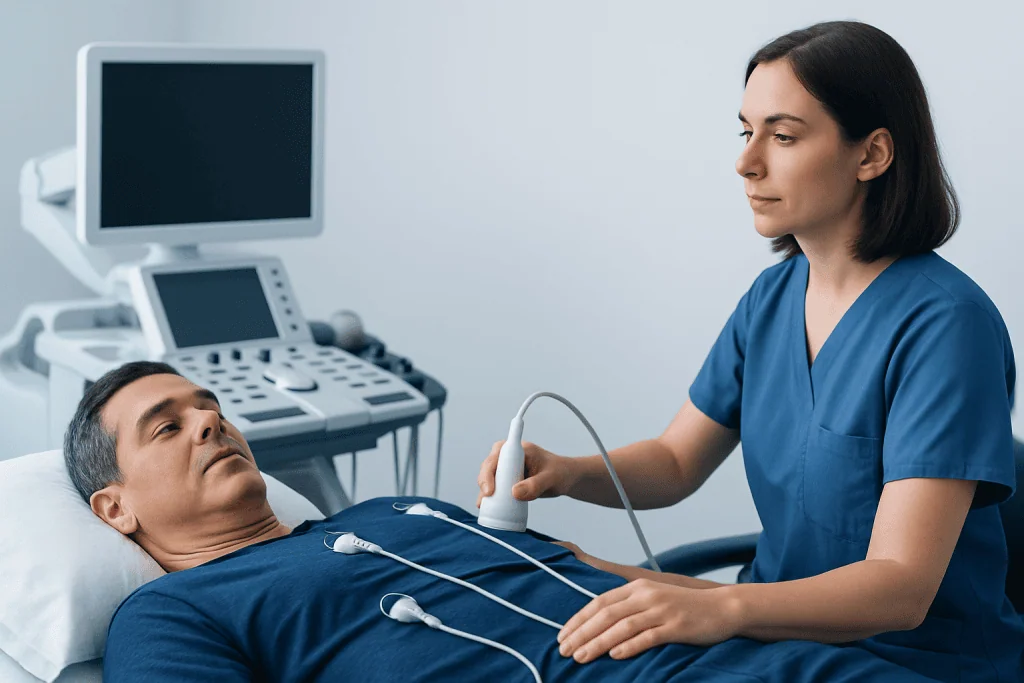
Many adults benefit from periodic cardiovascular risk assessment as part of routine health care. The timing and scope of heart screening depend on age, personal health history and risk factors. A doctor may recommend earlier or more frequent assessment when risk is higher.
Factors that may support a discussion about heart screening include high blood pressure, elevated cholesterol, diabetes or prediabetes, smoking or nicotine use, chronic kidney disease, obesity, a sedentary lifestyle, sleep apnea, inflammatory conditions, or previous pregnancy-related conditions such as preeclampsia. Family history is also important, particularly when a close relative developed coronary artery disease or had a heart attack at a young age.
Screening is different from urgent diagnostic evaluation. A person with new chest discomfort, unexplained shortness of breath, palpitations, fainting or a sudden reduction in exercise tolerance should not wait for a standard preventive appointment. Those symptoms need timely medical assessment to determine their cause.
Children and younger adults may require focused evaluation when there is a family history of inherited heart disease, sudden unexplained death in the family, cardiomyopathy, significant rhythm disorders or very high cholesterol. The appropriate tests in these situations are selected by a qualified clinician, sometimes with input from cardiology and genetics specialists.
What Happens During a Heart Screening Visit

Before the appointment, a person may be asked to bring a list of medicines and supplements, previous test results, and details of family medical history. Depending on the planned blood tests, the clinic may provide instructions about fasting. It is important to follow the specific guidance given, since requirements vary by test and medication.
At the visit, the clinician usually asks about symptoms, physical activity, diet, sleep, tobacco and alcohol use, stress, and past medical conditions. They may measure blood pressure, pulse, height, weight and waist circumference. A physical examination can include listening to the heart and lungs, checking pulses and looking for signs that may suggest circulation or fluid-balance problems.
Blood tests often assess cholesterol and blood sugar. Some people may also need kidney function tests or other laboratory studies based on their history. An electrocardiogram, also called an ECG or EKG, records the heart’s electrical activity and may be useful when symptoms, an abnormal pulse or certain medical histories are present.
Additional testing is not automatically necessary. When clinically appropriate, a cardiologist may recommend an echocardiogram, exercise stress test, ambulatory rhythm monitor, coronary artery calcium scan or CT coronary angiography. These tests answer different questions, and the choice depends on symptoms and the likelihood that a result will change care.
Common Heart Tests and What They Can Show
A blood pressure measurement helps identify hypertension, a major and often symptom-free cardiovascular risk factor. Lipid testing measures cholesterol-related values that help estimate the likelihood of atherosclerotic cardiovascular disease. Blood glucose or HbA1c testing may identify diabetes or prediabetes, both of which can affect blood vessels and heart health over time.
An ECG is quick and painless. It can show heart rhythm abnormalities, signs of prior heart injury in some cases, or electrical changes that require further review. However, a normal ECG does not rule out every heart condition, especially if symptoms come and go or if coronary artery disease is present without resting electrical changes.
An echocardiogram uses sound waves to assess heart structure, pumping function and valves. A stress test evaluates how the heart responds to exertion or, when exercise is not possible, to a medicine that mimics some effects of exercise. These tests are generally used when a person has symptoms, known cardiovascular disease, or a clinical reason for more detailed assessment.
Coronary artery calcium scoring is a specialized CT scan that can detect calcified plaque in the coronary arteries. It may help refine risk estimates for selected people when the decision about preventive treatment is uncertain. It is not suitable for everyone and does not replace urgent evaluation of chest pain. For suspected coronary artery disease, a clinician may discuss coronary artery disease and the most appropriate diagnostic pathway.
Understanding Results, Benefits and Possible Limitations
Heart screening results are most useful when considered together. For example, a mildly elevated cholesterol result may have different implications for a young nonsmoker with no family history than for an older person with diabetes and high blood pressure. Clinicians may use validated risk-estimation tools alongside medical judgment to discuss preventive steps.
Possible outcomes include reassurance with routine follow-up, lifestyle recommendations, repeat testing after a defined interval, treatment for a modifiable risk factor, referral to cardiology, or further diagnostic tests. An abnormal result does not necessarily mean that a person has heart disease. It may need confirmation, comparison with previous findings or assessment alongside symptoms.
The benefits of appropriate screening include earlier recognition of treatable risk factors and a clearer plan for protecting long-term cardiovascular health. Still, testing has limitations. No test detects every condition, and advanced tests can occasionally identify uncertain or incidental findings that lead to worry or more investigations. Some imaging tests also involve radiation or contrast material, while exercise testing carries small risks that are assessed before the procedure.
When further assessment is needed, cardiology evaluation and treatment planning can help clarify the meaning of results and identify suitable next steps. Decisions about medicines, testing and follow-up should be made with a qualified healthcare professional who understands the individual’s overall health.
After the Appointment: Recovery and Next Steps
Most routine heart screening components require no recovery time. After blood pressure checks, blood tests or an ECG, people can generally return to their usual activities immediately. A clinician or healthcare team may explain preliminary findings during the visit, while laboratory and imaging results may take longer to be reviewed.
After an exercise stress test, temporary tiredness is possible, particularly for people who are not used to exercising. After tests involving contrast material or sedation, the facility will provide individual aftercare instructions. Anyone who develops concerning symptoms after testing should contact the treating team or seek urgent care as advised.
A useful follow-up plan should state what each result means, whether any lifestyle or medical changes are recommended, and when reassessment is needed. Health goals may include stopping smoking, improving dietary patterns, increasing physical activity safely, managing sleep, maintaining a healthy weight, and controlling blood pressure, cholesterol or diabetes when present.
Acibadem International’s multidisciplinary specialists and JCI-accredited hospitals assess cardiovascular concerns and provide coordinated care for international patients. Ongoing follow-up may involve primary care, cardiology, nutrition, endocrinology or other specialties according to the person’s identified risks.
Supporting Heart Health Between Screenings
Heart screening is most effective when paired with sustainable daily habits. Regular physical activity, a balanced eating pattern rich in vegetables, fruits, legumes, whole grains and unsaturated fats, and avoidance of tobacco can support cardiovascular health. The best activity plan depends on fitness level, medical conditions and any symptoms; a doctor can advise people who are unsure how to begin safely.
Blood pressure, cholesterol and blood glucose goals should be individualized. People prescribed medication for these conditions should take it as directed and discuss side effects or concerns with their clinician rather than stopping treatment on their own. Managing sleep disorders, including possible sleep apnea, can also be an important part of cardiovascular risk reduction.
Emotional wellbeing matters as well. Long-term stress does not have a single direct test result, but it can affect sleep, activity, nutrition, smoking and adherence to treatment. Practical supports such as regular routines, social connection, counseling when needed and relaxation strategies may complement medical care.
- Keep a record of blood pressure readings if home monitoring is recommended.
- Share any new symptoms and changes in family history at follow-up visits.
- Ask which tests are appropriate for the individual rather than seeking advanced testing without clinical guidance.
- Attend recommended reviews, especially when hypertension, diabetes, high cholesterol or established heart disease is present.
When to Seek Medical Care
Routine heart screening should be arranged with a healthcare professional when a person wants to understand cardiovascular risk, has risk factors, or has a family history that may affect heart health. A doctor can decide whether basic preventive checks are sufficient or whether referral for more specialized assessment is appropriate.
Medical advice should be sought promptly for new or recurrent chest pain, pressure or tightness; unexplained breathlessness; palpitations associated with dizziness; fainting; swelling of the legs; or a clear decline in usual exercise capacity. These symptoms can have many causes, but they should be assessed rather than assumed to be harmless.
Emergency medical services should be contacted immediately for severe, persistent or worsening chest pressure; chest symptoms with sweating, nausea or shortness of breath; sudden collapse; new weakness or numbness on one side of the body; trouble speaking; or sudden severe breathlessness. These may be signs of a time-sensitive emergency and are not appropriate for routine screening.
Frequently asked questions
What is included in heart screening?
Heart screening commonly includes a discussion of personal and family history, blood pressure measurement, physical examination, and assessment of factors such as cholesterol, blood sugar, smoking and activity levels. An ECG, echocardiogram, stress test or CT-based test may be added only when clinically appropriate. The exact assessment should be tailored to the person’s risks and symptoms.
Do healthy people need heart screening?
Many healthy adults benefit from routine cardiovascular risk assessment because high blood pressure and abnormal cholesterol may not cause symptoms. The frequency and types of tests depend on age, family history and other individual factors. A primary care doctor can advise on an appropriate schedule.
How should a person prepare for a heart screening appointment?
It is helpful to bring a medication list, previous test reports and information about family heart conditions. The clinic may provide instructions about fasting if blood tests are planned. People should ask whether they should take usual medicines before the visit, especially if a stress test is scheduled.
Is heart screening painful or risky?
Most basic screening steps, including blood pressure measurement, blood tests and ECG, are quick and involve little discomfort. Some advanced tests have specific considerations, such as exercise-related strain, radiation exposure or contrast reactions. A clinician reviews expected benefits and possible risks before recommending these tests.
Can a normal heart screening result rule out heart disease?
No single screening result can rule out every heart condition. A normal assessment can be reassuring, but new symptoms should still be discussed with a doctor. Test results are most meaningful when interpreted alongside a person’s health history and current symptoms.
What happens if a heart screening result is abnormal?
An abnormal result may lead to repeat testing, lifestyle guidance, treatment of a risk factor, referral to cardiology or further diagnostic assessment. It does not automatically mean that serious heart disease is present. The next step depends on the specific finding and the person’s overall risk profile.
References
- World Health Organization
- American Heart Association
- American College of Cardiology
- European Society of Cardiology
- U.S. Preventive Services Task Force
This article is for general information only and is not a substitute for professional medical advice. Please consult a qualified doctor about your individual situation.
Heart care in Turkey — expert evaluation and treatment
JCI-accredited · board-certified surgeons · reply within 24h
Add us as a Preferred Source to see more of our trusted health content across Google Search, AI Overviews and Discover.
Check your numbers in seconds
BMI, calories, due date, blood pressure and 30+ more clinical calculators — free, instant, doctor-reviewed ranges.