Heart Transplant Cost: How It Works, Recovery, and What to Expect

Heart transplant cost includes pre-transplant evaluation, surgery, hospitalization, medicines, and ongoing monitoring. A heart transplant is generally considered for advanced heart failure when other treatments no longer work well enough.
Key Takeaways
- Heart transplant cost includes pre-transplant evaluation, surgery, hospitalization, medicines, and ongoing monitoring.
- A heart transplant is generally considered for advanced heart failure when other treatments no longer work well enough.
- Recovery is gradual and requires lifelong follow-up, anti-rejection medicines, and attention to infection prevention.
- Careful selection, detailed testing, and rehabilitation are important parts of treatment success.
- Patients should seek medical care promptly for worsening heart failure symptoms, fever, breathing trouble, or signs of rejection after transplant.
Heart transplant cost usually reflects the full treatment journey rather than the operation alone, including testing, surgery, intensive care, medicines, and long-term follow-up. Understanding how a heart transplant works, who may qualify, and what recovery involves can help patients and families plan more confidently.
Overview: what heart transplant cost usually covers
Heart transplant cost is not a single fixed number because treatment involves many stages of care. In most cases, the total cost reflects the pre-transplant evaluation, donor matching process, the operation itself, intensive care, the hospital stay, medicines, laboratory tests, imaging, rehabilitation, and long-term follow-up visits.
This is why cost discussions are most useful when they focus on the full care pathway rather than surgery alone. Patients and families often want to know what to expect medically and practically, since a heart transplant is one of the most complex treatments used for severe heart disease.
A heart transplant replaces a failing heart with a healthy donor heart. It is usually recommended for carefully selected patients with advanced heart failure whose symptoms remain severe despite medicines, devices, or other procedures. For many people, the main goal is not only longer survival but also better daily function and quality of life.
Because transplant care is highly individualized, the final plan depends on the patient’s age, overall health, cause of heart failure, urgency of treatment, and recovery needs. A transplant center can explain which services are part of the package of care and which ongoing needs may continue after discharge.
Who may be a candidate for a heart transplant
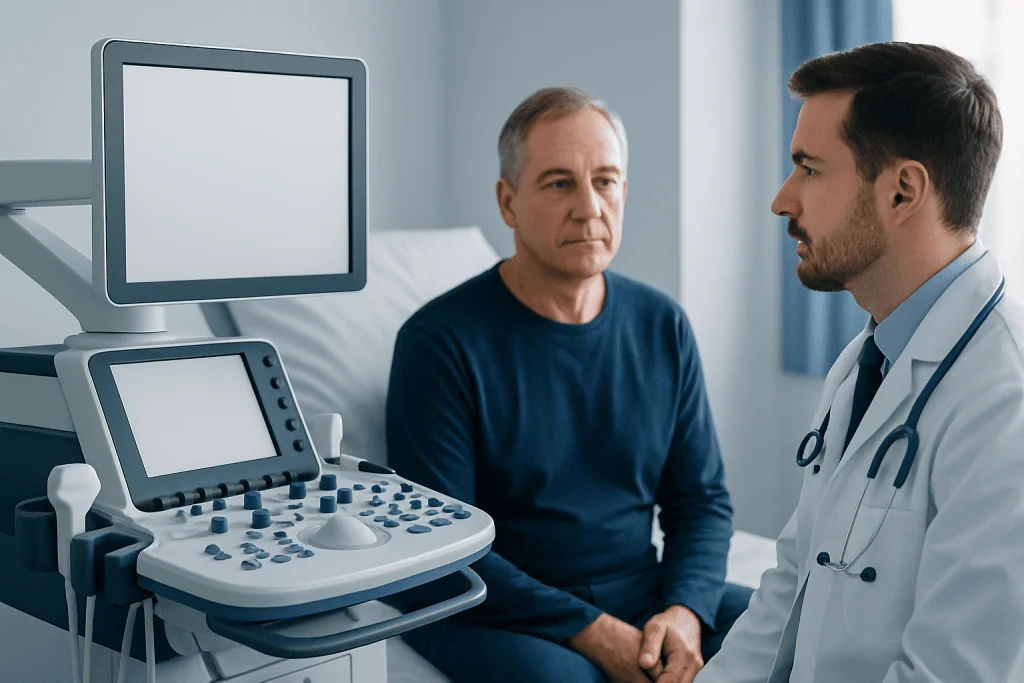
Heart transplantation is generally considered for people with end-stage heart failure when standard treatments no longer provide enough benefit. This can happen in conditions such as <a href="https://acibademinternational.com/diseases/dilated-cardiomyopathy/”>dilated cardiomyopathy, severe coronary artery disease with irreversible heart damage, congenital heart disease, or advanced valve disease that has led to permanent heart dysfunction.
Doctors do not decide on transplant based on one symptom alone. They assess how limited the patient is in daily life, how often hospital care is needed, whether the heart can still pump enough blood, and whether other treatment options remain available. Many patients being assessed for transplant already have advanced heart failure and may have needed repeated hospitalization.
A transplant evaluation also checks whether the patient is healthy enough to undergo major surgery and lifelong immune-suppressing treatment. This includes reviewing kidney and liver function, lung health, infections, cancer history, nutrition, emotional readiness, and social support at home.
In some cases, a person may not be a suitable candidate right away, but treatment can improve transplant readiness. For example, doctors may first stabilize heart function, address infections, improve nutrition, or support circulation with advanced therapies such as a ventricular assist device (VAD) while waiting for further decisions.
How a heart transplant works: step by step

The heart transplant process begins with a detailed assessment at a specialist center. This stage typically includes blood tests, heart imaging, lung function testing, infectious disease screening, dental review, and consultations with several specialists. If the patient is approved, they are placed on a transplant waiting list based on medical urgency and compatibility factors.
When a suitable donor heart becomes available, the transplant team contacts the patient urgently. At the hospital, the team confirms readiness for surgery and repeats key checks. The operation is performed under general anesthesia by a cardiothoracic surgical team experienced in transplant procedures.
During surgery, the diseased heart is removed and the donor heart is connected to the major blood vessels. The new heart is then supported while the team ensures it is functioning properly. After the procedure, the patient is transferred to intensive care for close monitoring of blood pressure, heart rhythm, breathing, bleeding, and early signs of rejection or infection.
Some patients need additional support before or after transplant, such as mechanical circulation or rhythm management. Depending on the person’s condition, doctors may also discuss related advanced options used in severe heart disease, including heart surgery or temporary support therapies before transplant becomes possible.
Benefits, risks, and factors that influence outcomes
For selected patients, the main benefit of heart transplantation is the chance to improve survival and restore a more active life when advanced heart failure has become disabling. Many people experience less shortness of breath, better exercise tolerance, and fewer hospital admissions once recovery is underway.
At the same time, a heart transplant is a major operation with important risks. These include bleeding, blood clots, stroke, infection, kidney problems, rhythm disturbances, side effects from anti-rejection medicines, and the possibility that the body may reject the new heart. Over time, patients can also develop narrowing of the transplanted heart’s blood vessels or other complications related to immunosuppressive therapy.
Outcomes depend on many factors, including the patient’s condition before surgery, how well other organs are functioning, how closely medicines are taken, and whether follow-up appointments are kept. Emotional and practical support are also important because transplant care continues for life.
Patients with complex disease may need a coordinated plan that includes heart failure specialists, transplant surgeons, intensive care teams, infectious disease experts, rehabilitation staff, and dietitians. This multidisciplinary approach helps reduce complications and supports a safer recovery.
Recovery timeline after heart transplant
Recovery after a heart transplant happens in stages. The first days are usually spent in intensive care, where the team monitors heart function, breathing, fluid balance, wound healing, and medication response. Once the patient is stable, care continues in the hospital ward, where walking, breathing exercises, and nutrition gradually increase.
In the first weeks after discharge, follow-up is frequent. Patients usually need blood tests, heart monitoring, medication adjustments, and checks for infection or rejection. Many centers also perform routine heart biopsies or other surveillance tests during the early months, because rejection can sometimes develop before clear symptoms appear.
Over the following months, strength and stamina often improve with cardiac rehabilitation and structured activity. Even so, recovery is rarely immediate. Tiredness, reduced appetite, mood changes, and the need for strict medication schedules are common early challenges, and patients are encouraged to build progress steadily rather than rush.
Long-term recovery involves lifelong immune-suppressing medicine, routine screening, and healthy habits. A patient may feel much better than before transplant, but ongoing specialist care remains essential. For people receiving advanced cardiac care, cardiac rehabilitation can be an important part of regaining confidence and physical function.
Planning for care: what affects heart transplant cost
When patients ask about heart transplant cost, it is often helpful to divide expenses into phases. The first phase includes consultations, scans, blood tests, and transplant eligibility assessment. The second phase includes the operation, anesthesia, operating room care, intensive care, and inpatient recovery. The third phase includes medicines, follow-up visits, biopsies or imaging, rehabilitation, and treatment of any complications.
Several factors can influence overall cost planning. These may include the complexity of the patient’s condition, the length of the hospital stay, whether temporary mechanical support is required, the need for repeat procedures, and the duration of intensive care. Travel, accommodation for family members, and long-term medicine costs can also matter, especially for international patients.
Because anti-rejection medicines are essential after transplant, patients should think beyond the surgery itself. Lifelong follow-up is a routine part of care, and there may be additional costs related to infection prevention, laboratory monitoring, vaccination advice, or treatment of side effects. Asking for a detailed care plan can make financial discussions clearer and more realistic.
Near the end of planning, patients may wish to speak with a transplant center’s financial coordinators as well as their clinical team. Acibadem International’s multidisciplinary specialists in JCI-accredited hospitals diagnose and treat complex heart conditions for international patients, including evaluation for heart transplant when appropriate.
Self-care and long-term living after transplant
Life after a heart transplant usually requires daily routines that support the new heart and reduce complications. The most important step is taking medicines exactly as prescribed. Missing anti-rejection medicine can increase the risk of rejection, while taking extra doses without medical advice can also be harmful.
Patients are usually advised to monitor weight, blood pressure, temperature, and symptoms at home, especially in the early months. Good hand hygiene, food safety, dental care, and avoiding exposure to infections are also important because immune-suppressing medicines lower the body’s natural defenses.
Healthy lifestyle choices remain valuable even after receiving a new heart. These include regular physical activity as advised by the care team, not smoking, limiting alcohol if permitted by the doctor, eating a balanced diet, and keeping conditions such as diabetes, high blood pressure, or high cholesterol under control.
Emotional adjustment matters too. Recovery can bring relief, but also anxiety, uncertainty, or fatigue from frequent appointments and medicine changes. Support from family, rehabilitation professionals, counselors, or patient groups can help people adapt to their new routine and maintain quality of life.
When to seek medical care
Anyone with advanced heart disease should seek medical care promptly if symptoms are worsening. Warning signs include increasing shortness of breath, swelling in the legs or abdomen, sudden weight gain from fluid retention, severe fatigue, chest discomfort, fainting, or reduced ability to do routine activities.
After a heart transplant, urgent medical attention is needed for fever, chills, new cough, breathing difficulty, fast or irregular heartbeat, swelling, reduced urine output, fainting, or sudden fatigue. These symptoms can be related to infection, rejection, medicine side effects, or other complications and should not be ignored.
Patients should also contact their doctor if they cannot keep medicines down, miss several doses, or notice redness, drainage, or pain around the surgical wound. Early communication often allows problems to be identified and treated before they become more serious.
If symptoms are severe or rapidly progressing, emergency care is appropriate. A transplant specialist can advise on the safest next step and whether hospital assessment is needed right away.
Frequently asked questions
Does heart transplant cost only refer to the surgery?
No. Heart transplant cost usually includes much more than the operation itself, such as testing before transplant, hospital care, medicines, follow-up visits, and monitoring for rejection or infection. Long-term treatment is an important part of planning.
Who is usually considered for a heart transplant?
A heart transplant is usually considered for people with advanced heart failure that has not improved enough with standard treatment. Doctors look at symptoms, overall health, other organ function, and whether the patient can safely manage lifelong follow-up and medicines.
How long does recovery after a heart transplant take?
Recovery varies from person to person. The hospital phase often lasts days to weeks, while strength and daily activity usually improve gradually over several months. Lifelong follow-up remains necessary even after the early recovery period has passed.
What are the main risks after a heart transplant?
Important risks include infection, bleeding, blood clots, side effects from medicines, and rejection of the donor heart. Doctors reduce these risks with careful monitoring, anti-rejection treatment, and regular follow-up tests.
Can someone live a normal life after a heart transplant?
Many people are able to return to a more active and satisfying daily life after recovery. However, life after transplant still includes lifelong medicines, regular checkups, healthy habits, and attention to early warning signs of complications.
Why are follow-up visits so important after transplant?
Follow-up visits help the care team detect rejection, infection, medicine side effects, and other issues early. Some complications may begin before obvious symptoms appear, so routine testing is a key part of protecting the new heart.
References
- World Health Organization
- American Heart Association
- National Heart, Lung, and Blood Institute
- International Society for Heart and Lung Transplantation
- Centers for Disease Control and Prevention
This article is for general information only and is not a substitute for professional medical advice. Please consult a qualified doctor about your individual situation.
Explore treatments in Turkey — costs, top hospitals & a free quote
JCI-accredited · board-certified surgeons · reply within 24h
Add us as a Preferred Source to see more of our trusted health content across Google Search, AI Overviews and Discover.
Check your numbers in seconds
BMI, calories, due date, blood pressure and 30+ more clinical calculators — free, instant, doctor-reviewed ranges.