Heart: What Patients Need to Know

The heart is a four-chambered muscle that works continuously to circulate blood through the lungs and body. Heart-related symptoms can include chest discomfort, shortness of breath, palpitations, fatigue, dizziness, or swelling in the legs.
Key Takeaways
- The heart is a four-chambered muscle that works continuously to circulate blood through the lungs and body.
- Heart-related symptoms can include chest discomfort, shortness of breath, palpitations, fatigue, dizziness, or swelling in the legs.
- Risk factors for heart disease include high blood pressure, high cholesterol, diabetes, smoking, obesity, inactivity, and family history.
- Doctors assess heart health with history, examination, blood pressure checks, blood tests, ECG, echocardiography, and other imaging when needed.
- Heart care often combines healthy lifestyle habits with medicines and, in some cases, procedures or surgery.
- Emergency symptoms such as severe chest pain, fainting, or sudden shortness of breath need urgent medical care.
The heart is the muscular organ that pumps blood, oxygen, and nutrients throughout the body. Understanding how the heart works, what can affect it, and when symptoms need medical attention can help people protect long-term health.
Overview: what the heart does
The heart is the body’s central pump. It moves blood to the lungs to pick up oxygen and then sends oxygen-rich blood to the brain, organs, muscles, and tissues. In simple terms, heart health refers to how effectively this organ pumps and how well the blood vessels and valves supporting it are working.
The heart sits slightly left of the center of the chest and is about the size of a fist in most adults. It is made of specialized muscle tissue that contracts in a coordinated way. A built-in electrical system controls the heartbeat, helping the heart squeeze and relax in a steady rhythm.
Rather than thinking of the heart only when symptoms appear, it helps to understand it as part of a larger circulation system. Blood pressure, blood sugar, cholesterol levels, kidney function, lung health, activity, sleep, and stress can all influence how well the heart performs over time.
How the heart works
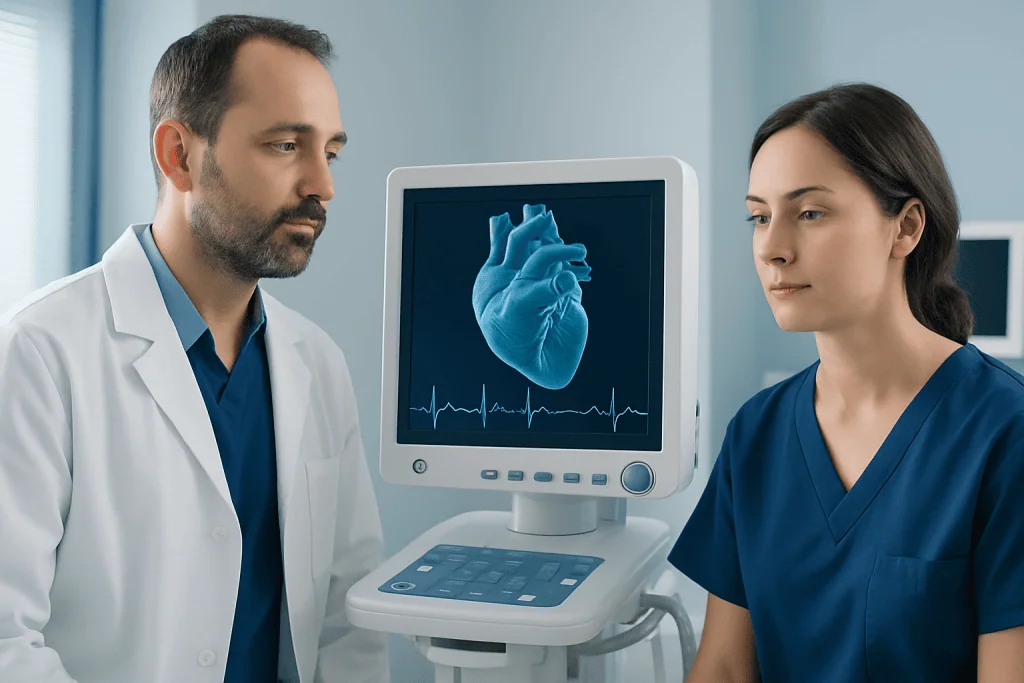
The heart has four chambers: two upper chambers called atria and two lower chambers called ventricles. Blood returning from the body enters the right side of the heart, travels to the lungs for oxygen, and then returns to the left side of the heart. The left ventricle then pumps this oxygen-rich blood out to the body through the aorta, the main artery.
Heart valves act like one-way doors. They open and close with each heartbeat to keep blood moving in the correct direction. When a valve becomes narrowed or leaky, the heart may have to work harder, which can sometimes cause symptoms such as fatigue, breathlessness, or swelling.
The heart also depends on its own blood supply through the coronary arteries. If these arteries become narrowed by plaque, the heart muscle may not get enough oxygen, especially during activity. This process is part of coronary artery disease and can lead to angina or a heart attack if blood flow is suddenly blocked.
The electrical system begins in the sinus node, often called the heart’s natural pacemaker. Electrical signals travel through the chambers in a precise pattern, triggering each beat. If this system becomes irregular, a person may notice palpitations, a racing heartbeat, skipped beats, or an uneven pulse, sometimes related to arrhythmia.
Common signs that may involve the heart

Many heart conditions develop gradually, so symptoms are not always dramatic at first. Some people notice reduced exercise tolerance, unusual tiredness, or becoming short of breath during tasks that were previously easy. Others may have no clear symptoms until a routine checkup shows high blood pressure, a heart murmur, or an abnormal test result.
Possible heart-related symptoms include:
- Chest pressure, tightness, pain, or burning
- Shortness of breath during activity or at rest
- Palpitations or a fluttering sensation in the chest
- Dizziness, lightheadedness, or fainting
- Swelling in the ankles, feet, or legs
- Unexplained fatigue or reduced stamina
- Pain that spreads to the arm, jaw, back, or upper abdomen
These symptoms do not always mean there is a serious heart problem. For example, chest discomfort can also come from muscle strain, indigestion, or anxiety. Still, symptoms involving the chest, breathing, or circulation should be assessed by a qualified clinician, especially if they are new, recurring, or worsening.
Heart symptoms can differ from person to person. Women, older adults, and people with diabetes may be more likely to have less typical symptoms, such as nausea, unusual fatigue, sleep disturbance, or breathlessness without clear chest pain.
What can affect heart health
Heart health is influenced by both nonmodifiable and modifiable factors. Age, biological sex, and family history cannot be changed, but many other risks can be reduced. Over time, the heart and blood vessels may be affected by persistent high blood pressure, unhealthy cholesterol levels, diabetes, smoking, chronic inflammation, and excess body weight.
Lifestyle also matters. Limited physical activity, diets high in salt or highly processed foods, poor sleep, high alcohol intake, and ongoing stress can all strain the cardiovascular system. Stress alone does not cause every heart condition, but it can contribute to unhealthy habits and elevated blood pressure.
Several medical conditions can directly involve the heart, including heart failure, valve disease, congenital heart conditions, infections, and rhythm disorders. Sometimes the heart is affected secondarily by kidney disease, thyroid disorders, lung disease, or autoimmune conditions.
Regular screening is important because some of the strongest risk factors are silent. A person may feel well even when blood pressure, cholesterol, or blood sugar is high. Identifying these early gives doctors and patients a chance to lower risk before symptoms or complications develop.
How doctors evaluate the heart
Heart evaluation usually begins with a medical history and physical examination. The doctor may ask about symptoms, smoking status, family history, exercise habits, sleep, medicines, and conditions such as diabetes or high blood pressure. Blood pressure, pulse, oxygen level, and body weight are often checked at the visit.
Basic testing may include blood tests, an electrocardiogram (ECG), and a chest X-ray depending on the symptoms. Blood tests can help assess cholesterol, blood sugar, kidney function, thyroid function, anemia, or signs of heart strain or damage in urgent situations. An ECG records the heart’s electrical activity and can show rhythm problems or evidence of reduced blood flow.
If more detail is needed, doctors may recommend an echocardiogram, which uses ultrasound to show heart chambers, valves, and pumping strength. Some people also need a stress test, a Holter monitor, CT imaging, MRI, or coronary angiography. In selected cases, doctors may discuss cardiac catheterization to examine blood flow and heart function more closely.
The goal of testing is not only to identify disease, but also to understand overall heart function and personal risk. This helps guide treatment decisions, from lifestyle changes and medicines to procedures when necessary.
Treatment options for heart conditions
Treatment depends on the specific diagnosis, the severity of symptoms, and the person’s overall health. Many heart conditions can be managed effectively with a combination of healthy habits and medication. Doctors may prescribe medicines to control blood pressure, lower cholesterol, improve heart rhythm, reduce fluid buildup, or prevent blood clots.
When circulation to the heart muscle is reduced, procedures may help restore blood flow. In some cases, doctors recommend coronary angiography to identify blockages and plan treatment. Some patients may go on to coronary artery bypass surgery or other interventions, depending on the pattern of disease and individual needs.
Structural or rhythm-related problems may also need specialized care. Valve disease can be treated with repair or replacement in selected patients, and significant rhythm disturbances may need medicines, ablation, or device therapy. The best approach is usually decided by a multidisciplinary team that considers symptoms, test results, and long-term goals.
For international patients who need evaluation or treatment, Acibadem International’s multidisciplinary specialists and JCI-accredited hospitals provide diagnosis and care for a wide range of heart conditions.
Prevention and everyday heart care
Many of the most important steps for heart health are part of daily life. Not every heart condition can be prevented, but risk can often be reduced by keeping blood pressure, cholesterol, and blood sugar within target ranges and by avoiding tobacco. Small, consistent changes are usually more sustainable than sudden extreme plans.
Helpful heart-care habits include:
- Eating a balanced diet rich in vegetables, fruits, whole grains, legumes, and lean protein
- Limiting excess salt, sugar, and heavily processed foods
- Being physically active most days of the week, as advised by a doctor
- Maintaining a healthy weight range
- Not smoking and avoiding secondhand smoke
- Getting enough sleep and managing stress
- Taking prescribed medicines regularly and attending follow-up visits
Home blood pressure monitoring may be useful for some people, especially those with hypertension or a family history of cardiovascular disease. Routine checkups can also help identify silent risk factors before they lead to symptoms.
People who already have heart disease often benefit from structured recovery and support, including supervised exercise, education, and lifestyle counseling. Cardiac rehabilitation may be recommended after certain heart events or procedures because it helps many patients regain confidence and function safely.
When to seek medical care
Medical advice should be sought for recurring chest discomfort, unexplained shortness of breath, palpitations, fainting, new swelling in the legs, or a noticeable drop in exercise tolerance. Even mild symptoms deserve attention if they persist, interfere with daily life, or occur in someone with known risk factors such as diabetes, high blood pressure, or a strong family history of heart disease.
Urgent or emergency care is needed for severe chest pain or pressure, chest symptoms with sweating or nausea, sudden shortness of breath, fainting, weakness on one side, or pain that spreads to the arm, jaw, or back. These can be signs of a heart attack, stroke, or another serious cardiovascular problem and should not be ignored.
Children and younger adults can also have heart-related concerns, although the causes may be different from those in older adults. A clinician can help distinguish common benign symptoms from signs that need further evaluation.
Frequently asked questions
What is the heart and why is it important?
The heart is a muscular organ that pumps blood throughout the body. It delivers oxygen and nutrients to tissues and helps remove waste products, making it essential for the function of every organ.
Can a person have heart disease without symptoms?
Yes. Some heart conditions develop quietly, especially high blood pressure, early coronary artery disease, or mild valve problems. Regular checkups can help detect issues before they cause noticeable symptoms.
What symptoms should never be ignored?
Severe chest pain, sudden shortness of breath, fainting, or chest discomfort that spreads to the arm, jaw, or back should be treated as urgent. These symptoms can signal a serious heart problem and need prompt medical evaluation.
How is heart health checked during a routine visit?
A routine heart assessment often includes blood pressure and pulse checks, a physical examination, and discussion of symptoms and family history. Depending on risk factors, a doctor may also order blood tests, an ECG, or other imaging.
Can lifestyle changes really improve heart health?
Yes. Stopping smoking, eating a balanced diet, staying active, managing weight, and controlling blood pressure, cholesterol, and diabetes can meaningfully reduce cardiovascular risk. These measures are important both for prevention and for managing existing heart disease.
Are palpitations always a sign of heart disease?
Not always. Palpitations can be triggered by stress, caffeine, dehydration, certain medicines, or lack of sleep, but they can also be related to an abnormal heart rhythm. Frequent, prolonged, or symptomatic palpitations should be assessed by a doctor.
This article is for general information only and is not a substitute for professional medical advice. Please consult a qualified doctor about your individual situation.
Explore treatments in Turkey — costs, top hospitals & a free quote
JCI-accredited · board-certified surgeons · reply within 24h
Add us as a Preferred Source to see more of our trusted health content across Google Search, AI Overviews and Discover.
Check your numbers in seconds
BMI, calories, due date, blood pressure and 30+ more clinical calculators — free, instant, doctor-reviewed ranges.

More from the Health Library

Retainer Cleaner: What Patients Need to Know

Pilonidal Cyst: A Complete Medical Overview

Athletes Foot: What Patients Need to Know

Gastroenterologist: An Evidence-Based Guide for Patients

Watermelon Juice Benefits — Explained by Medical Evidence, Not Myths