Heartburn Treatment Food: How It Works, Results and What to Expect

Food choices can reduce heartburn symptoms, but they do not replace medical assessment for frequent reflux. Smaller meals, avoiding late eating, and identifying personal triggers are often as important as the foods selected.
Key Takeaways
- Food choices can reduce heartburn symptoms, but they do not replace medical assessment for frequent reflux.
- Smaller meals, avoiding late eating, and identifying personal triggers are often as important as the foods selected.
- High-fat meals, alcohol, chocolate, mint, coffee, spicy foods, and acidic foods trigger symptoms for some, but not all, people.
- Simple, lower-fat foods such as oats, vegetables, lean proteins, and non-citrus fruits may be better tolerated.
- Urgent medical care is needed for chest pain with concerning symptoms, vomiting blood, black stools, or trouble swallowing.
Heartburn treatment food is not a cure for every cause of heartburn, but choosing less triggering meals, adjusting portions and timing, and keeping a personal food diary may reduce symptoms for many people. Frequent or persistent heartburn should be assessed by a qualified clinician because it may be gastroesophageal reflux disease (GERD) or another condition.
Overview: What Is Heartburn Treatment Food?
Heartburn treatment food refers to eating patterns and food choices that may lessen the burning discomfort caused by stomach contents moving back into the oesophagus, the tube connecting the mouth to the stomach. Food cannot always stop reflux immediately or cure its underlying cause, but it can be an important part of symptom control alongside lifestyle changes and, when appropriate, medicines.
Heartburn commonly feels like burning behind the breastbone, often after meals or when lying down. It may occur with sour-tasting fluid in the mouth, burping, bloating, nausea, or a cough or hoarse voice that is worse at night. Recurrent heartburn can be part of acid reflux disease, also called gastroesophageal reflux disease (GERD).
The most useful approach is individual rather than overly restrictive. Certain foods are common triggers, but a food that causes symptoms in one person may be well tolerated by another. A short food-and-symptom record can help identify patterns while maintaining a balanced diet.
How Food-Based Heartburn Treatment Works

Heartburn develops when the lower oesophageal sphincter, a ring of muscle at the bottom of the oesophagus, relaxes at an unsuitable time or is under pressure. This allows acidic stomach contents to move upward. Large meals, high-fat foods, alcohol, and lying down soon after eating can increase the likelihood of reflux in some people.
Food-based treatment aims to reduce these pressures and triggers. Smaller, lower-fat meals may empty from the stomach more comfortably than very rich meals. Avoiding personal trigger foods can reduce irritation, while remaining upright after eating uses gravity to help keep stomach contents in the stomach.
Dietary changes are generally safe when they are practical and nutritionally adequate. However, they should not be viewed as a substitute for investigation when heartburn is new after age 55, occurs often, persists despite self-care, or is accompanied by warning symptoms.
Who May Benefit and What Foods Help Heartburn Go Away?
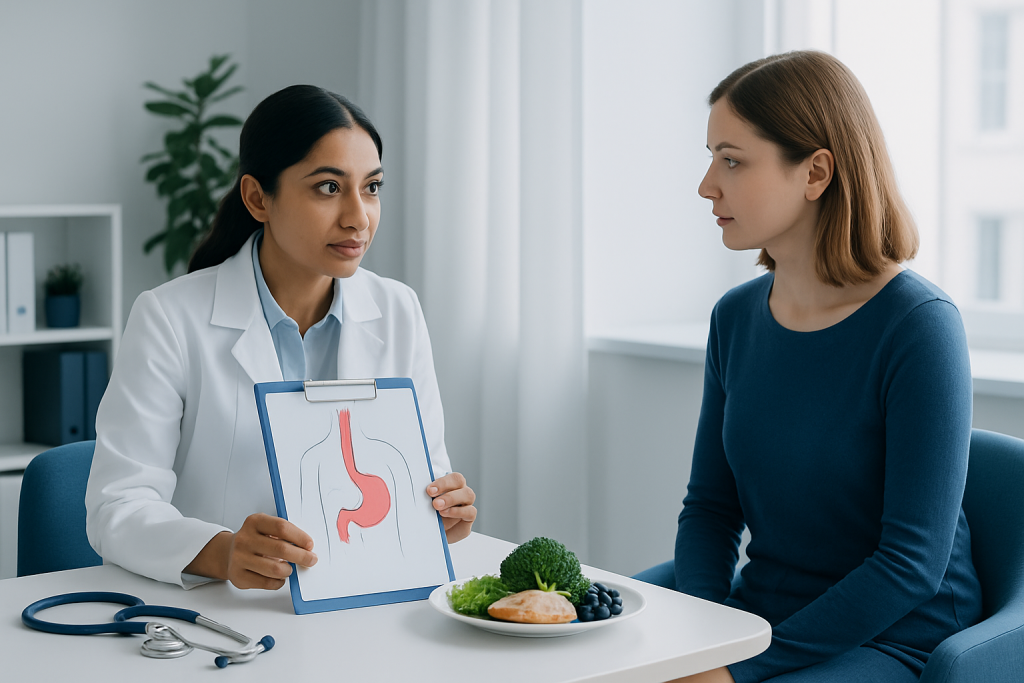
People with occasional mild heartburn, especially when symptoms follow particular meals, may benefit from dietary adjustments. Those with recurrent reflux may also use food changes as one part of a broader plan developed with a doctor or dietitian. People who are pregnant, have diabetes, have had gastrointestinal surgery, or follow medically prescribed diets should ask their clinician before making major dietary changes.
Foods that are often easier to tolerate include oats and other whole grains; potatoes, rice, and pasta prepared without rich sauces; vegetables that are not heavily fried or spiced; lean poultry, fish, eggs, beans, or lentils; and non-citrus fruits such as bananas, melons, and pears. Low-fat yoghurt or milk may be comfortable for some people, but dairy can worsen symptoms for others.
A practical meal could include oatmeal with banana, grilled chicken with rice and steamed vegetables, or baked fish with potatoes and green beans. Preparing foods by baking, grilling, steaming, poaching, or boiling rather than deep-frying may be helpful. Very large portions can provoke symptoms even when the ingredients themselves are not triggers.
Common triggers include fatty or fried foods, spicy dishes, tomato-based foods, citrus fruits and juices, chocolate, peppermint, onions, garlic, coffee, carbonated drinks, and alcohol. These do not need to be avoided automatically. It is more useful to limit a suspected trigger, observe symptoms, and then discuss ongoing dietary concerns with a healthcare professional.
A Step-by-Step Plan for Using Food to Manage Heartburn
Food-based heartburn care is a gradual process rather than a procedure with a fixed result. For one to two weeks, a person can note what they eat and drink, the time of meals, body position after eating, symptoms, and any medicines used. This can reveal whether symptoms are linked to certain foods, meal sizes, or late-night eating.
Next, it is reasonable to make one or two manageable changes, such as choosing smaller portions, reducing high-fat evening meals, or avoiding a suspected trigger. Eating slowly and stopping before feeling overly full may also help. Eliminating many foods at once can make it difficult to identify what is actually affecting symptoms and may unnecessarily limit nutrition.
Timing is important. Many people benefit from finishing meals at least two to three hours before lying down or going to bed. If night-time symptoms continue, elevating the head of the bed may help; extra pillows alone may not provide consistent elevation. Maintaining a weight that is appropriate for the individual and avoiding tight clothing around the abdomen can further reduce abdominal pressure.
If diet and lifestyle measures are not enough, a clinician may recommend antacids, acid-suppressing medicines, testing, or other treatment. For selected people with confirmed, persistent reflux, GERD treatment may include a tailored combination of medication, endoscopic evaluation, or anti-reflux procedures.
How Long Does It Take to Fix Heartburn?
Occasional heartburn may improve within hours when a trigger is avoided, a person remains upright, and an appropriate over-the-counter medicine is used according to its label or a clinician’s advice. Dietary changes may show benefit over several days to a few weeks, especially when they are combined with smaller meals and avoiding food close to bedtime.
There is no universal timeline for “fixing” heartburn because the cause matters. Reflux related to a single large or rich meal may settle quickly, whereas chronic GERD, a hiatal hernia, obesity, pregnancy, or certain medicines may cause symptoms to return without ongoing management.
If heartburn happens two or more times a week, interferes with sleep or daily activities, or requires frequent self-treatment, medical assessment is advisable. A clinician can determine whether symptoms are due to GERD or another digestive condition and can recommend appropriate care.
How to Know Acid Reflux Is Healing
Improvement usually means symptoms become less frequent, less intense, and less likely to occur after usual meals or at night. A person may notice less burning, regurgitation, throat irritation, cough, or sleep disruption. Needing rescue medicines less often can also be a useful sign, provided changes are discussed with a clinician when medicines have been prescribed.
Symptom improvement is encouraging, but it does not always show whether irritation of the oesophagus has fully healed. People with frequent GERD, swallowing difficulties, bleeding, unexplained weight loss, or symptoms that continue despite treatment may need medical evaluation, sometimes including an upper endoscopy.
Keeping a symptom record can help a clinician judge progress and identify remaining triggers. It is important not to stop prescribed acid-reducing medicine suddenly without medical guidance, particularly after long-term use.
What Drink Stops Heartburn Fast?
No drink reliably stops heartburn fast for everyone. Small sips of still water may help clear acid from the oesophagus and can be a reasonable first step. Some people find a low-fat, non-caffeinated drink soothing, but responses vary and large volumes of any drink may increase stomach fullness and worsen reflux.
Milk is not a dependable treatment. Although it may briefly soothe discomfort for some people, full-fat milk can worsen reflux in others, and even low-fat milk does not address the underlying cause. Herbal drinks should also be approached carefully: peppermint tea may trigger reflux, while other teas can contain caffeine.
For rapid, occasional relief, an antacid may be more predictable than a beverage when used as directed on the product label and when appropriate for the individual. A pharmacist or doctor can advise people who have kidney disease, take regular medicines, are pregnant, or need heartburn treatment frequently.
Benefits, Limitations, Risks and When to Seek Medical Care
The benefits of a food-focused plan include a non-invasive, flexible way to reduce exposure to personal triggers and support overall digestive health. It may lessen symptoms, improve sleep, and reduce reliance on short-term relief medicines for some people. Its main limitation is that diet alone may not control reflux caused by a significant underlying problem.
Risks are usually related to overly restrictive dieting or delayed medical care. Avoiding broad food groups without a clear reason can reduce dietary variety and nutritional intake. Severe chest discomfort should never be assumed to be heartburn, as heart-related conditions can sometimes feel similar.
Urgent medical care is needed for chest pain with shortness of breath, sweating, dizziness, pain spreading to the arm, jaw, back, or neck, or a feeling of pressure or tightness. Prompt assessment is also important for difficulty or pain when swallowing, persistent vomiting, vomiting blood, black stools, unexplained weight loss, anaemia, or ongoing symptoms despite treatment.
For international patients, Acibadem International’s multidisciplinary specialists and JCI-accredited hospitals can assess and treat reflux-related conditions when specialist care is needed. A gastroenterology clinician can help distinguish reflux from other causes of upper digestive symptoms and develop an individual treatment plan.
Frequently asked questions
Can eating certain foods cure heartburn?
Food choices may reduce heartburn symptoms, especially when symptoms are linked to large, fatty, spicy, acidic, or late meals. They do not cure every cause of heartburn, and persistent symptoms may require medicines or further evaluation. A varied diet tailored to personal triggers is usually more sustainable than strict avoidance of many foods.
What is the best breakfast for heartburn?
A lower-fat breakfast such as oatmeal with banana or melon, whole-grain toast with a simple topping, or eggs prepared without excess oil may be well tolerated. Coffee, citrus juice, rich pastries, and large high-fat breakfasts trigger symptoms in some people. Individual tolerance remains important.
Should someone avoid coffee if they have heartburn?
Coffee can trigger or worsen heartburn in some people because of caffeine and other compounds, but it does not affect everyone the same way. Reducing the amount, avoiding coffee on an empty stomach, or trying decaffeinated coffee may help identify whether it is a trigger. If symptoms continue, it may be best to avoid it and discuss management with a clinician.
Is water good for acid reflux?
Small amounts of still water may help wash acid down from the oesophagus and are generally a suitable choice. Drinking a very large amount at once can increase stomach fullness, which may worsen reflux. Water is supportive but is not a guaranteed rapid treatment for heartburn.
When is heartburn a sign of something serious?
Heartburn needs prompt assessment when it is frequent, persistent, worsening, associated with swallowing problems, vomiting, gastrointestinal bleeding, unexplained weight loss, or anaemia. Emergency care is needed for chest pain with breathlessness, sweating, dizziness, or pain spreading to other areas of the body. These symptoms should not be self-diagnosed as reflux.
Can I take over-the-counter heartburn medicine every day?
Frequent use of antacids or acid-suppressing medicines should be discussed with a doctor or pharmacist. These medicines can be appropriate for some people, but ongoing symptoms may need evaluation to confirm the cause and select the right treatment. People should follow package instructions and seek individual advice if they take other medicines or have chronic health conditions.
References
- National Institute of Diabetes and Digestive and Kidney Diseases
- American College of Gastroenterology
- National Health Service
- Mayo Clinic
This article is for general information only and is not a substitute for professional medical advice. Please consult a qualified doctor about your individual situation.
Persistent digestive symptoms? Get evaluated in Turkey
JCI-accredited · board-certified surgeons · reply within 24h
Add us as a Preferred Source to see more of our trusted health content across Google Search, AI Overviews and Discover.