Heat Stroke vs Stroke: Symptoms, First Aid, and When to Call Emergency Services

Heat stroke is caused by dangerous overheating, while stroke happens when blood flow to part of the brain is blocked or a blood vessel bleeds. Both conditions are medical emergencies and need urgent attention.
Key Takeaways
- Heat stroke is caused by dangerous overheating, while stroke happens when blood flow to part of the brain is blocked or a blood vessel bleeds.
- Both conditions are medical emergencies and need urgent attention.
- A very high body temperature, hot skin, and recent heat exposure suggest heat stroke; sudden one-sided weakness, facial droop, or speech problems strongly suggest stroke.
- If stroke is possible, use FAST: Face drooping, Arm weakness, Speech difficulty, Time to call emergency services.
- Do not give food, drinks, or medicines to a person who is confused, drowsy, or having trouble swallowing.
- Cooling measures can help in suspected heat stroke while waiting for help, but emergency care is still essential.
Heat stroke and stroke can both cause confusion, weakness, and trouble speaking, but they are different emergencies with different causes and first-aid priorities. Knowing how to recognize the signs and when to call emergency services can help a person get fast, appropriate care.
Overview: How Heat Stroke and Stroke Differ
Heat stroke and stroke are both life-threatening emergencies, but they are not the same condition. Heat stroke happens when the body overheats and can no longer control its temperature properly, usually after exposure to high environmental heat, strenuous activity, or both. Stroke happens when part of the brain is suddenly damaged because blood flow is blocked or because a blood vessel in the brain bleeds.
The confusion between these two conditions is understandable because they can share symptoms such as confusion, collapse, slurred speech, weakness, and loss of consciousness. However, the underlying cause is different, so the first steps may also differ. Heat stroke requires immediate cooling and emergency care. Stroke requires urgent emergency evaluation because treatments work best when started quickly.
In practical terms, context matters. If a person became unwell after being in a hot environment, exercising in the heat, or being unable to cool down, heat stroke becomes more likely. If symptoms came on suddenly without heat exposure, especially one-sided weakness or facial drooping, stroke may be more likely. Still, if there is any doubt, emergency services should be called right away.
Symptoms: What to Look For
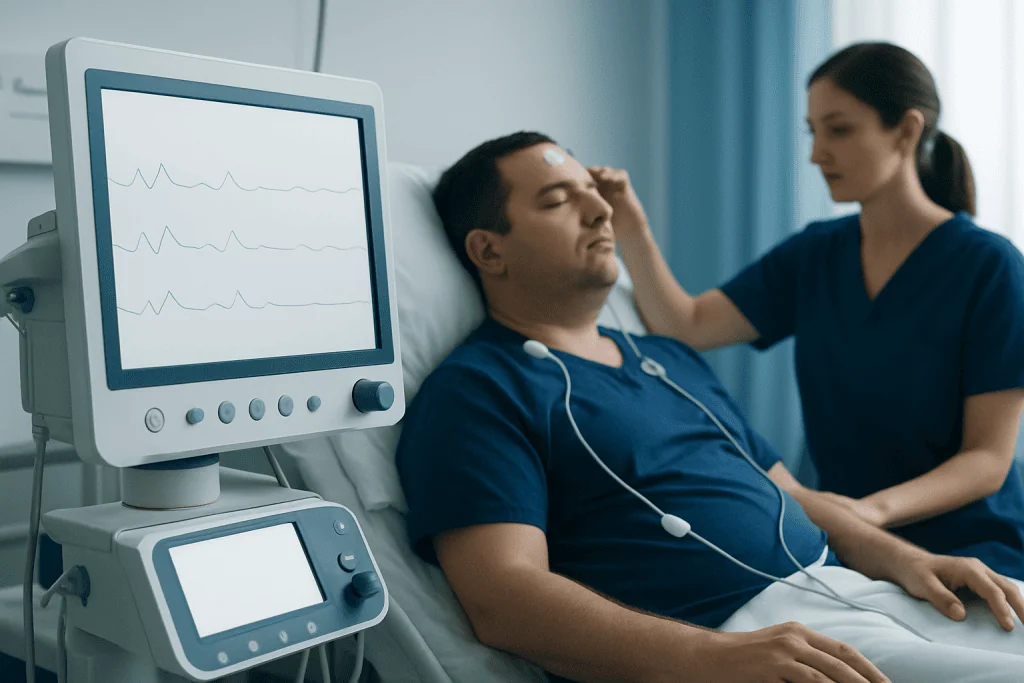
Heat stroke often causes a very high body temperature, hot skin, confusion, headache, dizziness, nausea, rapid heartbeat, and weakness. Some people sweat heavily at first, especially with exertional heat stroke, while others may have dry skin later. As heat stroke worsens, the person may become disoriented, collapse, have seizures, or lose consciousness.
Stroke symptoms usually begin suddenly. Common warning signs include facial drooping, weakness or numbness on one side of the body, trouble speaking or understanding speech, sudden vision changes, sudden severe headache, trouble walking, loss of balance, or sudden confusion. These symptoms reflect the part of the brain that is affected.
One simple way to remember stroke warning signs is FAST:
- Face drooping
- Arm weakness
- Speech difficulty
- Time to call emergency services
Some overlap is possible. For example, both conditions can cause confusion, collapse, or slurred speech. Clues that support heat stroke include recent heat exposure, a high body temperature, and hot flushed skin. Clues that support stroke include sudden one-sided weakness, facial asymmetry, or isolated speech trouble. A doctor may need to examine the person and order tests to tell the difference with confidence.
Causes and Risk Factors

Heat stroke develops when the body’s cooling systems become overwhelmed. This can happen during a heat wave, in poorly ventilated spaces, in cars, during intense sports or physical labor, or when dehydration limits the body’s ability to cool itself. Older adults, infants, people with chronic illness, and those taking certain medicines may be more vulnerable. Alcohol use, heavy clothing, and limited access to shade or fluids can also raise the risk.
Stroke has very different causes. An ischemic stroke happens when a blood vessel supplying the brain is blocked, often by a clot. A hemorrhagic stroke happens when a blood vessel ruptures and bleeding damages brain tissue. Conditions that increase stroke risk include high blood pressure, diabetes, high cholesterol, smoking, heart rhythm disorders such as atrial fibrillation, obesity, and previous stroke or transient ischemic attack.
Some people may already know they are at increased stroke risk because they have vascular disease or a previous event such as a stroke. Others may have no warning until symptoms begin. Heat stroke, in contrast, is often linked to environmental circumstances, although personal risk factors still matter greatly.
Because both conditions can become critical quickly, it is safest not to assume a person is merely dehydrated or tired. Sudden neurological symptoms, collapse in the heat, or unexplained confusion should all be treated seriously.
First Aid: What to Do Right Away
If heat stroke is suspected, call emergency services immediately. Move the person to a cooler place, preferably shade or air conditioning. Remove excess clothing and begin active cooling with cool water, wet cloths, ice packs to the neck, armpits, and groin, or fanning. If available, cool mist and airflow can also help. Do not delay seeking emergency care while trying home measures.
If stroke is suspected, call emergency services immediately and note the time symptoms started or the last time the person was seen well. Keep the person safe, seated or lying down, and monitor breathing. Do not let the person drive. Do not give aspirin, food, drink, or oral medicines unless a doctor specifically instructs it, because swallowing may be unsafe and some strokes involve bleeding.
If the person is unconscious but breathing, place them on their side if it is safe to do so and watch for vomiting or worsening breathing. If they stop breathing and a trained bystander is present, emergency dispatch may guide resuscitation steps. In either heat stroke or stroke, staying calm and calling for professional help quickly is one of the most important actions.
People sometimes wonder whether they should cool someone who may actually be having a stroke. If there is obvious heat exposure and signs of overheating, gentle cooling while waiting for emergency services is reasonable and potentially lifesaving. However, cooling should never replace urgent transport and evaluation, especially if there are strong stroke signs such as facial droop or one-sided weakness.
Diagnosis in the Emergency Setting
Doctors diagnose heat stroke by combining the history, symptoms, body temperature, physical examination, and laboratory tests. They look for evidence of overheating and complications such as dehydration, electrolyte imbalance, kidney strain, muscle breakdown, or injury to the liver and nervous system. Heat stroke can affect many organs, so careful monitoring is needed even after the person begins to cool down.
Stroke diagnosis requires urgent brain imaging to determine whether the stroke is caused by blocked blood flow or bleeding. Tests may include computed tomography or magnetic resonance imaging, along with blood tests, heart rhythm monitoring, and blood vessel imaging when needed. This rapid evaluation helps the medical team choose the safest and most effective treatment.
Because symptoms can overlap, emergency teams assess both the neurologic picture and the person’s temperature, circulation, and recent circumstances. In some cases, heat illness can trigger symptoms that look stroke-like. In other cases, a true stroke can happen during hot weather. A structured hospital assessment is the safest way to separate these possibilities.
Advanced care may include specialized imaging and urgent procedures when stroke is confirmed. Depending on the findings, a person may benefit from interventional neuroradiology or focused evaluation within stroke and cerebrovascular care.
Treatment Options and Recovery
Heat stroke treatment focuses on rapid cooling, stabilizing vital signs, and treating complications. In the hospital, clinicians may use cooled fluids, external cooling methods, oxygen, and careful monitoring of organs and electrolytes. Recovery depends on how high the body temperature rose, how long overheating lasted, and whether brain or organ injury occurred.
Stroke treatment depends on the type of stroke. Some ischemic strokes may be treated with clot-dissolving medicine if the person arrives within the right time window and meets safety criteria. Others may require a catheter-based procedure to remove a clot. Hemorrhagic stroke treatment may focus on controlling bleeding, lowering dangerous pressure, and sometimes neurosurgical care. Related procedures may involve brain aneurysm treatment or vascular neurosurgery treatment when appropriate.
After the emergency phase, rehabilitation may be needed for either condition. A person recovering from stroke may need physical, occupational, or speech therapy. Someone recovering from severe heat stroke may need follow-up for fatigue, cognitive changes, kidney issues, or muscle injury. Improvement can continue over time with medical guidance and supportive care.
Near the end of recovery planning, some patients and families seek multidisciplinary evaluation, especially if symptoms have been complex or severe. Acibadem International’s multidisciplinary specialists and JCI-accredited hospitals diagnose and treat stroke-related and heat-related emergencies for international patients when advanced evaluation or rehabilitation is needed.
Prevention and Self-Care
Heat stroke prevention centers on limiting overheating. On hot days, people should stay well hydrated, wear lightweight clothing, use shade or air conditioning, and avoid intense physical activity during the hottest hours when possible. Older adults, young children, and people with chronic diseases may need extra support during heat waves. No one should be left in a parked vehicle, even briefly.
Preventing stroke focuses on long-term vascular health. Important steps include controlling blood pressure, managing diabetes and cholesterol, not smoking, limiting alcohol, staying physically active, maintaining a healthy weight, and following prescribed treatment for heart conditions. Regular medical care can help identify risk factors before they cause problems.
Self-care after either event should be guided by a doctor. After heat stroke, a person may need to avoid strenuous heat exposure until fully recovered. After stroke, safe return to exercise, work, and driving depends on the specific deficits and medical advice. Families can help by learning warning signs and keeping emergency numbers easily available.
It can also help to review the symptoms of brain hemorrhage and other neurological emergencies with a healthcare professional, especially for people at elevated stroke risk. Clear knowledge supports faster action if symptoms appear again.
When to Call Emergency Services
Emergency services should be called immediately for any suspected stroke or heat stroke. Warning signs include sudden facial drooping, one-sided weakness, trouble speaking, sudden confusion, seizures, collapse, loss of consciousness, a very high body temperature, or hot skin after heat exposure. It is better to call and be told it was not an emergency than to wait too long.
Urgent care is also needed if a person with heat illness cannot drink, keeps vomiting, becomes unusually sleepy, or stops making sense. For possible stroke, even symptoms that improve quickly need immediate medical evaluation because they may signal a transient ischemic attack or an evolving stroke. Time-sensitive treatments may reduce disability when given early.
If there is uncertainty, emergency responders can assess the situation and direct the person to the right level of care. Families should try to note the timing of symptoms, recent heat exposure, current medicines, and existing health conditions. This information can help the emergency team act quickly.
The key message is simple: do not try to sort out a severe neurological or heat-related event alone at home. Rapid professional evaluation offers the best chance of safe treatment and recovery.
Frequently asked questions
Can heat stroke look like a stroke?
Yes. Heat stroke can cause confusion, slurred speech, collapse, and even loss of consciousness, which may resemble stroke symptoms. The difference is that heat stroke is linked to dangerous overheating, while stroke is caused by a problem with blood flow in the brain.
How can someone tell the difference between heat stroke and stroke at home?
A person should look at both symptoms and context. Recent heat exposure, a very high body temperature, and hot skin suggest heat stroke, while sudden facial droop, one-sided weakness, or speech difficulty strongly suggest stroke. Because overlap is possible, emergency services should be called if either condition is suspected.
Should a person drink water if heat stroke is suspected?
If the person is fully awake, able to swallow safely, and only mildly affected by heat illness, fluids may help. But if heat stroke is suspected and the person is confused, drowsy, vomiting, or not swallowing normally, nothing should be given by mouth because choking is possible. Emergency care is essential.
Why is time so important in stroke?
Some stroke treatments work best within a limited time window after symptoms begin. Quick treatment may reduce brain injury and improve the chance of recovery. That is why people are advised to call emergency services immediately rather than waiting to see if symptoms go away.
Can hot weather trigger a stroke?
Hot weather may put extra stress on the body and can worsen dehydration, blood pressure instability, or other health problems. However, stroke itself is not the same as overheating. A person can have a stroke during hot weather, so sudden neurological symptoms should never be dismissed as heat alone.
What should not be done while waiting for emergency help?
A person should not be given aspirin, food, alcohol, or any drink if swallowing is uncertain. They should not be left alone, and they should not be allowed to drive. In suspected heat stroke, cooling should begin, but it should never delay calling emergency services.
References
- World Health Organization
- Centers for Disease Control and Prevention
- American Stroke Association
- National Institute of Neurological Disorders and Stroke
- National Institute for Health and Care Excellence
This article is for general information only and is not a substitute for professional medical advice. Please consult a qualified doctor about your individual situation.
Explore treatments in Turkey — costs, top hospitals & a free quote
JCI-accredited · board-certified surgeons · reply within 24h
Add us as a Preferred Source to see more of our trusted health content across Google Search, AI Overviews and Discover.
Check your numbers in seconds
BMI, calories, due date, blood pressure and 30+ more clinical calculators — free, instant, doctor-reviewed ranges.