Heating Pad: A Complete Medical Overview
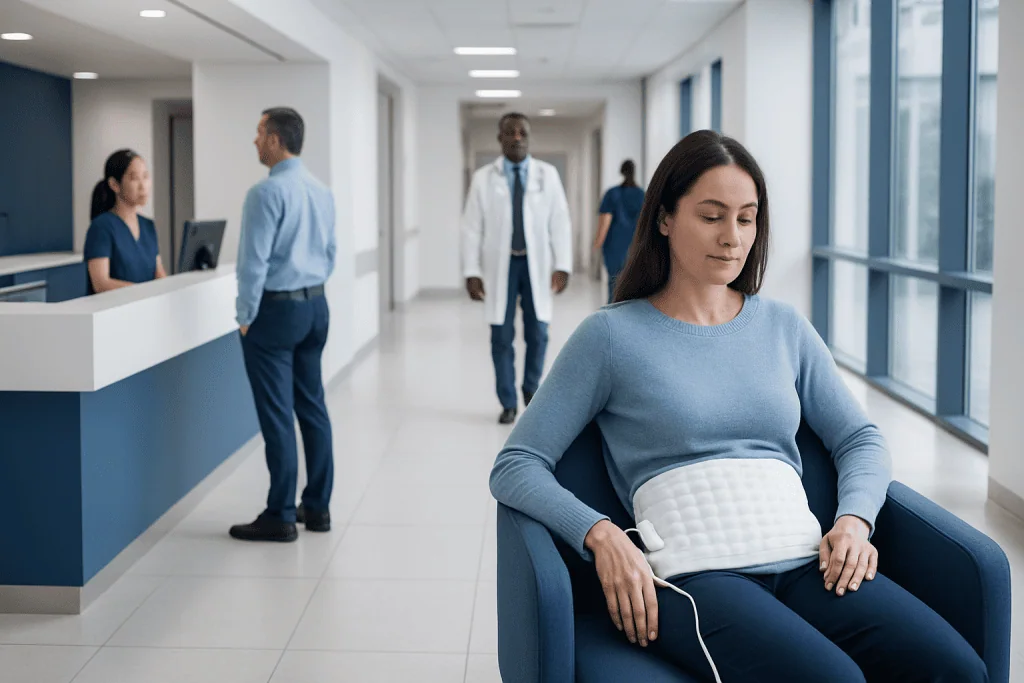
A heating pad is often helpful for muscle tension, stiffness, menstrual cramps, and some chronic aches. Heat is usually better for tight or ongoing pain, while recent injuries with swelling may respond better to cold.
Key Takeaways
- A heating pad is often helpful for muscle tension, stiffness, menstrual cramps, and some chronic aches.
- Heat is usually better for tight or ongoing pain, while recent injuries with swelling may respond better to cold.
- Safe use includes moderate heat, limited session times, and avoiding sleep or prolonged direct skin contact.
- People with reduced sensation, poor circulation, diabetes, or fragile skin should use extra caution and ask a doctor if unsure.
- Medical assessment is important if pain is severe, unexplained, persistent, or paired with weakness, fever, or swelling.
A heating pad is a simple form of heat therapy that can help relax muscles, reduce stiffness, and soothe some types of pain. It works best for ongoing muscle tension and cramping, but it should be used carefully because heat can worsen certain injuries or irritate sensitive skin.
Overview: What a Heating Pad Does
A heating pad is a device that delivers steady warmth to part of the body. It is commonly used at home to ease muscle soreness, stiffness, menstrual cramps, and some chronic pain conditions. For many people, a heating pad offers short-term comfort by helping muscles relax and by making movement feel easier.
Heat therapy works differently from pain medicines or physical treatments. Warmth can increase local blood flow, reduce the feeling of tightness, and temporarily change how pain signals are perceived. This is why a heating pad may feel especially helpful after a long day, after exercise-related muscle tension, or during flare-ups of back or neck discomfort.
Still, a heating pad is a supportive tool rather than a cure. It does not treat every cause of pain, and it should not replace medical care when symptoms are new, severe, or unexplained. Knowing when heat is helpful, and when it is not, is the safest way to use it.
How Heat Therapy Helps the Body
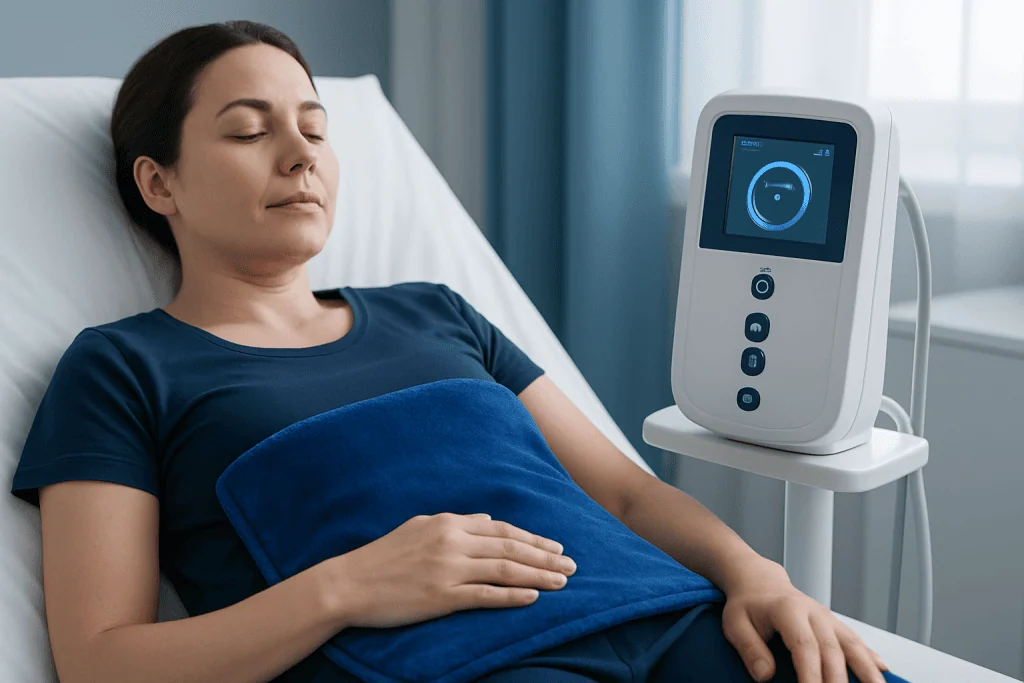
The main effect of a heating pad is gentle warming of the skin and tissues underneath. This warmth can encourage blood vessels to widen, bringing more blood to the area. Better circulation may support tissue comfort, reduce stiffness, and improve flexibility for a short time.
Heat can also reduce muscle guarding, which is the body’s tendency to tighten muscles around a painful area. When muscles begin to relax, the affected joint or body part may move more comfortably. This is one reason people often use a heating pad before stretching or after long periods of sitting.
Another benefit is soothing nerve sensitivity. Although heat does not remove the cause of pain, it can lessen how strongly pain is felt for a while. For some people with ongoing back or neck discomfort, heat may be part of a broader plan that also includes exercise, posture changes, and medical evaluation for conditions such as herniated disc.
Common Uses for a Heating Pad

A heating pad is most often used for muscular and soft-tissue discomfort rather than sudden injuries. People may apply it to the neck, shoulders, lower back, abdomen, or legs depending on where symptoms occur. It is commonly chosen for pain that feels tight, crampy, stiff, or aching rather than sharply swollen or newly injured.
Situations where heat may be useful include:
- Muscle tension after stress, exercise, or prolonged sitting
- Morning stiffness or chronic joint discomfort
- Menstrual cramps
- Lower back pain without red-flag symptoms
- Neck and shoulder tightness
- Discomfort during recovery plans that include physical therapy and rehabilitation
Some people also use heat as part of self-care for recurring spinal or joint problems. If pain is frequent or linked to numbness, weakness, or reduced mobility, an evaluation by specialists in orthopedic and traumatology care may help identify the cause and guide safer long-term treatment.
When a Heating Pad May Not Be the Right Choice
Heat is not ideal for every type of pain. In the first day or two after a sudden injury, especially when there is swelling, redness, or warmth already present, a heating pad can sometimes increase inflammation and make symptoms worse. Recent sprains, bruises, or acute sports injuries often respond better to cold in the early stage.
A heating pad should also be used carefully or avoided on areas of broken skin, active infection, significant bruising, or unexplained swelling. Heat may worsen bleeding under the skin, irritate damaged tissue, or delay recognition of a problem that needs medical attention.
People with nerve damage, reduced sensation, diabetes, circulation problems, very fragile skin, or conditions that affect temperature awareness need extra caution. If someone cannot reliably feel heat, there is a greater risk of burns. In these cases, it is wise to ask a qualified doctor before starting regular heat therapy.
How to Use a Heating Pad Safely
Safe use matters because even mild-looking heat can injure the skin if it is too intense or used for too long. A heating pad should feel warm and soothing, not painfully hot. It is best placed over a layer of clothing or a thin towel rather than directly on bare skin, especially at higher settings.
Short sessions are generally the safest approach. Many people use heat for about 15 to 20 minutes at a time, then check the skin and symptoms before repeating. If the skin becomes very red, painful, itchy, or unusually sensitive, the session should be stopped. Falling asleep with a heating pad on is not recommended, particularly with electric pads.
General safety tips include:
- Use the lowest effective heat setting
- Check the skin regularly during use
- Do not lie on top of an electric heating pad unless the product instructions allow it
- Avoid use over medicated creams or patches unless a clinician says it is safe
- Keep electrical cords and devices in good condition
- Do not use heat on infants or on people who cannot remove the pad themselves
If pain is recurrent, heat may provide temporary relief but should be paired with a proper diagnosis. Depending on the cause, treatment may involve pain management strategies, exercise guidance, posture correction, or targeted medical care.
Possible Risks and Side Effects
The most common problem linked to heating pads is a mild skin burn or irritation. This can happen when the pad is too hot, used for too long, or applied directly to sensitive skin. Repeated use in the same spot may also cause persistent redness or a mottled skin appearance over time.
Heat can also mask symptoms. A person may feel better temporarily and continue activity that strains the painful area further. This is especially relevant when pain is related to a structural problem such as sciatica or a significant joint disorder, where symptom relief should not be confused with healing.
Less often, a heating pad may worsen inflammation, swelling, or discomfort if used at the wrong time. If pain increases during or after heat use, or if there are additional symptoms such as fever, severe tenderness, weakness, or loss of function, the cause should be assessed by a doctor.
Choosing the Right Type of Heating Pad
Heating pads come in several forms, including electric pads, microwavable packs, gel-based products, and adhesive heat wraps. The best choice depends on the body area, the need for temperature control, and personal comfort. Electric pads often offer adjustable settings, while microwavable options may be convenient for short, portable use.
For broader areas such as the lower back, a larger flexible pad may fit better. For the neck or shoulders, curved or weighted designs may stay in place more comfortably. People who travel or need mobility may prefer disposable or wearable wraps, though they still require careful timing and skin checks.
It is useful to choose products with clear instructions and safety features such as automatic shutoff. A heating pad should never replace proper evaluation of persistent pain, but a well-chosen device can be a practical part of symptom management at home.
When to Seek Medical Care
A heating pad can be helpful for everyday aches, but some symptoms need medical attention rather than home treatment. Pain should be evaluated if it is severe, follows a major injury, does not improve, or repeatedly returns without a clear reason. Medical review is also important if there is visible swelling, deformity, fever, or an inability to move the area normally.
Urgent assessment is especially important when pain comes with numbness, weakness, loss of bladder or bowel control, chest discomfort, shortness of breath, or symptoms on one side of the body. These are not situations for self-treatment with heat alone.
For international patients who need a fuller assessment, Acibadem International’s multidisciplinary specialists and JCI-accredited hospitals diagnose and treat musculoskeletal and pain-related conditions with individualized care plans. A doctor can help determine whether a heating pad is appropriate or whether a more specific treatment approach is needed.
Frequently asked questions
What is a heating pad used for?
A heating pad is used to deliver gentle warmth to the body to help ease muscle tightness, stiffness, cramps, and some chronic aches. It is commonly used for the back, neck, shoulders, and abdomen.
Is a heating pad good for back pain?
It can be helpful for many types of back pain that feel stiff, tight, or muscular. However, back pain with weakness, numbness, fever, injury, or bowel or bladder changes needs medical evaluation.
Should heat or ice be used for pain?
Heat is often better for ongoing stiffness, muscle tension, and cramping. Ice is often preferred for recent injuries, swelling, or inflammation in the first day or two after the problem begins.
How long should a heating pad be used?
Short sessions are generally safest, often around 15 to 20 minutes at a time. The skin should be checked regularly, and the pad should not be hot enough to cause discomfort or leave lasting redness.
Can a heating pad cause burns?
Yes. Burns can happen if the heat is too high, the pad is used for too long, or it is placed directly on the skin, especially in people with reduced sensation or fragile skin.
Is it safe to sleep with a heating pad on?
In general, no. Sleeping with a heating pad increases the risk of burns and prolonged overheating because the person may not notice discomfort or skin irritation while asleep.
References
- National Institute of Arthritis and Musculoskeletal and Skin Diseases
- American Academy of Orthopaedic Surgeons
- Mayo Clinic
- National Health Service
- Cleveland Clinic
This article is for general information only and is not a substitute for professional medical advice. Please consult a qualified doctor about your individual situation.
Explore treatments in Turkey — costs, top hospitals & a free quote
JCI-accredited · board-certified surgeons · reply within 24h
Add us as a Preferred Source to see more of our trusted health content across Google Search, AI Overviews and Discover.