Heel Spur — Explained by Medical Evidence, Not Myths

A heel spur is a bony growth on the heel bone, but it may exist without causing symptoms. Heel pain is often related to irritation of the plantar fascia and surrounding soft tissues.
Key Takeaways
- A heel spur is a bony growth on the heel bone, but it may exist without causing symptoms.
- Heel pain is often related to irritation of the plantar fascia and surrounding soft tissues.
- Most people improve with conservative care such as supportive shoes, stretching, activity changes, and medical guidance.
- Imaging can confirm a heel spur, but the diagnosis is based on symptoms, examination, and the overall cause of heel pain.
- Persistent pain, difficulty walking, or symptoms that do not improve should be assessed by a qualified doctor.
A heel spur is a small calcium deposit that forms a bony projection on the heel bone. It does not always cause pain, but when symptoms develop, they are often related to strain in the tissues of the foot rather than the spur alone.
What a Heel Spur Really Is
A heel spur is a small bony outgrowth that develops on the underside or back of the heel bone. It forms over time as the body responds to repeated pulling, pressure, or stress where tendons and ligaments attach to bone. In simple terms, it is a calcium deposit that becomes visible on an X-ray.
One common myth is that every heel spur causes pain. In reality, many people have a heel spur and do not know it because it causes no symptoms. When heel pain is present, the discomfort is often linked to inflammation or strain in nearby tissues, especially the plantar fascia, rather than to the bony spur itself.
Another misunderstanding is that a heel spur is always a severe or permanent problem. In most cases, it can be managed effectively with practical steps such as rest, stretching, supportive footwear, and treatment of the underlying tissue irritation. Understanding this helps people focus on the true cause of pain instead of the X-ray finding alone.
How Heel Spur Symptoms Feel
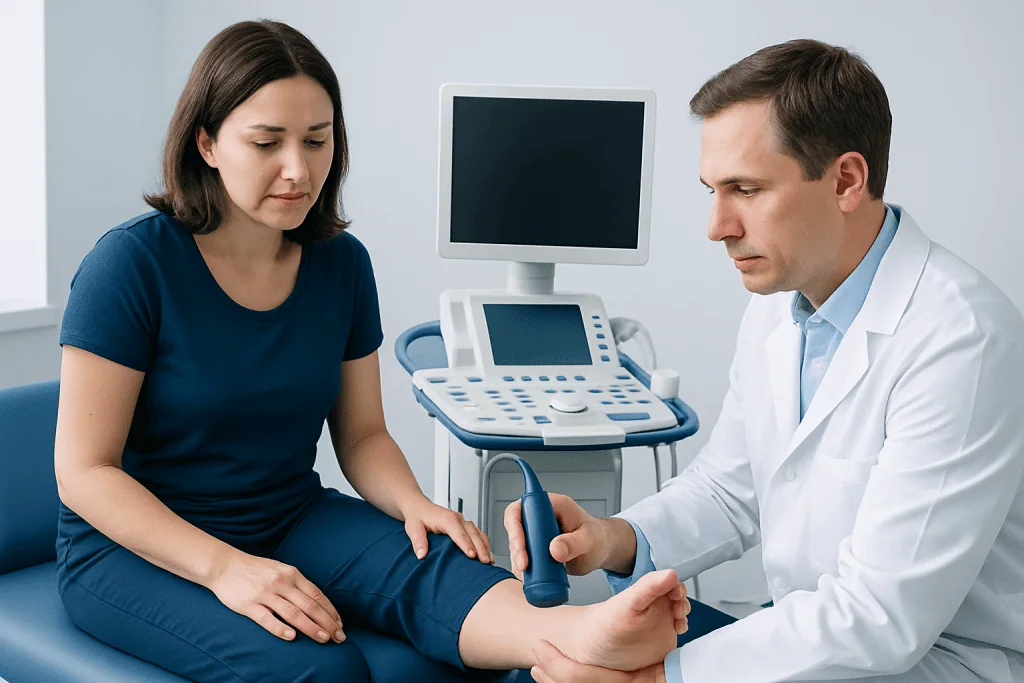
The most common symptom associated with a heel spur is heel pain, especially under the heel when standing up after rest or taking the first steps in the morning. Some people describe the sensation as sharp, stabbing, or bruised. Others notice a dull ache that becomes worse after long periods of standing, walking, or exercise.
Symptoms can vary from person to person. The spur itself may not be painful, but the surrounding structures can become irritated. This is why heel spur pain often overlaps with plantar fasciitis, a condition affecting the thick band of tissue along the sole of the foot.
Possible features include:
- Pain under or around the heel
- Discomfort after getting out of bed or after sitting
- Tenderness when pressing the heel
- Pain that worsens after activity rather than during it
- Mild swelling or warmth in the affected area
If pain changes the way a person walks, it can also lead to strain in the ankle, knee, hip, or lower back over time. For this reason, ongoing heel pain should not be ignored.
Why Heel Spurs Develop
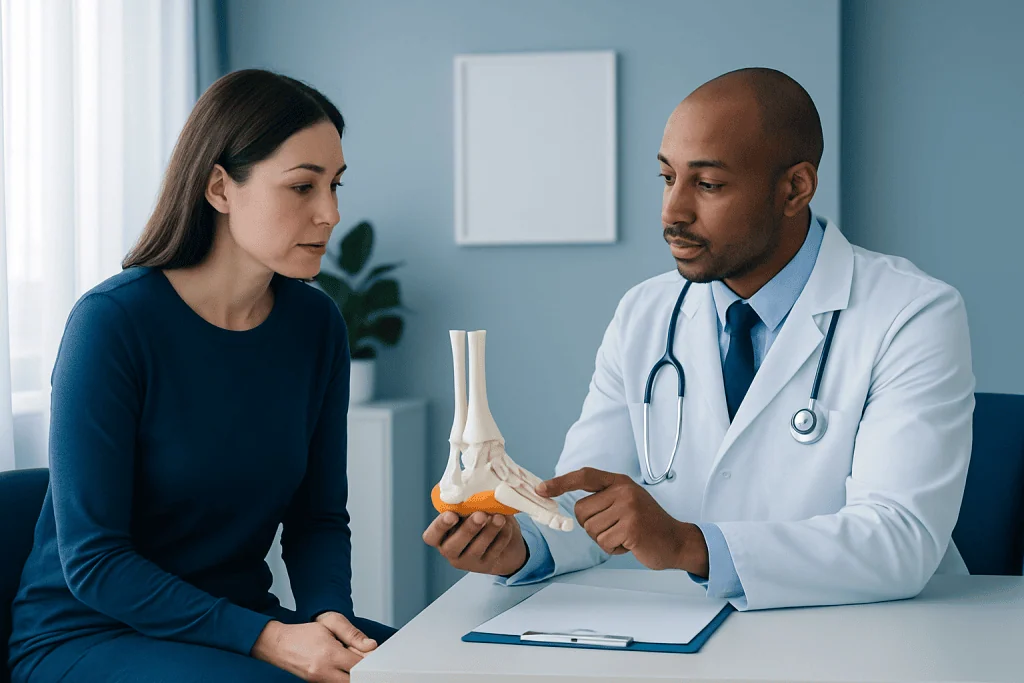
Heel spurs usually develop because of repeated stress where soft tissues attach to the heel bone. Over time, the body may respond by laying down extra bone. This process often happens gradually and is associated with long-term strain rather than a single injury.
Several factors can increase the chance of developing a heel spur. These include tight calf muscles, poor foot mechanics, shoes with inadequate cushioning or support, and activities that involve prolonged standing or repeated impact on hard surfaces. Excess body weight can also increase the load on the heel.
Common risk factors include:
- Plantar fasciitis or chronic tension in the plantar fascia
- Flat feet or very high arches
- Walking or running on hard surfaces
- Occupations that require long hours standing
- Improper footwear
- Age-related wear in the foot structures
Heel spurs can also form at the back of the heel where the Achilles tendon attaches. In that situation, pain may be related to Achilles tendon irritation rather than to the spur itself. A careful medical assessment helps identify which tissue is actually causing symptoms.
How Doctors Diagnose Heel Spur
Diagnosis begins with a medical history and physical examination. A doctor will ask when the pain started, where it is felt, what makes it better or worse, and whether there has been a change in activity, shoes, weight, or exercise habits. Examining how the foot moves and where tenderness is located helps clarify the cause.
Imaging may be used when needed. An X-ray can show a heel spur clearly, but it does not always explain the pain by itself. A person can have a visible spur with no symptoms, while someone else may have significant heel pain from soft tissue inflammation even if the spur is small.
If symptoms are unclear or not improving, further tests may be considered to rule out other causes of heel pain, such as stress fracture, nerve compression, inflammatory arthritis, or tendon problems. In selected cases, the doctor may recommend an MRI scan or an X-ray to look more closely at the heel and surrounding tissues.
The goal of diagnosis is not simply to confirm that a spur exists. It is to identify the full reason for the pain and guide treatment accordingly.
Treatment Options That Are Supported by Evidence
Most heel spur symptoms improve with non-surgical treatment. The main aim is to reduce stress on the heel, calm inflammation, and improve the flexibility and support of the foot. Treatment is usually individualized based on the person’s symptoms, daily activities, and foot structure.
Conservative management may include rest from aggravating activities, stretching exercises for the calf and plantar fascia, ice after activity, and footwear changes. Cushioned shoes, heel pads, or custom orthotics can reduce pressure on the heel and improve alignment. Some people may also benefit from supervised physical therapy, especially when tight muscles or abnormal walking patterns are contributing to symptoms. For persistent cases, a doctor may discuss options such as physical therapy and rehabilitation or other targeted treatments.
Doctors may suggest pain-relieving or anti-inflammatory medicines when appropriate, although these are only one part of treatment. In some cases, injections or other non-surgical procedures may be considered if symptoms do not improve with standard care. Surgery is uncommon and usually reserved for people with long-lasting pain that significantly affects daily life after a full trial of conservative treatment.
When surgery is considered, the procedure may involve releasing tight tissue or removing the spur, depending on the underlying problem. This is usually evaluated by specialists in orthopedics and traumatology after careful assessment of symptoms and imaging findings.
Self-care, Footwear, and Prevention
Daily habits can make a meaningful difference in heel pain. Shoes that cushion the heel and support the arch can reduce repeated strain. Very flat, worn-out, or unsupportive shoes often make symptoms worse. Replacing athletic shoes regularly and choosing footwear suited to the activity may help prevent recurrence.
Gentle stretching is another important part of self-care. Stretching the calf muscles and the plantar fascia can reduce tension on the heel. Many people also benefit from warming up before exercise and increasing activity levels gradually instead of suddenly changing distance, speed, or surface.
Helpful prevention and self-care steps include:
- Wearing supportive, well-cushioned shoes
- Using heel cups or orthotics if advised by a doctor
- Stretching the calves and soles of the feet regularly
- Maintaining a healthy weight to reduce pressure on the heel
- Avoiding long periods on hard surfaces when possible
- Taking breaks from repetitive impact activities during flare-ups
Although home measures can be effective, persistent heel pain should not be self-diagnosed for too long. Other conditions can mimic a heel spur, so expert evaluation is important if symptoms continue.
When to Seek Medical Care
It is sensible to seek medical care if heel pain lasts more than a few weeks, returns repeatedly, or begins to limit walking, work, or exercise. Medical assessment is also important if the pain is severe, follows an injury, or is associated with swelling, numbness, redness, or pain at night.
A doctor should also evaluate symptoms if home care has not helped, if there is pain in both heels without a clear reason, or if the person has diabetes, inflammatory arthritis, circulation problems, or another condition that affects the feet. These situations may require a more tailored treatment plan.
In specialist centers, a multidisciplinary team may assess heel pain using clinical examination, imaging, rehabilitation planning, and orthopedic input when needed. Acibadem International’s multidisciplinary specialists and JCI-accredited hospitals diagnose and treat heel pain conditions for international patients, including problems related to heel spurs and plantar fasciitis.
Frequently asked questions
Is a heel spur the same as plantar fasciitis?
No. A heel spur is a bony growth on the heel bone, while plantar fasciitis is irritation or inflammation of the plantar fascia. The two often occur together, which is why they are sometimes confused.
Can a heel spur go away on its own?
The bony spur itself usually does not disappear, but symptoms can improve significantly or resolve. Treatment focuses on reducing the strain and inflammation around the heel rather than on removing the spur in most cases.
Do all heel spurs cause pain?
No. Many heel spurs are found incidentally on X-rays in people who have no symptoms. Pain usually comes from irritation of the surrounding soft tissues, not simply from the presence of the spur.
What is the best shoe for heel spur pain?
Supportive shoes with good cushioning and arch support are usually the most helpful. Shoes should fit well, absorb impact, and avoid excessive pressure on the heel. A doctor or podiatry professional may also recommend inserts or heel cups.
Will I need surgery for a heel spur?
Most people do not need surgery. Conservative treatment works well for many cases, especially when combined with stretching, footwear changes, and activity modification. Surgery is generally considered only when pain is severe and long-lasting despite appropriate non-surgical care.
How long does heel spur pain take to improve?
Improvement often takes weeks to months, depending on the cause and how consistently treatment is followed. Early attention to footwear, stretching, and activity changes may help recovery. If symptoms continue, a medical evaluation can help identify what is delaying healing.
References
- American Academy of Orthopaedic Surgeons
- National Institute of Arthritis and Musculoskeletal and Skin Diseases
- American College of Foot and Ankle Surgeons
- National Health Service
- MedlinePlus
This article is for general information only and is not a substitute for professional medical advice. Please consult a qualified doctor about your individual situation.
Joint and spine care in Turkey — expert assessment & treatment
JCI-accredited · board-certified surgeons · reply within 24h
Add us as a Preferred Source to see more of our trusted health content across Google Search, AI Overviews and Discover.