Hematemesis Disease: Diagnosis, Outlook, and Modern Treatment Approaches

Hematemesis means vomiting blood and usually points to bleeding in the esophagus, stomach, or first part of the small intestine. Common causes include stomach ulcers, gastritis, tears in the esophagus, liver-related varices, and some medicines such as NSAIDs or blood thinners.
Key Takeaways
- Hematemesis means vomiting blood and usually points to bleeding in the esophagus, stomach, or first part of the small intestine.
- Common causes include stomach ulcers, gastritis, tears in the esophagus, liver-related varices, and some medicines such as NSAIDs or blood thinners.
- Doctors often use blood tests, physical examination, and endoscopy to identify the source and stop the bleeding when needed.
- Treatment may include fluids, acid-reducing medicines, endoscopic procedures, and treatment of the underlying condition.
- Black stools, dizziness, weakness, fainting, or repeated vomiting of blood are warning signs that need urgent medical attention.
Hematemesis disease refers to vomiting blood, a symptom most often linked to bleeding in the upper digestive tract rather than a disease on its own. Diagnosis focuses on finding the bleeding source quickly, and treatment depends on the cause, the amount of blood loss, and the person’s overall condition.
Overview: What hematemesis disease means
Hematemesis disease means vomiting blood. In medical practice, this term describes a symptom rather than a single illness. It usually happens when there is bleeding somewhere in the upper gastrointestinal tract, most often the esophagus, stomach, or duodenum, which is the first part of the small intestine.
The blood may appear bright red if bleeding is active and fresh, or dark brown and grainy like coffee grounds if blood has stayed in the stomach long enough to be partly digested. Either form should be taken seriously because the amount of visible blood does not always reflect how much bleeding is occurring internally.
The outlook depends on the cause, how quickly the bleeding is identified, and whether there are other health problems such as liver disease, ulcers, or use of blood-thinning medication. Modern care is centered on stabilizing the person, locating the bleeding source, and treating the underlying condition to prevent recurrence.
How hematemesis can appear and what symptoms may come with it
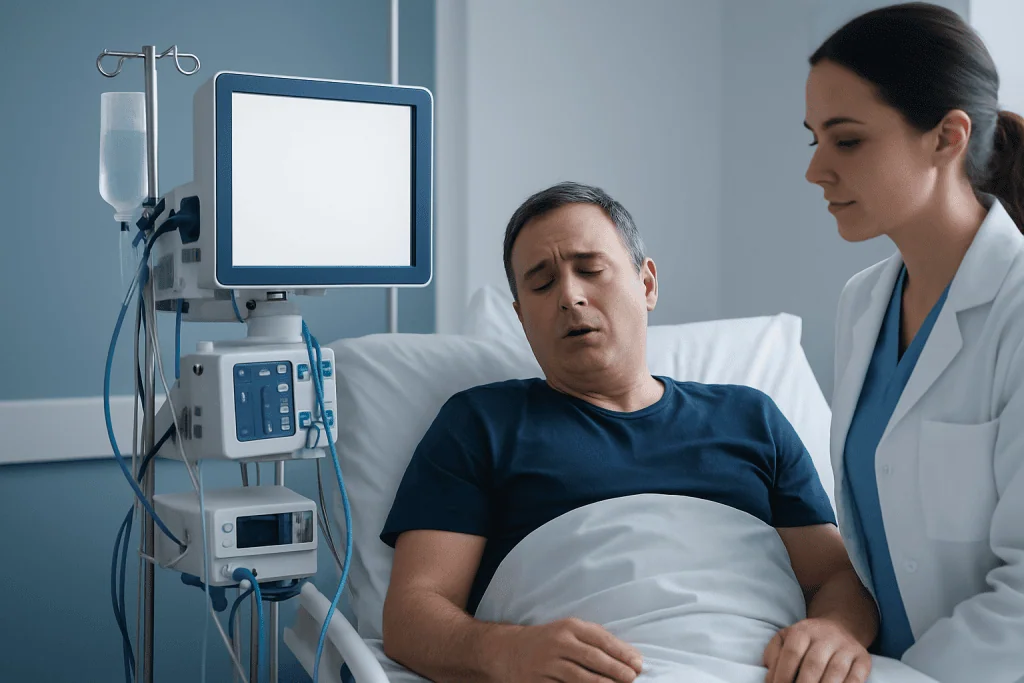
Vomiting blood can look different from person to person. Some people vomit streaks or small amounts mixed with stomach contents. Others may vomit larger amounts of red blood or material that looks like coffee grounds. Blood may also be swallowed and later passed as black, tar-like stools, known as melena.
Associated symptoms often reflect both the cause of bleeding and the body’s response to blood loss. A person may have upper abdominal pain, heartburn, nausea, retching, trouble swallowing, or a history of indigestion. If the bleeding is more significant, symptoms can include dizziness, weakness, paleness, rapid heartbeat, shortness of breath, or fainting.
Not every red or dark material in vomit is blood. Certain foods, supplements, and medicines can sometimes mimic its appearance. However, because true bleeding can become serious quickly, it is safest to seek medical assessment rather than assume the cause is harmless.
- Bright red blood may suggest active bleeding.
- Coffee-ground material suggests blood exposed to stomach acid.
- Black stools can signal upper digestive bleeding even if no blood is vomited again.
- Dizziness or fainting can indicate substantial blood loss and requires urgent care.
Causes and risk factors

Several conditions can cause hematemesis disease. One of the most common is a peptic ulcer, which can form in the stomach or duodenum and erode into a blood vessel. Inflammation of the stomach lining, called gastritis, can also lead to bleeding, especially when associated with alcohol use, infection, or regular use of anti-inflammatory medication. People who have been told they have stomach ulcer disease may already be familiar with this risk.
Another important cause is a Mallory-Weiss tear, a small tear in the lining where the esophagus meets the stomach. This can happen after forceful vomiting, retching, or severe coughing. In people with advanced liver disease or portal hypertension, enlarged veins in the esophagus or stomach, called varices, can bleed heavily and require urgent treatment.
Less commonly, bleeding may come from severe esophagitis, stomach tumors, vascular abnormalities, or after certain medical procedures. Risk factors that increase the chance of bleeding include infection with Helicobacter pylori, regular use of nonsteroidal anti-inflammatory drugs, aspirin, corticosteroids, blood thinners, heavy alcohol use, smoking, prior ulcers, and chronic liver disease. Sometimes hematemesis can occur along with related digestive conditions such as gastritis.
Doctors also consider whether blood could be coming from somewhere outside the digestive tract, such as the nose, mouth, or lungs, then swallowed and vomited. Distinguishing these possibilities is part of an accurate diagnosis.
How doctors diagnose the source of bleeding
Diagnosis begins with a careful history and physical examination. Clinicians ask when the vomiting started, what the blood looked like, whether there is abdominal pain or black stools, and which medicines the person takes. Alcohol use, liver disease, prior ulcers, recent severe vomiting, and previous episodes of bleeding are also important clues.
Blood tests are commonly used to evaluate blood count, clotting, liver function, kidney function, and overall stability. Vital signs such as blood pressure, pulse, and oxygen level help show whether the person may have significant blood loss. In some cases, stool testing or other imaging studies may be added if the source is not immediately clear.
The most important test in many cases is upper endoscopy, also called gastroscopy. During this procedure, a flexible camera is passed through the mouth to examine the esophagus, stomach, and duodenum. It allows doctors not only to identify the cause but often to treat it at the same time, making endoscopy a central modern tool in the evaluation of upper digestive bleeding.
If bleeding is severe or liver-related causes are suspected, the medical team may move quickly and coordinate care across gastroenterology, emergency medicine, anesthesia, radiology, and surgery. The goal is to stabilize the patient first and then define the exact source as efficiently as possible.
Modern treatment approaches
Treatment for hematemesis disease depends on how much bleeding has occurred, how stable the person is, and what is causing it. Initial care may include intravenous fluids, monitoring, temporary restriction of food or drink, and blood tests repeated over time. Some people also need blood transfusion or other supportive care if blood loss is significant.
Medicines are often started early. Acid-suppressing treatment may be used when an ulcer or severe gastritis is suspected. If there is concern about bleeding varices in someone with liver disease, doctors may use medications that reduce pressure in these veins and may also give antibiotics in selected cases. The exact plan depends on the person’s overall health and test findings.
Endoscopic treatment is frequently the next step. During upper endoscopy, doctors may inject medication, apply clips, use heat-based therapy, or place bands on bleeding varices. In some situations, a person may need gastroenterology care over several days for observation, repeated endoscopy, and treatment of the underlying condition.
If endoscopic methods do not fully control the bleeding, radiologic or surgical options may be considered. Examples include angiographic procedures to block a bleeding vessel or surgery for selected ulcers, tears, or tumors. In centers with multidisciplinary services, treatment planning may also involve general surgery when a structural problem needs operative management.
Outlook, recovery, and preventing another episode
The outlook after hematemesis varies widely. Many people recover well when the cause is found promptly and treated effectively. Short-term recovery depends on the amount of bleeding, age, other medical conditions, and whether the source has a high risk of bleeding again. Ulcer-related bleeding may improve with medication and treatment of Helicobacter pylori if present, while liver-related variceal bleeding often needs longer-term follow-up.
Preventing recurrence focuses on addressing the underlying cause. This may include avoiding unnecessary nonsteroidal anti-inflammatory drugs, reviewing blood thinner use with a physician, limiting alcohol, stopping smoking, and taking prescribed stomach-protective medicine as directed. If tests confirm ulcer disease, treatment of the infection or other cause is important to reduce future bleeding risk.
People with chronic liver disease may need ongoing specialist care to lower the chance of another variceal bleed. Follow-up appointments are also important after a Mallory-Weiss tear, severe gastritis, or an ulcer to confirm healing and discuss long-term prevention. If the cause is uncertain, doctors may recommend additional testing after the urgent phase has passed.
Near the end of the care pathway, some patients benefit from coordinated international evaluation. Acibadem International’s multidisciplinary specialists and JCI-accredited hospitals diagnose and treat digestive bleeding conditions for international patients when advanced assessment or follow-up is needed.
When to seek medical care
Hematemesis should be assessed by a doctor because it can be a sign of internal bleeding. Immediate medical care is especially important if a person vomits a large amount of blood, has repeated episodes, or also has black stools, chest pain, severe weakness, confusion, or fainting. These symptoms can suggest more significant blood loss or another urgent problem.
Even smaller amounts of blood should not be ignored, particularly in older adults or in people who take aspirin, NSAIDs, steroids, or blood thinners. People with liver disease, a history of ulcers, heavy alcohol use, or recent forceful vomiting should also seek prompt evaluation because their risk of a serious cause can be higher.
Calling emergency services may be the safest choice if the person is dizzy, pale, short of breath, or unable to stay awake. Until medical help arrives, it is usually best to avoid eating, drinking alcohol, or taking more pain medicines unless a doctor advises otherwise. A qualified clinician can decide whether urgent endoscopy, observation, or hospital treatment is needed.
Frequently asked questions
Is hematemesis a disease or a symptom?
Hematemesis is a medical term for vomiting blood, so it is usually considered a symptom rather than a disease by itself. It signals that there may be bleeding somewhere in the upper digestive tract and that the cause needs to be identified.
What is the most common cause of hematemesis?
Common causes include peptic ulcers, gastritis, and tears at the lower end of the esophagus after forceful vomiting. In some people, especially those with liver disease, bleeding varices can also be responsible.
Can hematemesis go away on its own?
Sometimes a small bleed may stop without major intervention, but the underlying reason still needs medical assessment. Because it is not possible to judge the seriousness based on appearance alone, professional evaluation is recommended.
How do doctors confirm where the blood is coming from?
Doctors use the history, physical examination, blood tests, and often an upper endoscopy to locate the bleeding source. Endoscopy is especially useful because it can both diagnose the cause and treat some types of bleeding during the same procedure.
Is vomiting coffee-ground material the same as vomiting fresh blood?
Both can indicate bleeding in the upper digestive tract, but they may look different depending on how long the blood has been in the stomach. Coffee-ground material usually means the blood has been partly digested by stomach acid.
What should someone avoid after an episode of hematemesis?
The best advice depends on the cause, but many people are asked to avoid alcohol, smoking, and unnecessary NSAID pain relievers such as ibuprofen unless a doctor says otherwise. It is also important to follow any treatment plan and attend follow-up care.
References
- National Institute of Diabetes and Digestive and Kidney Diseases
- American College of Gastroenterology
- Merck Manual Professional Edition
- National Health Service
- World Gastroenterology Organisation
This article is for general information only and is not a substitute for professional medical advice. Please consult a qualified doctor about your individual situation.
Persistent digestive symptoms? Get evaluated in Turkey
JCI-accredited · board-certified surgeons · reply within 24h
Add us as a Preferred Source to see more of our trusted health content across Google Search, AI Overviews and Discover.
Check your numbers in seconds
BMI, calories, due date, blood pressure and 30+ more clinical calculators — free, instant, doctor-reviewed ranges.