Hematology Oncology vs Oncology: What Is the Difference?

Hematology oncology combines expertise in blood disorders and cancer care. Oncology is the medical field focused on diagnosing and treating cancer.
Key Takeaways
- Hematology oncology combines expertise in blood disorders and cancer care.
- Oncology is the medical field focused on diagnosing and treating cancer.
- A hematologist-oncologist may treat anemia, clotting disorders, leukemia, lymphoma, and other cancers.
- Oncology care often involves a team that can include medical, surgical, and radiation specialists.
- The right specialist depends on the diagnosis, symptoms, and type of disease.
Hematology oncology and oncology are closely related specialties, but they are not exactly the same. Hematology oncology includes the diagnosis and treatment of blood disorders as well as many cancers, while oncology focuses more broadly on cancer care.
Overview
Many people come across the terms hematology oncology and oncology when they or a loved one are being evaluated for unusual blood test results, a possible tumor, or a confirmed cancer diagnosis. Because these specialties often work closely together, the names can seem interchangeable. In practice, they overlap, but they are not identical.
Hematology is the branch of medicine that deals with blood, bone marrow, and the lymphatic system. It includes non-cancerous conditions such as anemia, bleeding disorders, clotting problems, and some immune-related blood diseases. Oncology is the branch of medicine focused on cancer, including how it is diagnosed, staged, treated, and monitored over time.
Hematology oncology is a combined specialty. A hematologist-oncologist is trained to care for both blood disorders and many types of cancer, especially blood cancers such as leukemia, lymphoma, and myeloma. This means one specialist may evaluate a patient with low blood counts, identify the cause, and if needed also provide cancer treatment.
Understanding the difference can help patients know which doctor they may need to see, what kinds of tests to expect, and how care is usually organized. In many hospitals, these specialists collaborate closely with surgeons, radiation oncologists, pathologists, radiologists, and other experts to create an individualized treatment plan.
What Each Specialty Covers
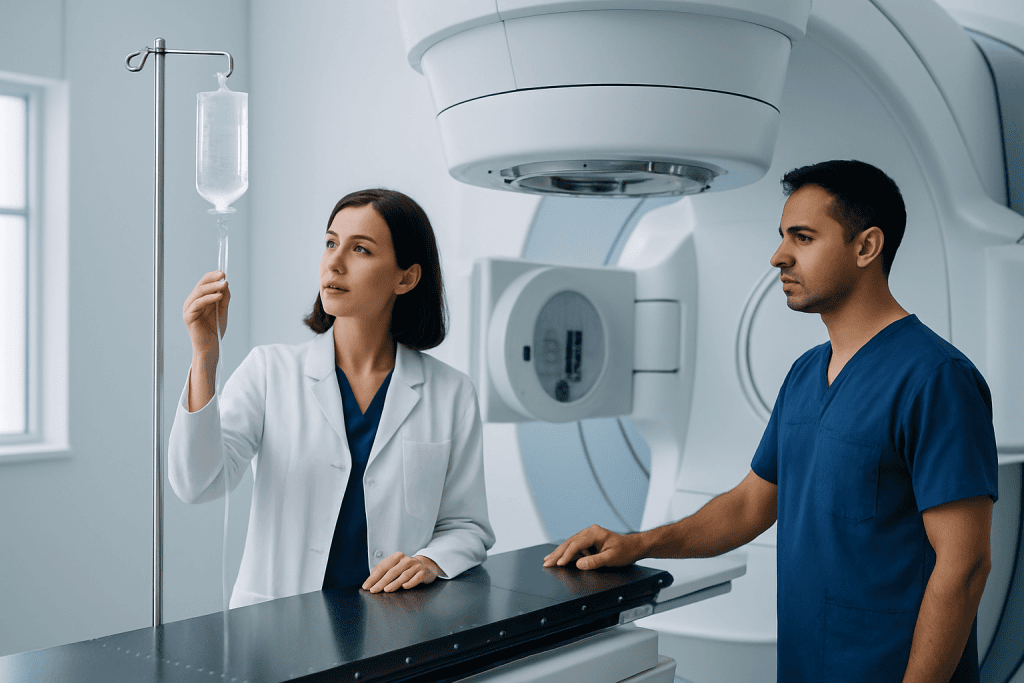
The simplest way to understand the difference is by looking at scope. Oncology is centered on cancer. It includes several subspecialties, such as medical oncology, surgical oncology, and radiation oncology. A medical oncologist manages cancer with treatments such as chemotherapy, targeted therapy, immunotherapy, hormone therapy, and supportive care. Surgical and radiation oncologists focus on operation-based and radiation-based treatments.
Hematology oncology covers two related areas at once: hematology and oncology. This means the doctor may treat non-cancerous blood conditions and cancers. For example, a hematologist-oncologist may investigate iron deficiency anemia, a low platelet count, deep vein thrombosis, or an abnormal white blood cell count. The same specialist may also diagnose and manage leukemia, lymphoma, or multiple myeloma.
Not every oncologist is a hematologist, and not every hematologist focuses equally on solid tumors such as breast, colon, lung, or prostate cancer. In some healthcare systems, patients with blood cancers are commonly treated by hematologist-oncologists, while patients with solid tumors may be followed mainly by medical oncologists along with surgeons and radiation specialists.
Because these areas overlap, a patient may move between teams or be co-managed. For example, someone with enlarged lymph nodes, fatigue, and abnormal blood results might first see a hematologist-oncologist. If testing shows a solid organ cancer, the patient may then also work with a site-specific oncology team.
Conditions Commonly Treated

Oncology focuses on cancers that can affect almost any organ or tissue in the body. These include breast cancer, lung cancer, colorectal cancer, prostate cancer, ovarian cancer, pancreatic cancer, and many others. Cancer care also includes evaluating the stage of disease, discussing treatment goals, managing side effects, and planning follow-up after treatment.
Hematology oncology includes blood cancers and non-cancerous blood disorders. Blood cancers include leukemia, lymphoma, and multiple myeloma. Non-cancerous hematology conditions can include anemia, sickle cell disease, thalassemia, low platelet counts, clotting disorders, bleeding disorders, and some bone marrow disorders.
Some symptoms can point more toward hematology, oncology, or both. Tiredness, easy bruising, frequent infections, swollen lymph nodes, or persistent abnormal blood tests may raise concern for a blood disorder. A lump, unexplained weight loss, changes in bowel habits, persistent cough, or abnormal imaging may be more suggestive of a solid tumor, although proper testing is always needed to confirm the cause.
Patients are often referred based on the first clue rather than the final diagnosis. For example, unexplained anemia may lead to a hematology evaluation, while a mass found on imaging may lead to an oncology or surgical consultation. This is one reason the specialties frequently intersect in real-world care.
Training and the Care Team
Doctors in these fields complete extensive training after medical school. A hematologist-oncologist usually trains in internal medicine first and then completes fellowship training in hematology and oncology. This dual training prepares the physician to manage blood disorders, blood cancers, and many systemic cancer treatments.
An oncologist may have different pathways depending on the area of focus. A medical oncologist often has similar internal medicine-based training focused on cancer medicines and supportive care. A surgical oncologist trains first in surgery, while a radiation oncologist trains in the planning and delivery of radiation treatment. Each plays a distinct role in comprehensive cancer care.
For patients, this means care is rarely provided by only one doctor. A treatment plan may involve pathology specialists to interpret biopsy results, radiologists to review scans, surgeons to remove tumors, radiation oncologists to target cancer cells, and nurses, pharmacists, dietitians, and psychologists to support day-to-day treatment and recovery.
Multidisciplinary care is especially important when a diagnosis is complex or when symptoms overlap. For example, a hematologist-oncologist may coordinate bone marrow testing and start systemic therapy, while imaging specialists and other oncologists help define the full extent of disease and the best next steps.
How Diagnosis Differs
The evaluation process depends on the suspected condition. In hematology oncology, the first clues often come from blood tests, such as changes in red blood cells, white blood cells, platelets, or clotting measures. The doctor may review a complete blood count, peripheral smear, iron studies, vitamin levels, kidney and liver function, and other laboratory markers. In some cases, bone marrow aspiration or biopsy is needed to understand how blood cells are being produced.
In oncology, diagnosis often begins with symptoms, physical examination, imaging, and tissue sampling. Ultrasound, CT, MRI, PET scans, and endoscopic procedures may help identify the location and extent of a suspected cancer. A biopsy is usually essential because examining tissue under a microscope helps confirm the cancer type and guide treatment decisions.
There can be significant overlap between these approaches. Enlarged lymph nodes, for example, may require blood tests, imaging, and a biopsy. Likewise, some cancers first appear as abnormal blood values. This is why doctors may order several kinds of tests even when the problem initially seems limited to one area.
Accurate diagnosis is important not only to confirm disease, but also to choose the most appropriate treatment. In many centers, advanced diagnostic imaging and specialized pathology are used alongside clinical evaluation to build a detailed picture of the condition.
Treatment Options and When Specialists Overlap
Treatment depends on the exact diagnosis. For non-cancerous blood disorders, hematology care may involve iron replacement, vitamin supplementation, anticoagulation management, transfusion support, monitoring, or treatment of the underlying cause. Some conditions require long-term follow-up even when they are not cancerous.
For blood cancers and many solid tumors, medical treatment may include chemotherapy, targeted therapy, immunotherapy, hormone therapy, or supportive medicines to reduce side effects and protect quality of life. Some patients need treatment in phases, while others may be monitored for a period before therapy begins. The best timing and combination of treatments depends on the disease type, stage, overall health, and patient preferences.
Solid tumors are often treated with a combination of therapies. Surgery may remove a localized tumor, radiation may target a specific area, and systemic treatments may lower the risk of recurrence or treat disease throughout the body. In blood cancers, surgery is usually less central, while medicine-based treatment and specialized procedures may be more important.
In selected conditions, advanced therapies may be considered, including bone marrow transplantation for some blood cancers or severe bone marrow disorders. Patients with tumors affecting the blood-forming organs may also benefit from coordinated evaluation by specialists experienced in cancer treatment.
Which Specialist Should a Patient See?
The answer depends on the symptoms, test results, and referral pathway. A patient with an abnormal blood count, repeated clotting or bleeding issues, or suspicion of a blood cancer may be referred to a hematologist-oncologist. A patient with a lump, a mass seen on imaging, or a biopsy-confirmed solid tumor may be referred to an oncologist or a site-specific cancer team.
Sometimes the distinction matters less than people expect because hospitals often organize care through multidisciplinary services. If a patient sees one specialist first, that doctor can usually coordinate referrals to others as needed. The most important step is timely evaluation by a qualified physician who can interpret symptoms and test findings in context.
Patients may find it helpful to ask practical questions during the first visit, such as what the doctor suspects, what tests are needed, whether a biopsy is necessary, and which other specialists might be involved. Understanding the process can make a stressful period feel more manageable and help patients participate confidently in shared decision-making.
Near the end of the diagnostic pathway or during treatment planning, some patients seek care in large centers with broad expertise. Acibadem International’s multidisciplinary specialists and JCI-accredited hospitals diagnose and treat blood disorders and cancers for international patients, with care coordinated across the relevant specialties.
When to Seek Medical Advice
It is a good idea to seek medical advice for symptoms that are persistent, unexplained, or worsening. Examples include unusual tiredness, paleness, easy bruising, frequent nosebleeds, swollen lymph nodes, ongoing fever, night sweats, repeated infections, unexplained weight loss, or a new lump. These symptoms do not always mean cancer or a serious blood disorder, but they deserve medical attention when they continue.
People should also follow up on abnormal blood tests or imaging results even if they feel well. Many blood disorders and some cancers can be found during routine testing before they cause obvious symptoms. Early evaluation helps clarify whether the findings are harmless, temporary, or in need of treatment.
Urgent assessment is especially important for symptoms such as shortness of breath, chest pain, severe weakness, confusion, uncontrolled bleeding, or signs of a possible blood clot, such as one-sided leg swelling or sudden difficulty breathing. These symptoms may have many causes, but they should not be ignored.
In general, patients do not need to decide on their own whether they need hematology oncology or oncology care. A primary care doctor, emergency physician, or another specialist can help guide the referral and make sure the right testing happens in the right order.
Frequently asked questions
Is hematology oncology the same as oncology?
No. Hematology oncology is a combined specialty that includes blood disorders and cancer care, while oncology focuses on cancer. The two areas overlap, especially in blood cancers, but hematology oncology has a broader scope in relation to blood diseases.
What does a hematologist-oncologist treat?
A hematologist-oncologist treats blood disorders and many cancers. This can include anemia, clotting disorders, bleeding problems, leukemia, lymphoma, multiple myeloma, and sometimes solid tumors as well.
Should a person with abnormal blood tests see a hematologist or an oncologist?
Abnormal blood tests are often first evaluated by a hematologist or a hematologist-oncologist, especially if the issue involves blood counts, clotting, or bone marrow function. The exact referral depends on the pattern of results and any related symptoms. A primary care doctor can help direct the next step.
Do all cancer patients see a hematologist-oncologist?
Not always. Patients with blood cancers often do, but patients with solid tumors may be managed mainly by medical oncologists, surgeons, radiation oncologists, or organ-specific cancer teams. In many hospitals, several specialists work together regardless of the cancer type.
Can a hematologist-oncologist treat non-cancer conditions?
Yes. This is one of the main differences between hematology oncology and oncology. A hematologist-oncologist may care for non-cancerous blood conditions such as anemia, platelet disorders, clotting disorders, and some bone marrow diseases.
How do doctors decide which specialist is needed?
The choice depends on symptoms, examination findings, blood tests, imaging, and sometimes biopsy results. Often the first specialist is chosen based on the earliest clue, and that doctor then coordinates care with others if needed. Patients do not need to sort this out alone.
References
- World Health Organization
- American Society of Clinical Oncology
- American Society of Hematology
- National Cancer Institute
- National Health Service
This article is for general information only and is not a substitute for professional medical advice. Please consult a qualified doctor about your individual situation.
Oncology care in Turkey — second opinion and treatment plan
JCI-accredited · board-certified surgeons · reply within 24h
Add us as a Preferred Source to see more of our trusted health content across Google Search, AI Overviews and Discover.

Medical Oncology Department
Medical treatment of cancer with chemotherapy, immunotherapy and targeted therapies under a multidisciplinary tumor board.
60 specialists in this unit