Hematology Oncology: What It Treats and How It Differs

Hematology oncology combines two related fields: blood disorders and cancer care. A hematologist oncologist may treat anemia, clotting problems, leukemia, lymphoma, and solid tumors.
Key Takeaways
- Hematology oncology combines two related fields: blood disorders and cancer care.
- A hematologist oncologist may treat anemia, clotting problems, leukemia, lymphoma, and solid tumors.
- Diagnosis often involves blood tests, imaging, bone marrow testing, and sometimes biopsy.
- Treatment can include medicines, transfusions, chemotherapy, immunotherapy, targeted therapy, and supportive care.
- Not every patient seen in hematology oncology has cancer; many have noncancerous blood conditions.
Hematology oncology is a medical specialty focused on blood disorders and cancer. It brings together expertise in diagnosing, treating, and monitoring conditions that affect the blood, bone marrow, lymphatic system, and many types of tumors.
Overview
Hematology oncology is a combined specialty that cares for people with diseases of the blood and many forms of cancer. Hematology focuses on blood, bone marrow, and the lymphatic system. Oncology focuses on diagnosing and treating cancer. Because these areas often overlap, many specialists train in both fields.
A hematologist oncologist may evaluate a wide range of concerns, from low iron and abnormal bleeding to leukemia, lymphoma, and tumors in organs such as the breast, lung, or colon. This does not mean every patient seen in this specialty has cancer. Many people are referred for common blood abnormalities that turn out to be treatable and noncancerous.
The main goal of hematology oncology is to find the cause of symptoms or abnormal test results and create a treatment plan that fits the person’s condition, general health, and preferences. Care often includes not only disease-specific treatment but also symptom relief, infection prevention, nutritional support, and careful follow-up over time.
What Hematology Oncology Treats
Hematology oncology covers both benign blood disorders and malignant disease. In hematology, doctors commonly treat anemia, iron deficiency, vitamin deficiency, platelet disorders, bleeding disorders, clotting problems such as deep vein thrombosis, and some inherited conditions that affect blood cells. They also manage unexplained changes in blood counts that need further investigation.
In oncology, the specialty treats cancers that begin in the blood-forming tissues as well as many solid tumors. Blood-related cancers include leukemia, lymphoma, and multiple myeloma. Solid tumors may include breast, lung, colorectal, ovarian, prostate, and other cancers, depending on the doctor’s practice and subspecialty focus.
Because blood and cancer care are closely connected, the same team may also guide treatment-related needs such as transfusions, management of side effects, infection monitoring, and follow-up after remission. This integrated approach can make care more coordinated, especially for patients whose illness affects blood cells or bone marrow.
- Noncancerous blood conditions: anemia, low platelets, bleeding or clotting disorders
- Blood cancers: leukemia, lymphoma, myeloma
- Solid tumors: many common organ-based cancers
- Supportive needs: transfusion care, symptom control, treatment monitoring
How It Differs From Other Specialties

Many people wonder how hematology oncology differs from general oncology or other medical fields. The key difference is the blood-focused expertise. A general oncologist treats cancer, but a hematologist oncologist also has advanced training in disorders of blood cells, bone marrow, platelets, and clotting. This makes the specialty especially important when a disease directly affects the blood or when cancer treatment changes blood counts.
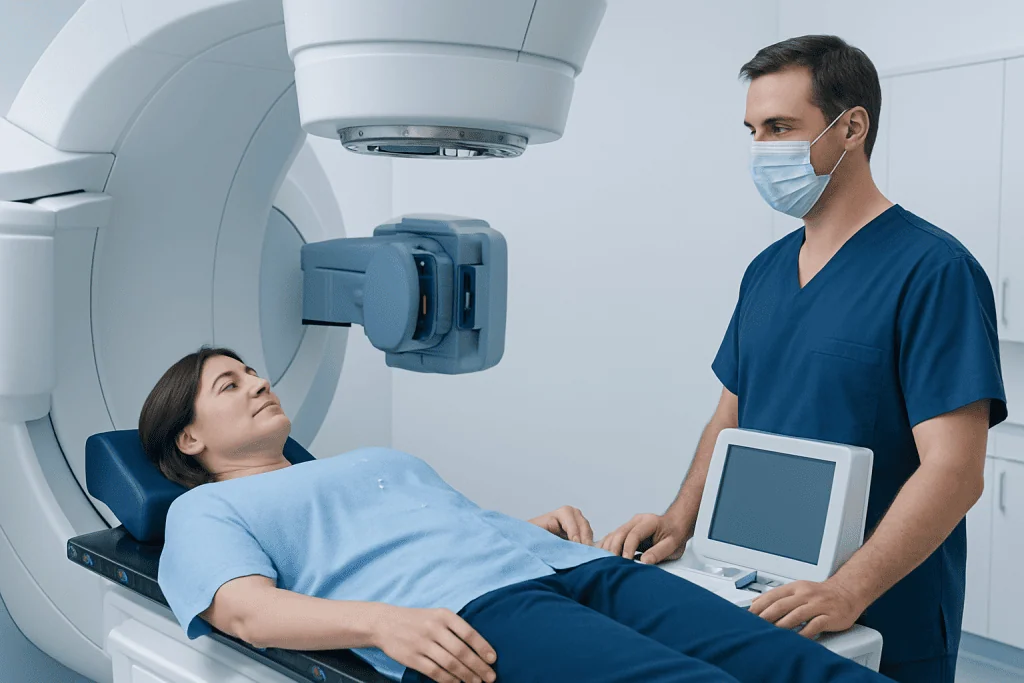
It also differs from surgery and radiation oncology. Surgical oncologists remove tumors through operations, while radiation oncologists use targeted radiation to destroy cancer cells. Hematologist oncologists are medical specialists who usually manage diagnosis, medications, systemic therapies, and long-term monitoring. They often work closely with surgeons, radiation oncologists, pathologists, radiologists, and primary care doctors.
In some cases, a patient may need more than one cancer specialist. For example, a person with a colon tumor may see a medical oncologist for medicines, a surgeon for tumor removal, and other experts for imaging or pathology. In blood cancers and many blood disorders, the hematologist oncologist often plays a central coordinating role throughout care.
Symptoms and Reasons for Referral
People may be referred to hematology oncology because of symptoms, screening findings, or abnormal laboratory results. Common reasons include ongoing fatigue, unusual bruising, prolonged bleeding, swollen lymph nodes, repeated infections, unexplained weight loss, bone pain, or blood test changes such as low hemoglobin, low platelets, or very high or very low white blood cell counts.
Some referrals happen after an imaging test detects a suspicious mass or enlarged lymph node. Others begin after a routine blood test shows a problem that needs expert review. A referral does not automatically mean cancer. Many findings have noncancerous explanations, such as iron deficiency, infection, inflammation, medication effects, or vitamin deficiency.
Symptoms that deserve medical attention can include:
- Persistent tiredness, weakness, or shortness of breath
- Frequent infections or fevers without a clear cause
- Easy bruising, nosebleeds, bleeding gums, or tiny red skin spots
- Swollen lymph nodes, especially if they persist or grow
- Night sweats, unexplained weight loss, or ongoing pain
- Abnormal blood test results found during routine care
Diagnosis and Evaluation
Diagnosis in hematology oncology usually begins with a detailed medical history and physical examination. The doctor asks about symptoms, medicines, family history, past illnesses, travel, infections, and any exposure to smoking or chemicals. The physical exam may include checking for enlarged lymph nodes, liver or spleen enlargement, signs of bleeding, or evidence of anemia.
Blood tests are often the first step. These may include a complete blood count, blood smear, iron studies, vitamin levels, clotting tests, kidney and liver function tests, and markers that help assess inflammation or cell turnover. If cancer is suspected, additional tests may be needed to identify the exact type and stage of disease.
Some patients need imaging such as ultrasound, CT, MRI, or PET scans to look more closely at lymph nodes, organs, or tumors. Others may need tissue sampling. This can include a lymph node biopsy, tumor biopsy, or bone marrow biopsy to examine blood-forming cells directly. Accurate diagnosis is essential because treatment depends heavily on the specific condition, its severity, and whether it has spread.
After the evaluation, the specialist explains the findings and recommends next steps. In some cases, watchful monitoring is enough. In others, treatment should begin promptly. Patients often benefit from bringing a family member, taking notes, and asking clear questions about the diagnosis, goals of care, and available options.
Treatment Options
Treatment in hematology oncology varies widely because the specialty includes both noncancerous blood disorders and many different cancers. Some benign blood conditions improve with iron replacement, vitamin supplementation, blood thinners, medicines that affect clotting, or careful observation. More complex conditions may need long-term monitoring by a specialist.
For cancer, treatment may involve one or more medical approaches. These can include chemotherapy, immunotherapy, targeted therapy, hormone therapy, or supportive medicines to reduce nausea, infection risk, or pain. Blood transfusions, platelet transfusions, and growth factor support may also be used when blood counts are low or treatment affects the bone marrow.
Some patients benefit from procedures or advanced therapies such as stem cell transplantation, depending on the diagnosis and overall health. Others may need surgery or radiation coordinated with medical treatment. In many situations, care is planned by a multidisciplinary team so that each step supports the broader treatment goal.
Supportive care is an important part of treatment at every stage. This includes managing fatigue, protecting nutrition, addressing emotional stress, and helping patients stay as active and comfortable as possible. Near the end of the care pathway, some international patients may seek evaluation at centers such as Acibadem International, where multidisciplinary specialists at JCI-accredited hospitals diagnose and treat blood disorders and cancers.
Prevention, Monitoring, and Self-Care
Not all conditions seen in hematology oncology can be prevented, especially inherited blood disorders or cancers driven by complex genetic changes. Still, healthy habits can support overall well-being and may lower the risk of some cancers. These habits include avoiding tobacco, limiting alcohol, staying physically active, eating a balanced diet, maintaining a healthy weight, and keeping up with routine screening recommended for age and risk factors.
For people already diagnosed with a blood disorder or cancer, self-care focuses on safety and consistency. Taking medicines exactly as prescribed, attending follow-up visits, and reporting new symptoms early can make a meaningful difference. Patients may also need practical steps such as infection precautions, hydration, rest, and attention to bruising or bleeding.
Helpful self-care habits can include:
- Keeping a list of medicines and bringing it to appointments
- Following advice about blood tests and monitoring schedules
- Eating regular, nourishing meals and asking for nutrition support if needed
- Staying current with vaccines when approved by the care team
- Seeking emotional support from loved ones, counselors, or support groups
Patients should always discuss supplements or herbal products with their doctor. Some can interfere with cancer medicines, blood thinners, or platelet function. When questions arise, individualized medical advice is the safest approach.
When to See a Doctor
A person should seek medical evaluation if they have persistent fatigue, repeated infections, unusual bruising, prolonged bleeding, swollen lymph nodes, unexplained weight loss, or abnormal blood test results. These symptoms can have many causes, but they should not be ignored if they continue or worsen. Early assessment often helps clarify whether the issue is minor, chronic, or more serious.
Urgent medical attention is important for severe shortness of breath, chest pain, heavy bleeding, a high fever during cancer treatment, sudden confusion, or signs of a blood clot such as one-sided leg swelling and pain. People receiving chemotherapy or other immune-suppressing treatment should follow their care team’s instructions closely about when to call immediately.
Preparing for the appointment can be helpful. Patients may want to bring prior test results, a list of symptoms, current medicines, and family history of blood disorders or cancer. Clear communication allows the specialist to recommend the right tests and next steps as efficiently as possible.
Frequently asked questions
What is hematology oncology?
Hematology oncology is a medical specialty that combines care for blood disorders and cancer. Doctors in this field diagnose, treat, and monitor conditions affecting the blood, bone marrow, lymphatic system, and many types of tumors.
Does a referral to hematology oncology mean cancer?
No. Many people are referred because of anemia, abnormal blood counts, clotting problems, or swollen lymph nodes that may have noncancerous causes. The purpose of the visit is to find the cause and decide whether any treatment or monitoring is needed.
What kinds of diseases does a hematologist oncologist treat?
They treat noncancerous blood disorders such as anemia, bleeding disorders, and clotting problems, as well as blood cancers like leukemia and lymphoma. Many also manage solid tumors and provide supportive care during cancer treatment.
What tests might be done at a hematology oncology visit?
Testing often starts with blood work and a physical exam. Depending on the concern, the doctor may recommend imaging, a biopsy, or bone marrow testing to confirm the diagnosis and plan treatment.
How is hematology oncology different from general oncology?
The main difference is added expertise in blood and bone marrow disorders. While both may treat cancer, a hematologist oncologist is specifically trained to manage conditions involving blood cells, platelets, clotting, and blood-forming tissues.
What treatments are used in hematology oncology?
Treatment depends on the diagnosis and may include medicines, transfusions, chemotherapy, immunotherapy, targeted therapy, or careful observation. Some patients also need surgery, radiation, or stem cell transplantation as part of a broader care plan.
References
- World Health Organization
- National Cancer Institute
- American Society of Hematology
- American Society of Clinical Oncology
- National Comprehensive Cancer Network
This article is for general information only and is not a substitute for professional medical advice. Please consult a qualified doctor about your individual situation.
Oncology care in Turkey — second opinion and treatment plan
JCI-accredited · board-certified surgeons · reply within 24h
Add us as a Preferred Source to see more of our trusted health content across Google Search, AI Overviews and Discover.

Medical Oncology Department
Medical treatment of cancer with chemotherapy, immunotherapy and targeted therapies under a multidisciplinary tumor board.
60 specialists in this unit