Hematopoiesis: What Patients Need to Know
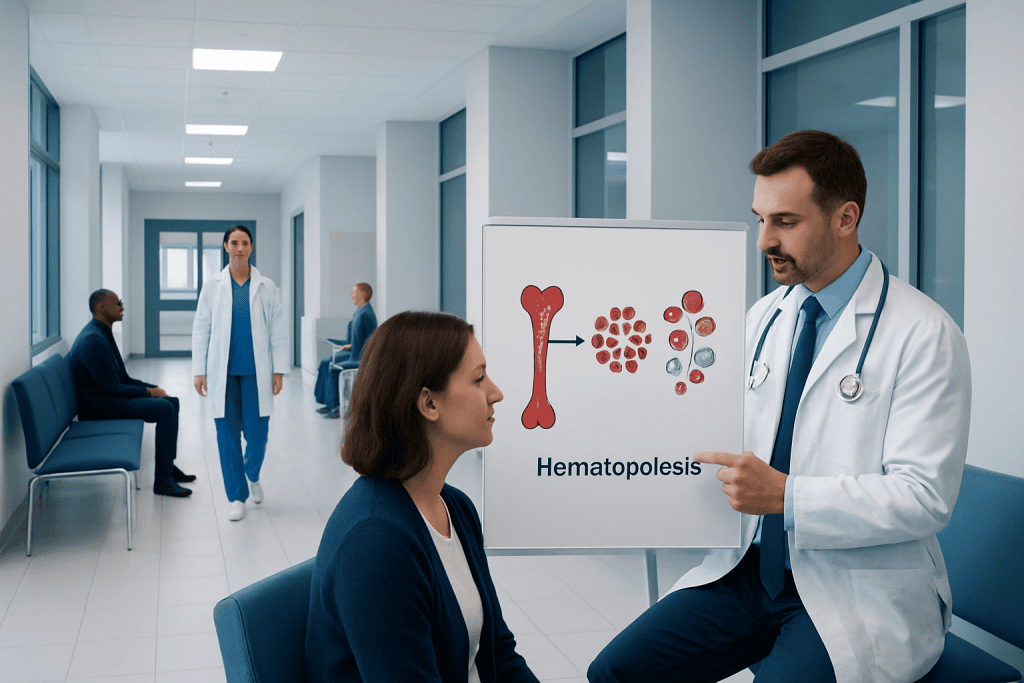
Hematopoiesis is the body's blood cell production process. Most hematopoiesis in adults takes place in the bone marrow.
Key Takeaways
- Hematopoiesis is the body's blood cell production process.
- Most hematopoiesis in adults takes place in the bone marrow.
- Problems with hematopoiesis can lead to anemia, infections, easy bruising, or abnormal blood counts.
- Doctors assess hematopoiesis with blood tests and, when needed, bone marrow studies.
- Treatment depends on the cause and may include nutritional support, medicines, or specialized blood disorder care.
Hematopoiesis is the natural process the body uses to make red blood cells, white blood cells, and platelets. It happens mainly in the bone marrow and is essential for carrying oxygen, fighting infection, and preventing bleeding.
Overview: what hematopoiesis means
Hematopoiesis is the process by which the body produces blood cells. In practical terms, it is how new red blood cells, white blood cells, and platelets are made, mature, and enter the bloodstream. This process is continuous because blood cells have limited lifespans and must be replaced regularly to keep the body functioning well.
For most adults, hematopoiesis happens mainly inside the bone marrow, the soft tissue found within many bones. It begins with special cells called hematopoietic stem cells. These stem cells can develop into different blood cell types depending on the body’s needs, such as making more infection-fighting cells during illness or more red blood cells after blood loss.
Understanding hematopoiesis helps patients make sense of many common blood test results. Low hemoglobin, high white blood cell counts, or low platelets are not diseases by themselves; they can be signs that blood cell production is responding normally or that something is affecting the bone marrow or the signals that guide it.
How blood cell production works in the body

Hematopoiesis starts with hematopoietic stem cells, which have the ability to both renew themselves and create more specialized cells. These stem cells first branch into major groups that eventually form red blood cells, several types of white blood cells, and platelets. This step-by-step development is carefully controlled so the right number of cells is produced at the right time.
Red blood cells carry oxygen from the lungs to tissues and help remove carbon dioxide. White blood cells are part of the immune system and help the body respond to infections, inflammation, and other threats. Platelets are small cell fragments that help blood clot, which is important for stopping bleeding after an injury.
The kidneys, liver, immune system, hormones, and nutrients all influence hematopoiesis. For example, erythropoietin, a hormone made largely by the kidneys, stimulates red blood cell production. Iron, vitamin B12, and folate are also important because the bone marrow needs these nutrients to build healthy cells efficiently.
In babies before birth, hematopoiesis takes place in different areas as development progresses, including the yolk sac, liver, and spleen. After birth and into adulthood, the bone marrow becomes the main site of blood formation. In some diseases, the liver or spleen may begin helping with blood production again, a process called extramedullary hematopoiesis.
Why hematopoiesis matters to overall health

Healthy hematopoiesis supports three core functions: oxygen delivery, immune defense, and bleeding control. If red blood cell production is reduced, a person may develop anemia and feel tired, short of breath, or weak. If white blood cell production is abnormal, infections may become more frequent or harder to overcome. If platelet production falls, bruising or bleeding can become more likely.
Because blood cells circulate throughout the body, changes in hematopoiesis can affect many organ systems. Symptoms may be subtle at first, such as fatigue, pale skin, recurring mouth ulcers, or prolonged recovery from illness. In other cases, the first clue is an unexpected result on a routine complete blood count.
Hematopoiesis is also important during recovery. After infection, surgery, blood loss, chemotherapy, or other major stresses, the bone marrow often needs to increase output. When it cannot keep up, doctors look for underlying causes such as nutrient deficiencies, chronic disease, medications, or bone marrow disorders.
Some conditions directly affect the blood-forming system, including leukemia and lymphoma. Others interfere more indirectly, such as kidney disease, autoimmune illness, severe infection, or long-term inflammation. This is why evaluation usually looks at the whole person, not just one blood count result.
What can disrupt hematopoiesis
Hematopoiesis can be disrupted when the bone marrow lacks the right building blocks, receives abnormal signals, or is affected by disease. Common causes include iron deficiency, vitamin B12 deficiency, folate deficiency, chronic inflammation, kidney disease, and some infections. Certain medicines, alcohol misuse, and exposure to toxins can also suppress blood cell production.
Bone marrow itself can be affected by disorders such as aplastic anemia, myelodysplastic syndromes, leukemia, and some metastatic cancers. In these settings, the marrow may not make enough healthy cells, or it may produce abnormal cells that do not function properly. Patients may hear their doctor discuss whether the problem is due to reduced production, increased destruction, blood loss, or a combination of factors.
Autoimmune disease may lower blood counts by attacking blood cells or marrow-related processes. Enlarged spleen can also contribute by trapping or breaking down blood cells faster than usual. Genetic or inherited conditions can play a role as well, especially when abnormal blood counts begin at a young age or run in families.
- Low red blood cell production may cause fatigue, dizziness, or shortness of breath.
- Low white blood cell production may lead to repeated infections or fevers.
- Low platelet production may cause easy bruising, nosebleeds, or bleeding gums.
- Overproduction of certain blood cells may be seen in some marrow disorders and cancers.
Symptoms and signs patients may notice
Hematopoiesis itself does not cause symptoms, but problems with blood cell production can. Symptoms depend on which blood cell line is affected. Low red blood cells may lead to tiredness, weakness, pale skin, headaches, or reduced exercise tolerance. Some people notice heart palpitations or shortness of breath, especially with activity.
When white blood cell production is impaired, the body may have more difficulty fighting infection. Patients may develop recurrent fevers, frequent respiratory infections, persistent sore throat, or slow healing of wounds. If white blood cell counts are high, the cause may be a normal response to infection or inflammation, but sometimes it points to a bone marrow disorder that needs further assessment.
Low platelets can show up as easy bruising, pinpoint red or purple spots on the skin, prolonged bleeding from small cuts, heavy menstrual bleeding, or gum bleeding. Less commonly, patients may notice unexplained weight loss, enlarged lymph nodes, night sweats, or a feeling of fullness under the ribs if the spleen is enlarged. These symptoms do not always mean a serious illness, but they are reasons to seek medical advice.
How doctors evaluate hematopoiesis
Evaluation usually begins with a medical history, symptom review, physical examination, and blood tests. The complete blood count, often called a CBC, is one of the most important first steps. It measures red blood cells, hemoglobin, white blood cells, and platelets, and often gives clues about whether the body is making enough cells and whether the cells appear typical in size and pattern.
Additional blood tests may include iron studies, vitamin B12 and folate levels, kidney and liver function tests, markers of inflammation, and tests for infection or autoimmune disease when appropriate. A peripheral blood smear can allow a specialist to look at the appearance of blood cells under a microscope, which can provide useful diagnostic clues.
If the cause remains unclear or if a bone marrow disorder is suspected, a doctor may recommend more specialized testing. This can include blood tests and laboratory services for advanced analysis and, in some cases, a bone marrow aspiration or biopsy. Imaging may be used when enlarged lymph nodes, spleen, or other related findings need evaluation.
Diagnosis focuses on identifying the underlying reason for abnormal hematopoiesis rather than simply labeling the blood count as high or low. This approach helps guide appropriate treatment and avoids missing conditions that need specialist care. Depending on the findings, patients may be referred to a hematologist or to an oncology team for further work-up, including bone marrow transplant evaluation in selected cases.
Treatment options and supportive care
Treatment for hematopoiesis problems depends on the cause. If the issue is nutritional, doctors may recommend iron, vitamin B12, or folate replacement. If chronic kidney disease is contributing to low red blood cell production, treatment may focus on the kidney condition as well as support for anemia. When medicines or toxins are involved, adjusting or stopping the cause may allow blood counts to recover.
If infection, inflammation, or autoimmune disease is affecting blood formation, treatment is directed at the underlying condition. Some patients may need medicines that support blood cell production or reduce immune-related damage. In more serious marrow disorders, care may include transfusion support, targeted medications, immunosuppressive therapy, or cancer treatment such as chemotherapy when appropriate.
For certain blood cancers or marrow failure syndromes, stem cell or bone marrow transplantation may be considered. This is usually reserved for selected patients after careful specialist evaluation. Monitoring is also an important part of treatment, because blood counts can change over time and response to therapy needs to be checked regularly.
Supportive care matters as much as disease-specific treatment. This may include managing fatigue, preventing infection, addressing bleeding risk, and helping patients understand what follow-up blood tests mean. Near the end of a diagnostic journey or treatment plan, some international patients may seek care at centers such as Acibadem International, where multidisciplinary specialists in JCI-accredited hospitals diagnose and treat blood and bone marrow conditions.
Prevention, self-care, and when to seek medical care
Not all problems with hematopoiesis can be prevented, but general health measures can support normal blood cell production. A balanced diet with adequate iron, vitamin B12, folate, and protein is important. Limiting alcohol, following guidance on medication use, keeping chronic conditions well managed, and attending routine checkups can also help detect issues early.
Self-care should not replace medical assessment when blood counts are abnormal or symptoms are persistent. Patients should avoid starting supplements without advice if they do not know the cause of their symptoms, because taking iron or other products unnecessarily may delay the right diagnosis. People receiving treatment that affects the bone marrow should follow their clinician’s instructions about infection precautions and blood test monitoring.
Medical care should be sought promptly for unexplained fatigue that does not improve, repeated infections, unusual bruising, prolonged bleeding, black or bloody stools, chest pain, shortness of breath, or fevers in a person known to have low white blood cells. New swelling of lymph nodes, unexplained weight loss, or persistent night sweats also deserve evaluation. Early assessment can often clarify whether the cause is a simple deficiency, a temporary response to illness, or a condition needing specialist treatment.
Frequently asked questions
What is hematopoiesis in simple terms?
Hematopoiesis is the body's process of making new blood cells. It mainly takes place in the bone marrow and produces red blood cells, white blood cells, and platelets.
Where does hematopoiesis occur?
In adults, hematopoiesis happens mostly in the bone marrow inside certain bones. Before birth, blood cell production also occurs in places such as the liver and spleen as part of normal development.
What are the main blood cells made during hematopoiesis?
The process creates red blood cells, which carry oxygen; white blood cells, which help fight infection; and platelets, which help blood clot. Each type develops from hematopoietic stem cells through several stages.
Can abnormal hematopoiesis cause symptoms?
Yes. If blood cell production is affected, symptoms can include tiredness, weakness, frequent infections, easy bruising, or unusual bleeding. The exact symptoms depend on which blood cell type is too low or abnormal.
How do doctors test whether hematopoiesis is normal?
Doctors usually start with a complete blood count and other blood tests to look for anemia, infection, inflammation, or nutrient deficiencies. If needed, they may order a blood smear or bone marrow test to look more closely at how blood cells are being made.
Is hematopoiesis the same as bone marrow function?
They are closely related, but not exactly the same. Hematopoiesis refers specifically to blood cell production, while bone marrow function can include broader marrow activity and the marrow environment that supports this process.
This article is for general information only and is not a substitute for professional medical advice. Please consult a qualified doctor about your individual situation.
Explore treatments in Turkey — costs, top hospitals & a free quote
JCI-accredited · board-certified surgeons · reply within 24h
Add us as a Preferred Source to see more of our trusted health content across Google Search, AI Overviews and Discover.

More from the Health Library

Accessory Nerve Function in Neck and Shoulder Movement

Bumps on Arms: A Complete Medical Overview

Pin Worms: An Evidence-Based Guide for Patients

Stress Hormones: What Patients Need to Know

Cortisol Belly: An Evidence-Based Guide for Patients