Hematuria: A Complete Medical Overview

Hematuria is blood in the urine and may be visible or found only on a urine test. Common causes include urinary tract infections, kidney stones, enlarged prostate, exercise, medications, and kidney disease.
Key Takeaways
- Hematuria is blood in the urine and may be visible or found only on a urine test.
- Common causes include urinary tract infections, kidney stones, enlarged prostate, exercise, medications, and kidney disease.
- Any unexplained hematuria deserves medical assessment, especially in adults or when it recurs.
- Diagnosis may include urine tests, blood tests, imaging, and sometimes cystoscopy.
- Treatment depends on the cause and may range from observation to antibiotics or specialist care.
Hematuria means blood in the urine, either visible to the eye or detected only under a microscope. It is a sign rather than a disease itself, and while some causes are minor, it should be medically evaluated to rule out infection, stones, kidney disease, or urinary tract problems.
Overview: what hematuria means
Hematuria is the medical term for blood in the urine. It can appear as pink, red, brown, or cola-colored urine, or it may be present in such small amounts that only a laboratory test can detect it. In both situations, hematuria is a symptom that points to bleeding somewhere in the urinary system, which includes the kidneys, ureters, bladder, prostate in men, and urethra.
Doctors often divide hematuria into two types. Gross hematuria means the blood is visible to the naked eye. Microscopic hematuria means the urine looks normal, but red blood cells are seen on urine testing. Both types can have causes ranging from temporary irritation to conditions that require prompt treatment.
Not every change in urine color is true hematuria. Foods such as beets, some medications, or dehydration can sometimes change urine appearance. Even so, visible red or brown urine should not be ignored, because only a proper evaluation can confirm whether blood is actually present and identify the reason.
Symptoms and how hematuria may appear
The clearest sign is urine that looks pink, red, rust-colored, or tea-colored. Some people notice blood only once, while others see it repeatedly. In microscopic hematuria, there may be no visible change at all, and the finding is often discovered during a routine checkup or testing for another concern.
Hematuria may occur alone or with other symptoms. Associated symptoms can help guide the evaluation, although they do not confirm a diagnosis by themselves. For example, burning during urination may suggest infection, while sudden severe side or back pain can occur with kidney stones.
- Pain or burning during urination
- Frequent or urgent urination
- Lower abdominal, flank, or back pain
- Fever or chills
- Difficulty starting urination or weak stream
- Blood clots in the urine
Sometimes hematuria is painless. Painless blood in the urine is still important to assess, especially in older adults, because it can occasionally be linked to conditions affecting the bladder, kidneys, or prostate. The absence of pain does not mean the cause is harmless.
Causes and risk factors

Hematuria has many possible causes. Infections in the urinary tract can irritate the lining of the bladder or urethra and lead to bleeding. Kidney stones may scratch the urinary tract as they move, causing visible or microscopic blood. Strenuous exercise, especially prolonged endurance exercise, may also trigger temporary hematuria in some people.
Other causes include an enlarged prostate, kidney inflammation, inherited conditions, trauma, and medicines that affect bleeding risk. Some blood-thinning medications do not directly cause hematuria on their own, but they can make existing bleeding more noticeable. In some cases, blood in the urine is a sign of a structural problem or a growth that needs further investigation.
Risk factors vary by cause, but certain features increase the need for a careful evaluation. These include older age, smoking history, recurrent urinary infections, a personal or family history of stones, occupational exposure to certain chemicals, and previous urinary tract conditions. Doctors may also consider whether the person has high blood pressure, diabetes, autoimmune disease, or known kidney problems such as kidney cancer or bladder cancer when visible blood appears.
Men may develop hematuria related to the prostate, including benign enlargement or inflammation. Women may have contamination from menstrual bleeding, so repeat testing may be needed to confirm the source. In children and young adults, vigorous exercise, infection, or kidney-related conditions are often considered first, but persistent findings still deserve medical follow-up.
How doctors diagnose hematuria
Evaluation begins with a detailed history and physical examination. The doctor will usually ask when the blood was noticed, whether it is visible every time or only occasionally, and whether symptoms such as pain, fever, clots, weight loss, or urinary changes are present. Questions about medications, recent exercise, smoking, menstruation, and family history are also important.
The first tests commonly include a urinalysis and, when needed, a urine culture. These can confirm the presence of red blood cells and look for signs of infection, protein, or other abnormalities that may point toward kidney disease. Blood tests may check kidney function, blood counts, and related markers depending on the clinical picture.
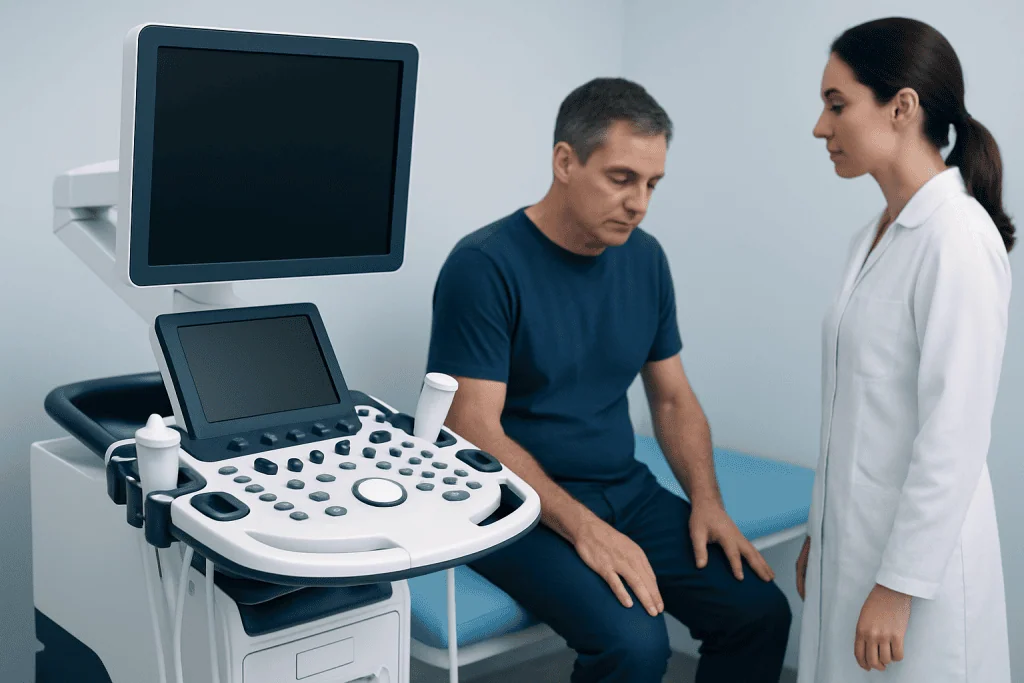
If the cause is not clear, imaging may be recommended to examine the kidneys and urinary tract. This can include ultrasound or more detailed scans such as MRI in selected cases. Some patients, especially adults with unexplained gross hematuria or persistent microscopic hematuria, may need cystoscopy, a procedure in which a thin camera is used to look inside the bladder and urethra.
The aim of diagnosis is not simply to confirm blood in the urine, but to locate where it is coming from and whether the cause is minor, inflammatory, stone-related, kidney-related, or structural. This stepwise approach helps avoid unnecessary treatment while making sure serious causes are not missed.
Treatment options and what recovery depends on
Treatment for hematuria depends entirely on the underlying cause. If a urinary tract infection is responsible, treatment may involve antibiotics and follow-up testing to make sure the bleeding has resolved. If a stone is found, management can range from hydration and pain control to procedures that help break or remove the stone, depending on its size and location.
When hematuria is linked to an enlarged prostate, kidney inflammation, medication use, or vigorous exercise, treatment focuses on the specific trigger. Sometimes the urine returns to normal after the cause is addressed, such as stopping a provoking activity or adjusting a medicine under medical supervision. People should not stop prescribed blood thinners or other medicines on their own without speaking to a doctor.
If the evaluation suggests a problem in the bladder, kidney, or urinary tract lining, more specialized treatment may be needed. This can include procedures such as cystoscopy for direct assessment and, in selected situations, robotic surgery or other surgical care. The treatment plan depends on the diagnosis, the person’s overall health, and whether the problem is causing symptoms, obstruction, or repeated bleeding.
In large centers, assessment often involves urologists, nephrologists, radiologists, and other specialists working together. Near the end of the care pathway, patients who need coordinated international care may also seek evaluation at institutions such as Acibadem International, where multidisciplinary specialists in JCI-accredited hospitals diagnose and treat urinary conditions.
Prevention and self-care
Because hematuria has many causes, prevention is not always possible. Still, some practical steps may reduce the risk of common triggers. Drinking enough fluids can help support urinary tract health and may lower the chance of some stones and infections. Good toilet hygiene, timely treatment of urinary symptoms, and avoiding unnecessary dehydration are also helpful.
People who are prone to kidney stones may benefit from individualized dietary advice based on the type of stone they form. This may include changes in fluid intake, salt use, and other dietary habits. Those with recurrent urinary infections or chronic kidney conditions should follow their doctor’s long-term care plan carefully.
Self-care should not replace medical assessment when blood is present in the urine. Over-the-counter remedies, herbal products, or internet advice cannot determine whether the source is the bladder, kidney, prostate, or another part of the urinary tract. It is sensible to note when the symptom began, what the urine looked like, and whether pain, fever, exercise, or menstruation may have been involved, then share that information during the medical visit.
When to seek medical care
Medical care should be sought for any unexplained blood in the urine, even if it happens only once. The need is more urgent when hematuria is accompanied by fever, severe side or back pain, difficulty passing urine, blood clots, dizziness, or worsening weakness. These features may indicate infection, obstruction, heavier bleeding, or another condition that needs prompt evaluation.
People should also arrange medical review if microscopic hematuria is found on a test and persists on repeat testing, or if they have risk factors such as older age, smoking, past urinary tract disease, or a family history of kidney problems. Pregnancy, childhood hematuria, and hematuria in people taking blood thinners also deserve professional guidance rather than self-diagnosis.
Many causes of hematuria are treatable, and some turn out to be temporary or benign. The important step is not to ignore the symptom. Early assessment can provide reassurance when the cause is minor and can also help identify conditions that benefit from timely care.
Frequently asked questions
Is hematuria always serious?
No. Hematuria can happen for relatively minor reasons such as exercise, mild irritation, or a treatable urinary infection. However, because it can also be a sign of stones, kidney disease, or urinary tract tumors, it should still be evaluated by a doctor.
What is the difference between gross and microscopic hematuria?
Gross hematuria means the blood is visible and changes the color of the urine. Microscopic hematuria means red blood cells are present but can only be seen on laboratory testing. Both forms may require medical assessment depending on the person's age, symptoms, and risk factors.
Can dehydration cause hematuria?
Dehydration does not usually directly cause bleeding, but it can make urine darker and may contribute to conditions such as stone formation or urinary irritation. Because dark urine can be confused with blood, testing is often needed to tell the difference.
Can hematuria go away on its own?
Yes, sometimes it does, especially if it is related to strenuous exercise, a minor temporary irritation, or a condition that resolves. Even if it disappears, a doctor may still recommend evaluation, particularly if the episode was visible, recurrent, or unexplained.
What tests are usually done for hematuria?
Doctors often start with urinalysis and sometimes a urine culture to look for blood, infection, protein, or crystals. Depending on the situation, blood tests, ultrasound or other imaging, and cystoscopy may also be recommended to find the source of bleeding.
Can medications cause blood in the urine?
Some medicines, especially those that affect blood clotting, may make bleeding easier to notice. Other medications can irritate the urinary tract or contribute indirectly to conditions associated with hematuria. A doctor should review all prescription drugs, supplements, and over-the-counter products during evaluation.
References
- National Institute of Diabetes and Digestive and Kidney Diseases
- American Urological Association
- National Kidney Foundation
- Mayo Clinic
- European Association of Urology
This article is for general information only and is not a substitute for professional medical advice. Please consult a qualified doctor about your individual situation.
Explore treatments in Turkey — costs, top hospitals & a free quote
JCI-accredited · board-certified surgeons · reply within 24h
Add us as a Preferred Source to see more of our trusted health content across Google Search, AI Overviews and Discover.
Check your numbers in seconds
BMI, calories, due date, blood pressure and 30+ more clinical calculators — free, instant, doctor-reviewed ranges.