Hemorrhoids During Pregnancy: What Is Normal, What Is Not, and When to Seek Care

Hemorrhoids during pregnancy are often caused by pressure on pelvic veins, constipation, and straining. Common symptoms include itching, fullness, discomfort, pain with bowel movements, and small amounts of bright red blood.
Key Takeaways
- Hemorrhoids during pregnancy are often caused by pressure on pelvic veins, constipation, and straining.
- Common symptoms include itching, fullness, discomfort, pain with bowel movements, and small amounts of bright red blood.
- Many cases improve with fiber, fluids, gentle activity, avoiding straining, and pregnancy-safe symptom relief.
- Not every anal symptom in pregnancy is a hemorrhoid; fissures, thrombosed hemorrhoids, and other conditions can look similar.
- Medical care is important for severe pain, persistent bleeding, a hard painful lump, or symptoms that do not improve.
Hemorrhoids during pregnancy are common, especially later in pregnancy, and they are usually uncomfortable rather than dangerous. Mild swelling, itching, pressure, or small amounts of bright red blood can happen, but severe pain, heavy bleeding, fever, or a new lump should be assessed by a clinician.
Overview: What Is Normal and What Is Not
Hemorrhoids during pregnancy are swollen veins in or around the rectum and anus. They become more common as pregnancy progresses because the growing uterus increases pressure in the pelvis, hormones relax blood vessel walls, and constipation can make bowel movements harder to pass. For many people, they appear in the third trimester or around the time of delivery.
What is usually considered normal includes mild itching, a feeling of fullness, discomfort when sitting, soreness during or after a bowel movement, and small streaks of bright red blood on toilet paper. These symptoms can be bothersome, but they often improve with simple measures and frequently settle after childbirth.
What is not normal includes heavy bleeding, ongoing bleeding, severe or sudden pain, fever, drainage of pus, dizziness, or a tender hard lump that develops quickly. These symptoms may still be related to hemorrhoids, but they can also suggest a thrombosed hemorrhoid, an anal fissure, infection, or another digestive condition. Because rectal bleeding has more than one cause, it should not automatically be assumed to be a hemorrhoid.
How Hemorrhoids Can Feel During Pregnancy
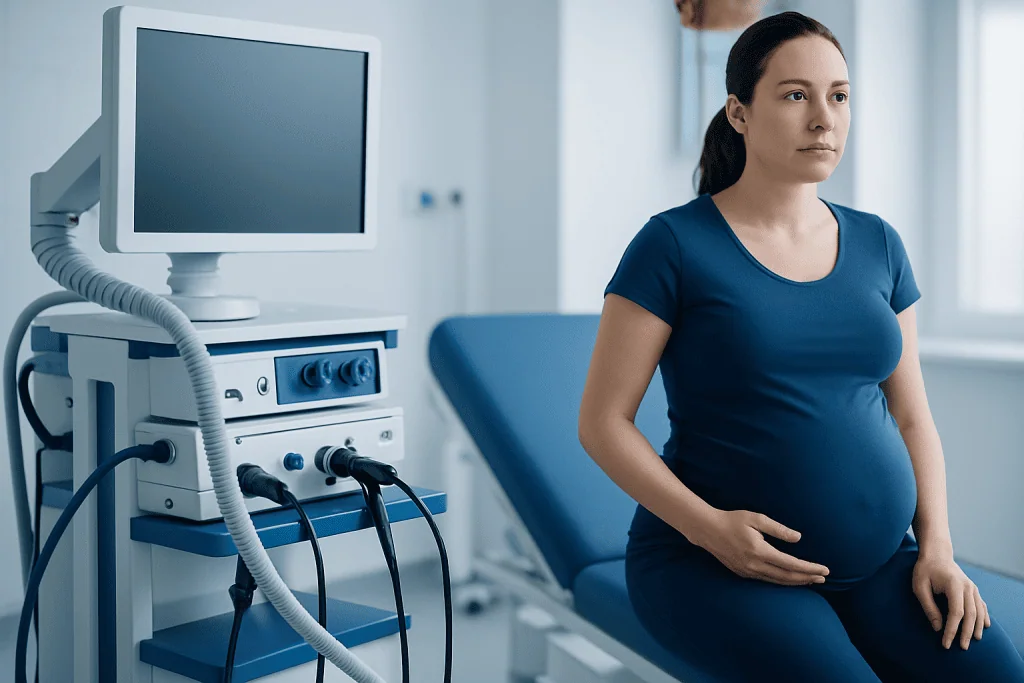
Hemorrhoids are often described differently depending on whether they are internal or external. Internal hemorrhoids are inside the rectum and may cause painless bleeding, a sensation of incomplete emptying, or tissue that bulges during a bowel movement. External hemorrhoids develop under the skin around the anus and are more likely to cause itching, soreness, irritation, and pain with wiping or sitting.
Some symptoms can fluctuate from day to day. A person may feel almost normal in the morning and then notice more pressure or swelling by evening, especially after standing for long periods. Constipation can trigger a flare, and symptoms may be worse after straining, dehydration, travel, or a change in routine.
Typical symptoms can include:
- Itching or irritation around the anus
- Discomfort, pressure, or aching
- Pain during bowel movements or when sitting
- Bright red blood on toilet paper or in the toilet bowl
- A soft or tender lump near the anus
- Mucus or mild leakage in some cases
One important point is that pain is not always proportional to the size of the hemorrhoid. A small external hemorrhoid can feel very uncomfortable, while an internal hemorrhoid may bleed but cause little pain. This is one reason why self-diagnosis can sometimes be misleading.
Why Pregnancy Increases the Risk
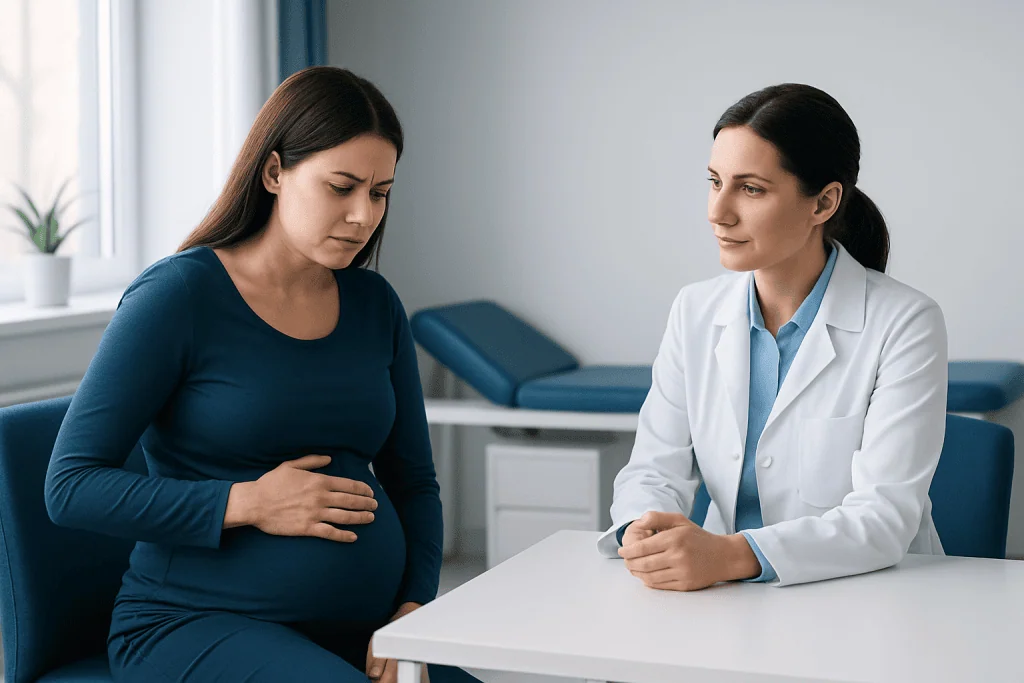
Several pregnancy-related changes make hemorrhoids more likely. The expanding uterus places pressure on the large veins that return blood from the lower body, slowing blood flow and increasing venous pressure in the rectal area. At the same time, progesterone relaxes smooth muscle and can contribute to slower bowel movements, which makes constipation more likely.
Straining is one of the strongest short-term triggers. When stool is hard or bowel movements are infrequent, more pressure builds up in the anal canal. This can enlarge existing hemorrhoids or cause new ones to become noticeable. Iron supplements, reduced activity, nausea-related changes in eating, and not drinking enough fluids can all contribute to constipation during pregnancy.
Labor and vaginal delivery can also worsen hemorrhoids temporarily because pushing increases pressure in the pelvic floor and rectal veins. This does not mean something is wrong with the pregnancy or birth process. In many cases, symptoms peak late in pregnancy or soon after delivery and then gradually improve.
Risk may be higher in people who had hemorrhoids before pregnancy, chronic constipation, a family tendency toward varicose veins, prolonged sitting, low-fiber intake, or multiple pregnancies. Still, hemorrhoids can also occur in otherwise healthy pregnancies and are not a sign of poor self-care.
Could It Be Something Else?
Not every anal symptom in pregnancy is caused by hemorrhoids. Anal fissures, which are small tears in the lining of the anus, can cause sharp pain during bowel movements and bright red bleeding. Fissures are also strongly linked to constipation and may occur at the same time as hemorrhoids. A thrombosed external hemorrhoid can cause a suddenly painful, firm lump and may be much more painful than an uncomplicated hemorrhoid.
Other causes of rectal symptoms include skin irritation, infections, inflammatory bowel disease, and, less commonly, polyps or other colorectal problems. If the main symptom is significant bleeding, unexplained weight loss, abdominal pain, black stools, or a change in bowel habits that does not improve, a clinician may consider conditions beyond hemorrhoids. When symptoms overlap, evaluation helps guide safe treatment.
People with a known digestive condition may need more individualized assessment. For example, pregnancy can occur in someone with Crohn's disease, and rectal symptoms may not always be due to hemorrhoids alone. A careful history and examination can help distinguish common pregnancy-related discomfort from problems that need additional care.
How Doctors Diagnose Hemorrhoids in Pregnancy
Diagnosis usually begins with a discussion of symptoms, bowel habits, diet, fluid intake, medications, and the timing of bleeding or pain. A doctor will often ask whether the blood is bright red, whether there is constipation, and whether a lump appeared suddenly. These details can help separate hemorrhoids from fissures and other conditions.
A physical examination may include looking at the area around the anus to check for swelling, external hemorrhoids, skin irritation, fissures, or a thrombosed hemorrhoid. If needed, a gentle internal examination may be performed, depending on symptoms and comfort. In many pregnant patients, this is enough to make the diagnosis without extensive testing.
Further evaluation is considered if symptoms are unusual, persistent, or severe. Recurrent bleeding, anemia, concerning changes in bowel habits, or uncertainty about the cause may lead to referral to a specialist in digestive health, such as gastroenterology care. The goal is not to overtest, but to make sure serious causes of bleeding are not missed.
Treatment Options That Are Usually Used First
The first line of treatment for hemorrhoids during pregnancy is usually focused on reducing constipation and relieving pressure on the veins. Increasing dietary fiber through fruits, vegetables, legumes, and whole grains can soften stool and make bowel movements easier. Drinking enough water and responding promptly to the urge to pass stool are also helpful. Regular gentle movement, such as walking, often supports bowel regularity.
Simple symptom relief may include warm sitz baths, cold compresses, and avoiding long periods of sitting on the toilet. Many people also benefit from placing the feet on a small stool during bowel movements to improve positioning and reduce straining. Wiping gently or rinsing with water can reduce irritation better than repeated dry wiping.
Some over-the-counter creams, ointments, or suppositories may be considered during pregnancy, but they should be chosen carefully. A pregnant patient should ask an obstetric clinician, family doctor, or pharmacist before using medicated products, especially if they contain anesthetics, steroids, or combination ingredients. Laxatives or stool softeners may sometimes be advised, but only under professional guidance.
If symptoms are severe or persistent, a specialist may discuss procedural options, though definitive procedures are often postponed unless truly necessary during pregnancy. In selected cases outside pregnancy or after delivery, hemorrhoid-focused care may involve hemorrhoids treatment or evaluation by general surgery. Treatment is individualized according to symptom severity, examination findings, and the stage of pregnancy.
Prevention and Self-Care During Pregnancy
Prevention is centered on protecting bowel habits and reducing venous pressure. Many people do best with a steady daily routine rather than occasional intensive efforts. This means eating fiber consistently, drinking fluids across the day, and moving regularly when possible. Even short walks and changing position often can help.
Practical measures include avoiding straining, not delaying bowel movements, and limiting time spent sitting on the toilet. Long periods on the toilet can increase pressure on rectal veins, even without active straining. If constipation is ongoing, it is better to address it early than to wait for a painful flare.
People who have a desk job or must sit for long periods may benefit from standing up at intervals and using a supportive cushion if sitting becomes uncomfortable. Lying on the left side can also reduce pressure from the uterus on major veins and may provide temporary relief later in pregnancy.
After birth, hemorrhoids often improve gradually as pelvic pressure decreases and bowel habits normalize. However, constipation after delivery can prolong symptoms. Continuing hydration, fiber, and gentle mobility during postpartum recovery can support healing and reduce recurrence.
When to Seek Medical Care
A short period of mild hemorrhoid symptoms can often be managed with self-care, but medical review is appropriate if symptoms are intense, recurrent, or unclear. A clinician can confirm whether hemorrhoids are really the cause and suggest treatments that are suitable in pregnancy.
Medical care should be sought sooner if there is heavy or repeated rectal bleeding, severe pain, a dark or bluish painful lump, fever, pus, faintness, or symptoms of anemia such as unusual fatigue or shortness of breath. Care is also important if bowel habits change significantly, stools look black, or symptoms continue despite home measures.
Pregnancy itself is a reason to be more cautious with new symptoms and treatments. A doctor can balance symptom relief with fetal safety and identify problems that should not be treated at home. Near the end of pregnancy or after delivery, care may also help distinguish hemorrhoids from tears, pelvic floor problems, or other anorectal conditions.
For international patients who need specialist assessment, Acibadem International’s multidisciplinary teams at JCI-accredited hospitals evaluate digestive and anorectal symptoms and coordinate pregnancy-conscious treatment plans when needed.
Frequently asked questions
Are hemorrhoids during pregnancy common?
Yes. Hemorrhoids are common in pregnancy, especially in the third trimester and around delivery, because of pelvic pressure, hormonal changes, and constipation. They are often uncomfortable but usually not dangerous.
Can hemorrhoids harm the baby?
Hemorrhoids themselves do not harm the baby. They affect the pregnant person's veins in the rectal area and are usually a maternal comfort issue rather than a fetal health problem. Still, severe symptoms should be discussed with a clinician.
Is bleeding from hemorrhoids normal in pregnancy?
Small amounts of bright red blood with wiping or bowel movements can occur with hemorrhoids. However, bleeding should not automatically be assumed to be harmless, especially if it is heavy, recurrent, or accompanied by pain, weakness, or black stools. A doctor can confirm the cause.
Will hemorrhoids go away after giving birth?
Many pregnancy-related hemorrhoids improve after delivery as pelvic pressure decreases. This may take days to weeks, and improvement is often gradual rather than immediate. Ongoing constipation after birth can slow recovery.
What is the safest way to relieve hemorrhoids during pregnancy?
The safest first steps are usually non-drug measures such as more fiber, good hydration, avoiding straining, warm sitz baths, gentle cleansing, and regular walking if approved by the pregnancy care team. Because not all products are suitable in pregnancy, medicated creams or laxatives should be checked with a clinician or pharmacist first.
How can someone tell the difference between a hemorrhoid and an anal fissure?
A hemorrhoid often causes itching, pressure, swelling, or mild bleeding, while an anal fissure more often causes sharp pain during bowel movements and bright red bleeding. The two can occur together, and symptoms may overlap. If pain is significant or the diagnosis is uncertain, a medical examination is the best way to tell the difference.
References
- American College of Obstetricians and Gynecologists
- National Institute of Diabetes and Digestive and Kidney Diseases
- Mayo Clinic
- American Society of Colon and Rectal Surgeons
This article is for general information only and is not a substitute for professional medical advice. Please consult a qualified doctor about your individual situation.
Hemorrhoids in Turkey — costs, top hospitals & a free quote
JCI-accredited · board-certified surgeons · reply within 24h
Add us as a Preferred Source to see more of our trusted health content across Google Search, AI Overviews and Discover.

General Surgery
Open, laparoscopic and robotic surgery for a broad range of abdominal and soft-tissue conditions.
120 specialists in this unit