Hepatitis a Injection How Long Does It Last: How It Works, Results and What to Expect
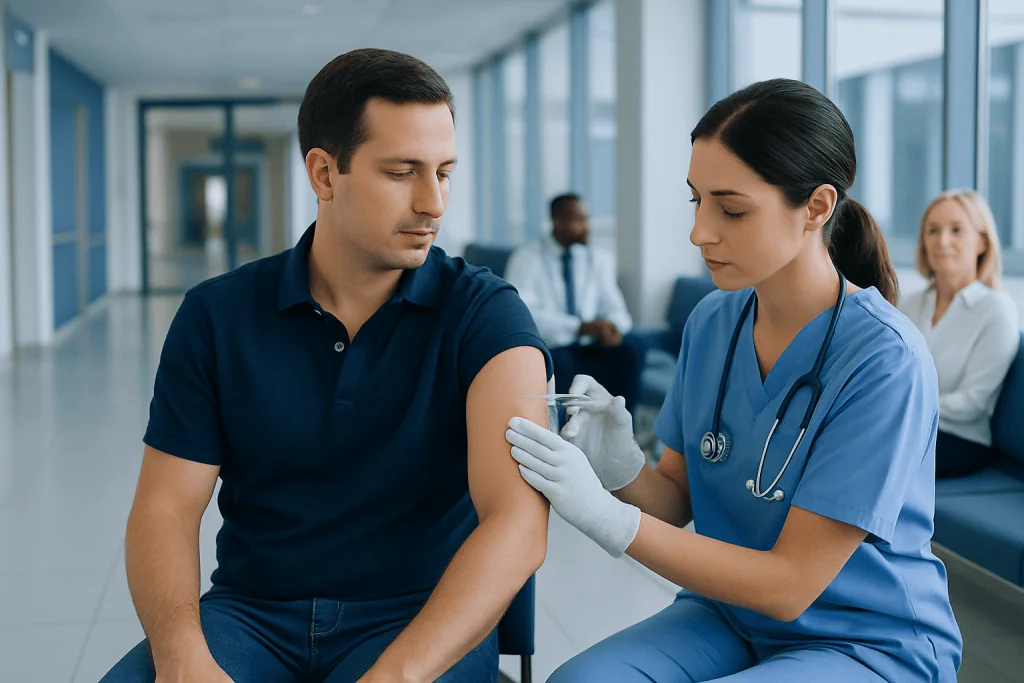
The hepatitis A vaccine is usually given as two doses separated by at least 6 months, depending on the product and local guidance. A first dose generally begins to protect most healthy people within about 2 weeks.
Key Takeaways
- The hepatitis A vaccine is usually given as two doses separated by at least 6 months, depending on the product and local guidance.
- A first dose generally begins to protect most healthy people within about 2 weeks.
- Completing the vaccine series offers the best long-term protection against hepatitis A infection.
- Mild arm soreness, tiredness, headache, low fever, or nausea can occur and usually settle within a few days.
- Vaccination is especially important for people travelling to areas where hepatitis A is more common and for others at increased risk of exposure.
For most people, the hepatitis A injection provides protection for many years after the recommended full vaccine series, and current evidence supports protection lasting at least 20 years in adults and likely longer. One dose gives strong short-term protection, while the second dose provides more reliable, long-lasting immunity.
Overview: How Long Does the Hepatitis A Injection Last?
Hepatitis A injection how long does it last? After the complete recommended hepatitis A vaccine series, protection is expected to be long-lasting—at least 20 years in adults based on available follow-up data, and probably much longer. A booster dose is not routinely recommended for healthy people who have completed the standard series.
The hepatitis A vaccine protects against hepatitis A, a viral infection that affects the liver. The virus usually spreads when a person consumes food or water contaminated with microscopic amounts of stool from an infected person, or through close personal contact. Unlike hepatitis B and hepatitis C, hepatitis A does not cause chronic liver infection, but it can still make a person significantly unwell.
Most hepatitis A vaccines are inactivated vaccines. This means they contain virus particles that cannot cause hepatitis A disease but can train the immune system to recognize and respond to the real virus. Vaccination remains one of the most effective ways to prevent hepatitis A before exposure occurs.
How the Hepatitis A Vaccine Works
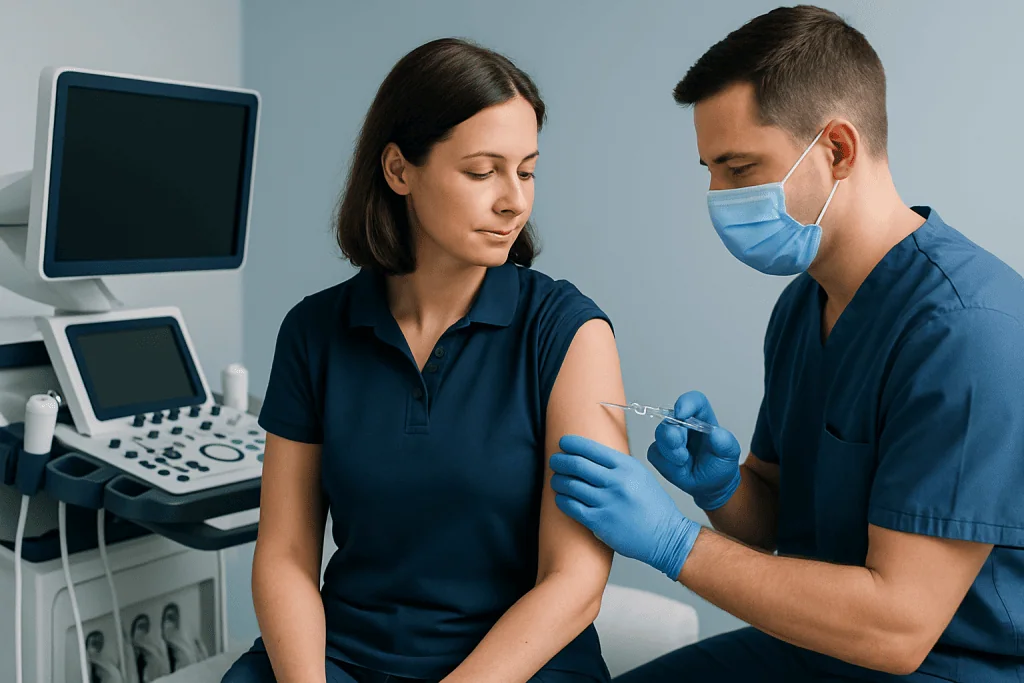
Following an injection into the upper arm muscle, the immune system identifies components of the inactivated hepatitis A virus as foreign. It then produces protective antibodies and develops immune memory. If the vaccinated person later encounters hepatitis A virus, these defenses can act quickly to reduce the chance of infection.
The vaccine is preventive rather than a treatment for an existing infection. It does not cure hepatitis A in someone who is already ill, and it does not treat other causes of liver inflammation. A clinician may consider vaccination after a known exposure in certain situations, ideally as soon as possible, because it can help prevent illness or make it less severe.
Vaccine schedules vary slightly by country and vaccine brand. In many settings, the standard approach is two doses, with the second dose given at least 6 months after the first. Combination vaccines that protect against both hepatitis A and hepatitis B follow a different schedule, so patients should confirm their individual plan with a healthcare professional.
Who May Benefit From Hepatitis A Vaccination?

Hepatitis A vaccination may be recommended routinely in childhood in some countries and for adults who have not previously been vaccinated or had confirmed hepatitis A. It is particularly relevant for people travelling to destinations where hepatitis A is more common, including areas with limited access to safe water or sanitation.
Other people who may benefit include those with chronic liver disease, people who use recreational drugs, men who have sex with men, people experiencing homelessness, and laboratory workers who may handle hepatitis A virus. During outbreaks, public health authorities may also recommend vaccination for affected communities or close contacts.
People with a history of a severe allergic reaction to a previous hepatitis A vaccine dose or a vaccine ingredient should not receive another dose unless a specialist advises otherwise. A minor illness, such as a common cold without significant fever, does not usually prevent vaccination. Those who are moderately or severely unwell may be advised to wait until they recover.
- People planning travel should arrange vaccination as early as possible.
- Individuals with liver disease should discuss hepatitis A prevention with their doctor.
- Pregnant or breastfeeding people can seek individualized advice when vaccination is indicated.
What Happens During and After the Injection?
The appointment is usually straightforward. Before the injection, a clinician reviews the person’s medical history, allergy history, current illnesses, previous vaccines, travel plans, and possible exposure risks. They can also confirm whether one vaccine dose, a two-dose hepatitis A series, or a hepatitis A and B combination vaccine is most appropriate.
The vaccine is typically injected into the deltoid muscle in the upper arm. The injection itself takes only moments. It is common to remain at the clinic briefly afterward, as is standard after many vaccinations, so staff can assist with the rare possibility of an immediate allergic reaction.
Most people can return to work, school, travel preparation, and normal daily activity straight away. The arm may be tender for a day or two. Keeping the arm moving gently, staying hydrated, and resting if needed can help with comfort. A clinician or pharmacist can advise on suitable symptom relief when appropriate for the individual.
For international patients, Acibadem International’s multidisciplinary specialists and JCI-accredited hospitals can assess vaccination needs, travel-related risks, and liver-health considerations as part of individualized care.
How Long Does It Take for Hep A Shot to Kick In?
Most healthy people develop protective antibody levels within about 2 weeks after the first hepatitis A vaccine dose. This is why travellers are ideally advised to receive the vaccine at least 2 weeks before departure. However, vaccination may still be worthwhile when travel is sooner, so a clinician should be consulted rather than assuming it is too late.
Some people may need additional protection if travel is imminent or if they have a higher risk of severe disease. Depending on age, immune status, liver health, and the timing of travel or exposure, a doctor may recommend immune globulin alongside vaccination. Immune globulin contains ready-made antibodies and can offer immediate, temporary protection.
The second vaccine dose does not need to be given before travel for the first dose to be useful in many healthy adults and children. Its main role is to reinforce immune memory and provide durable protection. If the second dose is delayed, it generally does not mean the series needs to be restarted; a clinician can advise when to complete it.
How Effective Is One Shot of Hep A?
One hepatitis A vaccine dose is highly effective for short-term protection in most healthy people. Studies show that the great majority of healthy recipients develop protective antibodies after a single dose, especially after enough time has passed for the immune response to develop.
Even so, one dose is not considered the best endpoint for long-term protection. Completing the recommended two-dose schedule gives more consistent and longer-lasting immunity across different age groups and health situations. It is therefore important to keep a record of the first dose and arrange the follow-up dose at the advised interval.
Response to vaccines can be less predictable in people with weakened immune systems, including some people receiving immune-suppressing treatments or living with certain medical conditions. Older adults and people with chronic liver disease may also need personalized advice, particularly when travel or a recent exposure is involved.
Can I Still Get Hepatitis A If I Was Vaccinated?
It is possible but uncommon to develop hepatitis A after vaccination. No vaccine provides absolute protection for every person, and protection may be incomplete if a person was exposed before their immune system had time to respond or did not complete the recommended series.
Breakthrough infections are unusual in people who have completed the hepatitis A vaccine schedule. If they occur, illness may be milder than it would otherwise have been. A person with symptoms such as yellowing of the skin or eyes, dark urine, marked fatigue, nausea, abdominal discomfort, or pale stools should seek medical assessment, regardless of vaccination history.
Vaccination should be combined with practical prevention measures. These include careful handwashing with soap and water after using the toilet and before preparing food, drinking safe water while travelling, and choosing food prepared and stored hygienically. Hand sanitizer alone may not reliably remove hepatitis A virus from the hands.
Is It Normal to Feel Sick After Hepatitis A Vaccine? When to Seek Medical Care
Yes. Mild, short-lived symptoms after a hepatitis A vaccine are relatively common and usually reflect the body’s normal immune response. These can include pain, redness, or swelling at the injection site, tiredness, headache, low-grade fever, reduced appetite, nausea, or general aches. They typically improve within one to three days.
Serious vaccine reactions are rare. Urgent medical care is needed for possible signs of a severe allergic reaction, such as difficulty breathing, swelling of the face or throat, widespread hives, severe dizziness, or collapse. These symptoms usually occur soon after vaccination, which is one reason clinics may ask people to wait briefly before leaving.
Medical advice is also appropriate if symptoms are severe, persist longer than expected, worsen rather than improve, or are concerning for another illness. Anyone who thinks they may have been exposed to hepatitis A should contact a clinician promptly, especially if they have liver disease, are immunocompromised, or are a close contact of someone with confirmed infection.
People considering vaccination, preparing for travel, or needing guidance after a possible exposure can discuss prevention options with a qualified doctor. The clinician can review prior vaccination records and recommend the appropriate next steps.
Frequently asked questions
How long does the hepatitis A injection last after two doses?
After the complete hepatitis A vaccine series, protection is expected to last for at least 20 years in adults and likely longer. Current guidance does not routinely recommend booster doses for healthy people who completed the standard series.
How long does it take for Hep A shot to kick in?
Most healthy people develop protection within about 2 weeks after their first hepatitis A vaccine dose. People travelling sooner than this should still speak with a clinician, as vaccination may remain useful and some may need additional temporary protection.
Can I still get hepatitis A if I was vaccinated?
Hepatitis A after full vaccination is uncommon, but no vaccine is completely effective in every person. Infection is more possible if exposure occurred before immunity developed, if the vaccine series was not completed, or if the immune system did not respond fully.
How effective is one shot of Hep A?
One dose provides strong short-term protection for most healthy people. A second dose is recommended because it makes protection more reliable and long-lasting.
Is it normal to feel sick after hepatitis A vaccine?
Mild tiredness, headache, nausea, low fever, or soreness at the injection site can occur and usually resolves within a few days. Severe allergic symptoms, including trouble breathing or facial swelling, require urgent medical attention.
Do adults need a hepatitis A vaccine booster?
Healthy adults who have completed the recommended hepatitis A vaccine series generally do not need a routine booster. People with particular immune conditions or unusual exposure risks should ask their doctor for individual advice.
References
- World Health Organization
- Centers for Disease Control and Prevention
- European Centre for Disease Prevention and Control
- U.S. Food and Drug Administration
- Centers for Disease Control and Prevention Advisory Committee on Immunization Practices
This article is for general information only and is not a substitute for professional medical advice. Please consult a qualified doctor about your individual situation.
Hepatitis A in Turkey — costs, top hospitals & a free quote
JCI-accredited · board-certified surgeons · reply within 24h
Add us as a Preferred Source to see more of our trusted health content across Google Search, AI Overviews and Discover.

Gastroenterology
Diagnosis and treatment of the digestive system and liver, with advanced endoscopy.
43 specialists in this unit