Hepatology: An Evidence-Based Guide for Patients

Hepatology covers conditions affecting the liver, gallbladder, bile ducts, and often the pancreas. A hepatologist evaluates symptoms, blood tests, imaging, and sometimes liver biopsy to identify the cause of liver problems.
Key Takeaways
- Hepatology covers conditions affecting the liver, gallbladder, bile ducts, and often the pancreas.
- A hepatologist evaluates symptoms, blood tests, imaging, and sometimes liver biopsy to identify the cause of liver problems.
- Many liver conditions can be managed well when found early, including fatty liver disease, hepatitis, and cirrhosis complications.
- Not all liver disease causes early symptoms, so abnormal lab tests may be the first clue.
- Healthy weight, limited alcohol, vaccination, and regular medical follow-up can help protect liver health.
Hepatology is the branch of medicine that focuses on the liver and related organs, especially the diagnosis, monitoring, and treatment of liver disease. For patients, it helps explain when liver symptoms matter, which tests may be needed, and how care is tailored to the cause of the problem.
What hepatology means for patients
Hepatology is the area of medicine that focuses on the liver and closely related organs, including the gallbladder and bile ducts. In many care settings, hepatology also overlaps with the management of certain pancreatic disorders. For patients, hepatology is not just about advanced liver disease. It also includes the evaluation of common problems such as abnormal liver blood tests, fatty liver disease, viral hepatitis, jaundice, and medication-related liver injury.
The liver has many essential jobs. It helps process nutrients, stores energy, produces proteins, supports blood clotting, and breaks down toxins and medicines. Because the liver affects so many body systems, liver disease can cause a wide range of symptoms or no symptoms at all in the early stages. This is one reason hepatology care often begins after a routine blood test shows an unexpected abnormality.
A patient-friendly way to think about hepatology is as a structured approach to liver health. Instead of focusing on a single symptom, hepatology looks at the full picture: medical history, medications, alcohol use, family history, metabolic risk factors, infections, imaging, and laboratory findings. This helps doctors identify whether a liver problem is temporary, chronic, reversible, or something that needs close long-term follow-up.
Which conditions are managed in hepatology
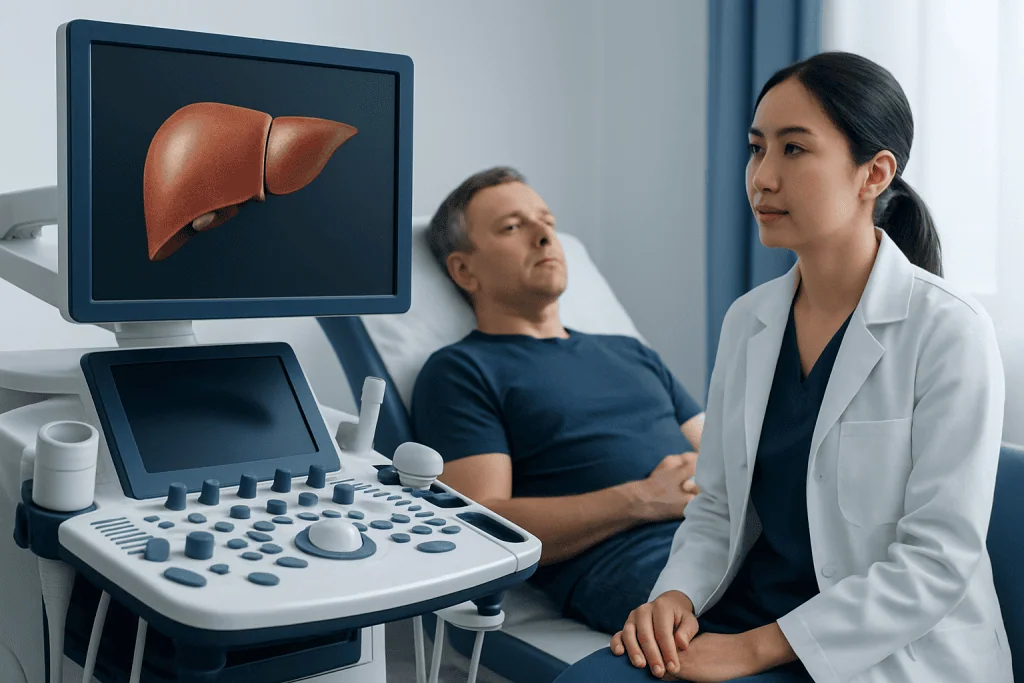
Hepatology specialists evaluate both common and complex liver conditions. These include fatty liver disease linked to weight, diabetes, or cholesterol problems; alcohol-related liver disease; viral hepatitis; autoimmune liver disease; genetic conditions such as hemochromatosis or Wilson disease; drug-induced liver injury; cirrhosis; and liver tumors. They also assess bile duct disorders and complications such as ascites, varices, or hepatic encephalopathy.
Two of the most frequently discussed conditions are fatty liver disease and hepatitis. Fatty liver disease is often associated with metabolic health, while hepatitis refers to inflammation of the liver that may be caused by viruses, autoimmune conditions, alcohol, or medicines. Even when these conditions are common, the cause and severity can vary greatly from one patient to another.
Hepatology is also important for people with established scarring of the liver, known as cirrhosis. Cirrhosis does not always cause symptoms at first, but it can lead to serious complications if not monitored carefully. Patients with suspected liver masses, persistent jaundice, unexplained itching, or repeated abnormal liver function tests may also be referred for specialist evaluation.
- Fatty liver disease and steatohepatitis
- Hepatitis A, B, C, and non-viral hepatitis
- Cirrhosis and portal hypertension
- Gallbladder and bile duct disorders
- Medication-related or toxin-related liver injury
- Liver cysts, benign lesions, and liver cancer evaluation
Symptoms and signs that may suggest a liver problem
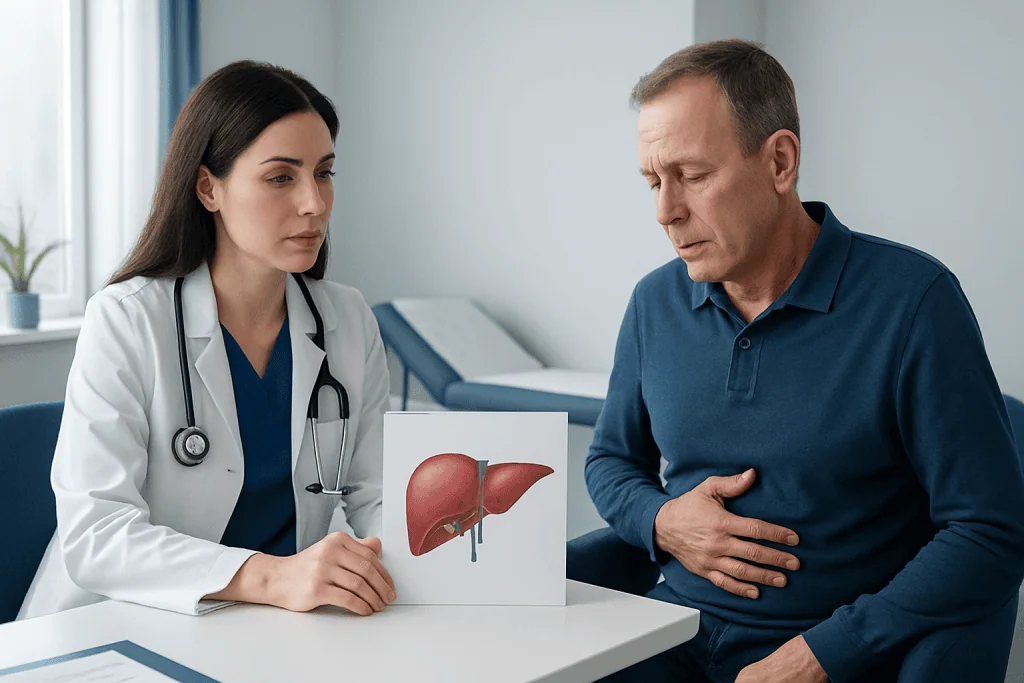
Liver disease does not always cause obvious symptoms early on. Some people feel completely well and only learn there may be a problem after routine blood work. When symptoms do appear, they may include tiredness, loss of appetite, nausea, abdominal discomfort, itching, dark urine, pale stools, swelling in the legs or abdomen, or yellowing of the skin and eyes, called jaundice.
Some symptoms are non-specific and can happen for many reasons. For example, fatigue, bloating, or mild upper abdominal discomfort do not always mean there is liver disease. That is why doctors do not diagnose liver conditions based on symptoms alone. Instead, symptoms are considered together with blood tests, imaging, physical examination, and overall health history.
People with more advanced liver disease may develop bruising easily, confusion, sleepiness, muscle loss, or vomiting blood. These signs need prompt medical assessment. In children, pregnancy, and older adults, liver-related symptoms can sometimes appear differently, so professional evaluation is especially important if something does not seem right.
Causes and risk factors doctors look for
Hepatology assessment usually begins with the question: what is causing stress or injury to the liver? Common causes include excess body weight, insulin resistance, type 2 diabetes, high triglycerides, alcohol use, viral infections, autoimmune disease, inherited conditions, and side effects from medications or herbal products. More than one cause may be present at the same time.
Doctors also ask about family history, travel history, blood transfusions, tattoos or piercings, occupational exposures, and any use of supplements. Many over-the-counter products are safe when used correctly, but some can affect the liver. Patients should bring a complete list of prescription drugs, supplements, and herbal remedies to appointments because this information can be very helpful.
Risk does not always mean disease is already present. A person with obesity or diabetes may have normal liver tests for years, while another person with mild test abnormalities may have significant inflammation or scarring. This is why hepatology care aims to estimate not only the likely cause but also the degree of liver damage and the chance of progression over time.
How hepatology diagnosis works
Diagnosis in hepatology is usually stepwise. It often starts with liver function tests and other blood work. These tests can help show whether there is inflammation, bile flow obstruction, reduced liver synthetic function, or signs of viral, autoimmune, or metabolic disease. Blood tests are important, but they do not always tell the full story. A person can have normal or only mildly abnormal results and still need further evaluation.
Imaging studies such as ultrasound, CT, or MRI may be used to look at liver size, texture, fat content, bile ducts, blood flow, or liver lesions. In some cases, doctors use elastography, a noninvasive method that estimates liver stiffness and helps assess scarring. Depending on the clinical picture, a doctor may recommend MRI or ultrasound as part of a more complete assessment.
Sometimes, a liver biopsy is needed when the cause remains unclear or when the exact degree of inflammation or fibrosis will affect treatment decisions. A biopsy is not needed for every patient. The goal is to choose the least invasive test that still provides enough information for safe and effective care.
Treatment options in hepatology
Treatment in hepatology depends on the underlying condition. There is no single liver treatment that fits everyone. For some patients, management focuses on lifestyle changes such as weight reduction, exercise, better glucose control, and avoiding alcohol. For others, antiviral treatment, immune-modulating medicines, endoscopic procedures, or hospital-based care may be needed.
When liver disease is linked to metabolic health, even gradual and sustainable changes can make a meaningful difference. If viral hepatitis is present, treatment may aim to suppress the virus or cure the infection, depending on the type. If liver injury is related to medication or toxins, stopping the harmful exposure is often a key part of recovery. People with cirrhosis may need regular monitoring for complications, imaging surveillance, vaccinations, nutrition support, and specialist follow-up.
Some patients require procedural or advanced therapies. Bile duct blockages may need endoscopic treatment such as ERCP. In severe or end-stage liver disease, liver transplant evaluation may be appropriate. Near the end of the care pathway, some international patients choose centers such as Acibadem International, where multidisciplinary specialists in JCI-accredited hospitals diagnose and treat complex hepatology conditions.
Prevention and everyday liver self-care
Many liver conditions are preventable or can be managed more effectively when found early. Practical self-care includes maintaining a healthy weight, staying physically active, limiting or avoiding alcohol, and following treatment plans for diabetes, high cholesterol, and high blood pressure. Vaccination against hepatitis A or B may be recommended for some people based on age, risk, travel, work, or existing liver disease.
Patients should avoid taking more medication than directed and should be cautious with supplements, bodybuilding products, and herbal remedies, especially if these have not been discussed with a doctor. Acetaminophen and other common medicines can be safe at appropriate doses, but people with liver disease or heavy alcohol use should ask their clinician what is safest for them.
Routine follow-up matters. A doctor may repeat blood tests, perform imaging, or monitor for progression even when symptoms are mild. Patients should not assume a liver problem is gone simply because they feel better. In hepatology, long-term trends often matter more than one isolated test result.
When to seek medical care
Medical care is appropriate if a person has persistent fatigue, yellowing of the eyes or skin, abdominal swelling, unexplained itching, dark urine, pale stools, or repeated abnormal liver blood tests. A doctor should also be consulted if there is known hepatitis exposure, heavy alcohol use, a strong family history of liver disease, or metabolic risk factors such as obesity and diabetes.
Urgent medical attention is needed for vomiting blood, black stools, severe confusion, fainting, severe abdominal pain, rapidly worsening jaundice, or marked sleepiness. These symptoms can indicate a serious liver-related complication or another medical emergency. It is safest not to wait for symptoms to pass on their own.
Even when symptoms are mild, early evaluation can be helpful because many liver conditions are easier to treat before significant scarring develops. A qualified clinician or hepatology specialist can determine which tests are necessary and whether simple monitoring, treatment, or referral is the most appropriate next step.
Frequently asked questions
What is hepatology?
Hepatology is the branch of medicine that focuses on the liver, gallbladder, bile ducts, and related disorders. It includes the diagnosis, treatment, and long-term monitoring of both common and complex liver conditions.
What does a hepatologist do?
A hepatologist is a doctor who evaluates liver-related symptoms, abnormal liver tests, and diseases such as hepatitis, fatty liver disease, and cirrhosis. They use medical history, blood tests, imaging, and sometimes biopsy to identify the cause and guide treatment.
When should someone see a hepatology specialist?
A person may be referred to hepatology for persistent abnormal liver blood tests, jaundice, suspected hepatitis, fatty liver disease, or signs of cirrhosis. Specialist care is also useful when the cause of liver inflammation is unclear or when liver disease may be advanced.
Are abnormal liver tests always a sign of serious disease?
No. Mildly abnormal liver tests can happen for many reasons, including temporary illness, medication effects, fatty liver disease, or alcohol use. However, they should still be assessed properly, especially if they persist or are accompanied by symptoms.
Can liver disease be present without symptoms?
Yes. Many liver conditions, especially in early stages, cause few or no symptoms. That is why routine checkups and follow-up of abnormal blood tests are important, particularly for people with diabetes, obesity, viral hepatitis risk, or regular alcohol use.
Can lifestyle changes improve liver health?
In many cases, yes. Weight management, regular exercise, limiting alcohol, and controlling diabetes or cholesterol can improve liver health and may reduce inflammation or fat buildup in the liver. A doctor can advise which changes are most relevant for the individual patient.
References
- American Association for the Study of Liver Diseases
- National Institute of Diabetes and Digestive and Kidney Diseases
- Centers for Disease Control and Prevention
- World Health Organization
- American College of Gastroenterology
This article is for general information only and is not a substitute for professional medical advice. Please consult a qualified doctor about your individual situation.
Explore treatments in Turkey — costs, top hospitals & a free quote
JCI-accredited · board-certified surgeons · reply within 24h
Add us as a Preferred Source to see more of our trusted health content across Google Search, AI Overviews and Discover.
Check your numbers in seconds
BMI, calories, due date, blood pressure and 30+ more clinical calculators — free, instant, doctor-reviewed ranges.

More from the Health Library

Pelvis: What Patients Need to Know

Blood Clot Feces: An Evidence-Based Guide for Patients

Onion Health Benefits: An Evidence-Based Guide for Patients

Progesteronico — Explained by Medical Evidence, Not Myths

Thalamus Brain — Explained by Medical Evidence, Not Myths