Herni — Explained by Medical Evidence, Not Myths

A hernia is not caused by one action alone; it usually develops from a combination of tissue weakness and repeated pressure. The most common hernias occur in the groin, abdominal wall, around the navel, or at a previous surgical incision.
Key Takeaways
- A hernia is not caused by one action alone; it usually develops from a combination of tissue weakness and repeated pressure.
- The most common hernias occur in the groin, abdominal wall, around the navel, or at a previous surgical incision.
- A visible or felt bulge that worsens with coughing, lifting, or standing is a common clue, although some hernias cause discomfort without an obvious lump.
- Surgery is the only treatment that repairs the underlying opening, but watchful waiting may be appropriate for selected people with minimal symptoms.
- Sudden severe pain, a firm non-reducible bulge, abdominal swelling, fever, or vomiting may indicate a complication and requires urgent medical care.
“Herni” is commonly used to mean a hernia: a bulge or opening that occurs when internal tissue presses through a weakened area of muscle or connective tissue. Many hernias are manageable, but a new painful bulge, vomiting, or an irreducible lump needs prompt medical assessment.
What Does “Herni” Mean?
“Herni” is commonly a shortened or misspelled term for hernia. A hernia occurs when fat, part of an organ, or other tissue pushes through a weak spot in the muscle or connective tissue that normally keeps it in place. It may produce a noticeable lump, pressure, aching, or no symptoms at all.
Most hernias develop in the abdomen or groin because these areas are exposed to normal internal pressure from movement, coughing, bowel activity, and daily activity. A hernia is not the same as a muscle strain, although both can cause discomfort after lifting or exercise. A clinical examination helps distinguish between them.
Some hernias remain stable for a long time, while others gradually enlarge or become more uncomfortable. The appropriate approach depends on the hernia type, symptoms, overall health, and whether there are signs that bowel or other tissue has become trapped.
Common Types of Hernia
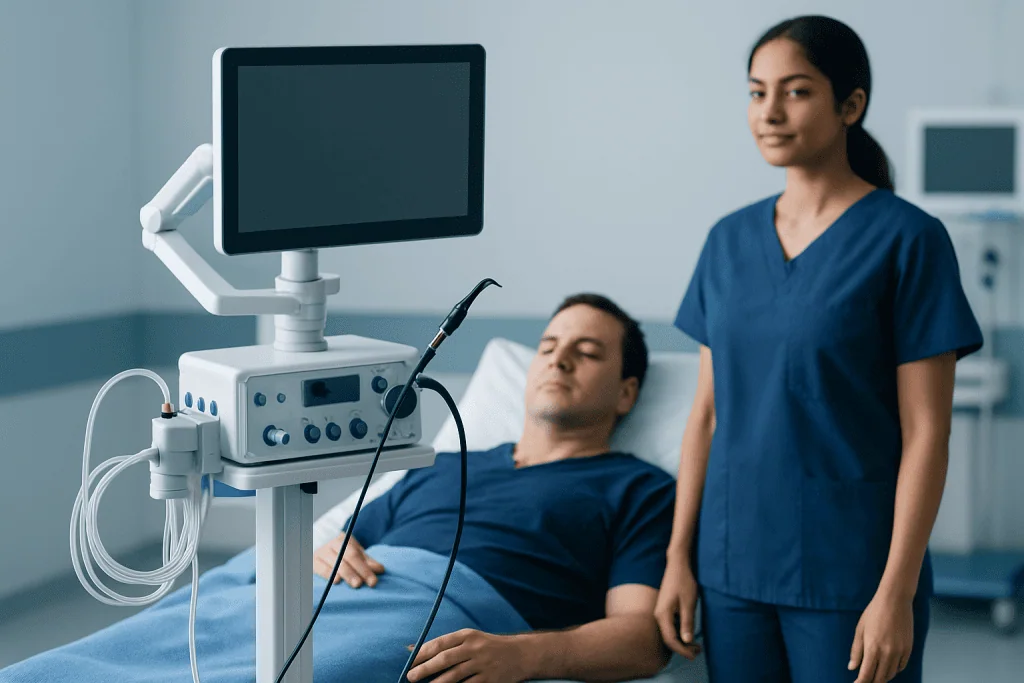
Hernias are named according to where they occur. An inguinal hernia develops in the groin and is the most common type. It may extend toward the scrotum in men or cause a groin lump in women. A femoral hernia occurs lower in the groin or upper thigh and is more common in women; it has a higher likelihood of becoming trapped than some other types.
An umbilical hernia occurs at or near the belly button. It can be present from birth in infants, but it can also develop in adulthood. An incisional hernia develops through or near a scar from previous abdominal surgery, where the abdominal wall may be weaker.
Other types include epigastric hernias, which occur between the breastbone and navel, and hiatal hernias, in which part of the stomach moves upward through the diaphragm. A hiatal hernia usually does not create an external lump and may be associated with reflux symptoms. It differs from abdominal-wall hernias and is assessed differently.
- Reducible hernia: a bulge that can move back into place when lying down or with gentle pressure.
- Incarcerated hernia: tissue becomes trapped and cannot be pushed back.
- Strangulated hernia: blood supply to trapped tissue may be affected; this is a medical emergency.
Symptoms: What a Hernia Can Feel Like

A bulge in the groin, abdomen, navel, or a previous surgical scar is a typical symptom. It may become more noticeable when standing, coughing, straining during a bowel movement, lifting, or exercising. The bulge may lessen or disappear when the person lies down.
People may describe a pulling sensation, localized pressure, dull ache, burning, or heaviness. Symptoms may be mild at first and appear only with activity. Some hernias cause little or no pain, so a painless lump should still be evaluated rather than assumed to be harmless.
Symptoms can overlap with other conditions, including enlarged lymph nodes, muscle injuries, cysts, bowel disorders, or testicular and gynecological conditions. A healthcare professional should assess a new or changing groin or abdominal lump, particularly if it persists or causes discomfort.
Severe or rapidly worsening pain, a tender firm bulge that does not reduce, nausea, vomiting, fever, or inability to pass stool or gas can signal a complication. These symptoms should not be monitored at home; urgent assessment is needed.
Why Hernias Develop: Causes and Risk Factors
A hernia generally develops when pressure inside the abdomen acts on a naturally weak area or an area that has become weakened over time. Some weaknesses are present from birth, while others result from aging, injury, pregnancy, surgery, or changes in tissue strength.
Activities that increase abdominal pressure do not necessarily cause a hernia on their own, but they can reveal or worsen an existing weak point. Examples include frequent heavy lifting, persistent coughing, chronic constipation with straining, difficulty urinating due to prostate enlargement, and repeated vomiting.
Other factors associated with hernia risk include overweight or obesity, pregnancy, smoking, poor wound healing, connective-tissue disorders, and a personal or family history of hernias. Premature infants have a higher likelihood of certain congenital hernias. Maintaining a healthy weight and treating a chronic cough or constipation may help reduce strain, but they cannot always prevent a hernia.
How Hernias Are Diagnosed
Many hernias can be diagnosed during a physical examination. A clinician may inspect and gently feel the abdomen or groin while the person stands, coughs, or bears down. They will ask when the bulge began, whether it changes with activity, and whether there are digestive, urinary, or pain-related symptoms.
Imaging is not always necessary, but it can be useful when the diagnosis is uncertain, the hernia is small or deep, symptoms are unexplained, or surgery is being planned. Ultrasound is often used for groin and abdominal-wall lumps. CT or MRI may provide more detailed information in selected situations.
Diagnosis also includes checking for complications. This is especially important if the lump is painful, tender, irreducible, or associated with vomiting or bowel changes. Early assessment can clarify whether monitoring, planned repair, or urgent treatment is appropriate.
Treatment Options and Everyday Management
Management is individualized. A small hernia with minimal symptoms may sometimes be monitored with planned follow-up, particularly when the clinician considers the risk of complications to be low. This approach is often called watchful waiting. It does not mean ignoring new pain, enlargement, or changes in the bulge.
Surgery is the only treatment that closes or reinforces the defect in the abdominal wall. Depending on the type and location of the hernia, repair may be performed through an open incision or using minimally invasive techniques. The surgeon may use stitches alone or a surgical mesh to strengthen the repair when appropriate. Hernia surgery is planned after considering the hernia type, symptoms, previous operations, and the person’s general health.
Before evaluation or while awaiting treatment, people are usually advised to avoid activities that consistently trigger significant pain and to address constipation, chronic coughing, or other causes of straining with professional guidance. A support garment may provide temporary comfort for some people, but it does not repair a hernia or prevent complications. It should not delay medical review.
Recovery advice varies by procedure and individual circumstances. A surgical team can explain wound care, return to walking and work, lifting restrictions, pain management, and warning signs after repair. Acibadem International’s multidisciplinary specialists and JCI-accredited hospitals assess and treat hernia conditions for international patients.
When to Seek Medical Care
A non-urgent medical appointment is appropriate for any new groin or abdominal bulge, recurring discomfort with lifting or coughing, or a lump that is getting larger. Assessment is also sensible when a suspected hernia affects daily activities, exercise, work, or confidence about movement.
Urgent medical care is needed for sudden severe or persistent pain at the hernia site, a bulge that becomes hard, very tender, discolored, or cannot be gently reduced, or symptoms such as nausea, vomiting, abdominal swelling, fever, or inability to pass stool or gas. These signs can occur when tissue is trapped and may require prompt treatment.
People should not attempt forceful pressure to push a painful hernia back into place. They should seek emergency evaluation instead. Prompt care is precautionary and helps clinicians protect bowel and other tissues if a complication is present.
Hernia Myths and Evidence-Based Facts
Myth: A hernia always follows heavy lifting. Heavy lifting can increase pressure and make a hernia noticeable, but most hernias involve an underlying area of weakness. They may also occur without a clear trigger.
Myth: A painless hernia never needs attention. A painless hernia may not require immediate surgery, but it should be properly diagnosed and monitored with a clinician’s advice. Pain, size, type, lifestyle demands, and individual health all influence treatment decisions.
Myth: Exercise can close a hernia. Strengthening and general fitness can support health, but exercise does not close an existing abdominal-wall opening. A clinician or physiotherapist can help identify safe activity choices based on symptoms and the planned treatment approach.
Myth: Every hernia is an emergency. Most are not emergencies. However, anyone with symptoms suggesting a trapped or strangulated hernia should seek urgent care because complications can develop quickly.
Frequently asked questions
Is “herni” the same as a hernia?
In most health searches, “herni” is intended to mean hernia. A hernia occurs when internal tissue pushes through a weak point in muscle or connective tissue, often causing a bulge or pressure sensation.
Can a hernia heal without surgery?
An existing abdominal-wall hernia does not usually close by itself in adults. Some people with small, minimally symptomatic hernias can be monitored safely under medical guidance, but surgery is the treatment that repairs the defect.
How can someone tell if a hernia is serious?
A painful bulge that is firm, cannot be pushed back, or is accompanied by vomiting, fever, abdominal swelling, or inability to pass stool or gas may be serious. These symptoms require urgent medical assessment because they can indicate trapped tissue or reduced blood supply.
Can a hernia be caused by exercise?
Exercise or lifting may increase abdominal pressure and make a pre-existing weakness more apparent. Hernias usually result from a combination of tissue weakness and pressure rather than one single activity.
What should someone avoid with a suspected hernia?
They should avoid activities that reliably cause significant pain or straining until they have been assessed. It is also helpful to seek advice for constipation or a persistent cough, as these can increase abdominal pressure.
Are hernia belts or trusses effective?
A belt or truss may provide temporary support or comfort for some people, but it does not repair the hernia. It should only be used with medical advice and should never replace assessment of a new, painful, or changing bulge.
References
- National Institute of Diabetes and Digestive and Kidney Diseases
- American College of Surgeons
- National Health Service
- Mayo Clinic
- Cleveland Clinic
This article is for general information only and is not a substitute for professional medical advice. Please consult a qualified doctor about your individual situation.
Explore treatments in Turkey — costs, top hospitals & a free quote
JCI-accredited · board-certified surgeons · reply within 24h
Add us as a Preferred Source to see more of our trusted health content across Google Search, AI Overviews and Discover.

More from the Health Library

Turmeric: What Patients Need to Know

Tourettes Illness: An Evidence-Based Guide for Patients

Foot Cramps — Explained by Medical Evidence, Not Myths

HIV Test: An Evidence-Based Guide for Patients

Yoni Egg: What Patients Need to Know