

Hernia Surgery: Benefits, Risks, and Recovery — A Complete Guide
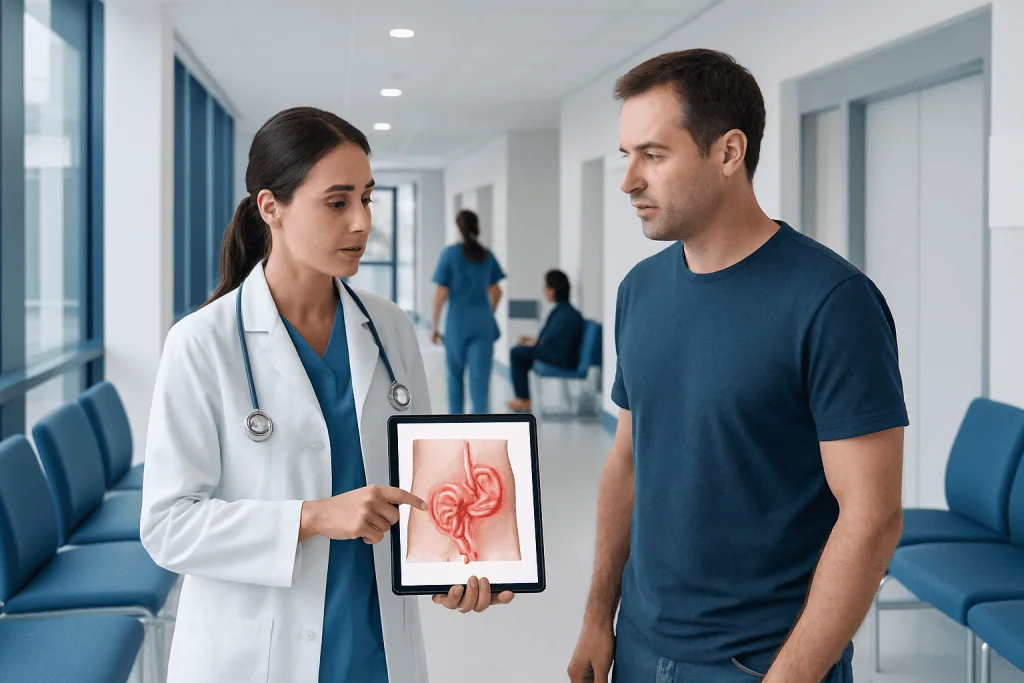
Hernia surgery is the main treatment for symptomatic or enlarging hernias and can prevent serious complications such as incarceration or strangulation. Not every hernia needs immediate surgery; some small, minimally symptomatic hernias may be monitored with medical guidance.
Key Takeaways
- Hernia surgery is the main treatment for symptomatic or enlarging hernias and can prevent serious complications such as incarceration or strangulation.
- Not every hernia needs immediate surgery; some small, minimally symptomatic hernias may be monitored with medical guidance.
- Repairs may be open, laparoscopic, or robotic, and many use surgical mesh to strengthen the weakened area.
- Most people recover well, but recovery time varies based on the hernia type, the procedure, and a person’s activity level and health.
- Medical review is important right away for sudden severe pain, vomiting, fever, or a bulge that becomes red, tender, or cannot be pushed back.
Hernia surgery repairs a weakness or opening in the abdominal wall or groin to reduce pain, prevent the bulge from worsening, and lower the risk of complications. The best approach depends on the hernia type, symptoms, overall health, and whether the repair is done with open, laparoscopic, or robotic techniques.
Overview: What Hernia Surgery Does
Hernia surgery is a procedure that repairs a weak spot in muscle or connective tissue where an internal organ or fatty tissue pushes through. It is commonly performed for groin hernias, abdominal wall hernias, and incisional hernias that develop at the site of a previous operation. The goal is to return the protruding tissue to its normal place and reinforce the weakened area so the hernia is less likely to come back.
For many people, hernia surgery helps relieve discomfort, pressure, or a visible bulge that becomes more noticeable with standing, lifting, or coughing. It can also reduce the risk of complications such as a hernia becoming trapped or losing its blood supply. If the hernia is in the groin, a person may be told they have an inguinal hernia, which is one of the most common types treated surgically.
Not all hernias require urgent repair. Some small hernias that cause few or no symptoms may be monitored, especially if surgery would carry higher risk because of age or other medical conditions. However, a symptomatic, enlarging, or complicated hernia often benefits from planned repair rather than waiting until an emergency develops.
Who May Need Hernia Surgery
A doctor may recommend hernia surgery when a hernia causes pain, affects daily activities, becomes larger over time, or creates concern for future complications. Symptoms can range from a mild pulling sensation to burning, aching, or pressure in the groin or abdomen. Some people notice symptoms mainly when lifting, exercising, straining during bowel movements, or standing for long periods.
Hernia surgery may also be advised when the bulge is difficult to push back in, when the diagnosis is clear and symptoms are recurrent, or when the hernia occurred after a previous operation. Incisional and larger abdominal wall hernias are more likely to worsen over time because the tissue support is already weakened.
Candidacy depends on several factors, including the type and location of the hernia, the person’s age, weight, smoking status, prior surgeries, and overall health. A surgeon also considers whether symptoms may have another cause. In selected people with minimal symptoms, careful observation may be reasonable, but this decision should be made with a qualified specialist who can explain the benefits and limits of watchful waiting.
How Hernia Surgery Works and Types of Repair

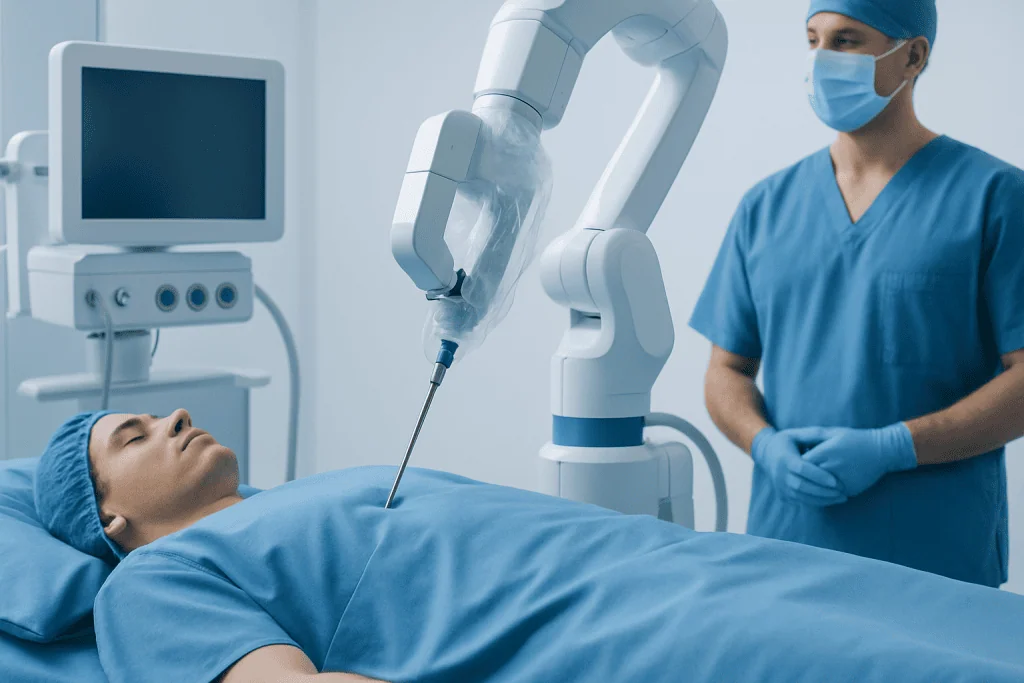
Hernia repair can be performed with open surgery, laparoscopic surgery, or robotic-assisted techniques. In open surgery, the surgeon makes a single incision over or near the hernia, returns the tissue to its proper position, and closes or reinforces the defect. In minimally invasive surgery, several small incisions are used, and the surgeon works with a camera and fine instruments from inside the abdomen or abdominal wall.
Many repairs use surgical mesh, a medical material placed to strengthen the area and lower the chance of recurrence. In some situations, especially for small defects or when contamination is a concern, the repair may be done with stitches alone. The choice depends on the hernia type, tissue quality, infection risk, prior operations, and the surgeon’s assessment.
Laparoscopic or robotic approaches may offer smaller incisions and, in some cases, a quicker return to routine activity, especially for certain groin or bilateral hernias. Open surgery may be more appropriate for very large hernias, complex recurrences, or when a person’s anatomy or medical history makes minimally invasive surgery less suitable. A hospital team may describe these options as part of hernia surgery planning, with the technique tailored to the individual rather than using a single method for everyone.
Step by Step: What Happens Before, During, and After the Procedure
Before surgery, the patient usually has a physical examination and a review of symptoms, medications, allergies, and previous operations. Blood tests or imaging may be needed in some cases, especially if the hernia is recurrent, large, or difficult to define on examination. The care team provides instructions about fasting, blood thinners, diabetes medications, smoking, and what to expect on the day of surgery.
During the procedure, anesthesia is used so the repair can be performed safely and comfortably. Depending on the type of operation, this may be general anesthesia, spinal anesthesia, or local anesthesia with sedation. The surgeon identifies the hernia sac, returns the protruding tissue, repairs the opening, and reinforces the area with stitches, mesh, or both. The skin is then closed with sutures, staples, or surgical glue.
After surgery, many people go home the same day, although some may stay longer if the repair was complex or if they have significant medical conditions. Early walking is encouraged to support circulation and recovery. Pain, tightness, bruising, and mild swelling near the repair are common in the short term and usually improve gradually with time and supportive care.
Benefits and Possible Risks of Hernia Surgery
The main benefits of hernia surgery are symptom relief, improved comfort with movement, repair of the visible bulge, and prevention of the hernia from getting larger. Elective repair can also reduce the chance of emergency complications such as incarceration, when tissue becomes trapped, or strangulation, when blood flow is reduced. For many people, treating the hernia before it becomes more complex can make the recovery more predictable.
Like any operation, hernia surgery has risks. These can include bleeding, infection, anesthesia-related problems, fluid collection, numbness, injury to nearby structures, urinary retention, and recurrence of the hernia. Some people may experience ongoing groin or abdominal discomfort after repair, especially after groin hernia surgery, although most recover without long-term pain.
Mesh-related concerns are sometimes discussed during surgical planning. While mesh is widely used and often helpful for reinforcement, it may not be suitable in every case. A surgeon explains why mesh may or may not be recommended, what alternatives exist, and how decisions are made based on anatomy, surgical history, and overall risk. This shared discussion helps balance the expected benefits of repair with the possible short- and long-term risks.
Recovery Timeline and Self-Care After Hernia Surgery
Recovery after hernia surgery varies with the type of hernia, the size of the repair, and whether the operation was open or minimally invasive. Many people can walk on the day of surgery and return to light daily activities within a few days. More strenuous exercise, heavy lifting, and physically demanding work usually need to wait longer, based on the surgeon’s advice and the body’s healing progress.
In the first days after surgery, it is common to have soreness, fatigue, mild swelling, and bruising around the incision or groin. Pain usually improves steadily. Supportive steps include walking regularly, avoiding constipation, drinking fluids, following wound-care instructions, and taking medications only as prescribed. A gradual return to activity is often better than prolonged bed rest, which can slow recovery.
A person should follow specific instructions about showering, driving, work, lifting, and exercise. Returning too quickly to heavy activity may increase discomfort or stress the repair. If the hernia involved the abdominal wall or followed a previous operation, recovery may be more gradual. In some complex cases, a broader abdominal wall reconstruction plan may be part of care, potentially alongside related services such as general surgery when appropriate.
- Walk a little each day and increase activity gradually.
- Avoid straining during bowel movements; ask a doctor about constipation prevention if needed.
- Keep follow-up appointments even if recovery seems to be going well.
- Contact the care team if pain, swelling, or drainage is worsening instead of improving.
When to Seek Medical Care
Medical care is important if a person notices a new or enlarging bulge in the groin or abdomen, especially if it causes pain, pressure, or limits normal activity. A doctor should also assess hernias that repeatedly come out, become harder to push back in, or are associated with digestive symptoms such as nausea or bloating.
Urgent medical attention is needed if the hernia suddenly becomes very painful, firm, red, or tender, or if the bulge cannot be reduced. Vomiting, fever, severe abdominal pain, or signs of bowel blockage may suggest a complication that needs prompt evaluation. These symptoms do not always mean an emergency is present, but they should not be ignored.
After surgery, a person should contact the surgical team for persistent fever, worsening redness, heavy wound drainage, increasing pain, chest symptoms, or difficulty passing urine or stool. Specialist assessment is also sensible for recurrent hernias or complex abdominal wall defects, including an abdominal hernia that has changed over time. Near the end of the care pathway, patients seeking international treatment may wish to know that Acibadem International’s multidisciplinary specialists and JCI-accredited hospitals diagnose and treat hernias for international patients, including evaluation for minimally invasive surgery when suitable.
Frequently asked questions
Is hernia surgery always necessary?
No. Some small hernias with few or no symptoms may be monitored for a period of time under medical supervision. Surgery is more often recommended when symptoms are bothersome, the hernia is enlarging, or there is concern about complications.
How long does it take to recover from hernia surgery?
Recovery varies by hernia type, the repair method, and the person’s general health. Many people resume light activities within days, but heavy lifting and strenuous exercise often need to wait for several weeks, depending on the surgeon’s advice.
What is the difference between open and laparoscopic hernia surgery?
Open hernia surgery uses one larger incision to access and repair the hernia directly. Laparoscopic surgery uses several small incisions and a camera, which may allow a faster return to normal activity in selected cases, but it is not the best choice for everyone.
Is mesh always used in hernia surgery?
No. Mesh is commonly used because it can strengthen the repair and lower recurrence risk in many situations. However, some small hernias or special clinical situations may be repaired with stitches alone, depending on the surgeon’s judgment.
Can a hernia come back after surgery?
Yes, recurrence is possible even after a well-performed repair. The risk depends on factors such as the hernia type, tissue quality, smoking, obesity, chronic coughing, wound healing, and whether the hernia was large or previously repaired.
When should someone go to the emergency department for a hernia?
Emergency care is important if the hernia becomes suddenly painful, firm, red, or impossible to push back in. Vomiting, fever, severe abdominal pain, or signs of bowel blockage also need prompt evaluation.
References
- National Institute of Diabetes and Digestive and Kidney Diseases
- American College of Surgeons
- National Health Service
- Society of American Gastrointestinal and Endoscopic Surgeons
- European Hernia Society
This article is for general information only and is not a substitute for professional medical advice. Please consult a qualified doctor about your individual situation.
Explore treatments in Turkey — costs, top hospitals & a free quote
JCI-accredited · board-certified surgeons · reply within 24h
Add us as a Preferred Source to see more of our trusted health content across Google Search, AI Overviews and Discover.

More from the Health Library



Related Specialists

Dilara Nur Kara
Physical Medicine & Rehabilitation
Assoc. Prof. Dr. Burak Özturan
Orthopedic Surgery & Traumatology
Dr. Abdurrahman Yaycı
Anesthesiology
Dr. Levent Karaman
Inpatient Clinic Physicians Clinical Service