Herniated Disc Symptoms: When Back or Leg Pain Needs Spine Evaluation

Herniated disc symptoms may include back pain, leg pain, numbness, tingling, and muscle weakness. Symptoms often happen when disc material presses on or inflames a nearby nerve.
Key Takeaways
- Herniated disc symptoms may include back pain, leg pain, numbness, tingling, and muscle weakness.
- Symptoms often happen when disc material presses on or inflames a nearby nerve.
- Many people improve with rest, activity modification, physical therapy, and medicines.
- Urgent medical care is needed for new bowel or bladder problems, saddle numbness, or rapidly worsening weakness.
- Imaging such as MRI is usually considered when symptoms are severe, persistent, or linked to neurologic findings.
Herniated disc symptoms can range from mild back discomfort to leg pain, numbness, tingling, or weakness when a spinal nerve becomes irritated. Knowing which symptoms are common and which need prompt medical attention can help a person seek the right spine evaluation and treatment.
Overview
A herniated disc happens when part of a spinal disc pushes outward through a tear or weak area in its outer layer. Discs act as cushions between the bones of the spine, helping absorb shock and support movement. When a disc herniates, it may irritate or compress a nearby nerve, leading to pain and other symptoms.
Herniated disc symptoms vary by location and severity. Some people have only local back or neck pain, while others develop pain that travels into the buttock, leg, arm, or hand. In some cases, a disc herniation is seen on imaging but causes no symptoms at all.
The lower back is the most common area affected, often causing sciatica, which is pain radiating down the leg. Herniated discs can also occur in the neck and cause shoulder, arm, or hand symptoms. A careful spine evaluation helps determine whether a herniated disc is the cause of symptoms or whether another condition is responsible.
Symptoms of a Herniated Disc
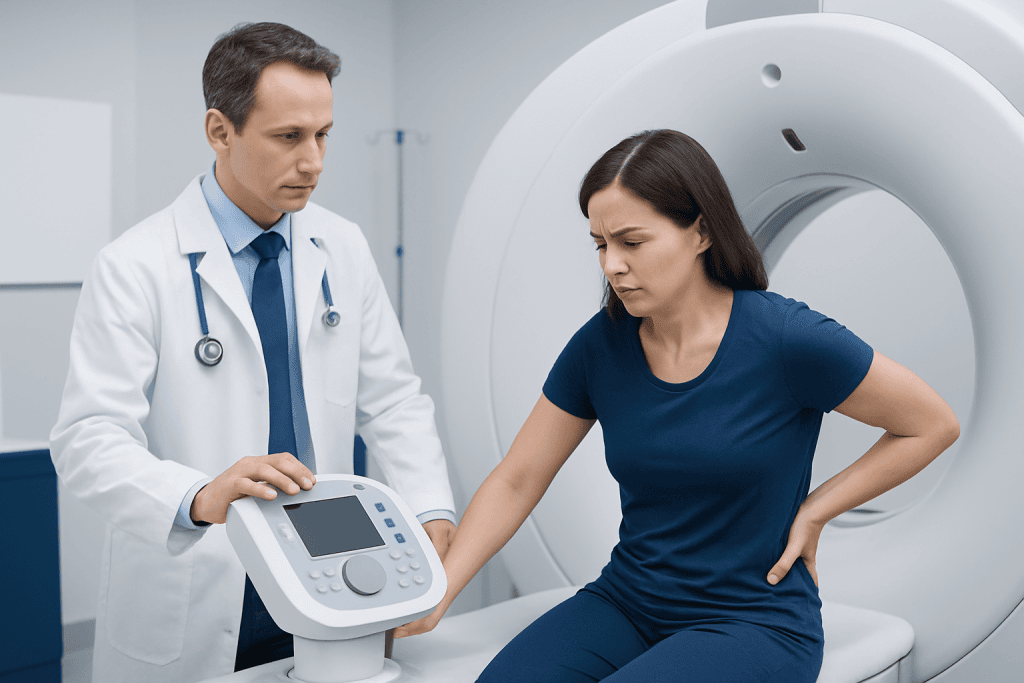
The most common herniated disc symptoms include back or neck pain, radiating arm or leg pain, numbness, tingling, and weakness. Pain may feel sharp, burning, electric, or aching. It often becomes worse with coughing, sneezing, sitting for long periods, bending, or lifting.
When a disc in the lower back affects the sciatic nerve, symptoms may include pain that starts in the lower back or buttock and travels down the back or side of the leg. This pattern is often called sciatica. Some people also notice pins-and-needles sensations in the calf or foot, or weakness when lifting the foot or standing on the toes.
If the herniated disc is in the neck, symptoms may include neck pain along with pain, tingling, or numbness that travels into the shoulder, arm, or fingers. Weak grip strength or difficulty lifting the arm can also occur. Symptoms may affect one side more than the other, depending on which nerve is involved.
- Local back or neck pain
- Pain spreading into the leg or arm
- Numbness or tingling
- Muscle weakness
- Symptoms that worsen with certain movements or positions
Causes and Risk Factors

Discs naturally change with age. Over time, they can lose water content, become less flexible, and develop small tears. This wear and tear, often called disc degeneration, makes a herniation more likely, even without a single major injury.
Sudden strain can also contribute. Lifting something heavy with poor body mechanics, twisting while carrying weight, repetitive bending, sports injuries, and falls may all trigger symptoms. In many people, though, pain begins during an ordinary daily activity and not after a dramatic event.
Several factors can increase risk. These include aging, smoking, excess body weight, jobs that involve repetitive lifting or vibration, prolonged sitting, and low levels of physical conditioning. Family history may also play a role, as some people appear more prone to disc problems than others.
Not all back or leg pain comes from a herniated disc. Muscle strain, spinal stenosis, hip problems, and other nerve conditions can cause similar symptoms. That is why a clinician considers the overall pattern of symptoms and the physical examination, rather than relying on one symptom alone.
How Doctors Diagnose It
Diagnosis starts with a medical history and physical examination. A doctor will ask where the pain is felt, whether it travels, what movements make it worse, and whether numbness or weakness is present. The examination may include checking reflexes, strength, sensation, posture, walking pattern, and specific maneuvers that stretch the affected nerve.
Imaging is not always needed right away. Many cases of back pain improve within a few weeks, and scans can show age-related disc changes that are not actually causing symptoms. However, imaging becomes more important if pain is severe, lasts longer than expected, follows significant trauma, or is accompanied by neurologic changes.
MRI is usually the preferred test because it shows discs, nerves, and soft tissues clearly. In some situations, CT scans or X-rays may be used to evaluate bone structures or rule out other causes. If symptoms suggest significant nerve involvement, doctors may also consider tests that assess nerve function.
A spine specialist aims to match imaging findings with the symptoms and exam. This is important because treatment decisions are based on the full clinical picture, not just the appearance of a disc on a scan. When needed, an advanced MRI scan can help confirm the diagnosis and guide next steps.
Treatment Options
Most people with a herniated disc improve without surgery. Early treatment often includes short-term activity modification, avoiding movements that sharply worsen pain, and gradually returning to normal activity as tolerated. Staying gently mobile is usually more helpful than prolonged bed rest, which can slow recovery.
Doctors may recommend pain-relieving medicines, anti-inflammatory medicines when appropriate, and physical therapy. Therapy often focuses on posture, flexibility, core strength, and body mechanics that reduce pressure on the spine. In selected cases, image-guided spinal injections may be considered to calm inflammation around an irritated nerve and support rehabilitation.
If severe pain, ongoing disability, or progressive weakness continues despite conservative care, surgery may be discussed. The goal is usually to relieve pressure on the affected nerve. Depending on the location and cause, this may involve procedures such as microdiscectomy or other forms of spine surgery.
Treatment is individualized. A person’s age, overall health, symptom severity, neurologic findings, and imaging results all matter. The best plan is one that balances symptom relief, function, and long-term spine health while avoiding unnecessary procedures.
Prevention and Self-care
It is not always possible to prevent a herniated disc, but healthy habits can lower the risk and support recovery. Regular exercise helps strengthen the muscles that support the spine. A balanced routine often includes walking or other low-impact aerobic activity, stretching, and exercises for the core and hips.
Good body mechanics are also important. Bending at the knees, keeping loads close to the body, avoiding twisting while lifting, and taking breaks from prolonged sitting can reduce stress on the discs. An ergonomic workstation and mindful posture during daily activities may also help.
Weight management and not smoking are beneficial for overall spine health. Smoking can impair blood flow to spinal tissues and may contribute to disc degeneration. During recovery, heat or cold packs, gradual movement, and following a therapist’s exercise plan can often make day-to-day symptoms more manageable.
Self-care should not replace medical advice when symptoms are intense or persistent. If pain keeps returning, interferes with sleep or work, or is paired with numbness or weakness, a professional evaluation is the safest way to identify the cause and choose the right treatment path.
When to See a Doctor
A person should seek medical care if back or neck pain lasts more than a few weeks, keeps coming back, or spreads into the arm or leg. Evaluation is also important if there is numbness, tingling, or weakness, especially when these symptoms make walking, lifting, or daily activities harder.
Certain symptoms need urgent medical attention. These include new loss of bowel or bladder control, numbness in the groin or inner thighs, fever with severe back pain, unexplained weight loss, pain after a major injury, or rapidly worsening weakness. These features can point to a more serious problem that requires prompt care.
It is also reasonable to ask for a spine evaluation when symptoms are not improving with rest, home care, or basic treatment. Early assessment can help clarify whether the issue is a herniated disc or another spinal condition such as spinal stenosis. Timely diagnosis may reduce unnecessary suffering and support a more targeted recovery plan.
For international patients who need coordinated care, Acibadem International’s multidisciplinary specialists in JCI-accredited hospitals diagnose and treat spinal conditions using individualized plans based on symptoms, examination findings, and imaging results.
Frequently asked questions
Can herniated disc symptoms go away on their own?
Yes. Many people improve over time with conservative treatment such as activity modification, physical therapy, and medicines recommended by a doctor. Symptoms often settle as inflammation around the nerve decreases, although recovery speed varies from person to person.
What does herniated disc pain usually feel like?
Pain can be sharp, burning, aching, or electric in nature. It may stay in the back or neck, or travel down an arm or leg if a nearby nerve is irritated. Some people also notice numbness, tingling, or weakness.
Is every slipped disc painful?
No. Some disc herniations cause no symptoms and are found incidentally on imaging. Symptoms usually happen when the disc affects a nearby nerve or causes significant inflammation.
When is leg pain more concerning than back pain?
Leg pain becomes more concerning when it is severe, travels below the knee, or is associated with numbness, tingling, or weakness. A doctor should also assess leg pain that lasts, worsens, or interferes with walking or daily function.
Do all herniated discs need surgery?
No. Most herniated discs are treated without surgery. Surgery is generally considered when there is persistent severe pain, clear nerve compression with weakness, or symptoms that do not improve with appropriate non-surgical care.
What are the red flags that need urgent care?
Urgent care is needed for new bowel or bladder control problems, numbness around the groin or inner thighs, rapidly worsening weakness, fever with severe back pain, or pain after major trauma. These symptoms can signal a condition that needs prompt medical evaluation.
References
- National Institute of Neurological Disorders and Stroke
- American Academy of Orthopaedic Surgeons
- National Health Service
- Mayo Clinic
This article is for general information only and is not a substitute for professional medical advice. Please consult a qualified doctor about your individual situation.
Joint and spine care in Turkey — expert assessment & treatment
JCI-accredited · board-certified surgeons · reply within 24h
Add us as a Preferred Source to see more of our trusted health content across Google Search, AI Overviews and Discover.