Herpes 1 Symptoms Women: Common Causes, Related Conditions, and When to See a Doctor

HSV-1 most often causes oral cold sores, although it can also infect the genital area. Many women with HSV-1 do not notice symptoms but can still carry the virus.
Key Takeaways
- HSV-1 most often causes oral cold sores, although it can also infect the genital area.
- Many women with HSV-1 do not notice symptoms but can still carry the virus.
- A first outbreak may cause blisters, pain, swollen glands, fever, or fatigue; later outbreaks are often milder.
- HSV-1 can spread through direct contact with saliva or skin, including kissing and oral sex, even when sores are not visible.
- A clinician can test a fresh sore to confirm herpes and rule out other causes of mouth or genital symptoms.
- Antiviral medicines can shorten or reduce outbreaks and help lower the chance of passing the virus to others.
Herpes simplex virus type 1 (HSV-1) commonly causes oral herpes, including cold sores around the lips, but it can also cause genital herpes through oral-genital contact. Herpes 1 symptoms in women range from tingling and small painful blisters to no symptoms at all, and testing can clarify the cause of new sores.
Overview: What Do Herpes 1 Symptoms Look Like in Women?
Herpes 1 symptoms in women most often involve the mouth and lips. HSV-1 is a very common virus that may cause clusters of small fluid-filled blisters, commonly called cold sores or fever blisters. Before a sore appears, there may be tingling, itching, burning, or tenderness in one area of the lip, mouth, nose, or nearby skin.
HSV-1 can also affect the genital area. This may happen after oral-genital contact with a partner who has oral HSV-1, including a partner with no visible cold sore. Genital HSV-1 may cause painful blisters or sores on the vulva, vagina, cervix, buttocks, thighs, or around the anus. However, many infections cause mild symptoms that are mistaken for irritation, shaving-related bumps, ingrown hairs, or another skin condition.
After entering the body, HSV-1 remains inactive in nearby nerve cells and may reactivate at times. Some people have repeated cold sores, while others never have another noticeable episode. Genital HSV-1 generally recurs and sheds virus less often than genital HSV-2, although either infection can be transmitted to another person.
Symptoms During a First HSV-1 Outbreak
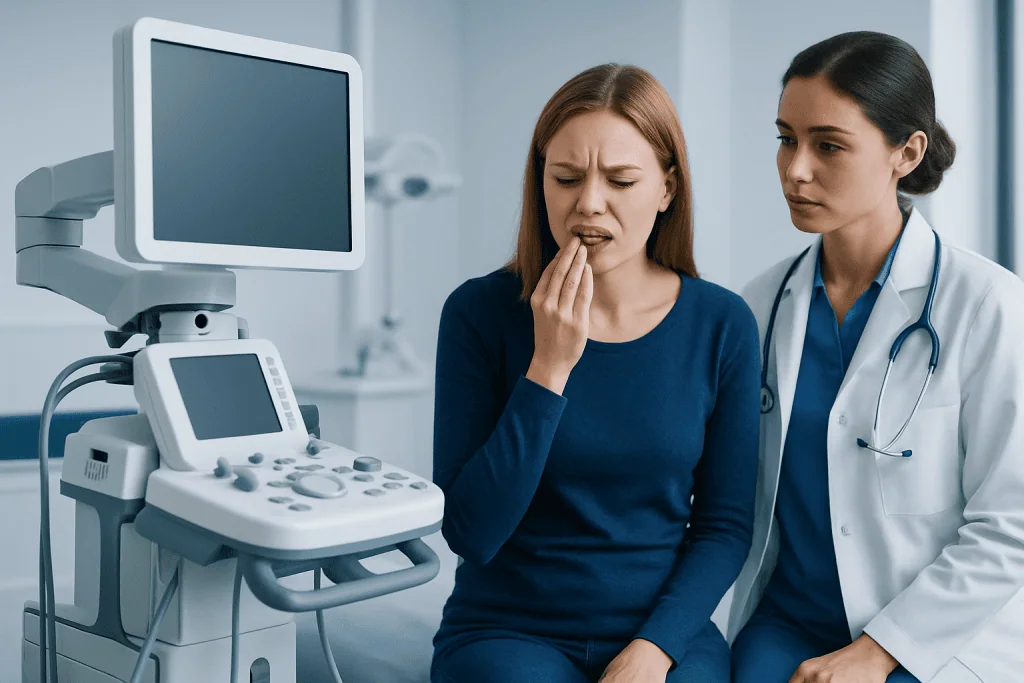
A first recognized HSV-1 outbreak can occur days, weeks, or even much later after the virus was acquired. Because HSV-1 may remain silent for a long time, a new outbreak does not reliably show when infection happened or which partner transmitted it. Symptoms also vary greatly from person to person.
Oral symptoms may begin with a burning or tingling sensation, followed by small blisters that break and form shallow sores or crusts. Sores can occur on the outer lip, the gums, roof of the mouth, tongue, cheeks, or around the nose. Mouth pain can make eating, drinking, brushing teeth, or talking uncomfortable.
Genital symptoms may include soreness, itching, burning, blisters, open sores, and pain when urine touches irritated skin. Some women also have vaginal discharge, tender groin lymph nodes, fever, body aches, headache, or fatigue during a first episode. Internal vaginal or cervical sores may not be visible without a medical examination.
- Tingling, itching, or burning before sores develop
- Small grouped blisters that may become shallow ulcers
- Pain, tenderness, or swelling around the mouth or genitals
- Discomfort with urination when genital skin is affected
- Fever or swollen lymph nodes, especially during a first outbreak
Why HSV-1 Develops and How It Spreads

HSV-1 spreads through direct contact with infected saliva, sores, or skin. It is often acquired through kissing or other close nonsexual contact, sometimes during childhood. It can also be passed during oral sex and cause genital infection. Sharing items that touch the mouth, such as lip products or utensils, is a less common route because the virus does not survive well away from the body, but direct contact remains the main concern.
Transmission is most likely when an active sore is present, especially when there is tingling or a new blister. Still, HSV-1 can occasionally be passed when the skin looks normal because of asymptomatic viral shedding. Condoms and dental dams can reduce risk during sexual contact, but they do not cover all potentially affected skin.
Outbreak triggers differ among individuals. Illness, stress, tiredness, sunlight exposure, lip injury, dental procedures, menstruation, and immune suppression may contribute to recurrent oral outbreaks in some people. A trigger does not mean a person has done anything wrong, and not everyone can identify a pattern.
Related Conditions and Why Symptoms Can Be Confusing
Not every blister, ulcer, or irritated area is herpes. Canker sores occur inside the mouth and are not caused by HSV-1 or spread through contact. Chapped lips, allergic reactions, acne, bacterial skin infections, fungal infections, shaving irritation, and ingrown hairs can also resemble cold sores or genital herpes. A clinician can assess the location, appearance, timing, and associated symptoms to narrow down the cause.
Genital herpes can be caused by HSV-1 or HSV-2. The appearance of sores alone cannot reliably distinguish the two types. HSV-2 more commonly causes recurrent genital infection, but laboratory testing is needed to identify the virus type and guide counseling about recurrence and transmission.
Other sexually transmitted infections, including syphilis, can also cause genital sores. For this reason, a person with a new genital ulcer, blister, or unexplained genital pain may benefit from a broader sexual health assessment. Testing is particularly important if symptoms are new, severe, recurrent, or accompanied by discharge, pelvic pain, fever, or urinary symptoms.
Diagnosis and What Testing Can Tell You
The most useful test for a suspected active herpes sore is usually a swab of a fresh blister or ulcer. The sample may be tested with a nucleic acid amplification test, often called PCR, which can detect HSV and identify whether it is HSV-1 or HSV-2. Testing works best early, before a lesion has fully healed or crusted.
A blood test can look for antibodies to HSV-1 or HSV-2. It may help in selected situations, but it cannot show where HSV-1 infection is located; a positive HSV-1 blood test could reflect an earlier oral infection rather than genital herpes. Blood tests may also be negative early after a new infection, before antibodies develop.
A healthcare professional may also consider testing for other infections when appropriate. It is helpful to avoid applying creams or picking at a new sore before assessment if possible, as this can make examination and swab collection more difficult. Photos of a sore taken when it first appears may be useful if it has healed before an appointment.
Treatment, Comfort Measures, and Reducing Transmission
There is currently no treatment that removes HSV-1 permanently from the body, but antiviral medicines can help control symptoms. A clinician may recommend oral antiviral treatment for a first outbreak, frequent recurrences, severe symptoms, or to reduce the likelihood of transmission in certain circumstances. Treatment decisions depend on the location of infection, symptom pattern, overall health, and pregnancy status.
For comfort, women can keep the affected area clean and dry, wear loose cotton underwear if genital skin is sore, and choose soft or cool foods if mouth sores make eating painful. Drinking enough fluids is important. Over-the-counter pain relief may be appropriate for some people, but a pharmacist or clinician can advise based on individual health needs and other medicines.
During tingling, blisters, or open sores, it is best to avoid kissing and oral, vaginal, or anal sexual contact involving the affected area until the skin has healed. Hands should be washed after touching a sore, and contact between a cold sore and the eyes should be avoided. Do not share lip balm, lipstick, razors, or other personal items that may touch an active lesion.
Acibadem International’s multidisciplinary specialists and JCI-accredited hospitals can assess herpes symptoms and provide individualized diagnostic and treatment guidance for international patients.
When to Seek Medical Care
Medical advice is recommended for a first episode of possible oral or genital herpes, particularly if there are painful blisters, ulcers, trouble urinating, fever, or symptoms that interfere with eating, drinking, sleep, or daily activities. Prompt assessment allows a fresh lesion to be tested and may allow antiviral treatment to be started early.
Urgent medical care is important for eye pain, eye redness, sensitivity to light, blurred vision, or a rash near the eye, as HSV can sometimes affect the eye and needs prompt specialist attention. People with weakened immune systems should also seek care quickly for suspected herpes symptoms because infections may be more severe or widespread.
Pregnant women who have new genital sores, genital burning, or a partner with known genital herpes should contact their obstetric care team. Genital herpes during pregnancy needs individualized medical guidance, especially when symptoms occur late in pregnancy. Newborns with blisters, poor feeding, unusual sleepiness, fever, or irritability need urgent medical assessment.
Frequently asked questions
Can HSV-1 cause genital herpes in women?
Yes. HSV-1 can cause genital herpes when it is transmitted to the genital area, most commonly through oral sex. Genital HSV-1 often causes fewer repeat outbreaks than genital HSV-2, but it can still be transmitted, including when no sores are visible.
What are the earliest herpes 1 symptoms in women?
Early symptoms can include tingling, itching, burning, or tenderness in a specific area before a blister appears. Some women notice only mild irritation or a small sore, while others develop more painful blisters and flu-like symptoms during a first outbreak.
Can a woman have HSV-1 without cold sores?
Yes. Many people with HSV-1 never develop noticeable cold sores or genital symptoms. Even without symptoms, the virus may occasionally shed from the skin or mouth and be passed through direct contact.
How can a doctor tell whether a sore is HSV-1 or HSV-2?
A swab test from a new blister or sore can identify HSV and determine whether it is type 1 or type 2. The visual appearance and location of a sore are not enough to reliably determine the type.
Can herpes 1 symptoms return during periods or stress?
Some women find that recurrent symptoms occur around menstruation, illness, emotional stress, fatigue, sun exposure, or local skin irritation. These factors may contribute to reactivation, but outbreaks can also occur without an obvious trigger.
Is HSV-1 dangerous during pregnancy?
Most pregnant women with an established HSV-1 infection have healthy pregnancies, but new genital herpes symptoms should always be discussed with an obstetric clinician. Care is especially important when a first genital infection occurs later in pregnancy, because management depends on the timing and symptoms.
References
- Centers for Disease Control and Prevention
- World Health Organization
- American Sexual Health Association
- American College of Obstetricians and Gynecologists
- Mayo Clinic
This article is for general information only and is not a substitute for professional medical advice. Please consult a qualified doctor about your individual situation.
Explore treatments in Turkey — costs, top hospitals & a free quote
JCI-accredited · board-certified surgeons · reply within 24h
Add us as a Preferred Source to see more of our trusted health content across Google Search, AI Overviews and Discover.