Herpes and Throat: An Evidence-Based Guide for Patients

Herpes can affect the mouth and throat, but it is a less common cause of sore throat than routine viral infections. Symptoms may include painful blisters or ulcers, fever, swollen glands, and pain with swallowing.
Key Takeaways
- Herpes can affect the mouth and throat, but it is a less common cause of sore throat than routine viral infections.
- Symptoms may include painful blisters or ulcers, fever, swollen glands, and pain with swallowing.
- Diagnosis often depends on the appearance of sores, medical history, and sometimes a swab test.
- Treatment focuses on symptom relief, hydration, and antiviral medicine when appropriate.
- Urgent care is important for dehydration, trouble breathing, severe pain, or symptoms in people with weakened immune systems.
Herpes and throat concerns usually refer to a herpes simplex virus infection affecting the mouth, tonsils, or throat area, which can cause painful sores and swallowing discomfort. However, most sore throats are caused by viruses other than herpes, so a medical evaluation may be needed when symptoms are severe, persistent, or unusual.
Overview: can herpes affect the throat?
Yes. When people ask about herpes and throat, they are usually asking whether herpes simplex virus can infect the mouth and extend to the throat, tonsils, or back of the mouth. The answer is yes, especially during a first oral herpes infection, but herpes is not the most common reason for a sore throat.
Herpes simplex virus type 1 (HSV-1) most often causes oral herpes, while HSV-2 is more commonly linked to genital herpes. Either type can affect the mouth or throat through close contact, including kissing or oral sexual contact. In some people, the infection causes visible blisters or ulcers; in others, symptoms are mild or may go unnoticed.
Because many conditions can cause throat pain, including colds, flu, strep throat, mononucleosis, and canker sores, herpes-related throat symptoms should be assessed in context. If symptoms are persistent, severe, or associated with dehydration or difficulty swallowing, a clinician can help confirm the cause and guide treatment.
How throat herpes may feel and look
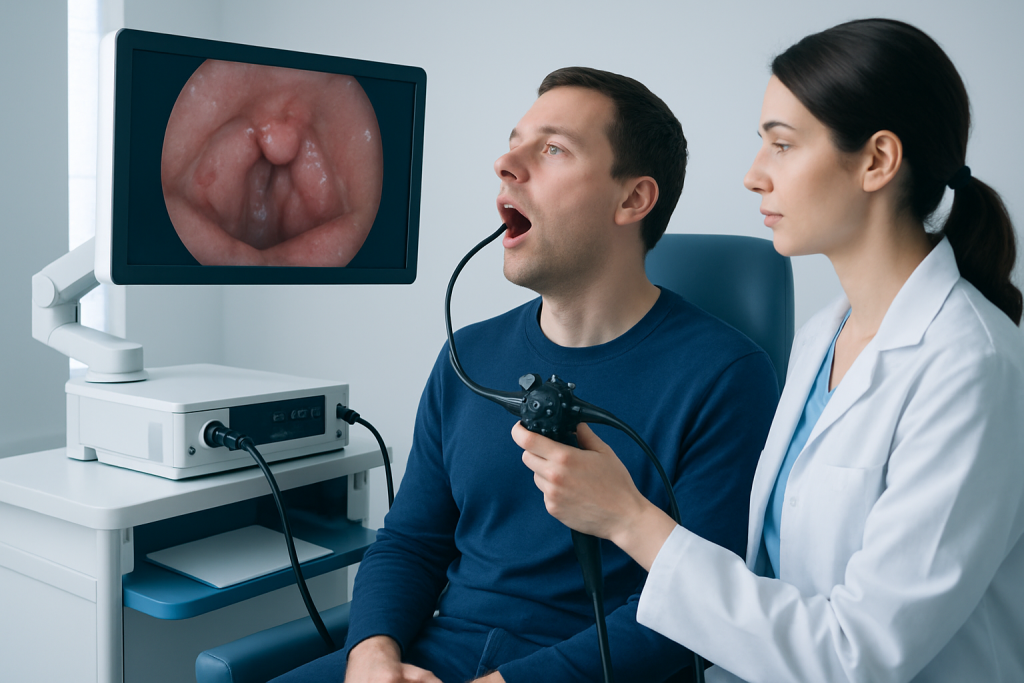
Herpes involving the throat often causes pain rather than the classic cold sore on the lip that many people recognize. A first infection may lead to a very sore mouth and throat, small fluid-filled blisters that break into shallow ulcers, swollen gums, bad breath, fever, body aches, and tender lymph nodes in the neck. Eating and drinking may become uncomfortable.
Some people develop sores on the tongue, inner cheeks, roof of the mouth, tonsils, or back of the throat. When the throat is involved, swallowing may feel sharp or burning. In children and young adults, primary HSV infection can sometimes cause a more widespread mouth inflammation called gingivostomatitis or pharyngotonsillitis.
Recurrent oral herpes is usually milder than a first episode. It commonly causes cold sores around the lips, but in some cases there may also be irritation in the mouth or throat. Typical symptoms can include:
- Painful mouth or throat sores
- Burning or tingling before sores appear
- Fever, especially with a first infection
- Swollen neck glands
- Pain with swallowing
- Reduced appetite or poor fluid intake
It is important to remember that a sore throat without mouth ulcers is more often caused by another virus or by bacterial infection. That is one reason medical diagnosis can matter when symptoms are intense or do not improve as expected.
Causes, transmission, and risk factors

Throat herpes is caused by the herpes simplex virus. HSV spreads through direct contact with saliva, skin, or mucous membranes, especially when sores are present. However, transmission can also happen when no visible sore is present, a process known as asymptomatic viral shedding.
HSV-1 is usually acquired through nonsexual oral contact, often in childhood or adolescence, but it can also spread through intimate contact. HSV-2 can reach the mouth and throat through oral-genital contact. After the first infection, the virus remains inactive in nearby nerve cells and may reactivate later, leading to recurrent symptoms.
Several factors can increase the chance of symptomatic infection or recurrence:
- Close contact with an infected person
- A weakened immune system
- Stress or physical illness
- Fatigue
- Mouth injury or dental procedures in some cases
- Sun exposure, which is more commonly linked with lip recurrences
People may also confuse herpes with other conditions that affect the throat or mouth. These include tonsillitis, hand-foot-and-mouth disease, aphthous ulcers, and other viral infections. A clinician may consider these possibilities before confirming that herpes is the cause.
How doctors diagnose herpes-related throat symptoms
Diagnosis begins with a history and physical examination. A doctor will ask when symptoms started, whether there has been fever or recent close contact with someone who has oral or genital herpes, and whether there are visible blisters or ulcers. The pattern and location of sores can provide useful clues.
When lesions are present, a swab from a sore may be tested for herpes simplex virus, often with a PCR-based test, which is more sensitive than older methods. Testing is most helpful early in the illness, when sores are fresh. Blood tests may show past exposure to HSV, but they do not always prove that current throat symptoms are caused by herpes.
If the presentation is not typical, the doctor may evaluate for other causes of throat pain, such as strep throat, influenza, COVID-19, mononucleosis, or fungal infection. In severe or recurrent cases, especially in people with immune suppression, referral to an ENT specialist or infectious disease specialist may be appropriate.
In hospital settings, patients with complex symptoms may undergo additional evaluation to rule out complications or alternative diagnoses. When needed, assessment can be coordinated with services such as ENT evaluation or infectious diseases care.
Treatment options and symptom relief
Treatment depends on how severe the infection is, how long symptoms have been present, and the person’s overall health. Many mild cases improve with supportive care, including fluids, soft foods, rest, and pain relief recommended by a doctor. Avoiding spicy, acidic, or rough-textured foods may reduce irritation while ulcers heal.
Antiviral medicines may shorten symptoms and reduce viral shedding, especially when started early in a first episode or during a recurrence. These medicines are prescribed based on individual factors such as age, symptom severity, immune status, and timing. In people with significant pain on swallowing, dehydration can become a concern, so maintaining fluid intake is important.
More severe infections may need closer medical supervision. This is particularly true for infants, older adults who cannot stay hydrated, and people with a weakened immune system. Occasionally, hospital treatment is needed for intravenous fluids or antiviral therapy if swallowing becomes too difficult or complications are suspected.
Anyone who has frequent recurrences should discuss prevention strategies with a clinician. In selected cases, a doctor may consider episodic or suppressive antiviral treatment. If related conditions need to be ruled out, evaluation may also involve oral herpes or other mouth and throat disorders.
Self-care, reducing spread, and prevention
Good self-care can make recovery more comfortable and help lower the risk of spreading HSV to others. During an active outbreak, people should avoid kissing, oral sexual contact, and sharing items that touch the mouth, such as lip balm, utensils, cups, or toothbrushes. Hand washing is especially important after touching the mouth area.
To ease symptoms at home, many people benefit from cool drinks, ice chips, gentle oral hygiene, and bland foods such as soups, yogurt, or smoothies if swallowing is comfortable. Tobacco and alcohol can irritate the mouth and throat further and are best avoided until healing occurs.
Prevention is not always possible because HSV can spread even without visible sores, but reducing direct contact during outbreaks is sensible. People who notice recurring episodes may identify personal triggers such as illness, stress, or lip sun exposure. Addressing these triggers may help reduce future flares, although it will not eliminate the virus from the body.
For people seeking coordinated assessment, Acibadem International’s multidisciplinary specialists in JCI-accredited hospitals diagnose and treat throat and oral infections for international patients when further evaluation is needed.
When to seek medical care
Medical advice is recommended if throat pain is severe, sores are widespread, or symptoms last longer than expected. A doctor should also assess anyone who cannot drink enough fluids, has repeated vomiting, develops signs of dehydration, or has worsening pain despite basic supportive care.
Urgent care is important if there is trouble breathing, an inability to swallow saliva, marked weakness, confusion, or severe dehydration. People with weakened immune systems, those receiving cancer treatment, transplant recipients, and very young children may need earlier evaluation because infections can become more serious.
It is also sensible to seek care when the diagnosis is uncertain. Many throat illnesses can look similar at first, and some require different treatment. Prompt assessment can help confirm whether herpes is involved and whether other conditions, including bacterial infection or another viral illness, need attention.
Frequently asked questions
Can herpes cause a sore throat without a cold sore on the lip?
Yes. Herpes can affect the inside of the mouth, tonsils, or throat without causing an obvious lip blister. This is more likely during a first infection, but a sore throat alone still has many other possible causes.
Is throat herpes usually HSV-1 or HSV-2?
HSV-1 is the most common cause of oral and throat herpes. However, HSV-2 can also affect the mouth and throat, especially after oral-genital contact.
How long do herpes-related throat symptoms last?
Many episodes improve within about 1 to 2 weeks, though a first infection can feel more intense and last longer than a recurrence. Recovery time varies depending on symptom severity, hydration, and whether antiviral treatment is started early.
Can antibiotics treat herpes in the throat?
No. Antibiotics do not treat viral infections such as herpes simplex virus. They may only be used if a doctor identifies a separate bacterial infection.
Is throat herpes contagious?
Yes. HSV can spread through close contact with saliva or oral secretions, especially when sores are present. It can also spread when there are no visible sores, which is why avoiding direct oral contact during outbreaks is important.
Can herpes in the throat come back?
Yes. After the first infection, HSV remains in the body and can reactivate later. Recurrent episodes are often milder than the initial infection, though the pattern varies from person to person.
This article is for general information only and is not a substitute for professional medical advice. Please consult a qualified doctor about your individual situation.
Explore treatments in Turkey — costs, top hospitals & a free quote
JCI-accredited · board-certified surgeons · reply within 24h
Add us as a Preferred Source to see more of our trusted health content across Google Search, AI Overviews and Discover.

More from the Health Library

Wrist Flexion: A Complete Medical Overview

Psychological Addiction: A Complete Medical Overview

Mean Corpusc. Hb. Conc.: A Complete Medical Overview

How much human blood in body? The Numbers, Explained by Clinicians

Benadryl for Sleep: A Complete Medical Overview

Pentoxifylline: A Complete Medical Overview
Otorhinolaryngology Specialists at Acibadem

Dr. Cüneyt Altunay
Otorhinolaryngology
Prof. Dr. Deniz Tuna Edizer
Otorhinolaryngology
Prof. Dr. Denizhan Dizdar
Otorhinolaryngology
Prof. Dr. Dilaver Özturan
Otorhinolaryngology