Herpes in Female Symptoms Explained: Common Triggers and Red Flags

Female genital herpes is usually caused by herpes simplex virus type 1 or type 2. Symptoms may include itching, burning, blisters, sores, swollen lymph nodes, and flu-like feelings during a first outbreak.
Key Takeaways
- Female genital herpes is usually caused by herpes simplex virus type 1 or type 2.
- Symptoms may include itching, burning, blisters, sores, swollen lymph nodes, and flu-like feelings during a first outbreak.
- Many women have very mild symptoms or none, so testing and clinical evaluation matter.
- Outbreaks can be triggered by illness, stress, friction, menstruation, or a weakened immune system.
- Antiviral treatment can shorten outbreaks, reduce symptoms, and lower the chance of passing the virus to others.
- Medical care is especially important during pregnancy, with severe pain, urinary difficulty, or a first suspected outbreak.
Herpes in female symptoms commonly include tingling, itching, small blisters or sores around the genitals, buttocks, or anus, and discomfort with urination. Symptoms can be obvious during a first outbreak, but many women have mild, mistaken, or no symptoms at all.
Overview: what herpes in female symptoms usually look like
Herpes in female symptoms most often refers to genital herpes caused by herpes simplex virus (HSV). In women, symptoms can affect the vulva, vagina, cervix, buttocks, anus, upper thighs, or the skin around these areas. The infection may be caused by HSV-2 or HSV-1, the same virus type often linked to cold sores.
One reason this topic can feel confusing is that genital herpes does not always look dramatic. Some women develop painful blisters and open sores, especially during the first outbreak. Others notice only mild itching, a small crack in the skin, irritation that feels like razor burn, or discomfort when urine touches the area. In some cases, there are no noticeable symptoms at all.
Symptoms also tend to change over time. A first episode is often more intense and may come with body-wide symptoms such as fever, swollen glands, or fatigue. Later recurrences are usually shorter and milder, though this varies from person to person. Because symptoms can overlap with yeast infections, urinary tract infections, ingrown hairs, or skin irritation, professional assessment is often needed.
Common symptoms in women
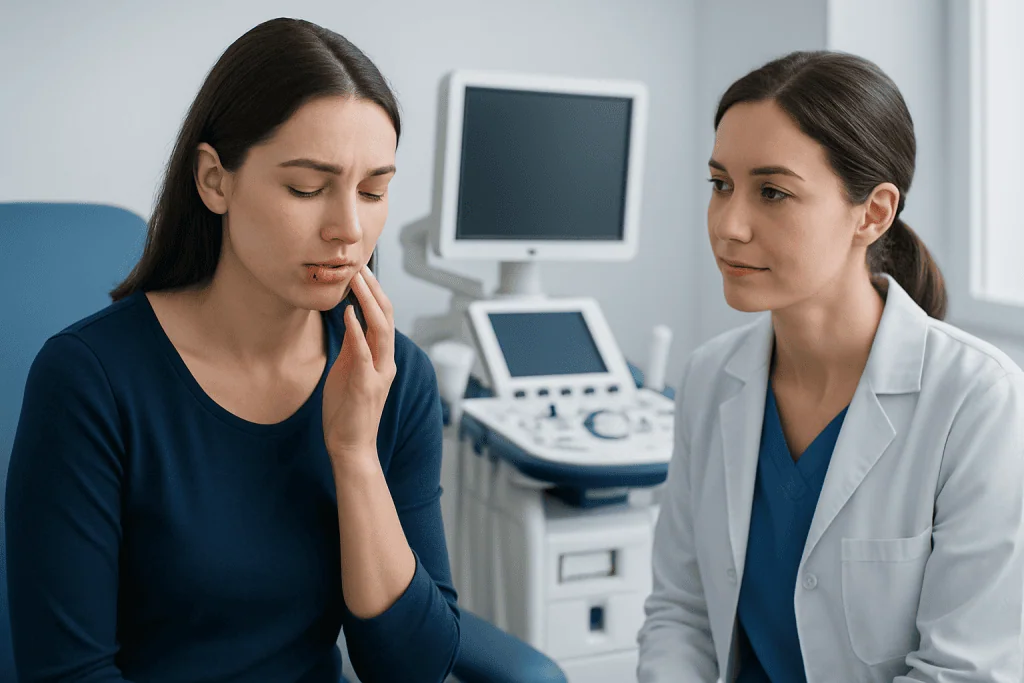
The most recognized signs are clusters of small blisters that break into shallow sores or ulcers. These can appear on the labia, around the vaginal opening, on the perineum, near the anus, or on nearby skin. The area may feel tender, itchy, warm, or painful before sores become visible.
Other common symptoms include burning during urination, pelvic discomfort, unusual sensitivity of the genital skin, and pain during sexual activity. Some women notice a change in vaginal discharge, although discharge alone does not confirm herpes. If the cervix is affected, symptoms may be subtle and only identified during an examination.
A first outbreak can also cause general symptoms that feel similar to a viral illness. These may include fever, headache, muscle aches, swollen lymph nodes in the groin, and marked fatigue. A brief warning phase, called a prodrome, may happen before an outbreak and can include tingling, shooting pains, itching, or burning in the genital or buttock area.
- Itching, tingling, or burning in the genital area
- Small blisters that become painful sores
- Painful urination, especially if urine touches sores
- Tenderness around the vulva, vagina, anus, or buttocks
- Swollen groin lymph nodes
- Flu-like symptoms during an initial outbreak
How symptoms can vary by stage and body area
Female genital herpes symptoms do not appear in exactly the same way in every person. During a first infection, lesions may be more widespread and healing can take longer. Sores may appear externally on the vulva and nearby skin, but they can also occur inside the vagina or on the cervix, where they are harder to notice without a medical examination.
Recurrent outbreaks are often more limited. Some women get one sore in the same area each time, while others mainly notice tingling or burning without obvious blisters. Symptoms may last several days to a couple of weeks, and recurrences often heal faster than the initial episode.
Location affects how symptoms feel. Sores near the urethra can make urination painful. Lesions near the anus may cause soreness with bowel movements and can sometimes be confused with hemorrhoids or skin fissures. Because several conditions can mimic genital herpes, including vaginal infections and dermatitis, diagnosis should rely on a clinician rather than appearance alone.
Common triggers and risk factors
After the first infection, HSV stays in the body in a resting state and may reactivate later. Reactivation is often called an outbreak or recurrence. Not every woman can identify a trigger, but several factors are commonly linked with symptoms returning.
Possible triggers include emotional stress, another illness such as a cold or flu, fever, poor sleep, friction from sexual activity, skin irritation, menstruation, and anything that weakens the immune system. In some people, sun exposure is a trigger for oral herpes, while genital recurrences are more often associated with local friction or general stress on the body.
Risk is higher with unprotected sexual contact, having a partner with HSV, or exposure from a partner who has no obvious sores but is still shedding virus. Genital herpes can be caused by HSV-1 through oral-genital contact as well as by HSV-2 through genital contact. This is why prevention focuses not only on avoiding visible sores but also on safer sex practices and honest partner communication.
How herpes is diagnosed
Diagnosis begins with a medical history and physical examination. A clinician will ask about the pattern of symptoms, timing, sexual exposure, previous outbreaks, and whether there are any warning sensations before sores appear. If visible lesions are present, the most helpful test is usually a swab from a fresh sore for laboratory testing, often by PCR.
Blood tests can sometimes help identify past exposure to HSV-1 or HSV-2, especially when symptoms are absent or lesions are no longer present. However, blood tests do not always show where the infection is located, and results may need careful interpretation. For this reason, test choice depends on the situation.
Doctors may also consider other causes of genital sores or irritation, including yeast infection, bacterial infection, contact dermatitis, aphthous ulcers, and other sexually transmitted infections. If symptoms overlap with urinary or pelvic complaints, evaluation may include tests to rule out other conditions such as urinary tract infection. In selected cases, a gynecologic assessment may be appropriate, and some patients may need gynecology evaluation or STI screening as part of a broader care plan.
Treatment options and living with the condition
There is no cure that removes HSV from the body, but treatment can help control symptoms and reduce the chance of transmission. Antiviral medicines are the main treatment. They may be used during an outbreak to shorten healing time and lessen pain, or taken regularly as suppressive therapy if outbreaks are frequent or transmission reduction is a priority.
Supportive care also matters. Gentle cleansing, loose cotton underwear, avoiding harsh soaps or fragranced products, and using simple pain-relief measures recommended by a doctor can make outbreaks easier to tolerate. Keeping the area dry and avoiding friction may also help while sores heal.
Living with genital herpes often involves practical planning rather than constant illness. Patients are usually advised to avoid sexual contact during active symptoms, discuss HSV status with partners, and use barrier protection because transmission can occur even when sores are absent. If symptoms are severe, recurrent, or difficult to confirm, referral to specialists in infectious diseases, dermatology, or women’s health may be helpful. When symptoms need a broader assessment of sexual and reproductive health, care may also involve women’s health services.
Prevention, self-care, and reducing transmission
Prevention focuses on lowering exposure risk and recognizing early signs of recurrence. Condoms and dental dams reduce, but do not completely eliminate, the chance of transmission because HSV can affect nearby skin not covered by a barrier. Avoiding sexual contact during outbreaks and during prodromal symptoms such as tingling or burning is especially important.
For women who know their personal triggers, self-care can reduce recurrences. Strategies may include managing stress, protecting sleep, treating other illnesses promptly, avoiding irritating products, and reducing friction if that seems to bring on symptoms. Taking prescribed suppressive antiviral therapy can be an important prevention tool for some patients.
Pregnancy deserves special attention. A pregnant woman with known or suspected herpes should inform her obstetric team, especially if symptoms occur late in pregnancy. This helps clinicians plan monitoring and delivery decisions that reduce risk to the baby. Near the end of the care journey, some international patients seek coordinated specialist input; Acibadem International’s multidisciplinary specialists in JCI-accredited hospitals diagnose and treat conditions such as genital herpes and related gynecologic concerns for international patients.
When to seek medical care
Medical care is recommended for a first suspected outbreak, because early diagnosis improves treatment decisions and helps rule out other causes of sores or pain. Care is also important if symptoms are severe, if urination becomes very painful, or if sores are spreading, not healing, or returning frequently.
Urgent evaluation is appropriate if a woman cannot pass urine normally, has high fever, severe weakness, extensive genital pain, signs of dehydration, or symptoms during pregnancy. People with weakened immune systems should seek timely medical advice because outbreaks can be more severe or prolonged.
Even when symptoms seem mild, a doctor can help confirm whether herpes is the cause and discuss testing, treatment, partner protection, and pregnancy planning. Persistent genital symptoms should not be self-diagnosed. Several conditions can look similar, and appropriate care starts with a clear diagnosis.
Frequently asked questions
What are the first herpes in female symptoms?
Early symptoms often include tingling, itching, burning, or tenderness in the genital area. Within hours to days, small blisters or sores may appear, and the first outbreak may also cause fever, swollen glands, and body aches.
Can a woman have genital herpes without visible sores?
Yes. Some women have very mild symptoms, such as irritation, a tiny skin split, or brief burning, and some have no noticeable symptoms at all. Even without visible sores, the virus can still sometimes be passed to a partner.
How long do female herpes symptoms last?
A first outbreak often lasts longer than later recurrences and may take days to a few weeks to fully heal. Recurrent episodes are usually shorter and milder, but timing varies from person to person.
What can trigger herpes outbreaks in women?
Common triggers include stress, illness, poor sleep, menstruation, friction in the genital area, and conditions that weaken the immune system. Not everyone can identify a clear trigger, and outbreaks may still happen occasionally without an obvious reason.
How is genital herpes different from a yeast infection or UTI?
Genital herpes more often causes tingling, blisters, and painful sores, while yeast infections commonly cause itching with a thick discharge and UTIs usually cause urinary burning and urgency. However, symptoms can overlap, so testing or an examination may be needed to tell them apart.
Should a woman with herpes symptoms see a doctor right away?
Yes, especially if it is the first suspected outbreak, if there is severe pain, difficulty urinating, or if the person is pregnant. Early evaluation helps confirm the diagnosis, start treatment when useful, and rule out other conditions.
References
- Centers for Disease Control and Prevention
- World Health Organization
- American College of Obstetricians and Gynecologists
- National Health Service
- Mayo Clinic
This article is for general information only and is not a substitute for professional medical advice. Please consult a qualified doctor about your individual situation.
Explore treatments in Turkey — costs, top hospitals & a free quote
JCI-accredited · board-certified surgeons · reply within 24h
Add us as a Preferred Source to see more of our trusted health content across Google Search, AI Overviews and Discover.