

Herpes Rash: Common Causes, Related Conditions, and When to See a Doctor

A herpes rash often appears as grouped blisters, sores, or a painful band-like rash. Not every blistering rash is herpes, so medical evaluation may be needed for an accurate diagnosis.
Key Takeaways
- A herpes rash often appears as grouped blisters, sores, or a painful band-like rash.
- Not every blistering rash is herpes, so medical evaluation may be needed for an accurate diagnosis.
- Herpes simplex and shingles are related but different conditions with different patterns and risks.
- Antiviral treatment may help most when started early, especially for shingles or a first herpes outbreak.
- Urgent care is important if the rash affects the eyes, is widespread, or occurs in pregnancy or weakened immunity.
A herpes rash is usually a cluster of blisters or sores caused by a herpes virus, most commonly herpes simplex virus or varicella-zoster virus, which causes shingles. The appearance, location, pain level, and timing of the rash can help doctors identify the cause and guide treatment.
Overview: What a herpes rash usually means
A herpes rash usually refers to a skin eruption caused by a member of the herpes virus family. In everyday use, people may use the term for cold sores, genital herpes, or shingles. These conditions are not identical, but they can all produce blisters, sores, crusting, burning, or pain on the skin.
The two most common explanations are herpes simplex virus (HSV), which causes oral or genital herpes, and varicella-zoster virus, which causes chickenpox and later can reactivate as shingles. A doctor considers where the rash appears, whether it is painful or itchy, whether blisters are grouped together, and whether there are symptoms such as tingling, fever, or swollen lymph nodes.
Because many skin conditions can mimic herpes, including eczema, impetigo, allergic rashes, insect bites, fungal infections, and contact dermatitis, it is important not to assume the cause based on appearance alone. An accurate diagnosis matters because treatment, contagiousness, and follow-up are different for each condition.
What a herpes rash can look and feel like
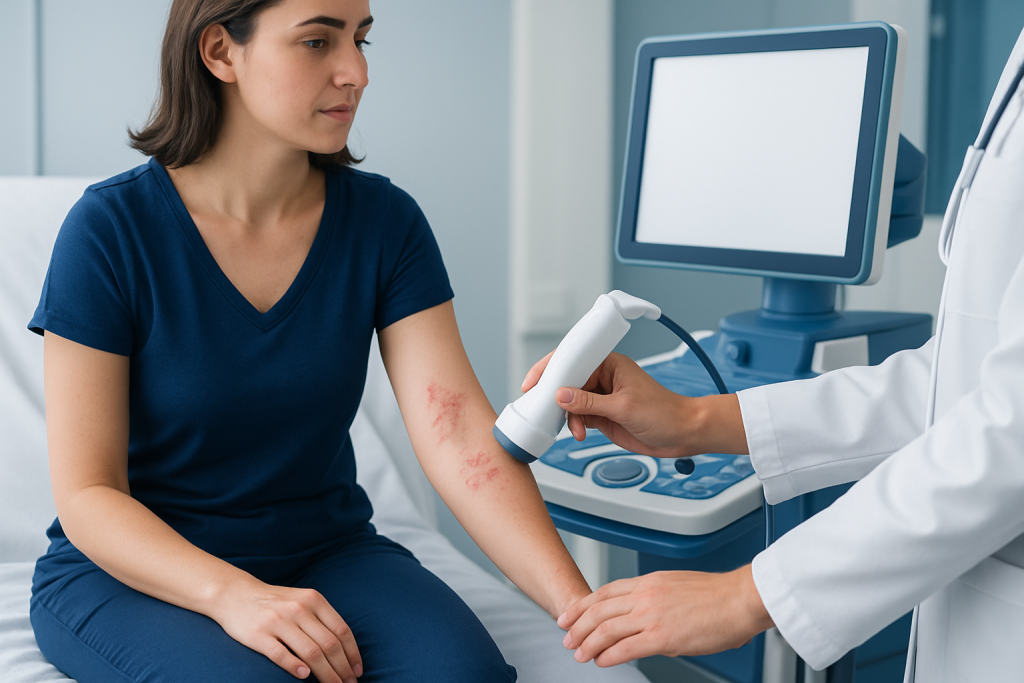
A herpes rash often begins with tingling, burning, stinging, itching, or tenderness before the skin changes become obvious. Then small fluid-filled blisters may appear, sometimes in clusters. These blisters can break open, form shallow sores, and later crust over as they heal.
HSV rashes commonly affect the lips, mouth area, genital area, buttocks, or nearby skin. They may recur in the same general location. Shingles is more likely to cause a stripe or band of rash on one side of the body or face, often with significant pain, sensitivity, or a deep burning sensation.
Symptoms can vary from mild to more noticeable. Some people have only a few lesions, while others have widespread irritation, fever, fatigue, or enlarged lymph nodes, especially during a first HSV outbreak. In shingles, nerve pain can start before the rash and may continue after the skin heals in some people.
- Grouped blisters or sores
- Burning, tingling, or pain before the rash
- Crusting as lesions heal
- A one-sided band-like rash in shingles
- Tender or swollen nearby lymph nodes
Common causes and related conditions
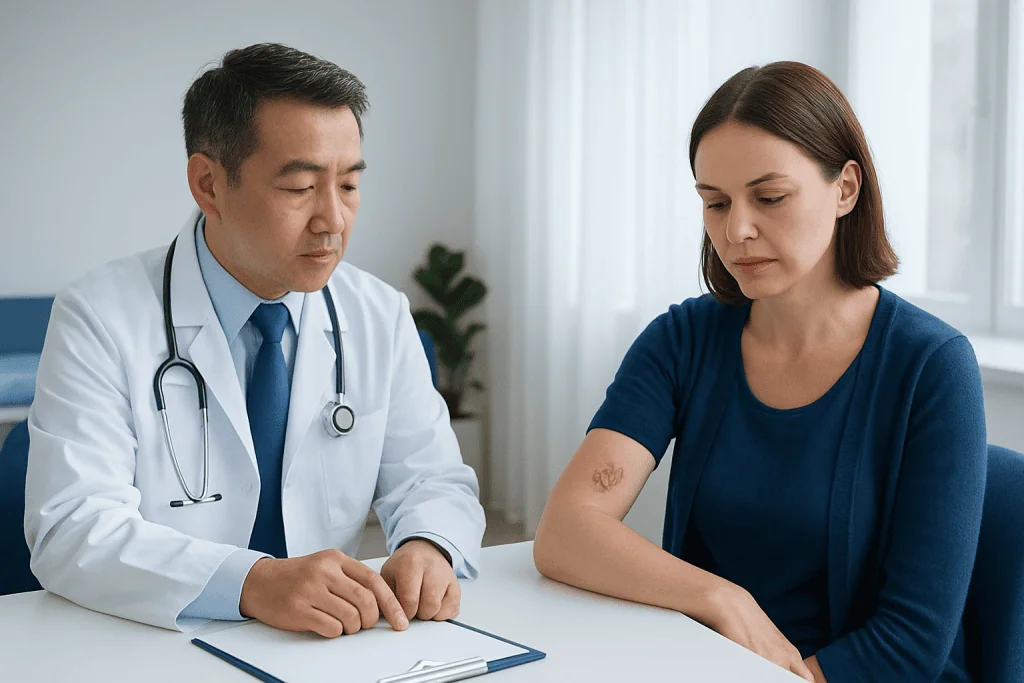
The term herpes rash most often relates to two viral conditions. Herpes simplex virus causes oral herpes and genital herpes. HSV-1 is commonly associated with cold sores, though it can also affect the genital area. HSV-2 more often causes genital herpes, though the viruses can overlap in location. For readers wanting more background, this may be discussed alongside genital herpes or oral herpes in clinical settings.
Varicella-zoster virus is another herpes-family virus. After a person has chickenpox, the virus remains inactive in nerve tissue and can reactivate years later as shingles. Shingles usually appears on one side of the body and can be more painful than a typical HSV outbreak.
Several non-herpes conditions can resemble herpes rashes. These include hand-foot-and-mouth disease, dermatitis, bacterial skin infections, aphthous ulcers, folliculitis, and some sexually transmitted infections. This is one reason laboratory testing may be useful when the diagnosis is uncertain, symptoms are severe, or treatment decisions depend on confirmation.
Some triggers can make HSV outbreaks more likely, including illness, stress, fever, sun exposure, friction, menstruation, or a weakened immune system. Shingles is more likely with increasing age or reduced immune function, but it can happen in otherwise healthy adults as well.
Who is at higher risk and what complications can occur
Anyone can develop a herpes rash, but some people have higher risk of more severe disease. This includes newborns, pregnant people, older adults, people receiving chemotherapy, transplant recipients, and those with immune suppression from illness or medication. In these groups, faster evaluation is especially important.
Complications depend on the cause and location. HSV near the eye can lead to eye infection and possible vision problems if not treated promptly. Genital herpes can cause painful urination, recurrent outbreaks, and increased risk of transmitting infection to sexual partners. During pregnancy, special medical guidance is important because timing and management can affect delivery planning.
Shingles can be complicated by lingering nerve pain called postherpetic neuralgia. If shingles involves the face, ear, or eye area, complications can include hearing, balance, facial movement, or vision problems. A widespread rash, severe pain, fever, or confusion needs urgent medical assessment.
How doctors diagnose a herpes rash
Doctors often diagnose a herpes rash by taking a careful history and examining the skin. They ask when symptoms started, whether there was tingling or pain before the rash, where the lesions are located, whether similar episodes happened before, and whether there are systemic symptoms such as fever or fatigue.
If the diagnosis is not clear, a clinician may take a sample from a lesion for laboratory testing. This can help distinguish HSV from other infections and is especially helpful in early lesions. Blood tests may sometimes be used to look for antibodies, but they are not always the best test for identifying the immediate cause of a current rash.
When symptoms suggest eye involvement, doctors may recommend urgent ophthalmic evaluation. If shingles is suspected in a high-risk person or if pain is severe, early assessment is useful because treatment works best when started promptly. In some cases, specialists in dermatology, infectious diseases, gynecology, urology, or neurology may be involved.
Treatment options and symptom relief
Treatment depends on which herpes virus is involved, how severe the symptoms are, and the person’s general health. Antiviral medicines are commonly used for HSV and shingles. These medicines do not remove the virus from the body, but they can shorten the course of illness, reduce symptom severity, and lower the chance of some complications when started early.
Supportive care can also help. Gentle skin care, keeping the affected area clean and dry, avoiding scratching, and using measures recommended by a clinician for pain relief can improve comfort while the rash heals. For recurrent HSV, some people benefit from a discussion about episodic treatment during flare-ups or longer-term suppression if outbreaks are frequent.
If genital lesions, pain, or recurrent outbreaks are a concern, a specialist may recommend evaluation and treatment planning that can include care for genital-area lesions when the diagnosis is uncertain or overlapping skin conditions are present. Persistent facial pain, headache, or nerve-related symptoms may sometimes lead to broader assessment, and in selected cases doctors may use advanced imaging evaluation to investigate alternative causes of symptoms rather than the rash itself.
Acibadem International’s multidisciplinary specialists and JCI-accredited hospitals diagnose and treat herpes-related conditions for international patients when specialist evaluation is needed.
Prevention, self-care, and reducing spread
Self-care begins with avoiding direct contact with active sores or blisters. Hands should be washed after touching the rash or applying any prescribed treatment. Personal items such as lip balm, towels, razors, or underwear should not be shared while lesions are present.
For HSV, avoiding close skin-to-skin contact during active outbreaks can reduce transmission. People with genital herpes may wish to discuss partner protection, disclosure, and preventive strategies with their doctor. For oral herpes, sun protection on the lips may help some people who notice sun exposure as a trigger.
Shingles prevention includes vaccination for eligible adults according to national guidance. The shingles vaccine does not treat an active rash, but it can reduce the risk of future episodes and complications. General measures that support health, such as adequate rest and managing chronic conditions, can also be helpful, although they do not replace medical treatment when a rash appears.
When to seek medical care
Medical care should be sought promptly if a herpes rash is new, very painful, spreading quickly, or associated with fever, severe headache, weakness, confusion, or dehydration. Care is also important if the rash occurs during pregnancy, in a newborn, or in someone with a weakened immune system.
Urgent evaluation is especially important if the rash is near the eyes, inside the mouth with trouble drinking, on the face with ear pain, or if there is difficulty urinating. A clinician should also assess any genital rash when the diagnosis is uncertain, because several infections and inflammatory skin conditions can look similar but require different treatment.
If sores keep returning, last longer than expected, or do not improve with treatment, follow-up is sensible. A qualified doctor can confirm whether the rash is herpes, rule out other causes, and discuss the most appropriate next steps, including specialist referral when needed.
Frequently asked questions
Is every herpes rash sexually transmitted?
No. Some herpes rashes are caused by oral herpes or shingles, which are not the same as a sexually transmitted infection. Genital herpes can be sexually transmitted, but a doctor may need to examine or test the rash to identify the exact cause.
What is the difference between herpes rash and shingles?
A herpes simplex rash often causes clusters of blisters around the mouth or genital area and may recur. Shingles usually causes a painful, one-sided band or patch of rash on the body or face after reactivation of the chickenpox virus.
Can a herpes rash go away on its own?
Some mild HSV outbreaks and many shingles rashes eventually heal, but that does not mean medical advice is unnecessary. Early treatment may reduce symptoms, shorten illness, and lower the risk of complications, especially for shingles or first episodes.
How long does a herpes rash usually last?
The duration varies by cause, severity, and treatment timing. Some HSV outbreaks improve within days to a couple of weeks, while shingles often takes longer and may leave nerve pain behind even after the skin looks better.
When is a herpes rash an emergency?
Urgent care is needed if the rash affects the eyes, causes severe pain, spreads widely, or occurs with confusion, high fever, dehydration, or breathing difficulty. A rash in a newborn, during pregnancy, or in someone with a weakened immune system also needs prompt medical attention.
Can other skin conditions look like herpes?
Yes. Eczema, bacterial infections, fungal infections, allergic reactions, folliculitis, aphthous ulcers, and other sexually transmitted infections can resemble herpes. That is why testing may be recommended when the appearance is not typical or the location raises other possibilities.
References
- Centers for Disease Control and Prevention
- World Health Organization
- National Institute of Allergy and Infectious Diseases
- American Academy of Dermatology
- National Health Service
This article is for general information only and is not a substitute for professional medical advice. Please consult a qualified doctor about your individual situation.
Explore treatments in Turkey — costs, top hospitals & a free quote
JCI-accredited · board-certified surgeons · reply within 24h
Add us as a Preferred Source to see more of our trusted health content across Google Search, AI Overviews and Discover.

More from the Health Library



Related Specialists

Dr. Serap Gülşeni
Check Up & Wellness Center
Assoc. Prof. Dr. Halil Kara
General Surgery
Ceyhun Cesur
Aesthetic Plastic & Reconstructive Surgery
Prof. Dr. Emel Güngör
Dermatology