Herpes Simplex Encephalitis: What to Expect From Emergency Diagnosis and Treatment

Herpes simplex encephalitis is a medical emergency and needs urgent hospital care. Common signs include fever, confusion, headache, seizures, and changes in behavior or awareness.
Key Takeaways
- Herpes simplex encephalitis is a medical emergency and needs urgent hospital care.
- Common signs include fever, confusion, headache, seizures, and changes in behavior or awareness.
- Doctors usually start antiviral treatment quickly, often before all test results are back.
- MRI, lumbar puncture, and PCR testing of spinal fluid help confirm the diagnosis.
- Recovery can take time, and some people need rehabilitation for memory, speech, or movement problems.
Herpes simplex encephalitis is a rare but serious infection that causes inflammation in the brain, usually due to herpes simplex virus type 1. Fast recognition, emergency diagnosis, and prompt antiviral treatment are essential to protect brain function and support recovery.
Overview
Herpes simplex encephalitis is an infection of the brain caused by the herpes simplex virus, most often herpes simplex virus type 1 (HSV-1). This virus is common in the general population and often causes oral cold sores, but in rare cases it can travel to the brain and lead to severe inflammation. When this happens, it is called encephalitis.
This condition is considered a medical emergency because brain inflammation can develop quickly and may affect memory, speech, behavior, consciousness, and other vital functions. Without urgent treatment, complications can become serious. Early care improves the chance of survival and can reduce the risk of long-term neurological problems.
Herpes simplex encephalitis can affect adults and children. It may happen in someone with no recent history of cold sores, so the absence of visible herpes lesions does not rule it out. Although rare, it is one of the most important treatable causes of sporadic viral encephalitis.
People with symptoms suggesting encephalitis are usually assessed in an emergency setting. Specialists in neurology, infectious diseases, intensive care, and radiology may work together to confirm the diagnosis and begin treatment as fast as possible.
Symptoms and Early Warning Signs
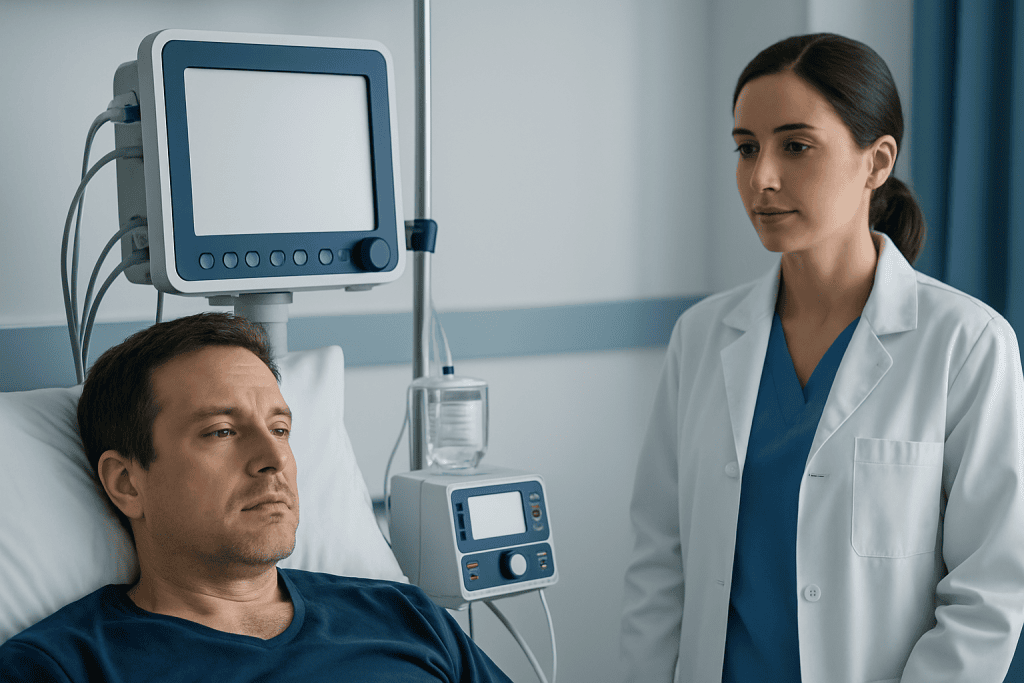
The symptoms of herpes simplex encephalitis often begin over hours to a few days. Early features may seem like a general infection at first, such as fever, headache, tiredness, or feeling unwell. As brain inflammation increases, symptoms usually become more specific and more urgent.
Common symptoms include confusion, unusual behavior, personality change, drowsiness, trouble speaking, memory problems, seizures, and weakness. Some people become less responsive or develop a reduced level of consciousness. Because HSV often affects the temporal lobes of the brain, speech, memory, and behavior changes can be especially noticeable.
Symptoms can vary by age and overall health. Older adults may present mainly with confusion or reduced alertness. Children may show irritability, poor feeding, sleepiness, or seizures. In severe cases, swelling in the brain can lead to life-threatening complications and the need for intensive monitoring.
- Fever and severe headache
- Confusion or disorientation
- Changes in behavior or personality
- Speech or memory difficulties
- Seizures
- Drowsiness or loss of consciousness
Causes and Risk Factors
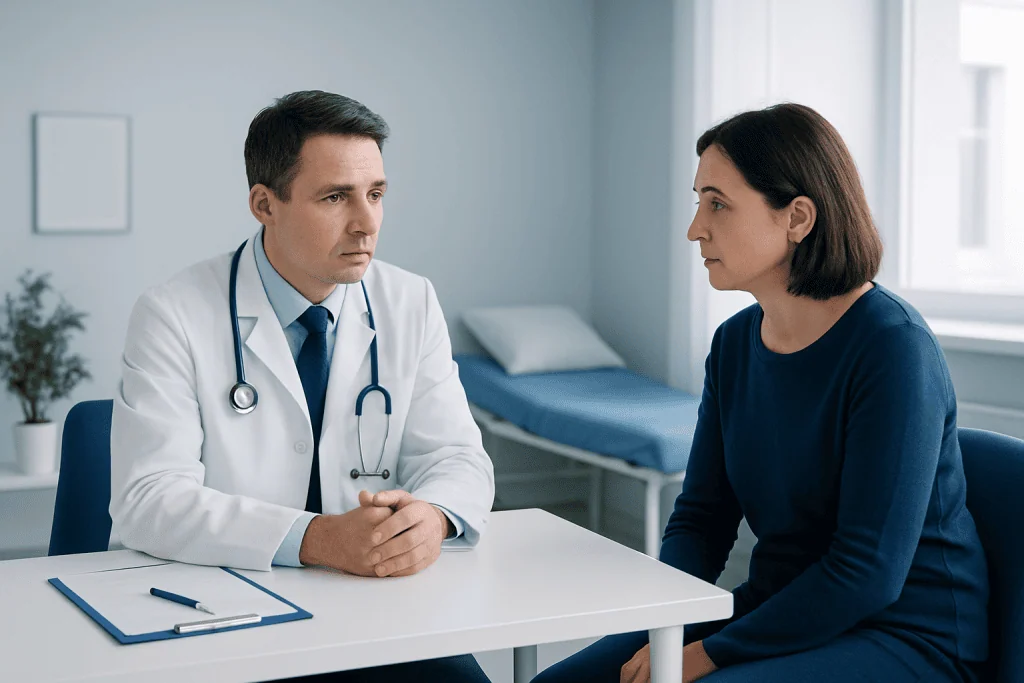
Most cases are caused by HSV-1, the virus more commonly linked to oral herpes. Less often, herpes simplex virus type 2 (HSV-2), which is more often associated with genital herpes, may be involved. The virus may reach the brain during a first infection or, more commonly, through reactivation of a virus already dormant in the body.
Doctors do not always know why herpes simplex virus affects the brain in a small number of people. It can happen in otherwise healthy individuals. Some people may have immune system problems that make serious infection more likely, but herpes simplex encephalitis should not be considered only a disease of immunocompromised patients.
Risk factors are not always clear-cut, but age extremes, weakened immunity, and previous herpes infection may play a role. Still, many patients have no obvious warning factor before they become unwell. That is why clinicians rely heavily on symptoms, examination findings, and urgent testing rather than waiting for a known risk profile.
It is also important to distinguish herpes simplex encephalitis from other neurological emergencies such as <a href="https://acibademinternational.com/diseases/bacterial-meningitis/”>bacterial meningitis, autoimmune encephalitis, stroke, or brain tumor-related symptoms. These conditions can overlap in their early presentation, so rapid specialist assessment is essential.
Emergency Diagnosis
Diagnosis begins with urgent clinical assessment. Doctors review the timeline of symptoms, perform a neurological examination, and evaluate for fever, neck stiffness, seizures, or reduced consciousness. Because delay can be harmful, treatment is often started immediately if herpes simplex encephalitis is strongly suspected, even before every test result is available.
Brain imaging is usually arranged early, often with MRI because it can show changes typical of encephalitis, especially in the temporal lobes. A CT scan may also be used at the start, particularly to rule out bleeding, swelling, or other urgent brain problems before a lumbar puncture.
A lumbar puncture, also called a spinal tap, is a key test. It allows doctors to collect cerebrospinal fluid and look for signs of inflammation. The most important confirmatory test is PCR, which detects herpes simplex viral genetic material in the spinal fluid. Blood tests, an electroencephalogram, and repeated imaging may also be helpful when the diagnosis remains uncertain.
Sometimes the first PCR test can be negative early in the illness, especially if symptoms have just started. If suspicion remains high, doctors may repeat the lumbar puncture and continue antiviral treatment. In complex cases, a broader neurological work-up may be needed to distinguish encephalitis from conditions such as epilepsy or autoimmune disorders.
Treatment Options in Hospital
The main treatment for herpes simplex encephalitis is intravenous antiviral medicine, usually acyclovir, given urgently in hospital. Doctors generally begin it as soon as the condition is suspected because early treatment is strongly linked with better outcomes. Treatment is usually continued for a defined course based on the person’s progress and test results.
Supportive care is equally important. Patients may need fluids, fever control, help with breathing, seizure treatment, and close monitoring of kidney function, consciousness, and signs of increased pressure in the brain. Some people require care in an intensive care unit, especially if they have repeated seizures, severe drowsiness, or breathing difficulties.
Additional treatment depends on the symptoms and complications present. Anti-seizure medicines may be used if seizures occur. If doctors are not yet certain of the cause, they may initially add antibiotics or other therapies while waiting for test results, because bacterial meningitis and other brain infections can also be emergencies.
In selected cases, the care team may use advanced imaging and neurological monitoring to guide treatment decisions. Hospital care may involve specialists in neurology and infectious diseases, and some patients also need expert support from intensive care teams during the most acute phase.
Recovery, Rehabilitation, and What to Expect
Recovery from herpes simplex encephalitis varies widely. Some people improve well with prompt treatment, while others have ongoing effects from brain inflammation. Even after the infection has been treated, fatigue, memory difficulties, mood changes, speech problems, and concentration issues can continue for weeks or months.
Follow-up care is an important part of treatment. Doctors may arrange repeat neurological assessments, imaging, or other tests to monitor healing and detect complications. Family members often play an important role in noticing subtle changes in memory, behavior, or daily functioning after discharge.
Rehabilitation can help many people regain independence. Depending on the symptoms, this may include physical therapy, speech and language therapy, occupational therapy, or neuropsychological support. The goal is to improve function, support safety, and help the person return to school, work, or everyday activities as much as possible.
Some patients develop long-term seizure disorders or cognitive difficulties and need ongoing specialist follow-up. Near the end of the treatment journey, patients seeking coordinated international care may wish to know that Acibadem International’s multidisciplinary specialists and JCI-accredited hospitals diagnose and treat complex neurological infections for international patients.
Prevention, Self-care, and When to Seek Medical Help
There is no guaranteed way to prevent herpes simplex encephalitis. Because HSV is common and this complication is rare, most people with oral or genital herpes will never develop brain infection. General measures that support overall health, prompt management of infections, and attention to new neurological symptoms are sensible, but they cannot fully prevent this condition.
At home, self-care is not enough if encephalitis is suspected. This is not a condition to watch for several days or try to manage with rest alone. Anyone with fever plus confusion, seizure, severe headache, major behavior change, or reduced consciousness needs urgent medical evaluation.
After hospital discharge, self-care focuses on recovery. Rest, gradual return to activity, medication adherence, follow-up appointments, hydration, and support from family or caregivers can all help. People should avoid driving, operating machinery, or returning to demanding tasks until their doctor confirms it is safe, especially if they have had seizures or cognitive symptoms.
Immediate medical attention is especially important if symptoms suddenly worsen, new seizures develop, weakness appears, or the person becomes difficult to wake. Quick reassessment can identify complications and prevent avoidable harm.
Frequently asked questions
Is herpes simplex encephalitis the same as a cold sore?
No. A cold sore is a common surface infection caused by herpes simplex virus, while herpes simplex encephalitis is a rare infection in which the virus affects the brain. Most people who get cold sores never develop encephalitis.
How quickly is treatment started if doctors suspect herpes simplex encephalitis?
Treatment is usually started as soon as the condition is suspected, often before test results are confirmed. This is because early antiviral therapy can lower the risk of serious brain injury and improve the chance of recovery.
What tests are used to confirm herpes simplex encephalitis?
Doctors commonly use MRI, lumbar puncture, and PCR testing of cerebrospinal fluid to look for herpes simplex virus. Blood tests and an EEG may also help, especially if seizures or diagnostic uncertainty are present.
Can someone recover fully from herpes simplex encephalitis?
Some people recover very well, especially when diagnosis and treatment happen early. Others may have longer-lasting problems with memory, speech, mood, or seizures and may need rehabilitation and specialist follow-up.
Is herpes simplex encephalitis contagious?
The encephalitis itself is not considered contagious in the way a common cold is. However, the herpes simplex virus is common and can spread through close contact, even though only a very small number of infections lead to encephalitis.
When should a family call emergency services?
Emergency help is needed if a person has fever with confusion, a seizure, sudden behavior change, severe drowsiness, trouble speaking, or becomes hard to wake. These symptoms can signal serious brain inflammation and should be treated without delay.
References
- World Health Organization
- Centers for Disease Control and Prevention
- National Institute of Neurological Disorders and Stroke
- National Health Service
- Infectious Diseases Society of America
This article is for general information only and is not a substitute for professional medical advice. Please consult a qualified doctor about your individual situation.
Explore treatments in Turkey — costs, top hospitals & a free quote
JCI-accredited · board-certified surgeons · reply within 24h
Add us as a Preferred Source to see more of our trusted health content across Google Search, AI Overviews and Discover.