Hers Weight Loss Reviews: An Evidence-Based Guide for Patients

Patient reviews can be helpful, but they do not replace a personalized medical assessment. Weight loss treatments vary widely, from lifestyle coaching to prescription medicines such as GLP-1-based therapies.
Key Takeaways
- Patient reviews can be helpful, but they do not replace a personalized medical assessment.
- Weight loss treatments vary widely, from lifestyle coaching to prescription medicines such as GLP-1-based therapies.
- The safest approach is to confirm eligibility, expected benefits, side effects, and follow-up plans with a qualified clinician.
- Not every patient is a good candidate for medication-based weight loss treatment.
- Red flags include unclear prescribing practices, unrealistic promises, or limited medical monitoring.
Hers weight loss reviews are mixed because results depend on the treatment offered, the patient’s health profile, and the quality of medical follow-up. The most useful way to review any online weight loss program is to look beyond testimonials and assess whether the care is medically appropriate, evidence-based, and safe.
Overview: How to Read Hers Weight Loss Reviews Critically
When patients search for hers weight loss reviews, they are usually trying to answer a practical question: is this type of program legitimate, safe, and likely to help? The short answer is that online weight loss services may be appropriate for some adults, especially when they include proper medical screening, evidence-based treatment, and ongoing follow-up. However, reviews alone cannot show whether a specific option is medically suitable for one individual.
A patient-friendly review should look at more than convenience or social media popularity. It should ask what treatments are actually being offered, who is prescribing them, how health history is checked, and whether follow-up care is built in. Some people may receive lifestyle support only, while others may be considered for prescription medicines used in medical weight management.
It is also important to separate the brand experience from the medical treatment itself. A person might rate an app highly for ease of use but still stop treatment because of side effects, cost, or limited benefit. Another patient may report strong weight loss, but that result may be influenced by starting weight, other health conditions, diet, exercise, sleep, and adherence.
For these reasons, the most reliable approach is to treat reviews as one piece of information rather than proof. A qualified clinician can help determine whether structured lifestyle care, prescription medication, or a more comprehensive weight loss treatment plan is the best fit.
What These Programs Usually Offer
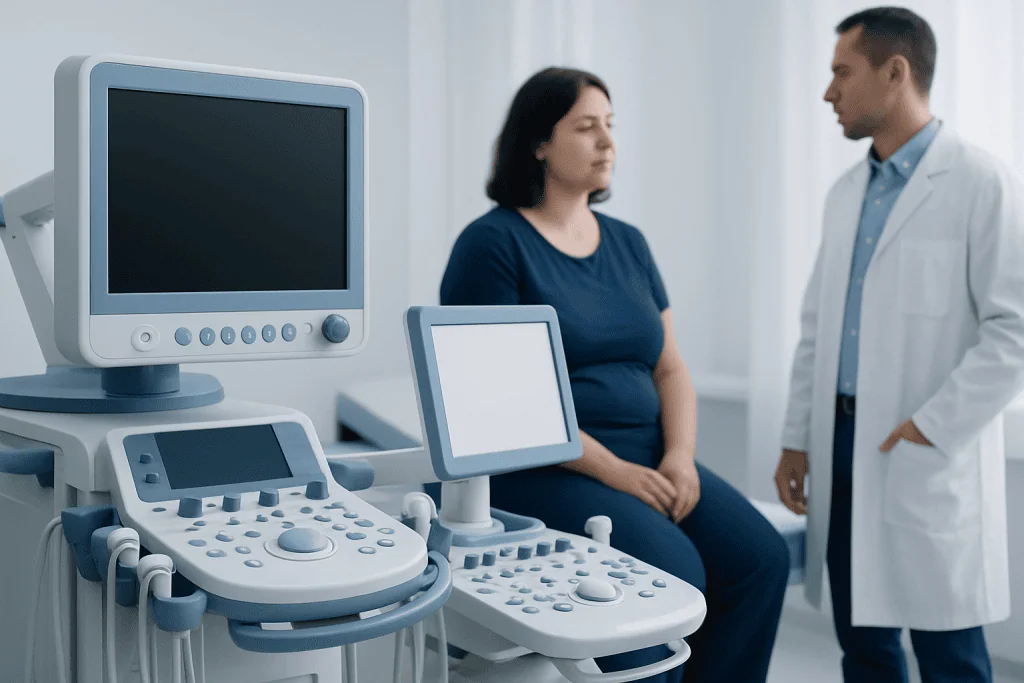
Online weight loss platforms often combine digital intake forms, remote clinician review, educational tools, and ongoing messaging. Depending on the service, treatment may include nutrition guidance, behavior-change support, exercise recommendations, and prescription medicines when appropriate. The exact model varies, so patients benefit from reading carefully about what is and is not included.
Many current reviews focus on newer anti-obesity medicines, especially GLP-1-based treatments. These medicines can help reduce appetite and improve fullness signals in some patients, but they are not suitable for everyone and usually work best alongside lifestyle changes. Patients should understand that treatment success is rarely due to medication alone.
Some programs may also evaluate health conditions linked with excess weight, such as insulin resistance, high blood pressure, or sleep-related symptoms. This broader view matters because weight gain is sometimes connected with treatable medical issues. In certain patients, specialists may also assess obesity as a chronic disease rather than simply a matter of willpower.
Before enrolling, patients may wish to check whether the service provides:
- A clear medical evaluation process
- Licensed clinicians with prescribing authority where required
- Ongoing follow-up rather than one-time approval
- Guidance on side effects and missed doses
- Advice on nutrition, physical activity, and long-term maintenance
What Positive and Negative Reviews Usually Reflect

Positive hers weight loss reviews often mention convenience, privacy, and easier access to care compared with in-person visits. Some patients appreciate being able to complete assessments at home and receive treatment guidance without frequent travel. Others value structured check-ins that can help them stay motivated.
When reviews report good results, this may reflect careful patient selection, realistic goals, and steady follow-up. People who respond well to treatment often combine medication with nutrition changes, increased physical activity, improved sleep, and consistent habits. In that setting, reviews may describe gradual, sustainable progress rather than dramatic short-term change.
Negative reviews commonly relate to side effects, delays, communication issues, or expectations that were too high. Nausea, digestive discomfort, fatigue, or difficulty tolerating medicine can affect patient experience. Some people are disappointed if they expected rapid weight loss or if they were not eligible for the treatment they hoped to receive.
It is also worth remembering that online reviews are not standardized medical outcomes. They may overrepresent very positive or very negative experiences, while many average experiences are never posted. Reading reviews alongside information from a healthcare professional gives a more balanced picture.
How to Evaluate Safety, Eligibility, and Medical Fit
The central question is not whether a program has good marketing or many testimonials. It is whether the treatment plan is safe and appropriate for the individual patient. A thorough assessment should review current weight, body mass index, medical history, medications, allergies, pregnancy status where relevant, mental health history, and conditions that may affect treatment choice.
Prescription weight loss medicines can interact with other health issues or may be unsuitable in some circumstances. Depending on the medicine, a clinician may need to consider digestive disorders, gallbladder disease, pancreatitis history, kidney concerns, thyroid-related issues, or eating disorder history. This is why a proper review cannot be reduced to star ratings.
Patients should also ask what monitoring is recommended after treatment begins. Safe medical weight management may include checking for side effects, tracking progress, adjusting treatment when needed, and deciding when a medicine should be stopped. For some people with related metabolic concerns, evaluation for diabetes or prediabetes may also be relevant during care planning.
A useful checklist includes these questions:
- Was a real medical history taken before treatment was recommended?
- Are the expected benefits and possible side effects explained clearly?
- Is there a follow-up schedule?
- Does the program address nutrition, movement, and long-term weight maintenance?
- What happens if the treatment is ineffective or not tolerated?
Understanding Weight Loss Medicines in Online Programs
Many patients looking up hers weight loss reviews are specifically interested in medication-based options. Medicines used in weight management can be effective for selected adults, especially when excess weight is contributing to health risks. Even so, they should be viewed as one part of a broader care plan, not a quick fix.
GLP-1-based treatments and related medicines may help reduce hunger, improve satiety, and support meaningful weight reduction in some patients. However, results vary. Some people lose a significant amount of weight, while others experience modest changes or stop treatment due to side effects. Most patients also need to continue healthy eating patterns and regular physical activity to maintain progress.
Side effects are an important part of any balanced review. Gastrointestinal symptoms such as nausea, vomiting, constipation, diarrhea, or bloating can occur. Patients should receive guidance on how side effects are monitored and when symptoms require prompt medical review. If a program does not clearly address safety, it deserves closer scrutiny.
In some cases, a specialist may decide that non-medication treatment or even procedural options are more appropriate than telehealth-based prescriptions alone. For patients with more complex or severe obesity, in-person assessment for metabolic surgery or multidisciplinary care may be discussed.
Questions Patients Should Ask Before Starting
A careful decision starts with the right questions. Patients may benefit from asking who will review their case, how treatment eligibility is determined, and whether the recommendations follow established obesity-care principles. It is reasonable to ask how often follow-up occurs and whether treatment can be adjusted if side effects or plateaus develop.
It is also helpful to clarify the difference between general wellness coaching and medical treatment. Some services provide educational support but do not offer ongoing physician-led care. Others are more clinically structured. Understanding this difference can prevent disappointment later.
Patients may also want to ask what happens if symptoms suggest another underlying condition. Weight gain can sometimes be associated with hormonal, metabolic, sleep-related, or psychological factors. In those situations, evaluation may involve specialists rather than relying only on an online questionnaire.
Useful questions include:
- What diagnosis or health assessment supports this treatment plan?
- What are the realistic short-term and long-term expectations?
- How are side effects managed?
- Will I need lab tests or in-person care?
- What is the plan if I stop the medication?
Lifestyle Support Still Matters
Even when reviews focus heavily on medication, long-term weight management still depends on daily habits. Nutrition quality, portion awareness, physical activity, sleep, stress, and consistency all influence results. A program is usually more helpful when it supports behavior change rather than promising that medication alone will solve the problem.
Patients often do best with realistic, sustainable changes. This may include eating regular balanced meals, increasing fiber and protein within a clinician’s guidance, reducing ultra-processed foods, building a movement routine, and improving sleep patterns. Small steps maintained over time are often more effective than strict plans that are difficult to continue.
Emotional health matters as well. Stress, low mood, binge eating, and body image concerns can all affect treatment success. Compassionate, non-judgmental care is important, especially because obesity is a complex chronic condition with biological, environmental, and behavioral influences.
For patients who need broader evaluation, multidisciplinary services can be useful. Near the end of the care pathway, some international patients may choose specialist assessment at Acibadem International, where multidisciplinary teams in JCI-accredited hospitals diagnose and treat complex weight-related conditions.
When to Seek Medical Care
Patients should seek medical advice before starting any prescription weight loss treatment if they have significant medical conditions, take multiple medicines, are pregnant or planning pregnancy, or have a history of eating disorders. Professional guidance is also important if weight gain has been rapid, unexplained, or accompanied by other symptoms such as extreme fatigue, changes in blood sugar, or shortness of breath.
Urgent medical attention is needed for severe or concerning symptoms during treatment, such as persistent vomiting, signs of dehydration, severe abdominal pain, fainting, chest pain, or symptoms of an allergic reaction. Patients should not rely on online reviews to judge whether these symptoms are normal.
It is also wise to seek care if a program feels unclear or impersonal, if there is no meaningful follow-up, or if treatment advice seems disconnected from personal medical history. Good weight management care should feel medically grounded, individualized, and safe.
In summary, hers weight loss reviews can offer useful clues about patient experience, but the best decision comes from combining those impressions with professional medical evaluation. A qualified doctor can help determine whether telehealth weight loss care, in-person obesity treatment, or a broader metabolic assessment is the right next step.
Frequently asked questions
Are hers weight loss reviews reliable?
They can be informative, but they are not a substitute for medical advice. Reviews reflect personal experiences, which may differ widely based on health status, treatment type, side effects, and expectations.
Do online weight loss programs work?
They can help some patients, especially when they provide proper medical screening, evidence-based treatment, and regular follow-up. Results are usually better when lifestyle changes are included alongside any prescribed medication.
Are GLP-1 weight loss medicines safe?
These medicines can be safe and effective for selected patients under medical supervision. However, they are not appropriate for everyone, and side effects or health history may limit their use.
What should patients look for in a weight loss review?
The most helpful reviews mention safety, communication with clinicians, side effects, follow-up care, and whether expectations were realistic. Convenience alone is not enough to judge medical quality.
Can a person start weight loss medication without lab tests?
Sometimes treatment may begin after a clinician reviews medical history, but some patients need lab testing or in-person evaluation first. This depends on symptoms, health conditions, and the treatment being considered.
When should a patient avoid relying only on telehealth for weight loss?
Telehealth may be insufficient when there are complex medical conditions, severe obesity, unexplained weight changes, significant side effects, or symptoms suggesting another underlying illness. In these situations, in-person assessment is often more appropriate.
References
- National Institute of Diabetes and Digestive and Kidney Diseases
- Centers for Disease Control and Prevention
- National Institutes of Health
- American Association of Clinical Endocrinology
- Obesity Medicine Association
This article is for general information only and is not a substitute for professional medical advice. Please consult a qualified doctor about your individual situation.
Medical weight-loss options in Turkey — costs & eligibility
JCI-accredited · board-certified surgeons · reply within 24h
Add us as a Preferred Source to see more of our trusted health content across Google Search, AI Overviews and Discover.
Check your numbers in seconds
BMI, calories, due date, blood pressure and 30+ more clinical calculators — free, instant, doctor-reviewed ranges.

More from the Health Library

Bent Over Rows: What Patients Need to Know

Anger Issues: An Evidence-Based Guide for Patients

Tibial Nerve: An Evidence-Based Guide for Patients

Pressure Points to Cause Labor: An Evidence-Based Guide for Patients

Paraplegic: A Complete Medical Guide for Patients