Normal range of heartbeat: A Complete Medical Guide for Patients

For most adults, a normal resting heartbeat is 60 to 100 beats per minute. Children usually have faster heart rates than adults, and trained athletes may have lower resting rates.
Key Takeaways
- For most adults, a normal resting heartbeat is 60 to 100 beats per minute.
- Children usually have faster heart rates than adults, and trained athletes may have lower resting rates.
- A heartbeat outside the usual range is not always dangerous, but symptoms and underlying causes should be assessed.
- Exercise, fever, dehydration, anxiety, caffeine, and some medicines can temporarily change heart rate.
- Medical evaluation is important if an abnormal heartbeat is persistent or happens with chest pain, fainting, or shortness of breath.
The normal range of heartbeat for most adults at rest is 60 to 100 beats per minute. However, a healthy heart rate can vary with age, physical fitness, stress, medications, and medical conditions, so context matters as much as the number itself.
Overview: what is the normal range of heartbeat?
The normal range of heartbeat depends on who is being measured and under what conditions. For most adults, a normal resting heart rate is between 60 and 100 beats per minute. This refers to the pulse when a person is calm, seated or lying down, and not exercising, stressed, or acutely ill.
That said, “normal” is not one fixed number for everyone. A well-conditioned athlete may have a resting heart rate below 60 and still be perfectly healthy. By contrast, a person who is anxious, has a fever, is dehydrated, or has recently consumed caffeine may temporarily have a faster heartbeat without having heart disease.
In children, normal heart rates are generally higher than in adults because the body is smaller and metabolism is faster. Heart rate also changes during sleep, activity, emotional stress, pregnancy, and recovery after exercise. This is why doctors interpret the number together with age, symptoms, medical history, and the overall clinical picture.
How heartbeat is measured and what affects it
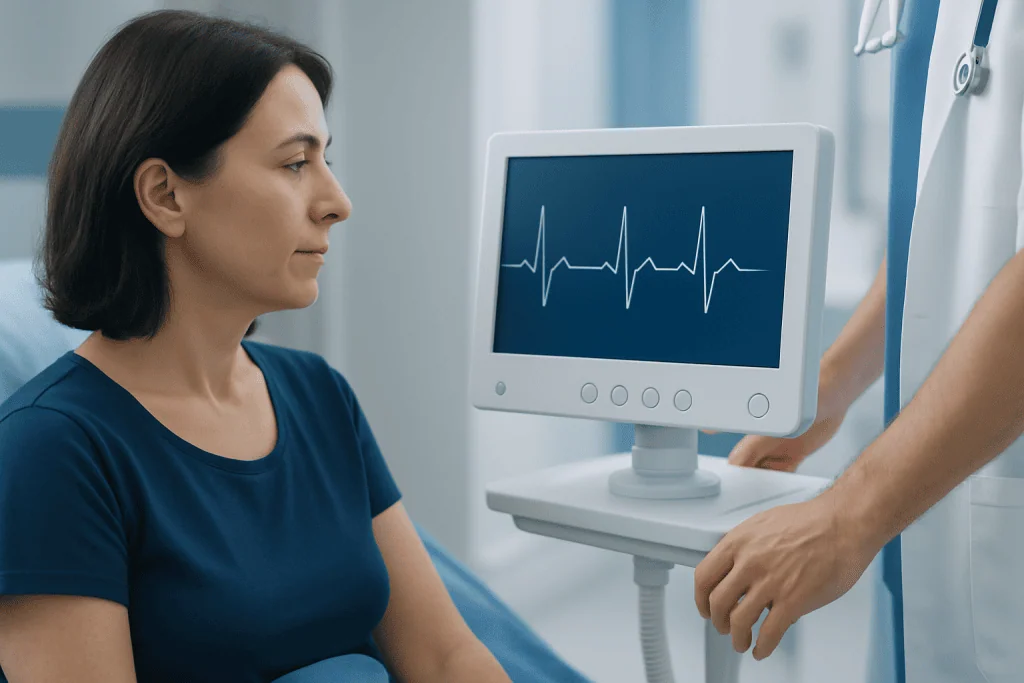
Heartbeat can be measured by checking the pulse at the wrist or neck, by using a fitness wearable, or through medical tools such as an electrocardiogram. To get the most useful resting value, it helps to measure after sitting quietly for several minutes and avoiding exercise, nicotine, or caffeine beforehand.
Many everyday factors influence heart rate. Physical activity makes the heart beat faster so it can deliver more oxygen to the muscles. Emotional states such as anxiety, excitement, or fear can also raise the pulse. During sleep, the heartbeat often slows down. Temperature matters too, and fever commonly increases the heart rate.
Other common influences include:
- Age
- Fitness level
- Hydration status
- Pregnancy
- Caffeine, alcohol, and nicotine
- Medications such as beta blockers, thyroid medicines, or some decongestants
- Medical conditions affecting the heart, lungs, thyroid, or blood count
Because so many factors can affect the result, a single reading rarely tells the whole story. Repeated measurements under similar conditions are often more helpful than focusing on one isolated number.
Normal heartbeat ranges by age and situation

Age is one of the main reasons heart rate differs from person to person. Newborns and infants normally have much faster heart rates than adults. As children grow, the resting pulse gradually slows. In healthy adults, the usual resting range is 60 to 100 beats per minute, while older adults may remain within the same range unless medications or medical conditions affect it.
A useful way to think about heartbeat is to consider the setting. Resting heart rate is different from heart rate during exercise, after emotional stress, or during illness. During movement or exertion, the pulse normally rises. During recovery, it should gradually slow back toward baseline. A heart rate that stays unexpectedly high or low without a clear reason may need evaluation.
Some people also ask whether lower is always better. Not necessarily. A lower resting rate can reflect good cardiovascular fitness, but it can also occur with certain rhythm problems or medication effects. Likewise, a pulse near the upper end of the adult normal range may still be acceptable if the person feels well and there is an explanation such as pain, stress, or recent activity.
Doctors do not assess heartbeat in isolation. They also consider blood pressure, oxygen level, body temperature, symptoms, medical history, and whether the rhythm is regular or irregular. If there are concerns about rhythm disturbances, doctors may evaluate for conditions such as arrhythmia.
When a heartbeat may be too fast, too slow, or irregular
A heartbeat faster than 100 beats per minute at rest in an adult is often called tachycardia, while a heartbeat slower than 60 beats per minute is called bradycardia. These terms describe the rate but do not automatically mean there is a serious problem. Context is essential. For example, an athlete may have bradycardia without any illness, while someone with infection, dehydration, anemia, or thyroid disease may have a temporary tachycardia.
What matters most is whether the heartbeat is causing symptoms or reflects an underlying condition. Warning symptoms can include dizziness, fainting, chest pain, shortness of breath, unusual fatigue, or a pounding, fluttering, or skipping sensation in the chest. An irregular heartbeat may feel as if the heart is racing, pausing, or beating unevenly.
Possible causes of an abnormal or irregular heartbeat include:
- Stress or panic
- Fever or infection
- Dehydration
- Anemia
- Thyroid disorders
- Heart rhythm disorders
- Heart valve or muscle disease
- Medication side effects
- Electrolyte imbalances
- Sleep problems such as obstructive sleep apnea
Some rhythm abnormalities are benign, while others need prompt treatment. If doctors suspect a structural heart problem, they may use imaging and other tests to guide care, sometimes alongside specialized assessment for heart disease.
How doctors evaluate an abnormal heartbeat
If a person has a concerning heartbeat pattern, a doctor will usually begin with a detailed history and physical examination. The discussion often includes when the symptoms started, whether the heartbeat feels fast, slow, or irregular, what triggers it, and whether there are associated symptoms such as chest discomfort, fainting, breathlessness, or fatigue. Information about medications, caffeine use, exercise habits, and thyroid or heart history can be very important.
An electrocardiogram is commonly the first test because it records the heart’s electrical activity. If symptoms come and go, the doctor may recommend longer monitoring with a wearable device to capture the rhythm over hours or days. Blood tests may be used to look for anemia, infection, thyroid problems, or electrolyte imbalances.
Depending on the situation, other tests may include an echocardiogram to assess heart structure and pumping function, an exercise stress test, or imaging studies. When a rhythm problem is confirmed, treatment may involve monitoring, medication, or a procedure such as electrophysiology study and ablation. In some cases, doctors may also use ECG testing and echocardiography as part of a broader cardiac evaluation.
What can help support a healthy heartbeat
Supporting a healthy heartbeat often starts with everyday habits. Regular physical activity can improve cardiovascular fitness and may lower resting heart rate over time. Good hydration, adequate sleep, balanced nutrition, and stress management can also help the body regulate heart rate more efficiently.
People who notice palpitations or unusual changes in pulse may benefit from paying attention to possible triggers. Common examples include excess caffeine, energy drinks, alcohol, nicotine, poor sleep, and dehydration. Reducing these triggers may help, especially when symptoms are occasional and a doctor has ruled out a serious cause.
Helpful self-care measures may include:
- Checking pulse under similar resting conditions rather than repeatedly during stressful moments
- Staying hydrated, especially during heat or exercise
- Limiting stimulants if they trigger symptoms
- Managing stress with relaxation techniques, breathing exercises, or mindfulness
- Following medical advice for thyroid disease, anemia, high blood pressure, or other conditions
- Taking prescribed heart medications exactly as directed
Self-care is helpful, but it should not replace medical evaluation for persistent symptoms or clearly abnormal readings. Heart rate patterns should always be interpreted with a qualified clinician when there is uncertainty.
When to seek medical care
Medical care should be sought promptly if a person has a very fast, very slow, or irregular heartbeat together with chest pain, fainting, severe shortness of breath, confusion, or new weakness. These symptoms can signal a problem that needs urgent assessment. Even if symptoms are mild, a doctor should evaluate heartbeat changes that are persistent, recurrent, or unexplained.
It is also sensible to arrange a non-urgent medical review if a wearable device repeatedly shows unusual heart rate readings, if exercise tolerance has clearly changed, or if palpitations are becoming more frequent. This is especially important for people with known heart disease, high blood pressure, thyroid disease, diabetes, or a family history of rhythm problems or sudden cardiac events.
For international patients who need further evaluation, Acibadem International’s multidisciplinary specialists and JCI-accredited hospitals diagnose and treat heart rhythm and related cardiovascular conditions with individualized assessment and follow-up.
Frequently asked questions
What is the normal range of heartbeat for adults?
For most adults, a normal resting heartbeat is 60 to 100 beats per minute. The key word is resting, because activity, stress, pain, fever, and stimulants can temporarily raise the number.
Is a resting heart rate below 60 always a problem?
No. Some healthy people, especially trained athletes, naturally have a resting heart rate below 60. It becomes more concerning if it is accompanied by dizziness, fainting, fatigue, or other symptoms, or if there is no clear explanation.
Why does my heartbeat increase even when I am not exercising?
A faster heartbeat can happen with stress, anxiety, fever, dehydration, caffeine, nicotine, pain, anemia, or thyroid problems. Some medications can also raise heart rate. If the increase is frequent, persistent, or causes symptoms, medical advice is appropriate.
Can smartwatches accurately detect heart rate problems?
Wearables can be useful for tracking pulse trends and noticing irregularities, but they are not a substitute for medical diagnosis. Readings may be affected by movement, skin contact, or device limitations. Concerning results should be confirmed by a healthcare professional.
How can someone check their resting heart rate correctly?
The best time is after sitting quietly for several minutes, ideally at the same time of day under similar conditions. The pulse can be counted at the wrist or neck for 30 to 60 seconds. Repeating measurements over time is usually more useful than relying on one isolated reading.
When should an abnormal heartbeat be treated?
Treatment depends on the cause, the type of rhythm change, and whether symptoms are present. Some cases only need observation and lifestyle changes, while others need medication or specialized cardiac procedures. A doctor can determine the safest plan after proper evaluation.
References
- American Heart Association
- National Heart, Lung, and Blood Institute
- Centers for Disease Control and Prevention
- Mayo Clinic
- National Health Service
This article is for general information only and is not a substitute for professional medical advice. Please consult a qualified doctor about your individual situation.
Heart care in Turkey — expert evaluation and treatment
JCI-accredited · board-certified surgeons · reply within 24h
Add us as a Preferred Source to see more of our trusted health content across Google Search, AI Overviews and Discover.
Check your numbers in seconds
BMI, calories, due date, blood pressure and 30+ more clinical calculators — free, instant, doctor-reviewed ranges.

More from the Health Library

When a 2 Weeks No Poop X-Ray May Be Needed

Acupressure — Explained by Medical Evidence, Not Myths

Methylmalonic Acid: A Complete Medical Overview

Precipitous Labor: What Patients Need to Know

Sebaceous Filaments: A Complete Medical Overview