High Fiber Diet for Anal Fissure: What the Clinical Research Actually Says

Clinical evidence supports fiber as a useful first-line measure for many anal fissures, especially when constipation or hard stools are involved. Fiber appears to help mainly by softening stool and reducing strain, which lowers repeated injury to the fissure.
Key Takeaways
- Clinical evidence supports fiber as a useful first-line measure for many anal fissures, especially when constipation or hard stools are involved.
- Fiber appears to help mainly by softening stool and reducing strain, which lowers repeated injury to the fissure.
- Benefits are strongest when fiber is increased gradually and paired with adequate fluid intake and bowel habit changes.
- Fiber does not replace medical evaluation if bleeding, severe pain, or non-healing symptoms continue.
- Some people may need medicines or procedures in addition to diet, particularly for chronic anal fissures.
A high fiber diet for anal fissure is commonly recommended because it can soften stools, reduce straining, and support healing. Clinical research suggests fiber is helpful for many people, but it is not a stand-alone cure and may need to be combined with medical treatment when symptoms are severe or persistent.
Overview: What Clinical Research Suggests
A high fiber diet for anal fissure is generally supported by clinical practice and research as a practical way to reduce constipation, soften stool, and make bowel movements less traumatic. For many patients, this can lower pain during defecation and improve the conditions needed for a fissure to heal. It is most useful when hard stool, infrequent bowel movements, or straining are part of the problem.
At the same time, the evidence has limits. Fiber is not a guaranteed cure, and studies do not show that diet alone resolves every fissure. Acute fissures often improve with conservative care, while chronic fissures may persist because of ongoing muscle spasm, reduced blood flow to the area, or repeated irritation. In those cases, fiber is usually part of treatment rather than the entire treatment.
An anal fissure is a small tear in the lining of the anal canal. It can cause sharp pain during bowel movements, minor bleeding, and a lingering burning or throbbing sensation afterward. Fiber helps address one of the main mechanical triggers: stool that is dry, large, or difficult to pass. Patients who want broader background on the condition itself may also find it helpful to read about anal fissure.
How Fiber May Help an Anal Fissure Heal
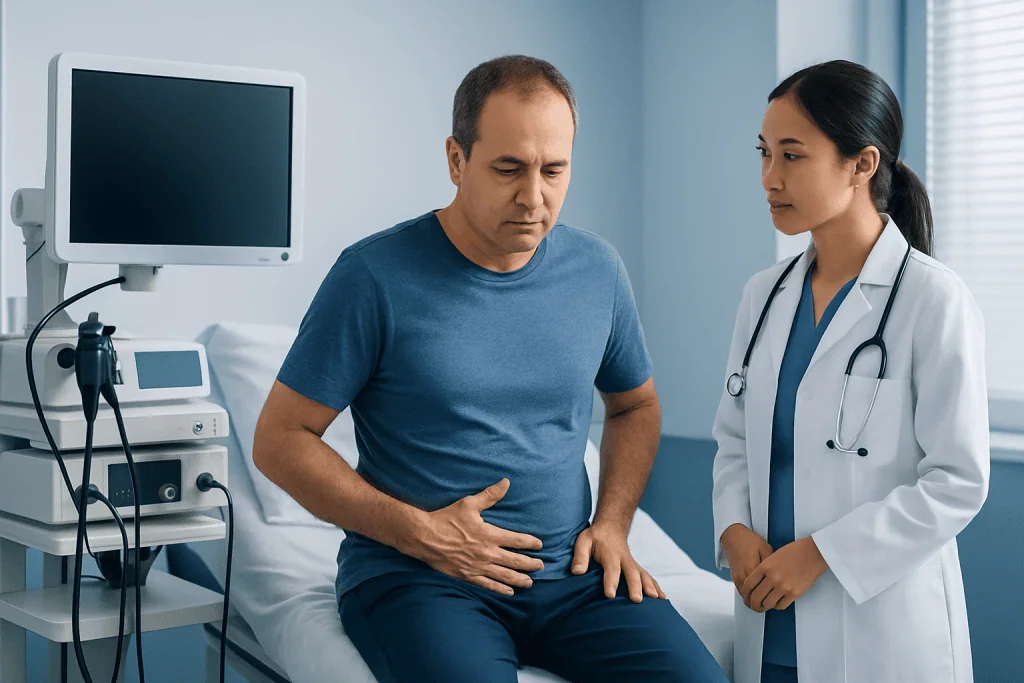
The main reason clinicians recommend fiber is straightforward: it can improve stool consistency. Soluble and insoluble fibers increase stool bulk and often help retain water in the stool, making it easier to pass. When bowel movements are softer and more regular, there is less stretching and re-tearing of the fissure.
This matters because fissures can become trapped in a cycle. Pain leads to avoiding bowel movements, which can worsen constipation. Constipation then leads to harder stool, more straining, and more pain. By helping interrupt this cycle, a high fiber diet may reduce symptoms and support healing over time.
Research and guideline-based care generally support fiber supplementation or dietary fiber as part of first-line conservative management. However, the benefit depends on context. Fiber is most useful when symptoms are linked to constipation or stool hardness. If diarrhea, inflammatory bowel disease, infection, or another anorectal disorder is contributing, fiber alone may not address the main cause and the best approach may differ.
What the Evidence Supports — and What It Does Not
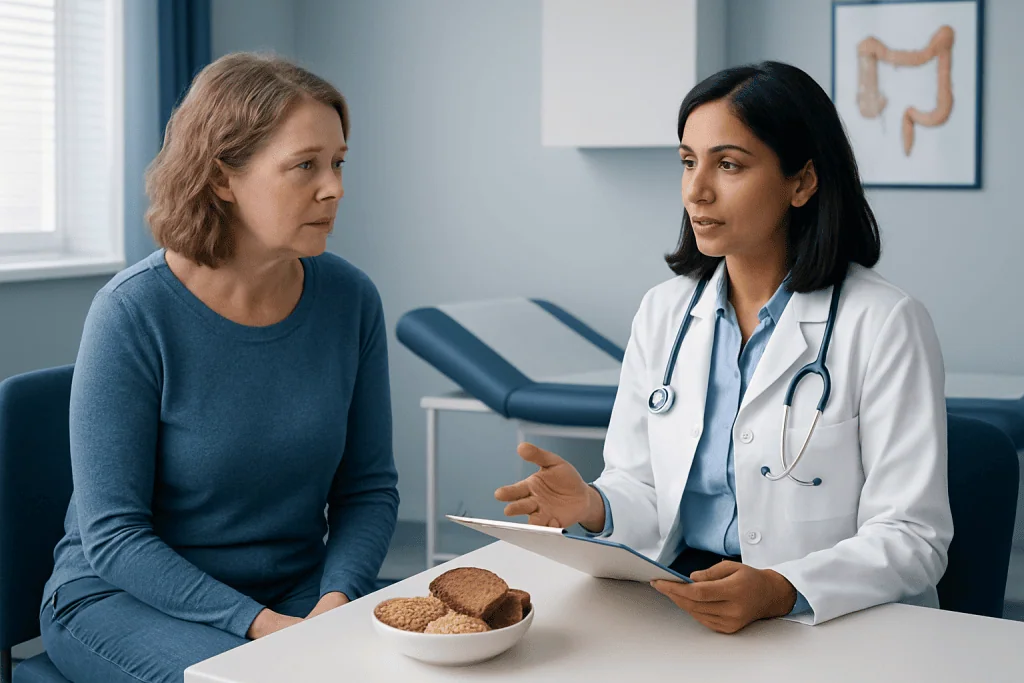
Clinical evidence broadly supports using fiber for uncomplicated anal fissure, especially early in the course of symptoms. Studies and professional guidance have found that bulking agents or higher fiber intake can improve bowel habits and reduce the recurrence of painful fissure symptoms in some patients. This is why fiber is commonly included alongside hydration, warm baths, and topical treatments.
What the evidence does not support is the idea that all fibers work identically, that more fiber is always better, or that fiber can replace assessment when symptoms are significant. Research on anal fissure treatment often evaluates several measures at once, so it can be difficult to isolate diet alone. Also, symptom relief does not always mean the fissure has fully healed, and a chronic fissure may still need prescription medicine or procedural treatment.
Another important limit is that dietary advice must be individualized. A person with pelvic floor dysfunction, severe pain, inflammatory bowel disease, or persistent rectal bleeding may not improve simply by adding bran cereals or fiber supplements. In those situations, doctors may also evaluate related digestive issues such as constipation or recommend specialist care.
How to Use a High Fiber Diet in Practice
In practical terms, a high fiber diet usually means increasing fiber gradually from foods such as vegetables, fruits, legumes, oats, and whole grains. A sudden large increase can cause bloating, gas, or abdominal discomfort, which may make the plan harder to continue. Gradual changes are usually better tolerated and easier to maintain.
Fiber works best with enough fluid. Without adequate hydration, added fiber may make stool bulkier without making it softer, which can be uncomfortable for some people. Regular meal timing, not delaying bowel movements, and allowing enough time to pass stool without straining are also part of the same bowel-care strategy.
Helpful examples include:
- Whole fruit instead of juice
- Beans, lentils, and chickpeas added to soups or salads
- Oatmeal or other whole-grain cereals
- Vegetables at most meals
- Psyllium or another fiber supplement if advised by a clinician
Some patients benefit from formal nutrition advice, especially if they also have irritable bowel symptoms, diabetes, or other dietary restrictions. A clinician may also suggest combining diet changes with gastroenterology care when bowel symptoms are ongoing or difficult to interpret.
Possible Side Effects, Interactions, and Who Should Be Cautious
Although fiber is generally safe, it is not free of side effects. Common short-term effects include bloating, intestinal gas, abdominal fullness, and changes in bowel frequency. These effects are more likely when intake rises quickly or when a person adds a supplement without increasing fluids.
Fiber supplements can also interact with medication absorption. Some products may reduce how well certain medicines are absorbed if taken at the same time. For that reason, patients should read product directions carefully and ask a pharmacist or doctor how to space fiber supplements from prescription medicines. This is especially important for people taking multiple daily medications.
Caution is also needed in selected situations. People with bowel narrowing, suspected obstruction, severe abdominal pain of unclear cause, or major swallowing difficulties should not start fiber supplements without medical advice. In some conditions, including active inflammatory bowel flare-ups or severe diarrhea-predominant symptoms, the best diet strategy may differ from a standard high-fiber approach.
What Else May Be Needed Besides Fiber
Fiber is often only one part of care. Conservative treatment for anal fissure commonly includes warm sitz baths, stool-softening strategies, pain control, and topical prescription medicines that help relax the anal sphincter. These measures aim to reduce pain, improve local blood flow, and prevent repeated tearing.
If symptoms last for several weeks, keep returning, or suggest a chronic fissure, a doctor may recommend targeted medical treatment. Depending on the clinical picture, this can include prescription topical therapy or procedural options. In selected cases, evaluation by specialists in colorectal surgery may be appropriate, particularly when non-surgical measures have not worked.
Some patients need a closer look to rule out other anorectal conditions, including hemorrhoids, fistula, infection, or inflammatory bowel disease. When the diagnosis is not clear or symptoms overlap, specialist evaluation can help guide treatment safely. Acibadem International’s multidisciplinary specialists in JCI-accredited hospitals diagnose and treat anorectal conditions for international patients, including nutritional, medical, and surgical care when needed.
When to Seek Medical Care
Medical care is important if anal pain or bleeding does not improve within a short period, if bowel movements remain very painful despite diet changes, or if symptoms keep coming back. A fissure that does not heal may become chronic, and other conditions can sometimes mimic a fissure.
Prompt assessment is especially important when there is heavy bleeding, fever, drainage, new swelling, severe constipation, unexplained weight loss, or a change in bowel habits that persists. These features are not typical of a simple fissure and deserve medical evaluation.
People should also speak with a doctor before relying on self-treatment if they are pregnant, immunocompromised, have inflammatory bowel disease, or are unsure whether the problem is truly an anal fissure. Evaluation may include an examination and, if needed, referral for surgical assessment or other specialist care.
Frequently asked questions
Does a high fiber diet cure an anal fissure?
A high fiber diet can help many anal fissures heal by softening stool and reducing strain, but it is not a guaranteed cure. Some fissures, especially chronic ones, may also need prescription treatment or a procedure.
How quickly can fiber help with anal fissure symptoms?
Some people notice easier bowel movements within days, but symptom improvement can take longer. Healing depends on the severity of the fissure, bowel habits, hydration, and whether additional treatment is needed.
Is dietary fiber better than a fiber supplement for anal fissure?
Both can be helpful. Foods naturally rich in fiber provide broader nutritional benefits, while supplements can be a practical option when it is hard to meet fiber needs through diet alone.
Can too much fiber make an anal fissure worse?
It can if fiber is increased too quickly or taken without enough fluid. This may cause bloating or bulkier stools that are uncomfortable to pass, so gradual changes are usually best.
Should fiber be used if diarrhea is causing irritation around the anus?
Not always in the same way. When diarrhea is the main issue, the goal is to identify the cause first, because a standard high-fiber approach may not be the best solution for every person.
When should someone see a doctor instead of trying diet changes alone?
A doctor should be consulted if pain is severe, bleeding is more than minor spotting, symptoms last beyond a short period, or the problem keeps returning. Medical advice is also important if there are fever, swelling, discharge, or major changes in bowel habits.
References
- American Society of Colon and Rectal Surgeons
- National Institute of Diabetes and Digestive and Kidney Diseases
- National Health Service
- Mayo Clinic
- American Gastroenterological Association
This article is for general information only and is not a substitute for professional medical advice. Please consult a qualified doctor about your individual situation.
Explore treatments in Turkey — costs, top hospitals & a free quote
JCI-accredited · board-certified surgeons · reply within 24h
Add us as a Preferred Source to see more of our trusted health content across Google Search, AI Overviews and Discover.

More from the Health Library

Hyperthyroidism Diet: Benefits, Risks, and Safe Use

Castor oil for hair growth: Benefits, Side Effects, and What the Evidence Shows
Leafy Foods: What the Clinical Research Actually Says

Does Lettuce Have Any Nutritional Value?
Food Aversion: Benefits, Risks, and Safe Use