High Fiber Diverticulosis: Diagnosis, Outlook, and Modern Treatment Approaches
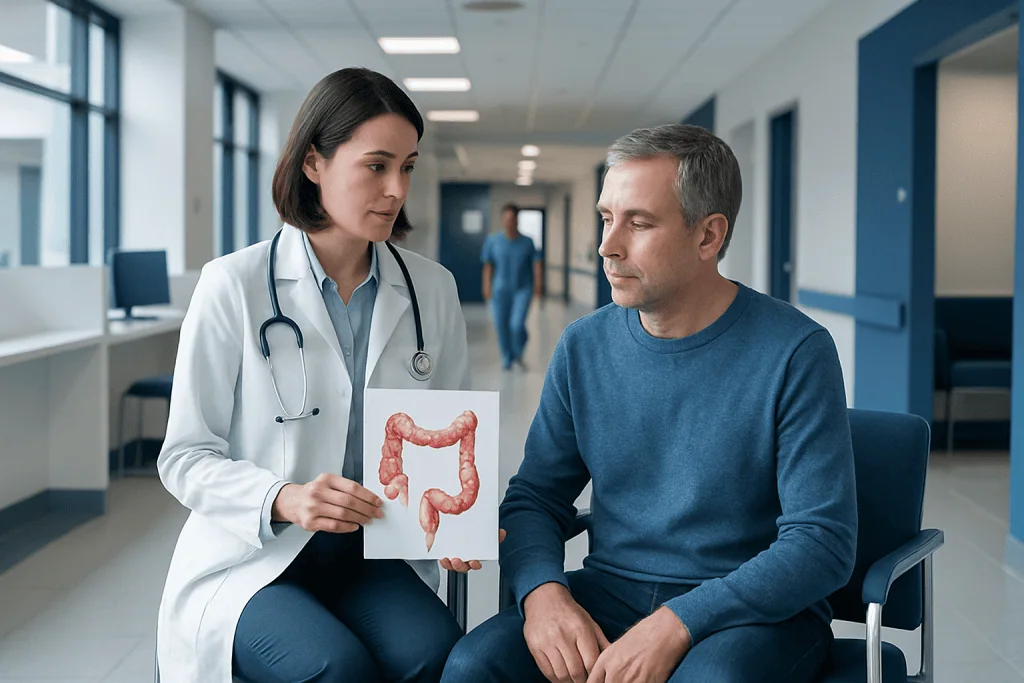
Diverticulosis means small pouches form in the wall of the colon, often without causing symptoms. A high-fiber eating pattern is a common part of long-term management and may help lower the risk of symptoms and complications.
Key Takeaways
- Diverticulosis means small pouches form in the wall of the colon, often without causing symptoms.
- A high-fiber eating pattern is a common part of long-term management and may help lower the risk of symptoms and complications.
- Diagnosis often involves medical history, examination, and tests such as colonoscopy or CT imaging when appropriate.
- Treatment depends on whether a person has uncomplicated diverticulosis, symptoms, or complications such as inflammation or bleeding.
- New or severe abdominal pain, fever, rectal bleeding, or persistent bowel changes should be assessed by a doctor.
High fiber diverticulosis usually refers to managing diverticulosis with a fiber-rich eating pattern to support regular bowel movements and reduce pressure in the colon. Most people do well with lifestyle measures and follow-up care, while diagnosis helps rule out other causes of symptoms and identify the small number of people who develop complications.
Overview: what high fiber diverticulosis means
High fiber diverticulosis generally refers to the care of diverticulosis with a fiber-rich diet and other supportive habits. Diverticulosis itself is the presence of small pouches, called diverticula, in the wall of the large intestine. These pouches become more common with age and are often found during routine testing for another reason.
Many people with diverticulosis have no symptoms at all. When symptoms do occur, they may overlap with common digestive complaints such as bloating, constipation, or mild abdominal discomfort. This is why diagnosis matters: symptoms are not always caused by the pouches themselves, and other digestive conditions may need to be considered.
The phrase “high fiber diverticulosis” is important because modern care focuses less on strict food avoidance and more on overall bowel health. A balanced, fiber-rich eating pattern, enough fluids, physical activity, and individualized medical advice are the foundations of care for most people.
How diverticulosis develops and who is at risk
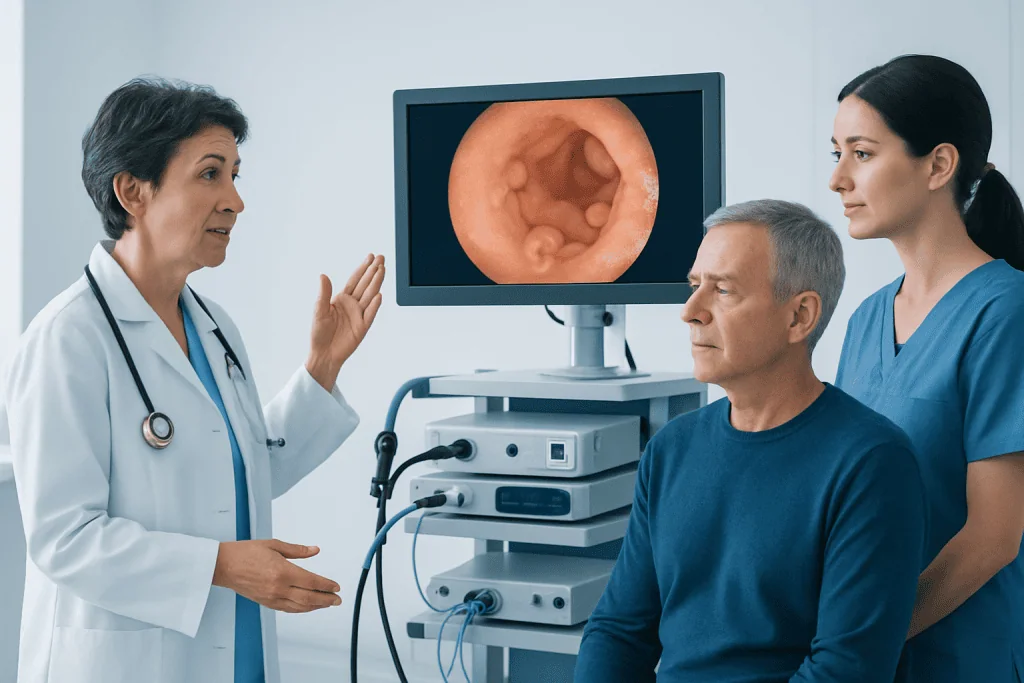
Diverticulosis develops when weak spots in the colon wall bulge outward, creating small pockets. Experts believe that pressure inside the colon, along with age-related changes in the bowel wall, can contribute to this process. The condition becomes more common over time and is frequently seen in older adults.
Several factors may increase the chance of developing diverticulosis or related symptoms. These include a low-fiber eating pattern over many years, constipation, limited physical activity, excess body weight, and smoking. Some medicines, especially long-term use of certain pain relievers, may also raise the risk of complications in some people.
Not everyone with diverticulosis will go on to develop diverticulitis, which is inflammation or infection of a diverticulum. In fact, many people live for years without problems. Understanding personal risk factors helps guide prevention and follow-up, especially after the diagnosis has been confirmed.
Symptoms and how they differ from complications
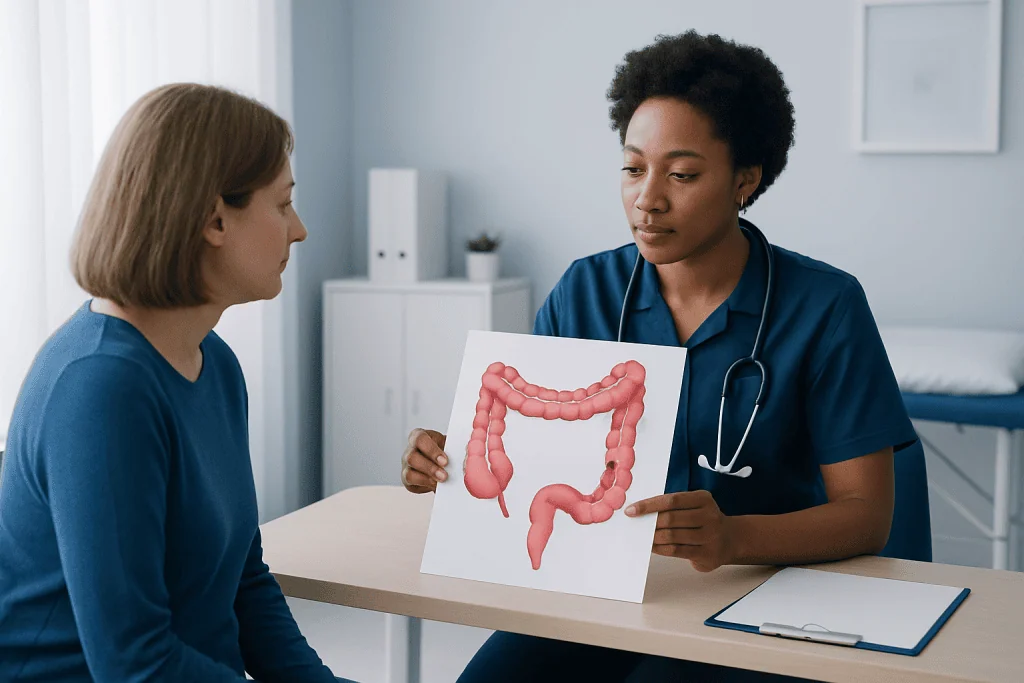
Uncomplicated diverticulosis often causes no symptoms. When symptoms are present, they can include mild cramping, bloating, constipation, or a feeling that bowel movements are not regular. These symptoms are not specific, so they can also occur with irritable bowel syndrome, hemorrhoids, or other colon conditions.
Complications usually cause clearer warning signs. Diverticulitis may lead to ongoing abdominal pain, often on the lower left side, along with fever, nausea, or a change in bowel habits. Bleeding from diverticula can cause blood in the stool or maroon-colored stools and may range from mild to heavy.
Rare but serious problems include abscess formation, perforation, fistula, or bowel blockage. These are medical conditions that need prompt assessment. Distinguishing uncomplicated diverticulosis from its complications is one reason doctors may recommend imaging or endoscopic evaluation rather than relying on symptoms alone.
- Often no symptoms at all
- Mild bloating or irregular bowel habits in some people
- Fever or persistent abdominal pain may suggest diverticulitis
- Visible rectal bleeding needs medical evaluation
Diagnosis: confirming diverticulosis and ruling out other causes
Doctors diagnose diverticulosis by combining a medical history, physical examination, and appropriate tests. They will ask about bowel habits, pain, bleeding, medicines, family history, and past digestive problems. Blood tests may be used if infection, inflammation, anemia, or dehydration is suspected.
Colonoscopy is one common way to identify diverticulosis, especially when a person is being evaluated for bleeding, changes in bowel habits, or routine colon cancer screening. During a colonoscopy, a flexible camera is used to examine the inside of the colon. This helps the doctor see diverticula directly and look for other causes of symptoms, such as polyps or inflammation. In some cases, evaluation may include colonoscopy as part of a broader digestive workup.
When acute diverticulitis is suspected, a CT scan of the abdomen and pelvis is often preferred because it can show inflammation around the colon and detect complications. Colonoscopy is usually delayed until the acute inflammation has settled, unless another urgent reason exists. Depending on symptoms, the doctor may also consider conditions such as colon cancer or inflammatory bowel disease.
The goal of diagnosis is not only to confirm diverticulosis but also to determine whether symptoms are due to uncomplicated disease, active inflammation, or another digestive disorder. This step helps shape safe, individualized treatment.
Modern treatment approaches and the role of fiber
For uncomplicated diverticulosis, treatment is usually centered on long-term bowel health rather than emergency intervention. A high-fiber eating pattern is commonly recommended because it can help soften stool, support regular bowel movements, and reduce strain during bowel movements. Fiber may come from fruits, vegetables, legumes, whole grains, nuts, and seeds, or in some cases from a fiber supplement if a doctor advises it.
Current guidance is more flexible than older advice. Many specialists no longer routinely tell people with diverticulosis to avoid nuts, seeds, or popcorn, because evidence has not shown that these foods clearly cause flare-ups. Instead, the emphasis is on overall dietary quality, gradual increases in fiber, and drinking enough fluids so added fiber is tolerated well.
If a person has symptoms despite good fiber intake, the doctor may look for constipation, pelvic floor issues, medication side effects, or another digestive condition. Treatment may be adjusted to the underlying cause. Some people need evaluation and management through specialized gastroenterology care when symptoms are persistent or unclear.
When diverticulitis develops, treatment depends on severity. Mild cases may be managed with rest, fluid support, dietary changes, and close follow-up, while more severe or complicated cases may require hospital care, drainage of an abscess, or colon surgery. Antibiotics are not needed in every mild case, but they may be appropriate in selected patients based on symptoms, immune status, and imaging findings.
Outlook, prevention, and self-care
The outlook for diverticulosis is generally good. Most people never develop serious complications, especially when they maintain healthy bowel habits and keep up with recommended medical follow-up. Even when symptoms occur, treatment is often effective once the cause has been clarified.
Self-care starts with gradual, sustainable changes. Increasing fiber too quickly can cause gas or bloating, so many people do better when they add high-fiber foods step by step. Drinking enough water helps fiber work properly, and regular physical activity supports normal bowel function.
Other helpful steps include managing constipation early, avoiding smoking, discussing frequent use of nonsteroidal anti-inflammatory drugs with a doctor, and maintaining a healthy body weight. People who have had prior episodes of diverticulitis may benefit from more individualized prevention advice based on imaging results, symptom pattern, and overall health.
Near the end of the care pathway, some patients need multidisciplinary review to decide whether recurrent symptoms are due to diverticular disease or another condition. Acibadem International’s multidisciplinary specialists and JCI-accredited hospitals diagnose and treat digestive conditions for international patients when specialist assessment is needed.
When to seek medical care
Medical advice is recommended for new bowel changes that last more than a short time, recurring abdominal pain, bloating that does not improve, or constipation that becomes difficult to manage. A doctor can assess whether symptoms are related to diverticulosis or whether another digestive condition should be investigated.
Prompt medical attention is important for fever, ongoing or worsening abdominal pain, vomiting, inability to pass stool or gas, dizziness, fainting, or blood in the stool. These symptoms do not always mean a serious problem, but they can be signs of diverticulitis, significant bleeding, or bowel obstruction and should not be ignored.
People who are older, pregnant, immunocompromised, or living with major medical conditions should seek care earlier if symptoms appear. Anyone unsure about what is normal for them should contact a qualified healthcare professional for guidance.
Frequently asked questions
What is the difference between diverticulosis and diverticulitis?
Diverticulosis means small pouches are present in the colon wall, often without symptoms. Diverticulitis happens when one or more of those pouches become inflamed or infected, which can cause pain, fever, and other more noticeable symptoms.
Does a high-fiber diet cure diverticulosis?
A high-fiber diet does not remove existing diverticula, so it is not considered a cure. However, it is an important part of long-term management because it may help improve bowel regularity and lower the risk of symptoms or complications in some people.
Can people with diverticulosis eat nuts, seeds, and popcorn?
In many cases, yes. Older advice often suggested avoiding these foods, but current evidence does not clearly show that they trigger diverticulitis or worsen diverticulosis for most people. Individual tolerance still matters, so a doctor or dietitian may give personalized advice.
How is diverticulosis usually found?
Diverticulosis is often found during a colonoscopy or imaging test done for another reason, such as screening or evaluation of bowel symptoms. Because it may not cause symptoms, many people do not know they have it until a test reveals it.
When should someone with diverticulosis worry about symptoms?
Persistent abdominal pain, fever, vomiting, new constipation that does not improve, or blood in the stool should be assessed by a doctor. These symptoms can suggest a complication or another digestive condition that needs prompt evaluation.
Will everyone with diverticulosis eventually need surgery?
No. Most people with diverticulosis never need surgery and do well with diet, hydration, exercise, and routine medical care. Surgery is usually reserved for certain complications or selected cases with recurrent, significant problems.
References
- National Institute of Diabetes and Digestive and Kidney Diseases
- American Gastroenterological Association
- National Health Service
- Mayo Clinic
- American Society of Colon and Rectal Surgeons
This article is for general information only and is not a substitute for professional medical advice. Please consult a qualified doctor about your individual situation.
Persistent digestive symptoms? Get evaluated in Turkey
JCI-accredited · board-certified surgeons · reply within 24h
Add us as a Preferred Source to see more of our trusted health content across Google Search, AI Overviews and Discover.