High Insulin Levels: What Your Results Mean and When to Act

A typical fasting insulin reference range is often about 2 to 25 microunits per milliliter, but the laboratory's own range is the correct one to use. A high insulin result does not by itself diagnose diabetes, insulin resistance or another medical condition.
Key Takeaways
- A typical fasting insulin reference range is often about 2 to 25 microunits per milliliter, but the laboratory's own range is the correct one to use.
- A high insulin result does not by itself diagnose diabetes, insulin resistance or another medical condition.
- Insulin is best interpreted alongside fasting glucose, hemoglobin A1C, medical history and, when appropriate, other metabolic tests.
- Insulin resistance can occur for years before blood glucose becomes high and may improve with individualized lifestyle and medical care.
- Very low glucose with inappropriately high insulin requires prompt medical assessment.
High insulin levels most often mean the body is producing extra insulin to keep blood glucose within range, a pattern commonly associated with insulin resistance. A result should not be interpreted alone: the laboratory range, whether the test was fasting, glucose results, medicines and symptoms all matter.
High Insulin Levels: What the Result Means
High insulin levels, also called hyperinsulinemia, mean that more insulin than expected was measured in the blood. In many cases, the body is making extra insulin because its cells are not responding efficiently to it. This is called insulin resistance. The pancreas can initially compensate by releasing more insulin, helping blood glucose remain normal.
For a fasting insulin test, many laboratories use a reference range of approximately 2 to 25 microunits per milliliter (µIU/mL). The headline number is useful, but the reference interval printed on the individual report takes priority because testing methods differ between laboratories. A value above the stated range may be medically meaningful, especially when it is persistent or occurs alongside elevated glucose, triglycerides, blood pressure or other metabolic risk factors.
Insulin naturally rises after eating, so a result from a non-fasting sample may be much higher than a fasting result and is harder to interpret. Age, puberty, pregnancy, body composition, recent exercise, illness, stress and certain medicines can also affect insulin levels. A clinician therefore considers the testing context rather than treating one number as a diagnosis.
Why Insulin May Be Tested
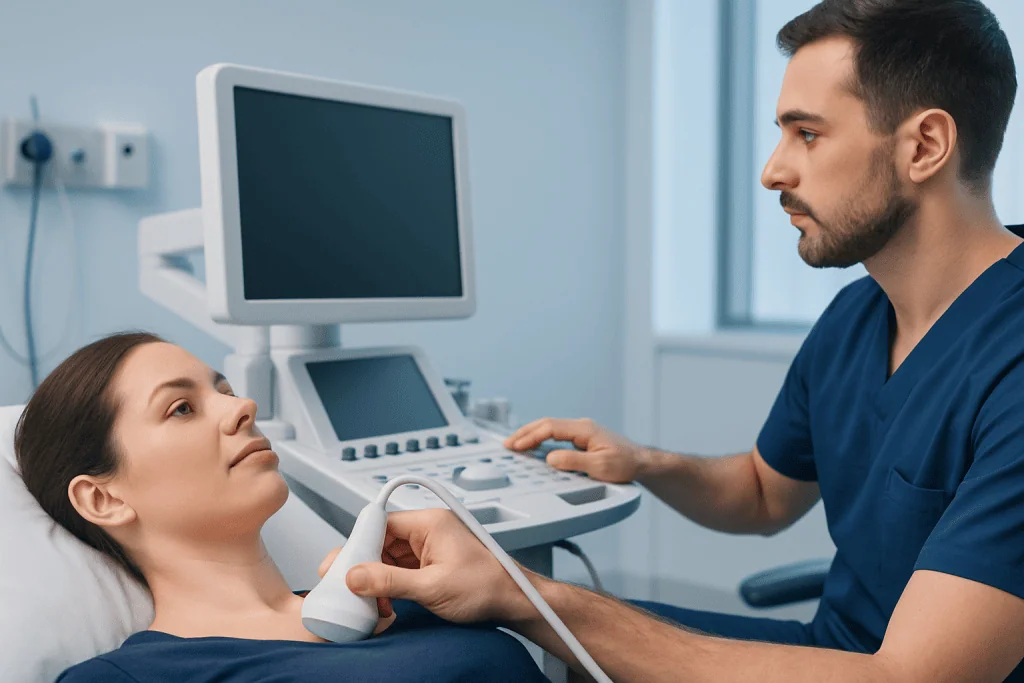
Insulin is a hormone made by the pancreas. It helps move glucose from the bloodstream into muscle, fat and other cells for energy or storage. After meals, insulin normally increases and then falls as glucose is used or stored. During fasting, insulin is usually low because the body needs less help managing blood glucose.
A clinician may request an insulin test to investigate possible insulin resistance, prediabetes, diabetes risk or symptoms of low blood glucose. Insulin can also be measured during a supervised evaluation for repeated hypoglycemia. In that setting, the key question is whether insulin is appropriately low or unexpectedly high when glucose is low.
Fasting insulin is sometimes used with fasting glucose in a calculated estimate such as HOMA-IR. These estimates can support an overall clinical assessment, but they are not universally standardized diagnostic tests. They should not be used independently to confirm insulin resistance or to guide treatment without medical advice.
Symptoms and Related Findings

High insulin levels often cause no clear symptoms, particularly when blood glucose remains within the expected range. This is why insulin resistance may be discovered during routine blood testing or an assessment for weight, cholesterol, blood pressure or glucose concerns.
Some people with insulin resistance may have increased hunger, tiredness after meals, difficulty managing weight or darkened, velvety patches of skin, often on the neck, underarms or groin. These skin changes, called acanthosis nigricans, can be associated with higher insulin activity but have other possible causes as well. Symptoms alone cannot determine whether insulin is high.
Symptoms become more urgent when glucose is low. Shaking, sweating, palpitations, dizziness, confusion, blurred vision or fainting may indicate hypoglycemia. These symptoms can have several causes, but repeated episodes, especially in someone not taking glucose-lowering medicine, need prompt medical evaluation.
Common Causes and Risk Factors
Insulin resistance is the most common reason for high fasting insulin. It is more likely with excess abdominal body fat, limited physical activity, family history of type 2 diabetes, high blood pressure, abnormal blood fats, fatty liver disease and a history of gestational diabetes. It can also occur in people of any body size.
Hormonal and metabolic conditions may contribute. For example, polycystic ovary syndrome (PCOS) is often associated with insulin resistance, irregular periods, acne, excess hair growth or fertility concerns. Sleep disruption, including obstructive sleep apnea, and chronic stress may also affect metabolic regulation. A clinician may assess related conditions based on the person’s symptoms and history.
Some medicines can raise glucose or influence insulin needs, including corticosteroids and certain antipsychotic medicines. Pregnancy is another context in which insulin resistance normally increases, especially later in pregnancy. Less commonly, high insulin with documented low glucose can point to an insulin-producing tumor, certain autoimmune conditions or an effect of diabetes medicines; this pattern requires specialist assessment.
- Recent food intake can make insulin appear high.
- Acute illness, surgery and stress can temporarily alter hormone levels.
- Taking insulin or insulin-stimulating diabetes medicines can directly affect results.
How Doctors Interpret and Confirm the Result
The first step is to check how the test was performed. For a fasting insulin measurement, a clinician will usually confirm whether the person avoided food and caloric drinks for the requested period, commonly 8 to 12 hours, and whether they followed instructions about medicines. Drinking water is generally allowed, but each laboratory may provide specific guidance.
Insulin is interpreted with blood glucose measured at the same time whenever possible. Hemoglobin A1C, a test reflecting average glucose over roughly the previous two to three months, may also be checked. Depending on the situation, clinicians may request a lipid profile, liver tests, blood pressure measurements, waist assessment or an oral glucose tolerance test.
A high insulin result with normal glucose can fit early insulin resistance, but it may also reflect a non-fasting sample or normal individual variation. High insulin with high glucose may indicate that the pancreas is no longer fully compensating for insulin resistance. In contrast, insulin that remains high when glucose is low needs a more focused evaluation, sometimes including repeat samples and specialized testing supervised by an endocrinologist.
Treatment and Everyday Steps
Treatment addresses the reason for the high insulin level rather than the number alone. When insulin resistance is present, the aim is to improve insulin sensitivity and reduce the long-term risk of prediabetes, type 2 diabetes and cardiovascular disease. A clinician can tailor the plan to the person’s health conditions, preferences, medicines and test results.
Regular physical activity, including aerobic activity and strength training, can improve how muscles use glucose. Meals based on vegetables, fruit, legumes, whole grains, protein-rich foods and unsaturated fats can support metabolic health. Reducing highly refined carbohydrates and sugary drinks may help some people limit sharp rises in glucose and insulin, without requiring extreme or restrictive diets.
If weight loss is appropriate, even gradual and sustainable changes can improve insulin sensitivity. Good sleep, management of sleep apnea when present, stopping smoking and limiting alcohol can also support metabolic health. Medicines may be recommended for conditions such as prediabetes, type 2 diabetes, PCOS or obesity, but the choice depends on the individual and should be made with a qualified clinician.
Acibadem International’s multidisciplinary specialists at JCI-accredited hospitals can assess metabolic concerns and coordinate care for international patients when needed.
When to Seek Medical Care
A routine appointment is appropriate after an unexpectedly high insulin result, particularly if it was a fasting test or if there is a family history of diabetes, gestational diabetes, PCOS, fatty liver disease, high cholesterol or high blood pressure. Bringing the full laboratory report, including glucose and the laboratory reference range, helps the clinician interpret the result accurately.
Prompt medical advice is important for recurrent symptoms of low blood glucose, such as sweating, shakiness, confusion or fainting, especially if the person does not use diabetes medicine. Emergency care is appropriate for severe confusion, loss of consciousness, seizure symptoms, inability to swallow safely or symptoms that do not improve after following an established hypoglycemia plan.
People using insulin or medicines that increase insulin release should contact their healthcare team if they experience frequent low glucose readings or changing meal intake, activity, illness or pregnancy. They should not stop prescribed treatment solely because of one insulin test result without discussing it with their clinician.
Frequently asked questions
What insulin level is considered high?
For fasting insulin, many laboratories list an upper reference limit near 25 µIU/mL, although ranges vary by test method and laboratory. The range shown on the person's own report is the appropriate comparison, and the result should be reviewed with fasting glucose and other clinical information.
Can high insulin levels occur with normal blood sugar?
Yes. In early insulin resistance, the pancreas may produce additional insulin that keeps glucose in the normal range. This compensation can occur before prediabetes or type 2 diabetes develops, although not every person with a high result will develop diabetes.
Does high insulin mean diabetes?
No. High insulin alone does not diagnose diabetes. Diabetes is diagnosed using validated glucose-based tests, such as fasting plasma glucose, hemoglobin A1C or an oral glucose tolerance test, interpreted by a clinician.
Should insulin testing be done fasting?
A fasting sample is generally more useful when evaluating baseline insulin or possible insulin resistance because food normally raises insulin. The laboratory or clinician should provide instructions, including whether medicines should be taken as usual before the test.
How can high insulin levels be lowered?
The appropriate approach depends on the cause. For insulin resistance, regular activity, balanced eating patterns, adequate sleep and medically appropriate weight management can help, while some people may also need treatment for related conditions or prescribed medicines.
Can stress raise insulin levels?
Physical or emotional stress can affect hormones that influence glucose and insulin regulation, particularly during acute illness or after surgery. A single result obtained during a stressful period may need to be interpreted cautiously or repeated if the clinician recommends it.
References
- American Diabetes Association
- National Institute of Diabetes and Digestive and Kidney Diseases
- Mayo Clinic Laboratories
- Endocrine Society
- Centers for Disease Control and Prevention
This article is for general information only and is not a substitute for professional medical advice. Please consult a qualified doctor about your individual situation.
Explore treatments in Turkey — costs, top hospitals & a free quote
JCI-accredited · board-certified surgeons · reply within 24h
Add us as a Preferred Source to see more of our trusted health content across Google Search, AI Overviews and Discover.
Check your numbers in seconds
BMI, calories, due date, blood pressure and 30+ more clinical calculators — free, instant, doctor-reviewed ranges.