High Iron Foods for Menstruation: Normal Ranges, High and Low Results Explained

Iron needs often increase during menstruation because blood loss reduces the body's iron stores. Foods rich in heme iron, such as red meat, poultry, and seafood, are absorbed more easily than plant sources.
Key Takeaways
- Iron needs often increase during menstruation because blood loss reduces the body's iron stores.
- Foods rich in heme iron, such as red meat, poultry, and seafood, are absorbed more easily than plant sources.
- Ferritin and hemoglobin are the most commonly discussed tests when low iron or anemia is suspected.
- Heavy menstrual bleeding, fibroids, pregnancy, digestive conditions, and restrictive diets can all affect iron levels.
- Iron supplements should be used only under medical guidance, since too much iron can also be harmful.
High iron foods for menstruation can support iron intake during monthly blood loss, especially when periods are heavy or prolonged. Still, iron test results such as hemoglobin and ferritin should be interpreted in context, because low or high values may reflect more than diet alone.
Overview: how iron, menstruation, and lab results connect
High iron foods for menstruation include iron-rich choices such as lean red meat, chicken, turkey, sardines, lentils, beans, tofu, spinach, pumpkin seeds, and iron-fortified cereals. These foods may help replace iron lost during periods, but they do not always correct low iron on their own if menstrual bleeding is heavy, iron stores are already depleted, or another medical issue is contributing.
When doctors assess iron status, they do not rely on one number alone. They usually look at hemoglobin, hematocrit, ferritin, serum iron, transferrin saturation, and sometimes total iron-binding capacity. In a person who menstruates, a result that falls below the laboratory’s reference range may suggest iron deficiency or iron deficiency anemia, especially if symptoms such as fatigue, shortness of breath, headaches, or hair shedding are also present.
The most useful way to understand these results is to start with the reported range or number, then consider age, sex, pregnancy status, menstrual pattern, and overall health. A result that is technically within range may still be meaningful if it is near the lower limit and symptoms are present. Likewise, higher values may reflect inflammation, liver conditions, recent supplementation, or less commonly iron overload.
Normal ranges: what is usually measured and what the numbers mean
Reference ranges vary somewhat by laboratory, but hemoglobin in adult women is commonly reported around 12.0 to 15.5 g/dL, while ferritin often falls within a broad range such as about 12 to 150 ng/mL. Serum iron and transferrin saturation also differ by lab method and timing, which is why results should be reviewed using the ranges printed on the specific report rather than a single universal cutoff.
Ferritin deserves special attention because it reflects iron stores. A low ferritin level often appears before hemoglobin falls, meaning a person can have iron deficiency without full anemia. This is important in menstruation, because monthly blood loss may gradually deplete iron over time even when the complete blood count is only mildly changed or still within normal limits.
Results also vary by context. Teenagers may have changing needs during growth, athletes may have higher demands, and pregnant patients have different expected values and iron requirements. Someone with very light periods may maintain normal iron stores on diet alone, while someone with heavy bleeding may develop deficiency even with a balanced diet.
- Hemoglobin: helps show whether anemia is present.
- Ferritin: reflects stored iron and is often the earliest sign of depletion.
- Serum iron: measures circulating iron but can fluctuate during the day.
- Transferrin saturation: indicates how much iron is bound for transport.
- Total iron-binding capacity: can rise when the body is trying to capture more iron.
Best high iron foods for menstruation
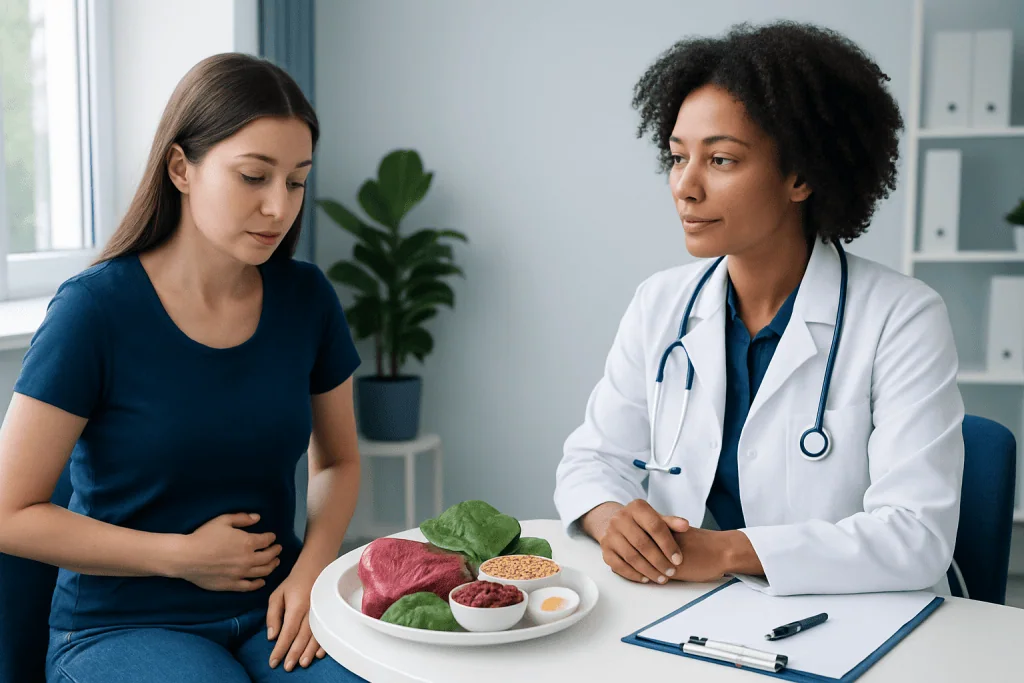
Food is often the first step in supporting iron status. Heme iron, found in animal foods, is generally absorbed more efficiently than non-heme iron from plant foods. Good options include lean beef, lamb, dark-meat poultry, liver in moderation if medically appropriate, clams, mussels, oysters, sardines, and tuna. For many people, adding one or two iron-rich meals across the week is a practical way to increase intake.
Plant-based choices can also contribute meaningful iron, especially when eaten regularly. Lentils, chickpeas, black beans, soybeans, tofu, tempeh, quinoa, pumpkin seeds, sesame seeds, cashews, spinach, swiss chard, dried apricots, raisins, and fortified breakfast cereals are commonly recommended. Because plant iron is less easily absorbed, pairing these foods with vitamin C sources such as oranges, kiwi, strawberries, tomatoes, bell peppers, or broccoli can improve absorption.
Some eating habits reduce iron uptake. Tea, coffee, and large amounts of calcium taken with meals may make absorption less efficient in some people. This does not mean they must be avoided, but spacing them away from iron-rich meals can help. Cast-iron cookware may add a small amount of iron to food, especially acidic dishes like tomato-based sauces.
- Higher-absorption choices: beef, chicken, turkey, shellfish, sardines
- Plant-based choices: lentils, beans, tofu, quinoa, seeds, leafy greens
- Helpful pairings: iron-rich foods with citrus fruit, tomatoes, berries, or peppers
- Possible absorption blockers at meals: tea, coffee, and high-calcium foods or supplements
Low and high iron results explained
Low iron-related results may show up in several patterns. A low ferritin level often suggests reduced iron stores, and low hemoglobin may indicate iron deficiency anemia if iron studies support it. People may notice tiredness, reduced exercise tolerance, pale skin, dizziness, brittle nails, restless legs, poor concentration, or feeling cold more often. However, symptoms can be subtle, especially early on.
In menstruating patients, heavy or frequent periods are among the most common reasons for low iron. Other causes include not getting enough iron from food, poor absorption due to digestive conditions, recent pregnancy, blood donation, or blood loss from the stomach or intestines. If periods are very heavy, doctors may also evaluate for conditions such as uterine fibroids or other gynecologic causes of bleeding.
High iron-related results are less common in this setting, but they also need interpretation. Ferritin can rise with inflammation, infection, liver disease, alcohol use, or metabolic conditions, so a high ferritin result does not always mean too much iron is stored. A doctor may order repeat blood work or additional tests if transferrin saturation is also elevated or there is concern for iron overload.
Because these patterns can overlap, it is not safe to self-diagnose based on one result or one symptom. Someone may have fatigue from iron deficiency, thyroid disease, poor sleep, depression, or many other causes. The meaning of a lab value depends on the whole clinical picture.
Why iron may be low during periods: causes and risk factors
Menstruation itself is a normal cause of iron loss, but the amount varies widely from person to person. A heavier flow, bleeding lasting more than about a week, passing large clots, or needing to change pads or tampons very frequently can all increase the chance of iron depletion. Over several months, even small repeated losses may gradually lower ferritin.
Some gynecologic conditions make heavy bleeding more likely. These include fibroids, adenomyosis, endometriosis, bleeding disorders, and hormone-related cycle changes. In some cases, menstrual symptoms may coexist with endometriosis or other pelvic conditions that deserve separate evaluation. Adolescents may also have heavy bleeding in the first years after periods begin, especially when cycles are still irregular.
Dietary and medical factors matter as well. Vegetarian or vegan diets can be healthy, but they may require more deliberate planning for iron intake. Digestive disorders such as celiac disease, inflammatory bowel disease, or prior stomach surgery can reduce absorption. Frequent blood donation, endurance training, and pregnancy soon after a period of low iron can add further strain on iron stores.
Diagnosis and treatment options
If low iron is suspected, a doctor may begin with a medical history, questions about menstrual bleeding, diet, medications, and symptoms, followed by blood tests. A complete blood count and ferritin are common starting points, and additional iron studies may be added when needed. Depending on the situation, evaluation may also include pregnancy testing, thyroid tests, stool testing, pelvic ultrasound, or referral to gynecology or gastroenterology.
Treatment depends on the cause and severity. For mild deficiency, improving dietary iron and correcting absorption barriers may be enough. Many patients also need oral iron supplements for a period of time, but the best type, timing, and duration should be decided with a clinician because side effects and interactions can occur. If deficiency is significant, oral treatment is not tolerated, or absorption is poor, iron infusion may be considered.
When heavy bleeding is driving the problem, addressing the menstrual cause is just as important as replacing iron. Depending on the diagnosis, options may include hormonal treatment, targeted gynecologic care, or procedures. For example, if fibroids are contributing to blood loss, treatment planning may include uterine fibroid embolization in selected cases.
People with symptoms of anemia that are more severe, ongoing, or unexplained may need broader care. In patients with substantial blood loss or more complicated anemia, doctors may evaluate whether blood transfusion is necessary, though this is not routine for most cases of menstrual iron deficiency. The goal is to restore iron safely while also finding and treating the reason it became low.
Prevention and self-care
Prevention usually focuses on consistent nutrition, awareness of menstrual patterns, and timely follow-up when symptoms arise. Eating a variety of iron-rich foods through the month may be more effective than trying to compensate only during the period itself. Combining plant iron with vitamin C-rich foods, spacing tea and coffee away from meals, and not starting supplements without advice are simple practical steps.
Tracking periods can also be helpful. Recording cycle length, number of heavy days, clotting, and how often menstrual products need changing gives doctors useful information if bleeding seems excessive. This history often explains why iron levels are trending down even before anemia becomes obvious on routine blood work.
People with a past history of low ferritin, known heavy periods, pregnancy plans, or restrictive eating patterns may benefit from periodic lab monitoring. This is especially relevant if symptoms return. Near the end of the care pathway, some patients choose evaluation at specialized centers; Acibadem International’s multidisciplinary specialists and JCI-accredited hospitals diagnose and treat conditions linked to menstrual blood loss and iron deficiency for international patients.
When to seek medical care
Medical advice is important if periods are unusually heavy, fatigue is persistent, shortness of breath develops with normal activity, or blood test results show low hemoglobin or low ferritin. Care is also needed if a person feels faint, notices chest discomfort, has rapid heartbeat, or has symptoms that are worsening rather than improving.
Heavy menstrual bleeding should not be dismissed as normal if it interferes with daily life, causes missed work or school, or repeatedly leads to low iron. A doctor can help determine whether the main issue is dietary intake, blood loss, poor absorption, or another condition. Prompt assessment is especially important during pregnancy, after surgery, or if there is blood in the stool, black stools, or unexplained weight loss.
Frequently asked questions
What are the best high iron foods for menstruation?
Foods with the most easily absorbed iron include lean red meat, poultry, shellfish, and sardines. Helpful plant-based options include lentils, beans, tofu, pumpkin seeds, spinach, and fortified cereals, especially when eaten with vitamin C-rich foods.
Can diet alone fix low iron caused by periods?
Sometimes, but not always. Diet may help mild deficiency, yet many people with heavy periods or already depleted iron stores also need medical evaluation and iron treatment to rebuild levels effectively.
What test is most useful for checking iron stores?
Ferritin is often the most useful test for iron stores. It may become low before hemoglobin drops, which means iron deficiency can be present even before anemia is clearly seen on a complete blood count.
Why can ferritin be high even if someone feels tired?
Ferritin can rise for reasons other than excess iron, including inflammation, infection, or liver disease. That is why ferritin should be interpreted together with other iron studies and the person's symptoms.
When are heavy periods considered medically important?
Heavy periods are medically important when bleeding is prolonged, products need changing very frequently, large clots are common, or daily activities are disrupted. They are also important if blood tests show iron deficiency or anemia.
Should someone take iron supplements without a doctor's advice?
It is better to check with a clinician first. Iron supplements can cause side effects, interact with other medicines, and may be inappropriate if the problem is not actually iron deficiency.
References
- World Health Organization
- Centers for Disease Control and Prevention
- National Institutes of Health Office of Dietary Supplements
- American College of Obstetricians and Gynecologists
- British Society for Haematology
This article is for general information only and is not a substitute for professional medical advice. Please consult a qualified doctor about your individual situation.
Explore treatments in Turkey — costs, top hospitals & a free quote
JCI-accredited · board-certified surgeons · reply within 24h
Add us as a Preferred Source to see more of our trusted health content across Google Search, AI Overviews and Discover.

More from the Health Library


Related Specialists

Dr. Utku Şenol
Cardiology
Dr. Melodi Dinçel
Pediatric & Adolescent Psychiatry
Prof. Dr. Harzem Özger
Orthopedic Surgery & Traumatology
Dr. Ayşenur Şam Sarı
Dermatology